The 1989 Suzuki RM250 is a legendary motocross bike, part of a lineage renowned for its performance and competitive spirit. As a pure off-road machine, its body style is aggressive and purpose-built for racing. The RM250 model series spans many years, with the 1989 iteration being a significant evolution. While specific trims were less common in this era of motocross, the RM250 was the flagship performance model. New pricing was typically in the premium range for dirt bikes, and today, used prices vary widely based on condition and collectibility.
The Good
The 1989 RM250 excels in raw power and handling, offering an exhilarating ride. Its robust design promises reliability for aggressive riding. The iconic Suzuki styling appeals to nostalgia, while its straightforward mechanics ensure easier maintenance for practical owners. It represents a peak in 80s motocross engineering.
The Bad
Potential buyers should watch for worn suspension components, as they are crucial for handling. Engine wear, particularly in the clutch and piston, is common in hard-used examples. Check for frame damage or excessive chain wear. Older plastics can become brittle and crack.
1989 Suzuki RM250: Quick Overview
- Engine Options: The 1989 Suzuki RM250 featured a single engine option.
- Engine Type: 249cc, liquid-cooled, 2-stroke, single-cylinder.
- Bore x Stroke: 68.0 mm x 68.0 mm.
- Carburetion: Mikuni TMX38SS.
- Ignition: Electronic ignition.
- Transmission: 6-speed constant mesh.
- Clutch: Wet, multi-plate.
- Horsepower: Approximately 48-50 horsepower at the crank. Specific figures can vary slightly by source and dyno testing. This was competitive for its era, delivering strong mid-range and top-end power crucial for motocross racing.
- Fuel Economy: Fuel economy is not a primary consideration for a motocross bike. Riders typically expect to refuel frequently during intense riding sessions. A rough estimate might be in the range of 15-25 miles per gallon depending on throttle usage and riding conditions.
- 0-60 Times: 0-60 mph (approximate) would be very rapid, likely in the 3-4 second range, due to its powerful 2-stroke engine and light weight. This metric is more relevant for street bikes but illustrates the explosive acceleration characteristic of motocross machines.
- Towing Capacity: N/A. The 1989 Suzuki RM250 is a motorcycle designed for off-road use and does not have any towing capabilities.
- Suspension (Front): Telescopic, oil-damped, with adjustable preload and compression/rebound damping. Typically featured long travel for absorbing significant impacts.
- Suspension (Rear): Suzuki Full Floater single shock system, with adjustable preload, compression, and rebound damping. Also featured substantial travel.
- Brakes (Front): Hydraulic disc brake.
- Brakes (Rear): Hydraulic disc brake.
- Tires (Front): Motocross-specific knobby tires, typically 80/100-21.
- Tires (Rear): Motocross-specific knobby tires, typically 110/90-19.
- Frame: Steel perimeter frame.
- Weight: Dry weight typically around 227 lbs (103 kg). This lightweight construction is essential for agility and maneuverability on the track.
- Fuel Tank Capacity: Approximately 2.1 gallons (8 liters).
- Ground Clearance: Designed for off-road obstacles, offering significant ground clearance.
- Trim-Level Features: In this era, motocross bikes were generally offered in a single, high-performance trim. Key features were focused on performance and adjustability: liquid cooling for consistent engine temperature, powerful disc brakes, long-travel adjustable suspension, and a potent 2-stroke engine tuned for racing.
1989 Suzuki RM250 Specifications
Vehicle Information
| Year | 1989 |
| Make | Suzuki |
| Model | RM250 |
| Trim | - |
| Style | - |
| Type | Motorcycle |
| Category | Motorcycle |
Manufacturing Details
| Made In | Japan |
| Manufacturing City | TOYOKAWA |
Dimensions
| Doors | - |
| Curb Weight | - |
| Gross Vehicle Weight Rating | - |
| Overall Height | - |
| Overall Length | - |
| Overall Width | - |
| Wheelbase Length | - |
| Standard Seating | - |
Engine & Performance
| Engine | 249cc 1cyl |
| Engine Size | 249L |
| Engine Cylinders | 1 |
| Transmission | - |
| Transmission Type | - |
| Transmission Speeds | - |
| Drivetrain | - |
Additional Features
| Anti-Brake System | - |
| Steering Type | - |
Pricing
| Manufacturer Suggested Retail Price (MSRP) | - |
| Invoice Price | - |
| Delivery Charges | - |
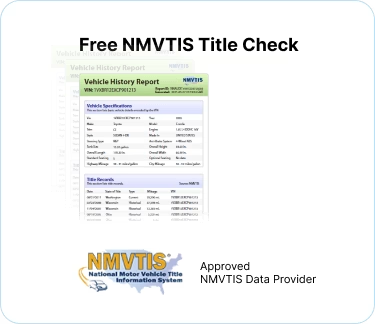
Vehicle History Report
Vehicle
Specifications
Specifications
Ownership
History
History
All History
Events
Events
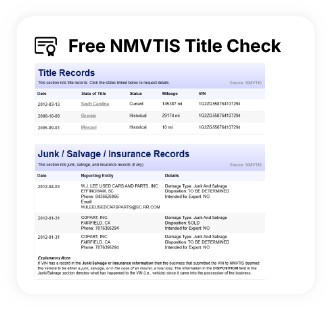
NMVTIS Title
History Check
History Check
Salvage/Rebuilt
Check
Check
Accident
Check
Check
Theft
Check
Check
Open Lien
Check
Check
Past Sale
Listings
Listings
Safety
Recalls
Recalls
Odometer
Check
Check
Market Price
Analysis
Analysis
What Problems Does the 1989 Suzuki RM250 Have?
The 1989 Suzuki RM250, like many high-performance 2-stroke dirt bikes of its era, is generally considered reliable when properly maintained, but certain issues are frequently reported by owners and mechanics. One of the most common areas of concern is the **clutch**. Due to the nature of motocross riding, frequent engagement and disengagement under load can lead to clutch wear. This can manifest as slipping, particularly under heavy acceleration, or a gritty feeling at the lever. Regular fluid changes and eventual replacement of clutch plates and springs are a routine maintenance item.
Another area to inspect carefully is the **suspension**. The long-travel suspension, while excellent for performance, is subjected to immense stress. Seals can leak, leading to oil loss and a diminished damping performance. Bushings and bearings within the linkage and fork can wear out, causing play and affecting handling. Rebuilding or replacing worn suspension components is a significant part of ongoing ownership. Owners often report the need for fork seal replacements and rear shock service.

The **2-stroke engine** itself is robust, but like any high-strung performance engine, it requires diligent maintenance. Piston and ring wear are inevitable over time, especially if the bike has been ridden aggressively or not maintained with fresh top-end rebuilds. Symptoms of worn rings include reduced compression, smoky exhaust, and a loss of power. The **power valve system**, common on later RM250s, can also become a point of maintenance. While the 1989 model might have a simpler porting design compared to later versions with more complex servo-controlled power valves, any moving parts within the exhaust port area can accumulate carbon and become sticky, affecting engine performance. Cleaning and proper lubrication are key.
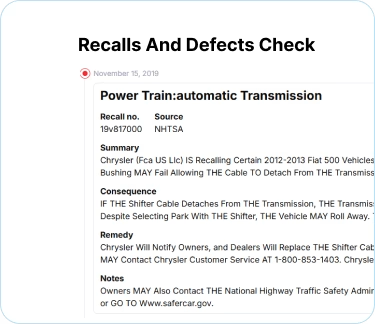
**Cooling system** issues, while less common, can arise if the radiators become clogged or if coolant levels are not maintained, leading to overheating. Frame cracks, particularly around the engine mounts or head tube, can occur from hard impacts, though this is more indicative of abuse than inherent design flaws. Decals and plastics can become brittle and crack with age and UV exposure. Recalls were not as prevalent or widely publicized for off-road motorcycles from this period as they are for modern street vehicles. Therefore, long-term reliability hinges heavily on the owner's maintenance habits and the bike's previous usage. A well-maintained RM250 from 1989 can still be a formidable machine, but a neglected one will likely require significant investment to return to top form.
Another area to inspect carefully is the **suspension**. The long-travel suspension, while excellent for performance, is subjected to immense stress. Seals can leak, leading to oil loss and a diminished damping performance. Bushings and bearings within the linkage and fork can wear out, causing play and affecting handling. Rebuilding or replacing worn suspension components is a significant part of ongoing ownership. Owners often report the need for fork seal replacements and rear shock service.

The **2-stroke engine** itself is robust, but like any high-strung performance engine, it requires diligent maintenance. Piston and ring wear are inevitable over time, especially if the bike has been ridden aggressively or not maintained with fresh top-end rebuilds. Symptoms of worn rings include reduced compression, smoky exhaust, and a loss of power. The **power valve system**, common on later RM250s, can also become a point of maintenance. While the 1989 model might have a simpler porting design compared to later versions with more complex servo-controlled power valves, any moving parts within the exhaust port area can accumulate carbon and become sticky, affecting engine performance. Cleaning and proper lubrication are key.

**Cooling system** issues, while less common, can arise if the radiators become clogged or if coolant levels are not maintained, leading to overheating. Frame cracks, particularly around the engine mounts or head tube, can occur from hard impacts, though this is more indicative of abuse than inherent design flaws. Decals and plastics can become brittle and crack with age and UV exposure. Recalls were not as prevalent or widely publicized for off-road motorcycles from this period as they are for modern street vehicles. Therefore, long-term reliability hinges heavily on the owner's maintenance habits and the bike's previous usage. A well-maintained RM250 from 1989 can still be a formidable machine, but a neglected one will likely require significant investment to return to top form.
How long will the 1989 Suzuki RM250 last?
Estimating average mileage for a 1989 Suzuki RM250 is challenging as these bikes are often measured in 'moto hours' rather than road miles. A typical motocross bike might see 20-50 hours of hard riding per year. With diligent maintenance, including regular top-end rebuilds (pistons, rings) every 20-40 hours and bottom-end work (crank bearings, seals) every 50-100 hours, these engines can last for hundreds of hours of competitive use. The chassis and suspension are more prone to wear over time and mileage. Frame components might last indefinitely if not subjected to severe impacts, but suspension internals will require regular servicing. Longevity is directly tied to maintenance frequency and quality. Neglect leads to rapid deterioration, while meticulous care can preserve a competitive machine for many years, often making them valuable vintage or classic racers.
What Technology & Safety Features are Included?
The 1989 Suzuki RM250 is a purebred motocross machine, and as such, its design philosophy is starkly different from that of street-legal vehicles. Consequently, it lacks any form of built-in tech, entertainment, driver-assistance, or advanced safety features in the conventional sense. There is no digital dashboard, no infotainment system, no Bluetooth connectivity, and certainly no ABS or traction control. The 'technology' present is purely mechanical and focused on performance and rider control for off-road conditions.
Key 'Features' (Performance-Oriented):
There are no optional features in the way a street bike might have them, aside from perhaps aftermarket parts. Rider safety is primarily the responsibility of the rider through protective gear (helmet, boots, jersey, pants, gloves) and skill. Crash-test ratings are non-existent for motocross bikes, as they are not designed or tested for on-road safety regulations. The RM250's 'safety' lies in its responsive handling and predictable power delivery, allowing experienced riders to navigate challenging terrain and avoid hazards.
Key 'Features' (Performance-Oriented):
- Liquid-Cooled Engine: Essential for maintaining consistent power output under the extreme thermal loads of racing.
- Powerful 2-Stroke Engine: Tuned for explosive acceleration and broad power delivery, critical for overcoming obstacles and gaining track position.
- Long-Travel, Adjustable Suspension (Front & Rear): Designed to absorb massive impacts from jumps and rough terrain, providing rider comfort and maintaining tire contact. Adjustability allows riders to tune the suspension to their weight and riding style.
- Hydraulic Disc Brakes (Front & Rear): Offer strong and consistent stopping power, vital for control in race situations.
- Lightweight Frame: Typically a steel perimeter frame, optimized for rigidity and light weight to enhance agility and maneuverability.
- Suzuki Full Floater Rear Suspension: A linkage-driven system designed to provide progressive damping and improved performance over a wide range of terrain.
There are no optional features in the way a street bike might have them, aside from perhaps aftermarket parts. Rider safety is primarily the responsibility of the rider through protective gear (helmet, boots, jersey, pants, gloves) and skill. Crash-test ratings are non-existent for motocross bikes, as they are not designed or tested for on-road safety regulations. The RM250's 'safety' lies in its responsive handling and predictable power delivery, allowing experienced riders to navigate challenging terrain and avoid hazards.
What Colors Options are Available?
1989 Suzuki RM250 Prices and Market Value
When new in 1989, the Suzuki RM250 was a premium motocross machine, typically priced in the range of $4,000 to $4,500 USD, positioning it as a significant investment for serious riders. Due to its nature as a performance dirt bike, depreciation was quite rapid in its early years as newer models emerged. However, for a 1989 RM250 today, depreciation has largely plateaued, and its value is now more dependent on its condition and collectibility. Well-maintained, original examples, especially those that have been raced competitively in vintage classes or preserved as showpieces, can fetch anywhere from $2,000 to $5,000 or even more for exceptional, pristine machines. Bikes that are heavily used, modified, or in poor cosmetic condition will be significantly less valuable, often in the $800-$1,500 range. Factors affecting resale include originality of parts, hours of use (if known), overall condition of plastics, suspension, and engine health, and any racing history or restoration documentation.
1989 Suzuki RM250 Cost of Ownership
Owning a 1989 Suzuki RM250 is generally not considered economical. Insurance is typically minimal, often covered under specialized collector policies if applicable, or none if primarily used off-road on private property. Fuel costs are moderate, requiring high-octane pre-mix gasoline. Maintenance and repair are the significant cost factors. Regular top-end rebuilds (pistons, rings) every 20-40 hours, clutch replacements, suspension servicing, and drivetrain wear (chain, sprockets) are ongoing expenses. Specialized knowledge or professional labor can be costly. While the initial purchase price might be low for a used model, maintaining its performance and condition requires consistent investment, making it a moderately to highly costly vehicle to own long-term.
1989 Suzuki RM250 Fuel Efficiency
Fuel Type
Gasoline
Fuel Capacity
-
City Mileage
-
Highway Mileage
-
1989 Suzuki RM250 Warranty
Basic
Original warranty
0 months / No data
Estimated remaining
Expired
Powertrain
Original warranty
0 months / No data
Estimated remaining
Expired
Rust
Original warranty
0 months / No data
Estimated remaining
Expired
1989 Suzuki RM250 Insurance
Insurance for a 1989 Suzuki RM250 is moderately priced, reflecting its status as a Motorcycle with strong safety ratings and
reasonable repair costs.
How Does the 1989 Suzuki RM250 Compare to Other Motorcycle?
The 1989 Suzuki RM250 entered a highly competitive 250cc motocross segment, directly challenging rivals like the Yamaha YZ250, Honda CR250R, and Kawasaki KX250. In terms of **performance**, the RM250 was known for its potent and tractable 2-stroke power delivery, often excelling in the mid-range and top-end, making it a formidable racing machine. The Yamaha YZ250 of this era was also celebrated for its strong engine and nimble handling. Honda's CR250R was renowned for its smooth powerband and excellent chassis balance. Kawasaki's KX250 often offered a broad powerband and sharp styling.
Regarding **features**, the 1989 RM250 boasted advanced suspension for its time, liquid cooling, and strong disc brakes, which were standard across the top-tier competitors. Suzuki's 'Full Floater' rear suspension system was a key differentiator, aiming to provide superior suspension action. All major brands offered similar levels of technological advancement in their flagship models.
On **reliability**, all these high-performance 2-stroke motocross bikes of the late 80s required diligent maintenance. While robust, they demanded regular top-end rebuilds and careful attention to the clutch and suspension. None were inherently 'bulletproof' without proper care. Reports of engine issues, clutch wear, and suspension seal failures were common across the board for bikes used aggressively.
**Price-wise**, these machines were closely aligned, with a new RM250 being in the same ballpark as its direct competitors, typically in the $4,000-$4,500 range. Used prices today also reflect their collectibility and condition, with similar values for comparable models.
Alternatives:
Regarding **features**, the 1989 RM250 boasted advanced suspension for its time, liquid cooling, and strong disc brakes, which were standard across the top-tier competitors. Suzuki's 'Full Floater' rear suspension system was a key differentiator, aiming to provide superior suspension action. All major brands offered similar levels of technological advancement in their flagship models.
On **reliability**, all these high-performance 2-stroke motocross bikes of the late 80s required diligent maintenance. While robust, they demanded regular top-end rebuilds and careful attention to the clutch and suspension. None were inherently 'bulletproof' without proper care. Reports of engine issues, clutch wear, and suspension seal failures were common across the board for bikes used aggressively.
**Price-wise**, these machines were closely aligned, with a new RM250 being in the same ballpark as its direct competitors, typically in the $4,000-$4,500 range. Used prices today also reflect their collectibility and condition, with similar values for comparable models.
Alternatives:
- Similar: The 1989 Yamaha YZ250, Honda CR250R, and Kawasaki KX250 are very similar in capability and offer comparable performance for their model year. The choice often came down to rider preference for engine characteristics and handling feel.
- Slightly Newer/Older: For riders seeking incremental improvements in technology or handling, looking at models from 1990-1992 of any of these brands would be a logical step. Conversely, earlier models from the mid-80s offer a more vintage experience.
- Modern Alternatives (for riding/racing): For those wanting a more reliable and easier-to-maintain 250cc 2-stroke experience without the vintage hassle, modern KTM 250 SX or Husqvarna TC 250 are superior in terms of suspension, braking, and outright performance, though at a significantly higher new price point.
Final Verdict: Is the 1989 Suzuki RM250 a Good Motorcycle?
The 1989 Suzuki RM250 is ideal for experienced motocross enthusiasts, vintage racing competitors, or collectors who appreciate the raw performance and iconic design of late 80s machinery. It is an excellent choice for someone looking to compete in vintage motocross classes where it would be competitive. For casual trail riding, a newer or less performance-oriented off-road bike might be more suitable due to its aggressive power delivery and maintenance requirements.
It is worth buying if you can find a well-maintained example, ideally with known history or restoration records, and you are prepared for the ongoing costs of owning a classic performance dirt bike. Buying a neglected or heavily used RM250 will likely involve significant restoration costs. The 'new' price is no longer relevant; focus on the used market. Given its age, buying a used RM250 that has been meticulously cared for, especially one that has seen regular professional servicing, is highly recommended. It represents a significant piece of motocross history and offers an exhilarating, albeit demanding, riding experience.