
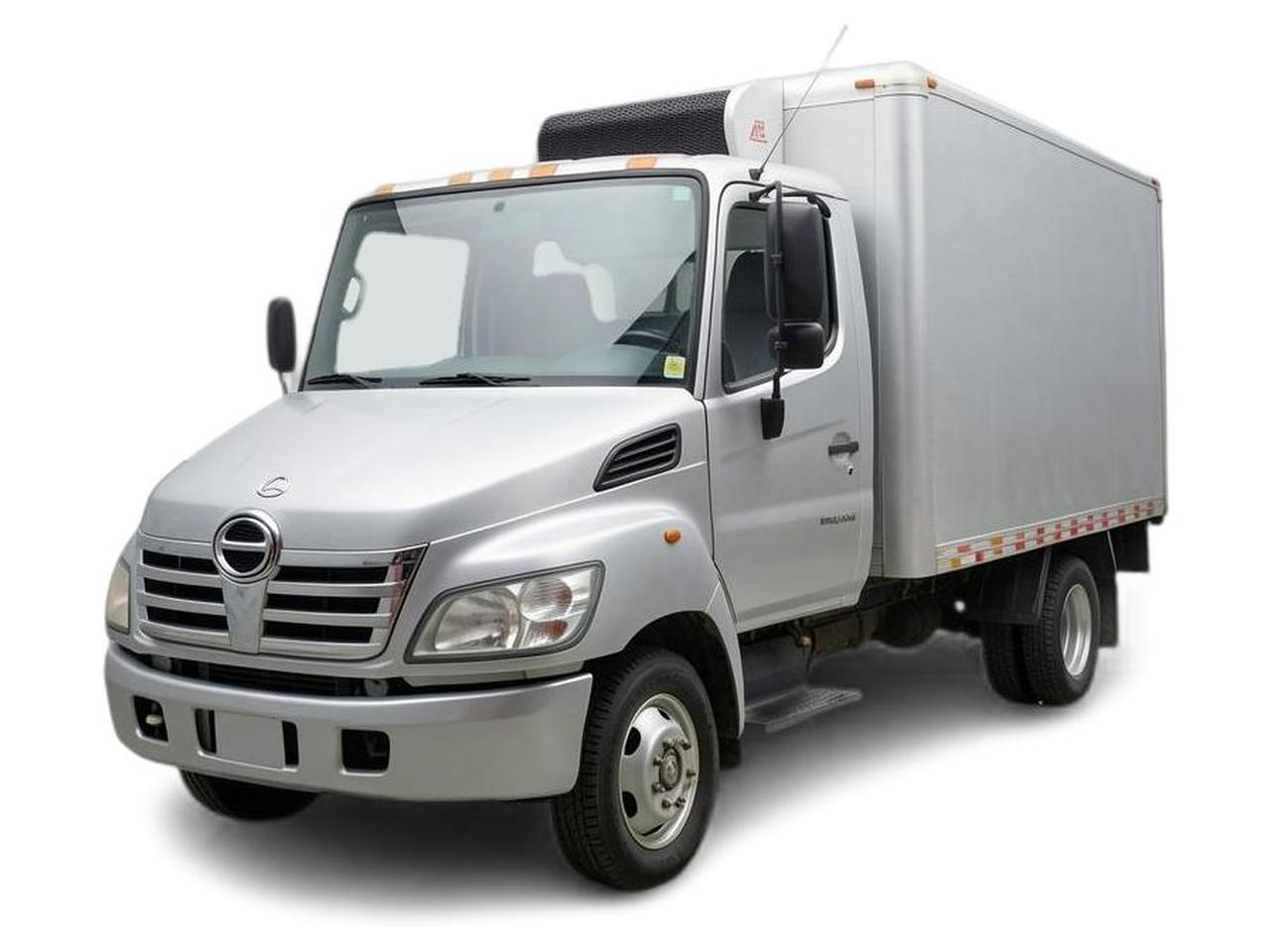
The 2006 Hino 238 is a Class 5 commercial truck, a segment known for its versatility in light-duty commercial applications. Produced by Hino Motors, a subsidiary of Toyota, the 238 is a popular choice for businesses requiring robust and dependable transportation. It primarily comes as a chassis cab, allowing for various body configurations. While specific trims aren't as distinct as in passenger cars, variations often depend on the chosen wheelbase and optional packages. Pricing for a used 2006 Hino 238 can range widely based on condition, mileage, and body type, typically from $15,000 to $30,000. Its popularity stems from its reputation for reliability and efficient operation, making it a sound investment for many small to medium-sized enterprises.
The Good
The 2006 Hino 238 excels in practical terms with its strong performance, legendary reliability, and fuel efficiency, offering peace of mind and lower operating costs. Emotionally, its robust build and dependable nature provide confidence for business owners, knowing their essential tool is built to last.
The Bad
Potential weaknesses for the 2006 Hino 238 include the possibility of diesel particulate filter issues if not maintained properly, and some owners report that the interior, while functional, lacks the modern amenities found in newer models. Rust on the frame can also be a concern in corrosive environments.
2006 Hino 238: Quick Overview
- Engine Options: The 2006 Hino 238 typically came equipped with a 5.1-liter Hino J05D-TC turbocharged diesel engine.
- Horsepower: This engine generally produced around 215 horsepower.
- Torque: Torque figures were substantial, usually in the range of 430 lb-ft, crucial for hauling and towing.
- Fuel Economy: Fuel economy for a commercial truck of this size is highly dependent on load, terrain, and driving style. Owners commonly report figures in the range of 10-14 miles per gallon (MPG).
- 0-60 Times: As a commercial vehicle designed for utility rather than speed, 0-60 mph times are not a primary specification and are generally not published or relevant. Performance is measured more by its ability to accelerate under load.
- Towing Capacity: The towing capacity of the Hino 238 is substantial, rated by Hino at up to 33,000 lbs Gross Combined Weight Rating (GCWR). This means it can tow trailers and equipment weighing significantly, depending on the body configuration and payload.
- Trim-Level Features: The 2006 Hino 238 was offered as a chassis cab, meaning the 'trim' is more about the optional equipment and wheelbase. Standard features typically included:
- Power steering
- Power brakes
- Tilt and telescopic steering wheel
- Air conditioning
- AM/FM radio
- Vinyl or cloth seating
- Standard safety features like airbags (driver and passenger), anti-lock brakes (ABS)
- Basic interior instrumentation for monitoring engine performance and diagnostics
2006 Hino 238 Specifications
Vehicle Information
| Year | 2006 |
| Make | Hino |
| Model | 238 |
| Trim | - |
| Style | - |
| Type | Truck |
| Category | - |
Manufacturing Details
| Made In | United States |
| Manufacturing City | LONG BEACH |
Dimensions
| Doors | - |
| Curb Weight | - |
| Gross Vehicle Weight Rating | 23000 pounds |
| Overall Height | - |
| Overall Length | - |
| Overall Width | - |
| Wheelbase Length | - |
| Standard Seating | - |
Engine & Performance
| Engine | 7.6L I6 |
| Engine Size | 7.6L |
| Engine Cylinders | 6 |
| Transmission | - |
| Transmission Type | - |
| Transmission Speeds | - |
| Drivetrain | - |
Additional Features
| Anti-Brake System | - |
| Steering Type | - |
Pricing
| Manufacturer Suggested Retail Price (MSRP) | - |
| Invoice Price | - |
| Delivery Charges | - |
Vehicle History Report
Vehicle
Specifications
Specifications
Ownership
History
History
All History
Events
Events
NMVTIS Title
History Check
History Check
Salvage/Rebuilt
Check
Check
Accident
Check
Check
Theft
Check
Check
Open Lien
Check
Check
Past Sale
Listings
Listings
Safety
Recalls
Recalls
Odometer
Check
Check
Market Price
Analysis
Analysis
What Problems Does the 2006 Hino 238 Have?
The 2006 Hino 238 is generally recognized for its robust build and long-term reliability, a testament to Hino's reputation as a commercial vehicle manufacturer. However, like any vehicle, it is not immune to issues, especially as it ages.
One area that sometimes requires attention is the diesel particulate filter (DPF) system. If the vehicle is primarily used for short, low-speed urban driving, the DPF may not get hot enough to regenerate effectively, leading to potential clogging. This can result in reduced performance, increased fuel consumption, and eventually, costly repairs. Regular highway driving or ensuring proper regeneration cycles can mitigate this.
Another point of concern, particularly for older trucks, is the potential for rust and corrosion, especially in regions where salt is used on roads during winter. The frame and body panels, if not regularly cleaned and protected, can succumb to rust, compromising structural integrity. Regular inspections and undercoating can help prevent this.
While specific widespread mechanical failures are not heavily documented for the 2006 model year, general wear and tear on components like the suspension, brakes, and exhaust system are expected with mileage. Owners should be vigilant about routine maintenance.
Recalls for commercial vehicles are often related to specific safety systems or manufacturing defects. For the 2006 Hino 238, it's advisable for potential buyers to check the National Highway Traffic Safety Administration (NHTSA) database for any outstanding recalls associated with the VIN. Generally, Hino trucks are known for their durable drivetrains and engines, with most issues being related to auxiliary systems or age-related wear rather than fundamental design flaws. Long-term reliability heavily depends on the quality of maintenance it has received throughout its life.
One area that sometimes requires attention is the diesel particulate filter (DPF) system. If the vehicle is primarily used for short, low-speed urban driving, the DPF may not get hot enough to regenerate effectively, leading to potential clogging. This can result in reduced performance, increased fuel consumption, and eventually, costly repairs. Regular highway driving or ensuring proper regeneration cycles can mitigate this.
Another point of concern, particularly for older trucks, is the potential for rust and corrosion, especially in regions where salt is used on roads during winter. The frame and body panels, if not regularly cleaned and protected, can succumb to rust, compromising structural integrity. Regular inspections and undercoating can help prevent this.
While specific widespread mechanical failures are not heavily documented for the 2006 model year, general wear and tear on components like the suspension, brakes, and exhaust system are expected with mileage. Owners should be vigilant about routine maintenance.
Recalls for commercial vehicles are often related to specific safety systems or manufacturing defects. For the 2006 Hino 238, it's advisable for potential buyers to check the National Highway Traffic Safety Administration (NHTSA) database for any outstanding recalls associated with the VIN. Generally, Hino trucks are known for their durable drivetrains and engines, with most issues being related to auxiliary systems or age-related wear rather than fundamental design flaws. Long-term reliability heavily depends on the quality of maintenance it has received throughout its life.
How long will the 2006 Hino 238 last?
Based on owner feedback and the inherent durability of Hino commercial trucks, the 2006 Hino 238 is capable of accumulating significant mileage, often exceeding 300,000 miles with proper and consistent maintenance. Many owners report their Hino 238s remaining in service for 15 to 20 years, if not longer. The long-term durability is a significant strong point, largely attributed to its robust diesel engine and chassis construction. However, weaknesses that can emerge over time include potential issues with the diesel particulate filter (DPF) if regeneration cycles are not managed, and the common vulnerability of any older vehicle to rust and corrosion, particularly in harsh climates. Regular servicing, fluid changes, and addressing minor issues promptly are key to maximizing its lifespan and preventing major, costly repairs down the line.
What Technology & Safety Features are Included?
The 2006 Hino 238, as a commercial truck from its era, prioritizes functionality and essential safety over advanced technological integration. Built-in tech and entertainment features are typically basic, reflecting its purpose as a work vehicle. Standard equipment usually includes an AM/FM radio, offering a simple audio playback solution. Climate control through an air conditioning and heating system is standard, designed for driver comfort during long working hours. Power windows and door locks are also common features, enhancing convenience.
Driver-assistance features are minimal to non-existent by today's standards. There are no sophisticated systems like adaptive cruise control, lane departure warnings, or blind-spot monitoring. The focus is on a clear line of sight and straightforward operation.
Safety features are primarily focused on passive and active safety mechanics. Standard safety equipment includes Anti-lock Braking System (ABS) for improved braking control, especially when loaded or on slippery surfaces. Airbags for the driver and front passenger are also standard. Seatbelts are, of course, a critical safety component. The robust construction of the Hino chassis itself contributes to its safety profile.
Optional features might have included upgraded radio systems with CD players, a more advanced instrument cluster with additional diagnostic readouts, or specialized lighting packages. Some vocational upfits could also include integrated cameras for backup assistance.
Crash-test ratings for commercial trucks like the 2006 Hino 238 are not typically published by organizations like the NHTSA or IIHS in the same way they are for passenger vehicles. The design and testing protocols for commercial trucks focus more on durability, load-bearing capabilities, and rollover resistance under operational conditions rather than occupant protection in scenarios relevant to passenger cars. The inherent heavier-duty construction of commercial vehicles generally provides a significant level of passive safety.
Driver-assistance features are minimal to non-existent by today's standards. There are no sophisticated systems like adaptive cruise control, lane departure warnings, or blind-spot monitoring. The focus is on a clear line of sight and straightforward operation.
Safety features are primarily focused on passive and active safety mechanics. Standard safety equipment includes Anti-lock Braking System (ABS) for improved braking control, especially when loaded or on slippery surfaces. Airbags for the driver and front passenger are also standard. Seatbelts are, of course, a critical safety component. The robust construction of the Hino chassis itself contributes to its safety profile.
Optional features might have included upgraded radio systems with CD players, a more advanced instrument cluster with additional diagnostic readouts, or specialized lighting packages. Some vocational upfits could also include integrated cameras for backup assistance.
Crash-test ratings for commercial trucks like the 2006 Hino 238 are not typically published by organizations like the NHTSA or IIHS in the same way they are for passenger vehicles. The design and testing protocols for commercial trucks focus more on durability, load-bearing capabilities, and rollover resistance under operational conditions rather than occupant protection in scenarios relevant to passenger cars. The inherent heavier-duty construction of commercial vehicles generally provides a significant level of passive safety.
What Colors Options are Available?
2006 Hino 238 Prices and Market Value
When new, the 2006 Hino 238, as a chassis cab, would have had a base price typically ranging from $50,000 to $70,000, depending on wheelbase, engine options, and manufacturer-installed options. This price point reflected its commercial-grade build and capabilities.
Currently, the used market prices for a 2006 Hino 238 vary significantly. A well-maintained unit with moderate mileage can range from $15,000 to $30,000, but exceptionally clean or specialized configurations could command higher prices. Conversely, higher mileage or units requiring significant work might be found for under $10,000.
The depreciation curve for commercial trucks like the Hino 238 is generally less steep than for passenger cars, especially if the truck has been well-maintained and is still capable of performing its intended work. Key factors affecting resale value include mileage, overall condition, the presence of rust, maintenance records, and the type of body or upfit installed. Trucks that have been used in less demanding environments or have undergone regular professional maintenance tend to hold their value better.
Currently, the used market prices for a 2006 Hino 238 vary significantly. A well-maintained unit with moderate mileage can range from $15,000 to $30,000, but exceptionally clean or specialized configurations could command higher prices. Conversely, higher mileage or units requiring significant work might be found for under $10,000.
The depreciation curve for commercial trucks like the Hino 238 is generally less steep than for passenger cars, especially if the truck has been well-maintained and is still capable of performing its intended work. Key factors affecting resale value include mileage, overall condition, the presence of rust, maintenance records, and the type of body or upfit installed. Trucks that have been used in less demanding environments or have undergone regular professional maintenance tend to hold their value better.
2006 Hino 238 Cost of Ownership
Owning a 2006 Hino 238 involves specific cost considerations. Insurance premiums will be higher than for a passenger car, reflecting its commercial use and value, typically ranging from $800-$2000 annually depending on coverage and usage. Fuel costs are significant due to its diesel engine, with MPG around 10-14, so budgeting for fuel is essential. Maintenance is crucial; expect costs for routine services like oil changes, filters, and inspections. Repairs on diesel engines and commercial components can be more expensive than for light-duty vehicles. Overall, while its initial purchase price and operational costs might seem high, its long-term durability and fuel efficiency for its class make it economical for businesses that rely on it, offering good value over its extended service life compared to frequent replacement.
2006 Hino 238 Fuel Efficiency
Fuel Type
Diesel
Fuel Capacity
-
City Mileage
-
Highway Mileage
-
2006 Hino 238 Warranty
Basic
Original warranty
0 months / No data
Estimated remaining
Expired
Powertrain
Original warranty
0 months / No data
Estimated remaining
Expired
Rust
Original warranty
0 months / No data
Estimated remaining
Expired
2006 Hino 238 Insurance
Insurance for a 2006 Hino 238 is moderately priced, reflecting its status as a Truck with strong safety ratings and
reasonable repair costs.
How Does the 2006 Hino 238 Compare to Other Truck?
The 2006 Hino 238 competes in the Class 5 commercial truck segment, facing rivals such as the Isuzu NPR-HD, Freightliner M2 106, and potentially models from Mitsubishi Fuso.
Performance: The Hino 238's 215-hp diesel engine offers competitive torque for its class, providing strong pulling power essential for vocational tasks. Its performance is generally on par with similar diesel-powered competitors like the Isuzu NPR-HD, which often offers comparable horsepower and torque figures. Freightliner's M2 106, being a more robust platform, might offer more powerful engine options but at a higher price point.
Features: In 2006, interior features across this class were fairly utilitarian. The Hino 238 provided essential comfort and functionality with AC, power steering, and ABS. Competitors like the Isuzu offered similar base features, with options for more advanced telematics or creature comforts becoming available as you moved up in spec or model year. The M2 106, being a larger truck, might have offered a wider array of options for creature comforts and advanced driver aids.
Reliability: Hino is renowned for its strong reliability, a characteristic shared with Isuzu in the commercial truck market. Both are known for their durable diesel powertrains and robust chassis. Freightliner, while a major player, has a broader range of reliability perceptions across its models; however, the M2 line is generally considered dependable. Long-term, Hino trucks often boast impressive longevity with proper maintenance, matching or exceeding Isuzu in many owner satisfaction surveys.
Price: The Hino 238 typically offered a strong value proposition, often being priced competitively against the Isuzu NPR-HD. The Freightliner M2 106, due to its more substantial build and broader capabilities, was usually priced higher.
Alternatives: For a similar capability and reliability, the Isuzu NPR-HD is a very close alternative, offering comparable performance and durability. If slightly more capacity or a more premium feel is desired and budget allows, the Freightliner M2 106 is a strong contender, though often more expensive. For those prioritizing fuel efficiency and a slightly lighter-duty build, a top-tier Class 4 truck from these manufacturers might also be considered, though they would likely offer less raw power for heavy hauling. Ultimately, the choice often comes down to specific vocational needs, dealer support, and prevailing market prices.
Performance: The Hino 238's 215-hp diesel engine offers competitive torque for its class, providing strong pulling power essential for vocational tasks. Its performance is generally on par with similar diesel-powered competitors like the Isuzu NPR-HD, which often offers comparable horsepower and torque figures. Freightliner's M2 106, being a more robust platform, might offer more powerful engine options but at a higher price point.
Features: In 2006, interior features across this class were fairly utilitarian. The Hino 238 provided essential comfort and functionality with AC, power steering, and ABS. Competitors like the Isuzu offered similar base features, with options for more advanced telematics or creature comforts becoming available as you moved up in spec or model year. The M2 106, being a larger truck, might have offered a wider array of options for creature comforts and advanced driver aids.
Reliability: Hino is renowned for its strong reliability, a characteristic shared with Isuzu in the commercial truck market. Both are known for their durable diesel powertrains and robust chassis. Freightliner, while a major player, has a broader range of reliability perceptions across its models; however, the M2 line is generally considered dependable. Long-term, Hino trucks often boast impressive longevity with proper maintenance, matching or exceeding Isuzu in many owner satisfaction surveys.
Price: The Hino 238 typically offered a strong value proposition, often being priced competitively against the Isuzu NPR-HD. The Freightliner M2 106, due to its more substantial build and broader capabilities, was usually priced higher.
Alternatives: For a similar capability and reliability, the Isuzu NPR-HD is a very close alternative, offering comparable performance and durability. If slightly more capacity or a more premium feel is desired and budget allows, the Freightliner M2 106 is a strong contender, though often more expensive. For those prioritizing fuel efficiency and a slightly lighter-duty build, a top-tier Class 4 truck from these manufacturers might also be considered, though they would likely offer less raw power for heavy hauling. Ultimately, the choice often comes down to specific vocational needs, dealer support, and prevailing market prices.
Final Verdict: Is the 2006 Hino 238 a Good Truck?
The 2006 Hino 238 is an excellent choice for small to medium-sized businesses, tradespeople, and municipalities needing a dependable, versatile medium-duty truck for various applications like delivery, hauling, or specialized vocational use (e.g., utility, light towing). It's particularly suited for buyers who prioritize long-term reliability and robust build quality over cutting-edge technology or luxury.
It is definitely worth buying, especially in the used market, provided it has been well-maintained. For a business on a budget, a used 2006 Hino 238 represents significant value, offering years of reliable service. When purchasing, scrutinize maintenance records, check for rust, and ideally have a mechanic specializing in diesel trucks inspect it. Opting for a model with a straightforward chassis cab allows for custom vocational body installation, maximizing its utility. It is a sound investment for pragmatic operators who understand that quality and durability often trump fleeting trends.
