
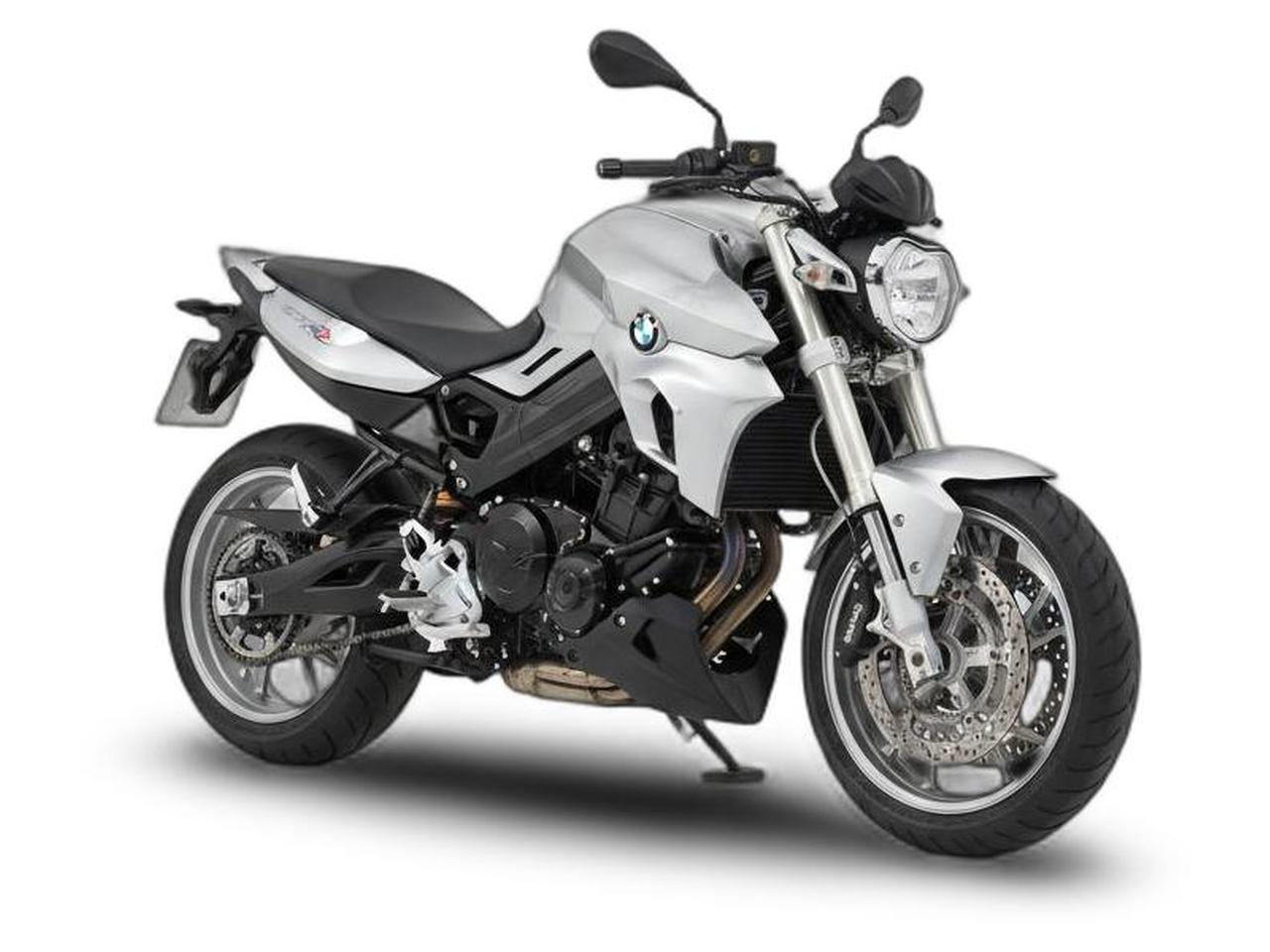
The Good
The 2010 BMW F800R offers an engaging riding experience with its peppy engine and nimble chassis. Its reliability is a strong point for BMW, and its comfortable ergonomics make it suitable for longer rides. The distinctive, modern design appeals to style-conscious riders, while its fuel efficiency appeals to practical buyers.
The Bad
Some 2010 BMW F800R owners have reported issues with the fuel pump, clutch slave cylinder, and occasional electrical gremlins. Suspension can feel a bit basic for aggressive riding, and some may find the stock seat lacking long-distance comfort. Keep an eye on the coolant reservoir for potential leaks.
2010 BMW F800R: Quick Overview
- Engine: 798cc liquid-cooled parallel-twin
- Horsepower: Approximately 85 hp at 8,000 rpm
- Torque: Approximately 62 lb-ft at 6,000 rpm
- Fuel Economy: Estimated around 50-60 MPG, depending on riding style and conditions. This translates to a theoretical range of over 200 miles on a full tank.
- 0-60 mph: Approximately 3.5 - 4.0 seconds. The responsive engine allows for brisk acceleration, making it fun for quick overtakes.
- Towing Capacity: Not applicable. This is a motorcycle designed for solo or passenger riding, not for towing trailers.
- Transmission: 6-speed constant mesh
- Brakes: Dual front disc brakes with ABS (often standard or optional depending on region), single rear disc brake.
- Suspension: Front: 43mm telescopic fork. Rear: BMW Motorrad Paralever single-sided swingarm with adjustable pre-load and rebound damping.
- Wheelbase: Approximately 59.3 inches
- Seat Height: Approximately 30.3 inches (adjustable on some models or with optional seats)
- Weight: Approximately 445 lbs (wet)
- Fuel Tank Capacity: Approximately 4.0 gallons
- Trim-Level Features (Common for 2010):
- Standard ABS (Anti-lock Braking System)
- On-board computer (displaying fuel consumption, range, etc.)
- Adjustable handlebars
- Digital instrument cluster
- Optional features could include heated grips, a center stand, a taller windscreen, saddlebag mounts, and different seat options for enhanced comfort. The F800R was typically offered in a single main configuration, with customization through BMW's extensive accessory catalog being a key aspect.
2010 BMW F800R Specifications
Vehicle Information
| Year | 2010 |
| Make | BMW |
| Model | F800R |
| Trim | - |
| Style | - |
| Type | - |
| Category | - |
Manufacturing Details
| Made In | Germany |
| Manufacturing City | - |
Dimensions
| Doors | - |
| Curb Weight | - |
| Gross Vehicle Weight Rating | - |
| Overall Height | - |
| Overall Length | - |
| Overall Width | - |
| Wheelbase Length | - |
| Standard Seating | - |
Engine & Performance
| Engine | - |
| Engine Size | - |
| Engine Cylinders | - |
| Transmission | - |
| Transmission Type | - |
| Transmission Speeds | - |
| Drivetrain | - |
Additional Features
| Anti-Brake System | - |
| Steering Type | - |
Pricing
| Manufacturer Suggested Retail Price (MSRP) | - |
| Invoice Price | - |
| Delivery Charges | - |
Vehicle History Report
Specifications
History
Events
History Check
Check
Check
Check
Check
Listings
Recalls
Check
Analysis
What Problems Does the 2010 BMW F800R Have?
Another area of concern is the clutch slave cylinder. Reports indicate that these can sometimes leak or fail, affecting clutch operation. Regular inspection of the clutch system for leaks is advisable.
Electrical issues, though not widespread, have been noted by a small percentage of owners. This can manifest as intermittent problems with lights, indicators, or the dashboard display. These can be tricky to diagnose and fix, often requiring specialized BMW diagnostic tools.
The suspension, while functional, is often described as a bit basic, especially for riders who plan on more aggressive riding or carrying a passenger over longer distances. Upgrades to aftermarket suspension components are a common modification to address this.
Regarding recalls, it's always essential to check with BMW Motorrad or the NHTSA database for any outstanding recalls specific to the 2010 model year. However, general long-term reliability is good, provided regular maintenance is performed. The parallel-twin engine is known for its durability when properly cared for. Owners who consistently perform oil changes, check fluid levels, and address minor issues promptly tend to have fewer problems. The cooling system, particularly the coolant reservoir, has also been cited for occasional leaks, so checking for coolant loss is a good preventative measure. While these issues exist, they are not universal, and many 2010 F800R models have provided years of trouble-free service with diligent maintenance.
How long will the 2010 BMW F800R last?
What Technology & Safety Features are Included?
Built-in Tech:
The core technology feature is the comprehensive digital instrument cluster. This display provides riders with crucial information including:
- Speedometer
- Tachometer
- Gear position indicator
- Fuel gauge
- Odometer and trip meters
- Coolant temperature
- Clock
- On-board computer functions (average fuel consumption, current fuel consumption, estimated range to empty, average speed, etc.)
Entertainment:
There is no integrated entertainment system like radios or Bluetooth connectivity found on this model. Riders typically use aftermarket solutions like helmet communicators for music or calls.
Driver-Assistance Features:
The primary driver-assistance feature is the available ABS (Anti-lock Braking System). For 2010, ABS was often a standard or a very popular optional feature depending on the market and specific package. This significantly enhances safety by preventing wheel lock-up during hard braking, particularly on slippery surfaces.
Safety Features:
Beyond ABS, the F800R's safety is inherent in its design: a strong steel trellis frame, a single-sided swingarm for stability, and effective disc brakes. The headlight and taillight provide good visibility. The ergonomics are designed to promote a comfortable and controlled riding posture, reducing rider fatigue on longer journeys, which indirectly contributes to safety.
Optional Features:
Owners could further enhance their F800R with accessories such as heated grips for comfort in cooler weather, a center stand for easier maintenance and parking, and various windscreen options to improve wind protection.
Crash-Test Ratings:
Motorcycles, unlike cars, are not subjected to standardized crash-test ratings by organizations like NHTSA or Euro NCAP. Safety evaluations for motorcycles are primarily based on their engineering, braking performance, handling, and the effectiveness of safety features like ABS. The F800R is generally well-regarded for its stable chassis and predictable handling, contributing to its overall safety profile.
What Colors Options are Available?
2010 BMW F800R Prices and Market Value
Currently, the used market price for a 2010 BMW F800R generally falls between $4,000 and $6,000. This price can vary significantly based on mileage, overall condition, maintenance history, and the presence of desirable factory or aftermarket upgrades.
Depreciation has been steady for this model; it lost a significant portion of its value in the first few years, as is common with most motorcycles. However, BMW's reputation for quality and the F800R's appealing characteristics mean it holds its value relatively well compared to some competitors. Factors positively affecting resale value include low mileage, a documented full service history, clean cosmetics, the inclusion of factory ABS, and popular BMW accessories like luggage systems or upgraded exhausts. Conversely, high mileage, visible damage, or a lack of service records will decrease its desirability and price.
2010 BMW F800R Cost of Ownership
Insurance: Costs vary greatly by rider profile, location, and coverage, but expect rates comparable to other mid-weight sportbikes.
Fuel: Its excellent fuel economy (50-60 MPG) makes it very economical to run, with a full tank providing a good range.
Maintenance & Repairs: Routine maintenance (oil changes, chain adjustments) is standard motorcycle fare. However, parts and labor from BMW dealerships can be more expensive than independent shops. Potential issues like fuel pump or clutch slave cylinder replacements can add to repair costs.
Overall, while not the cheapest to maintain, its efficiency and reasonable purchase price make it a cost-effective choice for spirited riding.
2010 BMW F800R Fuel Efficiency
2010 BMW F800R Warranty
Basic
Powertrain
Rust
2010 BMW F800R Insurance
reasonable repair costs.
How Does the 2010 BMW F800R Compare to Other Vehicle?
Performance: The F800R's 85 hp parallel-twin engine offers a smooth, torquey delivery that is accessible and fun for everyday riding and spirited backroad carving. It's generally a bit less potent than the more aggressive triple or inline-four competitors. The Triumph Street Triple, in particular, is often lauded for its thrilling engine character and sharp performance.
Features: BMW typically equips its bikes well, and the F800R usually comes standard with ABS, a solid instrument cluster, and good build quality. Optional features like heated grips and an onboard computer add to its practicality. Competitors might offer more advanced electronics or slightly more premium suspension components as standard in some trims. For example, the Yamaha FZ8 offered a more powerful inline-four engine.
Reliability: BMW has a reputation for solid engineering, and the F800R is generally reliable with proper maintenance. However, as noted, it has a few specific recurring issues (fuel pump, clutch slave). The Japanese competitors, like Yamaha and Kawasaki, often have a reputation for bulletproof reliability and lower long-term repair costs, though this can vary by specific model.
Price: The 2010 F800R offered a premium feel and brand cachet for its price range when new. Used, it sits competitively. Rivals like the Yamaha FZ8 or Kawasaki Z750 might be found slightly cheaper, offering more raw power for the money. The Triumph Street Triple, particularly a well-maintained one, might hold its value slightly better and command a similar or higher used price due to its strong enthusiast following.
Alternatives:
- Similar: 2010 Triumph Street Triple 675 (more spirited engine, sharper handling), 2010 Yamaha FZ8 (more power from inline-four, excellent value).
- Consider if: you prioritize brand prestige and accessible, refined performance, the F800R is a great choice. If raw power or ultimate reliability are top priorities, the Yamaha FZ8 or Kawasaki Z750 might be more appealing. If a more hooligan-like, aggressive ride is desired, the Street Triple is a top contender.
Final Verdict: Is the 2010 BMW F800R a Good Vehicle?
It is definitely worth buying, especially on the used market where it offers strong value. Prioritize models with lower mileage and a documented service history. If possible, look for examples with ABS, as this is a significant safety enhancement. While not the most powerful in its class, its refined nature, distinctive styling, and overall competence make it a compelling package. Buying used from a reputable seller is key to getting the best experience. Avoid units with signs of neglect or excessive wear, and factor in potential maintenance for known issues like the fuel pump if purchasing an older, high-mileage example.

Eugene S
Eugene is an automotive enthusiast with over 15 years of experience in the used car market. As a writer at VINCheck.info, he brings deep industry insight and a passion for cars, helping readers make smart, informed decisions. Eugene has written hundreds of used car reviews and is known for breaking down complex automotive topics into clear, actionable advice. Over the years, he has driven and worked on a wide range of vehicles—starting with tuning street cars in his early days and eventually focusing on performance upgrades and reliability improvements. Today, he specializes in evaluating used vehicles through the lens of real-world ownership and enthusiast needs. A longtime fan of Porsche, Eugene especially appreciates vehicles that blend durability with driving enjoyment.