
2025 Kawasaki KLX Overview, Reviews, Ratings & Specs
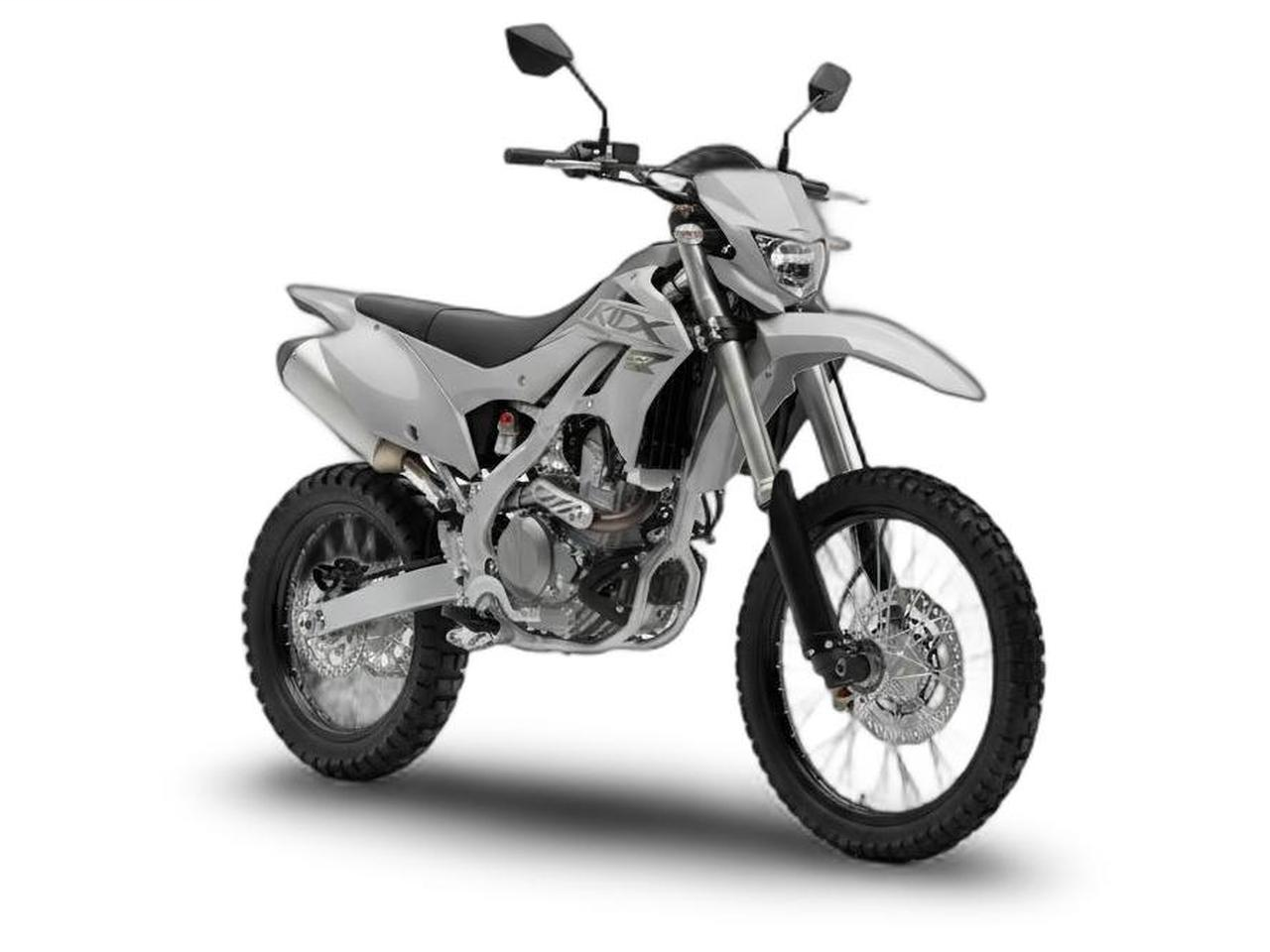
The 2025 Kawasaki KLX is a line of dual-sport motorcycles with a rich history dating back decades, known for their versatility. Primarily offered in off-road-focused and street-legal configurations, key trims often include the KLX230 and KLX300 variants. Pricing typically ranges from approximately $5,000 to $6,000. Its popularity stems from its approachable nature, capable off-road performance, and the ability to tackle both trails and city streets with ease, making it a favorite for adventure seekers and commuters alike.
The Good
The 2025 Kawasaki KLX excels in its accessible performance, legendary Kawasaki reliability, and comfortable riding position. Its rugged yet stylish design inspires adventure, while its fuel efficiency appeals to practical buyers. This blend of capability and affordability offers exceptional value, promising exhilarating rides and dependable journeys.
The Bad
Potential owners of the 2025 Kawasaki KLX should be aware that while robust, some models might exhibit slightly less refinement on pavement compared to dedicated street bikes. Suspension can feel firm for heavier riders on rough terrain, and the power delivery, while predictable, isn't class-leading in terms of raw acceleration.
2025 Kawasaki KLX: Quick Overview
- Engine Options: The 2025 Kawasaki KLX typically features a range of single-cylinder, four-stroke engines. Common options include the 233cc engine in the KLX230 and the 292cc engine in the KLX300. These are air-cooled or liquid-cooled, depending on the specific trim and model year.
- Horsepower: Horsepower figures vary by engine size. The KLX230 generally produces around 18-19 horsepower, while the KLX300 can offer approximately 25-28 horsepower. These figures are optimized for trail riding and low-end torque rather than high-speed performance.
- Fuel Economy: Fuel economy is a strong point for the KLX line. Owners can expect to achieve figures in the range of 50-65 miles per gallon (MPG), depending on engine size, riding conditions, and throttle application. This makes it an economical choice for daily commuting and extended adventures.
- 0-60 Times: 0-60 MPH times are not a primary focus for the KLX models, as they are designed more for off-road capability and manageable acceleration. Estimates place these times in the range of 8-12 seconds, depending on the specific model and rider.
- Towing Capacity: As a motorcycle, the 2025 Kawasaki KLX does not have a towing capacity in the automotive sense. It is not designed to tow trailers.
- Trim-Level Features:
KLX230/KLX230S: Often features a more accessible seat height, slightly softer suspension for comfort, ABS (on some variants), and is geared towards beginner-friendly trail riding and light street use. Features include digital instrumentation, rugged spoke wheels, and durable bodywork.
KLX300/KLX300SM: Boasts a more powerful engine, longer-travel suspension for enhanced off-road capability, more aggressive styling, and often features include adjustable suspension, LED lighting, slipper clutch (on some models), and different wheel configurations (spoke for off-road, cast for supermoto variants).
2025 Kawasaki KLX Specifications
Vehicle Information
| Year | 2025 |
| Make | Kawasaki |
| Model | KLX |
| Trim | - |
| Style | - |
| Type | - |
| Category | - |
Manufacturing Details
| Made In | - |
| Manufacturing City | - |
Dimensions
| Doors | - |
| Curb Weight | - |
| Gross Vehicle Weight Rating | - |
| Overall Height | - |
| Overall Length | - |
| Overall Width | - |
| Wheelbase Length | - |
| Standard Seating | - |
Engine & Performance
| Engine | - |
| Engine Size | - |
| Engine Cylinders | - |
| Transmission | - |
| Transmission Type | - |
| Transmission Speeds | - |
| Drivetrain | - |
Additional Features
| Anti-Brake System | - |
| Steering Type | - |
Pricing
| Manufacturer Suggested Retail Price (MSRP) | - |
| Invoice Price | - |
| Delivery Charges | - |
Vehicle History Report
Vehicle
Specifications
Specifications
Ownership
History
History
All History
Events
Events
NMVTIS Title
History Check
History Check
Salvage/Rebuilt
Check
Check
Accident
Check
Check
Theft
Check
Check
Open Lien
Check
Check
Past Sale
Listings
Listings
Safety
Recalls
Recalls
Odometer
Check
Check
Market Price
Analysis
Analysis
What Problems Does the 2025 Kawasaki KLX Have?
While the Kawasaki KLX line is generally regarded for its robust engineering and long-term reliability, like any vehicle, some recurring points are noted by owners. For the 2025 model year, specific widely reported major mechanical failures are uncommon. However, as is typical with dual-sport motorcycles, some owners might encounter minor issues related to vibration at higher RPMs, particularly on the smaller displacement models, which can lead to occasional loosening of bolts or fairing components over time if not checked periodically. Another area sometimes mentioned is the stock exhaust note, which some riders find a bit subdued, leading to aftermarket exhaust system upgrades.
Historically, across various KLX model years, very few significant recalls have been issued, a testament to Kawasaki's quality control. When recalls have occurred, they have typically been for minor issues, such as a potential problem with a specific component in the braking system or fuel delivery, always addressed promptly by dealerships. Long-term reliability is usually excellent, provided regular maintenance is performed as per the owner's manual. This includes oil changes, chain lubrication and adjustment, and air filter cleaning. The engines are known for their durability, often reaching well over 50,000 miles with proper care.
Specific to newer generations, like the 2025 models, the focus is on refining the existing platform. Early reports do not highlight any systemic problems that would raise concerns about long-term durability. Issues that do arise are often minor cosmetic wear from off-road use or adjustments needed for personal preference, rather than inherent design flaws. Owners who frequently engage in demanding off-road riding may experience faster wear on tires, brakes, and suspension components, but this is typical for the riding style rather than a fault of the bike itself. Overall, the 2025 Kawasaki KLX is expected to continue the brand's reputation for dependable and long-lasting performance.
Historically, across various KLX model years, very few significant recalls have been issued, a testament to Kawasaki's quality control. When recalls have occurred, they have typically been for minor issues, such as a potential problem with a specific component in the braking system or fuel delivery, always addressed promptly by dealerships. Long-term reliability is usually excellent, provided regular maintenance is performed as per the owner's manual. This includes oil changes, chain lubrication and adjustment, and air filter cleaning. The engines are known for their durability, often reaching well over 50,000 miles with proper care.
Specific to newer generations, like the 2025 models, the focus is on refining the existing platform. Early reports do not highlight any systemic problems that would raise concerns about long-term durability. Issues that do arise are often minor cosmetic wear from off-road use or adjustments needed for personal preference, rather than inherent design flaws. Owners who frequently engage in demanding off-road riding may experience faster wear on tires, brakes, and suspension components, but this is typical for the riding style rather than a fault of the bike itself. Overall, the 2025 Kawasaki KLX is expected to continue the brand's reputation for dependable and long-lasting performance.
How long will the 2025 Kawasaki KLX last?
Based on owner data and typical maintenance habits, the 2025 Kawasaki KLX is expected to offer a long service life, with many units reliably exceeding 50,000 miles. With diligent adherence to the recommended maintenance schedule, including regular oil changes, chain lubrication, and filter cleaning, these motorcycles can easily last for 10 to 15 years or more. The inherent durability of Kawasaki's engine design is a significant factor. Weaknesses that may appear over extended use are typically related to wear-and-tear items like brake pads, tires, and chain/sprockets, which are consumables for any motorcycle. More significantly, components like suspension seals or wheel bearings might require attention after 30,000-40,000 miles, especially if subjected to harsh off-road conditions. Overall, the KLX is built to endure, with its primary vulnerabilities being standard mechanical wear rather than inherent design flaws.
What Technology & Safety Features are Included?
The 2025 Kawasaki KLX focuses on practical functionality rather than extensive tech suites, aligning with its dual-sport nature. Built-in technology is straightforward and reliable. Standard features typically include a digital LCD instrument cluster that displays essential information such as speed, RPM, fuel level, odometer, trip meters, and gear position. This display is designed for clarity in various lighting conditions. For entertainment, there are no integrated audio systems or connectivity features like Bluetooth or Apple CarPlay, which is typical for this class of motorcycle where rider focus is paramount and weight is a consideration.
Driver-assistance features are generally absent, as the KLX is not an automobile. However, some street-legal variants may come equipped with Anti-lock Braking System (ABS) as a standard or optional safety feature. ABS is a crucial safety aid, preventing wheel lock-up during hard braking, thereby enhancing stability and reducing the risk of skidding, especially on mixed or slippery surfaces. This system significantly contributes to rider confidence and safety.
Safety features beyond ABS are centered around the bike's inherent design: durable frame construction, effective suspension for maintaining tire contact with the ground, and responsive braking components. Lighting is typically provided by bright, efficient halogen or LED headlights and taillights for visibility.
Optional features can vary by trim level and region but might include accessories like handguards for increased protection from debris and weather, engine guards for off-road durability, and different luggage solutions for adventure touring.
Crash-test ratings are not applicable to motorcycles in the same way they are for cars, as regulatory bodies do not conduct standardized crash tests. The safety of a motorcycle is primarily assessed by its design, handling characteristics, and the effectiveness of its safety features like ABS and lighting. Kawasaki designs the KLX series with rider safety and control as primary considerations.
Driver-assistance features are generally absent, as the KLX is not an automobile. However, some street-legal variants may come equipped with Anti-lock Braking System (ABS) as a standard or optional safety feature. ABS is a crucial safety aid, preventing wheel lock-up during hard braking, thereby enhancing stability and reducing the risk of skidding, especially on mixed or slippery surfaces. This system significantly contributes to rider confidence and safety.
Safety features beyond ABS are centered around the bike's inherent design: durable frame construction, effective suspension for maintaining tire contact with the ground, and responsive braking components. Lighting is typically provided by bright, efficient halogen or LED headlights and taillights for visibility.
Optional features can vary by trim level and region but might include accessories like handguards for increased protection from debris and weather, engine guards for off-road durability, and different luggage solutions for adventure touring.
Crash-test ratings are not applicable to motorcycles in the same way they are for cars, as regulatory bodies do not conduct standardized crash tests. The safety of a motorcycle is primarily assessed by its design, handling characteristics, and the effectiveness of its safety features like ABS and lighting. Kawasaki designs the KLX series with rider safety and control as primary considerations.
What Colors Options are Available?
2025 Kawasaki KLX Prices and Market Value
When new, the 2025 Kawasaki KLX models typically ranged from approximately $5,000 for the entry-level KLX230 variants to around $6,000 for the more equipped KLX300 models. Current used market prices can vary significantly based on mileage, condition, trim level, and location, but expect to find them generally in the $3,500 to $5,000 range. The KLX line experiences moderate depreciation, a common trend for reliable, entry-to-mid-level dual-sport motorcycles. Key factors affecting resale value include maintaining a consistent service history, keeping the vehicle in excellent cosmetic condition, and the presence of desirable optional accessories. Models with lower mileage and fewer signs of aggressive off-road use tend to hold their value better. Kawasaki's reputation for reliability also supports strong resale values compared to some competitors.
2025 Kawasaki KLX Cost of Ownership
The 2025 Kawasaki KLX is generally an economical vehicle to own. Insurance costs are typically moderate, falling below those for sportbikes or larger touring motorcycles, due to its lower power output and intended use. Fuel costs are minimal, thanks to its excellent fuel efficiency, often achieving 50-65 MPG. Routine maintenance, including oil changes and chain care, is straightforward and relatively inexpensive. Repair costs are also generally manageable, with parts being readily available and mechanical systems being less complex than on high-performance machines. Overall, the KLX offers a low cost of ownership, making it an attractive option for budget-conscious riders who seek adventure without breaking the bank.
2025 Kawasaki KLX Fuel Efficiency
Fuel Type
-
Fuel Capacity
-
City Mileage
-
Highway Mileage
-
2025 Kawasaki KLX Insurance
Insurance for a 2025 Kawasaki KLX is moderately priced, reflecting its status as a Vehicle with strong safety ratings and
reasonable repair costs.
How Does the 2025 Kawasaki KLX Compare to Other Vehicle?
The 2025 Kawasaki KLX competes in the highly contested entry-to-mid-level dual-sport segment. Key rivals include the Honda CRF300L/Rally, Yamaha WR250R (though often older models as the new generation is less common), and potentially the Suzuki DR-Z400S.
Performance: In terms of outright performance, the KLX300 often sits slightly below the WR250R in terms of peak horsepower but is generally competitive with the CRF300L. Its strength lies in its balanced power delivery, making it predictable and manageable for both trail and road. The DR-Z400S offers more power and torque but is heavier and less nimble.
Features: Feature-wise, the KLX is typically well-equipped for its price point. It offers a modern digital dash and available ABS, similar to the CRF300L. The WR250R historically featured more advanced suspension components but is often found at a higher used price point. The DR-Z400S is generally more basic in its tech offerings.
Reliability: Kawasaki has a strong reputation for reliability, and the KLX line upholds this. Honda's CRF series is also renowned for its bulletproof durability. Yamaha's WR series is equally dependable. Suzuki's DR-Z400S is legendary for its ruggedness and longevity. In this aspect, all are strong contenders, but Kawasaki's consistent quality makes it a safe bet.
Price: The KLX typically offers excellent value for money, often undercutting comparable Yamaha models and being very competitive with Honda and Suzuki.
Recommendations:
For a budget-conscious rider seeking a capable and reliable all-rounder, the 2025 Kawasaki KLX is an excellent choice. If more aggressive off-road capability and advanced suspension are paramount, and budget is less of a concern, an older Yamaha WR250R might be considered, though availability and maintenance costs could be higher. For riders prioritizing extreme simplicity and proven longevity, the Suzuki DR-Z400S remains a solid, albeit heavier, option. However, for a balanced blend of on-road manners, off-road prowess, modern features, and affordability, the 2025 Kawasaki KLX stands as a highly recommended alternative in its class.
Performance: In terms of outright performance, the KLX300 often sits slightly below the WR250R in terms of peak horsepower but is generally competitive with the CRF300L. Its strength lies in its balanced power delivery, making it predictable and manageable for both trail and road. The DR-Z400S offers more power and torque but is heavier and less nimble.
Features: Feature-wise, the KLX is typically well-equipped for its price point. It offers a modern digital dash and available ABS, similar to the CRF300L. The WR250R historically featured more advanced suspension components but is often found at a higher used price point. The DR-Z400S is generally more basic in its tech offerings.
Reliability: Kawasaki has a strong reputation for reliability, and the KLX line upholds this. Honda's CRF series is also renowned for its bulletproof durability. Yamaha's WR series is equally dependable. Suzuki's DR-Z400S is legendary for its ruggedness and longevity. In this aspect, all are strong contenders, but Kawasaki's consistent quality makes it a safe bet.
Price: The KLX typically offers excellent value for money, often undercutting comparable Yamaha models and being very competitive with Honda and Suzuki.
Recommendations:
For a budget-conscious rider seeking a capable and reliable all-rounder, the 2025 Kawasaki KLX is an excellent choice. If more aggressive off-road capability and advanced suspension are paramount, and budget is less of a concern, an older Yamaha WR250R might be considered, though availability and maintenance costs could be higher. For riders prioritizing extreme simplicity and proven longevity, the Suzuki DR-Z400S remains a solid, albeit heavier, option. However, for a balanced blend of on-road manners, off-road prowess, modern features, and affordability, the 2025 Kawasaki KLX stands as a highly recommended alternative in its class.
Final Verdict: Is the 2025 Kawasaki KLX a Good Vehicle?
The 2025 Kawasaki KLX is ideally suited for beginner to intermediate riders looking for a versatile dual-sport motorcycle. It's perfect for those who want to explore light trails, navigate unpaved roads, and commute through urban environments without the need for specialized equipment. Its approachable nature, combined with genuine off-road capability and dependable Kawasaki engineering, makes it a highly worthwhile purchase.
It is worth buying both new and used, with used models offering significant savings while still providing reliable performance. Specific trims like the KLX300 offer a bit more power and suspension travel for those who plan on more frequent or demanding off-road excursions, while the KLX230 is an excellent, more affordable option for primarily street use with occasional trail forays. For its price point and versatility, the 2025 KLX represents a fantastic value for anyone seeking adventure on two wheels.
