
2025 Hino L6-24 Overview, Reviews, Ratings & Specs
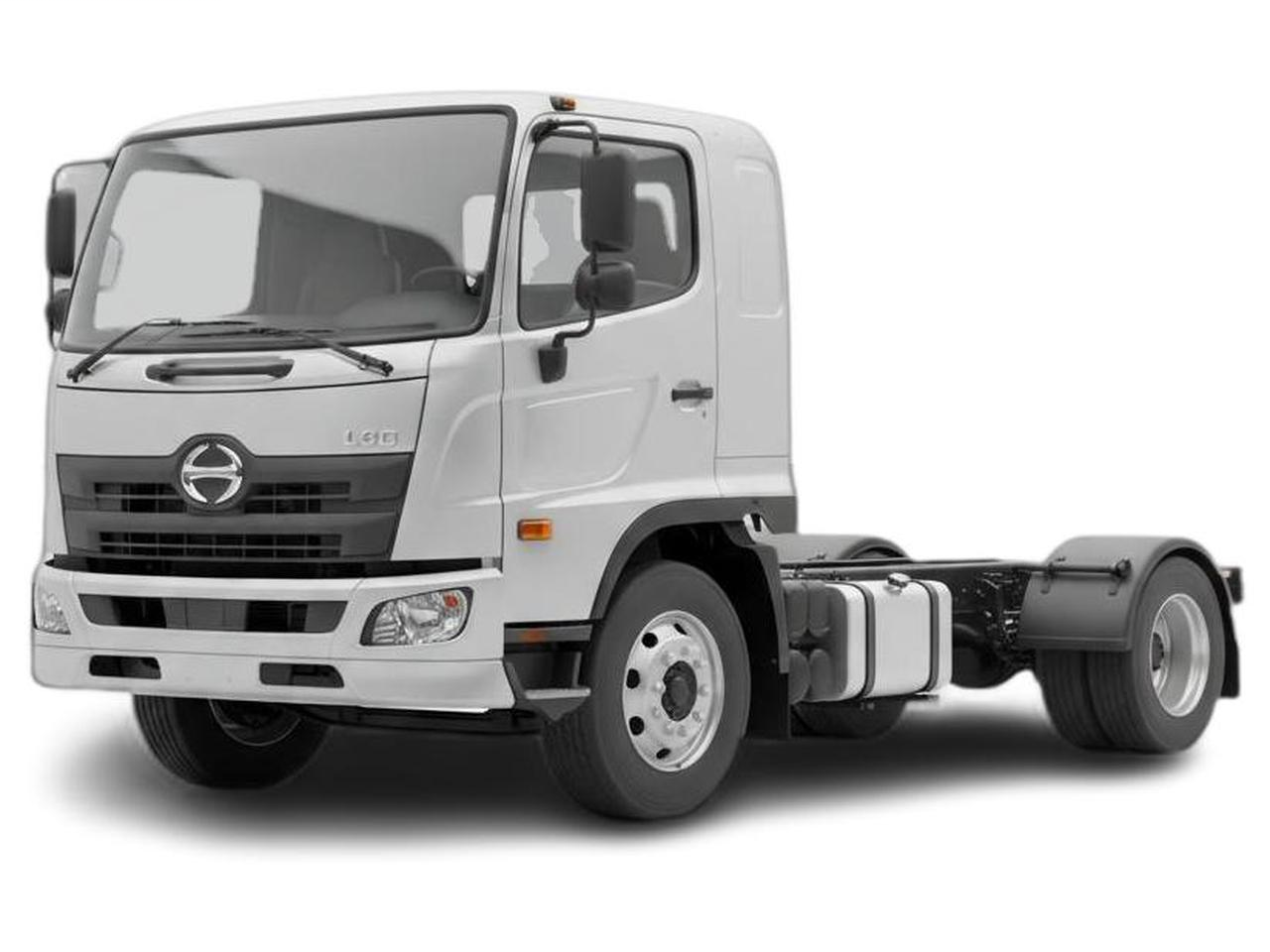
The 2025 Hino L6-24 is a versatile and robust medium-duty commercial truck, continuing Hino's legacy of reliable work vehicles. Typically offered as a chassis cab, it serves as a base for various vocational upfits. While specific model years beyond 2025 are not yet detailed, its predecessors have established a strong reputation. Key trims often cater to specific vocational needs rather than traditional luxury levels. Pricing generally starts in the mid-$50,000s and can increase significantly with chosen body styles and options. Its popularity stems from its durable construction, cost-effectiveness, and suitability for a wide array of business applications.
The Good
The 2025 Hino L6-24 boasts impressive reliability and efficient performance, making it a sound investment. Its durable build offers peace of mind, while its functional design prioritizes driver comfort and ease of operation, appealing to both the practical need for a dependable workhorse and the desire for a less fatiguing workday.
The Bad
Potential buyers of the 2025 Hino L6-24 should be aware of its utilitarian focus, meaning interior luxury and advanced infotainment might be basic compared to some competitors. Ride comfort can also be a consideration on rougher terrain, and specific powertrain options might not be the most powerful in its class.
2025 Hino L6-24: Quick Overview
- Engine Options: The 2025 Hino L6-24 typically features Hino's J05E series diesel engine, a proven powerplant known for its durability and efficiency. Specific configurations may vary, but it is commonly a 5.1-liter inline-4 turbocharged diesel engine.
- Horsepower: Horsepower output for the J05E engine usually ranges from approximately 215 to 225 horsepower, providing ample grunt for vocational applications and moderate loads.
- Fuel Economy: Fuel economy figures for commercial vehicles like the L6-24 are highly dependent on the specific application, load, driving conditions, and upfit. However, Hino engines are generally engineered for good fuel efficiency within their class, often achieving estimates in the range of 10-15 miles per gallon under typical mixed-use conditions.
- 0-60 Times: 0-60 mph acceleration times are not a primary performance metric for commercial trucks and are rarely published. These vehicles are designed for load-hauling and steady operation rather than rapid acceleration. Expect leisurely acceleration when unladen and significantly slower times when heavily loaded.
- Towing Capacity: Towing capacity is highly dependent on the chassis configuration, rear axle ratio, and any factory-installed towing packages. The L6-24, as a medium-duty chassis, is capable of towing substantial loads, with ratings often ranging from 10,000 lbs up to 25,000 lbs or more when properly equipped and configured for towing applications.
- Trim-Level Features: As a chassis cab, the L6-24 focuses on functionality. Standard features typically include a durable interior, power steering, power windows, air conditioning, a basic infotainment system with Bluetooth connectivity, and essential safety features. Trims are less about luxury and more about the base chassis configuration for specialized bodies like box trucks, flatbeds, service bodies, or dump trucks. Optional features may include upgraded suspension, advanced driver-assistance systems, and premium interior appointments for enhanced driver comfort on longer routes.
2025 Hino L6-24 Specifications
Vehicle Information
| Year | 2025 |
| Make | Hino |
| Model | L6 |
| Trim | - |
| Style | - |
| Type | Truck |
| Category | - |
Manufacturing Details
| Made In | United States |
| Manufacturing City | MINERAL WELLS |
Dimensions
| Doors | - |
| Curb Weight | - |
| Gross Vehicle Weight Rating | 26000 pounds |
| Overall Height | - |
| Overall Length | - |
| Overall Width | - |
| Wheelbase Length | - |
| Standard Seating | - |
Engine & Performance
| Engine | 6.7L I6 |
| Engine Size | 6.7L |
| Engine Cylinders | - |
| Transmission | - |
| Transmission Type | - |
| Transmission Speeds | - |
| Drivetrain | Rear-Wheel Drive |
Additional Features
| Anti-Brake System | - |
| Steering Type | - |
Pricing
| Manufacturer Suggested Retail Price (MSRP) | - |
| Invoice Price | - |
| Delivery Charges | - |
Vehicle History Report
Vehicle
Specifications
Specifications
Ownership
History
History
All History
Events
Events
NMVTIS Title
History Check
History Check
Salvage/Rebuilt
Check
Check
Accident
Check
Check
Theft
Check
Check
Open Lien
Check
Check
Past Sale
Listings
Listings
Safety
Recalls
Recalls
Odometer
Check
Check
Market Price
Analysis
Analysis
What Problems Does the 2025 Hino L6-24 Have?
While the 2025 Hino L6-24 is a new model year, insights from previous Hino L-series trucks suggest a generally strong reputation for reliability. However, like any commercial vehicle, certain areas warrant attention. Common points of discussion in the past for Hino trucks, which might be relevant for the L6-24 as it progresses through its lifecycle, include potential issues with the diesel particulate filter (DPF) system, especially if the vehicle is primarily used for short-haul, low-speed, or stop-and-go driving that doesn't allow for proper regeneration. Ensuring regular DPF cleaning and maintenance is crucial. Some owners have reported occasional electrical gremlins or sensor failures, which are not uncommon in complex modern vehicles but can disrupt operations. The urea injection system (DEF system) for emissions control can also be a source of issues if not properly maintained or if it malfunctions, sometimes leading to "check engine" lights or reduced engine power. Recalls are a standard part of automotive manufacturing, and any that may affect the 2025 L6-24 would be announced by Hino. It is always advisable for owners to register their vehicle with Hino to receive recall notices directly. Long-term reliability is generally a strong suit for Hino, built on their reputation for robust powertrains and chassis. However, consistent and scheduled maintenance is paramount. Neglecting oil changes, filter replacements, or coolant flushes can accelerate wear on critical components. Specific model year issues are less likely to be widely reported for a brand-new 2025 model, but as data emerges, any trends will become apparent. Historically, Hino trucks have been known to be durable workhorses when properly cared for, often exceeding 200,000 to 300,000 miles before major overhauls are needed.
How long will the 2025 Hino L6-24 last?
Based on the historical performance of Hino trucks and assuming consistent, professional maintenance, the 2025 Hino L6-24 is anticipated to offer significant service life. Many Hino vehicles, when properly maintained, can comfortably surpass 250,000 to 350,000 miles. With diligent adherence to scheduled maintenance, including regular oil changes, fluid checks, and filter replacements, it's not uncommon for these trucks to remain in active service for 10-15 years or more. The primary weaknesses over time would likely stem from neglect of maintenance, leading to accelerated wear on the powertrain, transmission, and suspension components. However, the core components, such as the engine and chassis, are designed for longevity, making the L6-24 a durable option for businesses seeking a long-term investment in their fleet.
What Technology & Safety Features are Included?
The 2025 Hino L6-24 emphasizes functional technology and essential safety features, aligning with its role as a commercial work vehicle. Standard tech typically includes a multi-function display providing vital vehicle information, a radio with AM/FM capabilities, and Bluetooth connectivity for hands-free calling and audio streaming. Power windows and locks are generally standard for driver convenience. While a sophisticated infotainment system is not the focus, the setup is practical for business use.
In terms of driver-assistance and safety, the L6-24 usually comes equipped with essential safety systems such as anti-lock braking system (ABS), electronic stability control (ESC), and traction control, all crucial for maintaining control, especially under load or in adverse conditions. Airbags for the driver and front passenger are standard.
Optional features can significantly enhance the vehicle's capabilities and safety. These might include an upgraded audio system, a backup camera for improved visibility when maneuvering, and potentially advanced driver-assistance systems (ADAS) like lane departure warning or forward collision warning, depending on the specific configuration and packages offered by Hino or its upfitters.
Crash-test ratings from organizations like the National Highway Traffic Safety Administration (NHTSA) or the Insurance Institute for Highway Safety (IIHS) are not typically published for medium-duty commercial trucks in the same way they are for passenger vehicles. These vehicles are designed with robust construction and safety systems tailored for their operational environment, prioritizing occupant protection during commercial use. Buyers should consult Hino's specifications for the most current safety equipment and optional packages available for the 2025 L6-24.
In terms of driver-assistance and safety, the L6-24 usually comes equipped with essential safety systems such as anti-lock braking system (ABS), electronic stability control (ESC), and traction control, all crucial for maintaining control, especially under load or in adverse conditions. Airbags for the driver and front passenger are standard.
Optional features can significantly enhance the vehicle's capabilities and safety. These might include an upgraded audio system, a backup camera for improved visibility when maneuvering, and potentially advanced driver-assistance systems (ADAS) like lane departure warning or forward collision warning, depending on the specific configuration and packages offered by Hino or its upfitters.
Crash-test ratings from organizations like the National Highway Traffic Safety Administration (NHTSA) or the Insurance Institute for Highway Safety (IIHS) are not typically published for medium-duty commercial trucks in the same way they are for passenger vehicles. These vehicles are designed with robust construction and safety systems tailored for their operational environment, prioritizing occupant protection during commercial use. Buyers should consult Hino's specifications for the most current safety equipment and optional packages available for the 2025 L6-24.
What Colors Options are Available?
2025 Hino L6-24 Prices and Market Value
The 2025 Hino L6-24, as a new commercial vehicle, typically has a starting MSRP in the mid-$50,000 range for a base chassis cab. This price can escalate significantly depending on the chosen upfit (e.g., box truck, flatbed, dump body), additional options, and specifications. Used market prices for Hino L-series trucks are highly variable, influenced by age, mileage, condition, and the type of vocational body installed. A well-maintained used L6-24 with a desirable body could range from $30,000 to $60,000 or more. Depreciation on commercial vehicles is generally more gradual than on passenger cars, especially for specialized trucks in good working order. Resale value is strongly affected by the durability of the chassis and engine, the condition of the upfit, overall mileage, and market demand for specific vocational applications. Trucks with low mileage and in excellent mechanical and cosmetic condition will command higher prices.
2025 Hino L6-24 Cost of Ownership
Owning a 2025 Hino L6-24 is generally considered economical for its class when managed efficiently. Insurance costs will vary based on usage, driver history, and coverage but are typically higher than for light-duty vehicles due to the commercial nature. Fuel costs are a significant factor, with its diesel engine offering better MPG than gasoline counterparts, but overall consumption depends heavily on duty cycle. Maintenance is crucial and moderately priced for routine services, but repairs on diesel engines and transmissions can be substantial. Long-term, its robust build and reliability often offset higher initial operational costs, making it a cost-effective choice for businesses focused on durability and service life.
2025 Hino L6-24 Fuel Efficiency
Fuel Type
Diesel
Fuel Capacity
-
City Mileage
-
Highway Mileage
-
2025 Hino L6-24 Warranty
Basic
Original warranty
0 months / No data
Estimated remaining
Expired
Powertrain
Original warranty
0 months / No data
Estimated remaining
Expired
Rust
Original warranty
0 months / No data
Estimated remaining
Expired
2025 Hino L6-24 Insurance
Insurance for a 2025 Hino L6-24 is moderately priced, reflecting its status as a Truck with strong safety ratings and
reasonable repair costs.
How Does the 2025 Hino L6-24 Compare to Other Truck?
The 2025 Hino L6-24 competes in the competitive medium-duty truck segment against key players like the Freightliner M2 series, Isuzu N-Series, and Chevrolet/GMC Low Cab Forward trucks.
Performance: Hino's J05E diesel engine typically offers a solid balance of power and efficiency, comparable to offerings from Isuzu and Freightliner. While it may not always boast the absolute highest horsepower figures, its torque and durability are strong suits. Chevrolet/GMC often provides gasoline engine options, which can be appealing for certain applications but generally less fuel-efficient than diesel.
Features: Hino trucks are known for their functional, driver-focused cabins rather than luxury. They provide essential tech and safety, often on par with Isuzu. Freightliner's M2 series might offer a slightly more refined interior and a broader range of optional advanced features. Chevrolet/GMC also tend to focus on practicality.
Reliability: Hino has a strong reputation for long-term reliability and durability, a key reason for its popularity. Isuzu also boasts excellent reliability. Freightliner and GM trucks are generally reliable, but some specific components or electronics might be more prone to issues, depending on the model year and configuration.
Price: Hino trucks are often competitively priced, offering excellent value for their build quality and longevity. Isuzu trucks are also known for their value proposition. Freightliner trucks can sometimes be priced higher, reflecting their more extensive customization options and premium feel. Chevrolet/GMC Low Cab Forward trucks can also be a strong contender price-wise.
Recommendations:
Similar Alternatives: The Isuzu N-Series is a very direct competitor, offering comparable reliability, fuel efficiency, and a focus on practical design. The Freightliner M2 106 is another strong option, particularly if a more upscale interior or a wider array of specific vocational configurations is desired, though it may come at a higher price point.
Potentially Better Alternatives (depending on needs): If maximum power or specific powertrain configurations (like gasoline) are critical, the Chevrolet 5500/6500XD Low Cab Forward might be worth considering. For businesses prioritizing the absolute latest in cabin technology and driver amenities, exploring higher-spec Freightliner M2 configurations or even light-duty Class 8 trucks from manufacturers like Peterbilt or Kenworth (though at a much higher price and capability tier) might be relevant, but for a direct L6-24 comparison, Isuzu and Freightliner are the closest matches.
Performance: Hino's J05E diesel engine typically offers a solid balance of power and efficiency, comparable to offerings from Isuzu and Freightliner. While it may not always boast the absolute highest horsepower figures, its torque and durability are strong suits. Chevrolet/GMC often provides gasoline engine options, which can be appealing for certain applications but generally less fuel-efficient than diesel.
Features: Hino trucks are known for their functional, driver-focused cabins rather than luxury. They provide essential tech and safety, often on par with Isuzu. Freightliner's M2 series might offer a slightly more refined interior and a broader range of optional advanced features. Chevrolet/GMC also tend to focus on practicality.
Reliability: Hino has a strong reputation for long-term reliability and durability, a key reason for its popularity. Isuzu also boasts excellent reliability. Freightliner and GM trucks are generally reliable, but some specific components or electronics might be more prone to issues, depending on the model year and configuration.
Price: Hino trucks are often competitively priced, offering excellent value for their build quality and longevity. Isuzu trucks are also known for their value proposition. Freightliner trucks can sometimes be priced higher, reflecting their more extensive customization options and premium feel. Chevrolet/GMC Low Cab Forward trucks can also be a strong contender price-wise.
Recommendations:
Similar Alternatives: The Isuzu N-Series is a very direct competitor, offering comparable reliability, fuel efficiency, and a focus on practical design. The Freightliner M2 106 is another strong option, particularly if a more upscale interior or a wider array of specific vocational configurations is desired, though it may come at a higher price point.
Potentially Better Alternatives (depending on needs): If maximum power or specific powertrain configurations (like gasoline) are critical, the Chevrolet 5500/6500XD Low Cab Forward might be worth considering. For businesses prioritizing the absolute latest in cabin technology and driver amenities, exploring higher-spec Freightliner M2 configurations or even light-duty Class 8 trucks from manufacturers like Peterbilt or Kenworth (though at a much higher price and capability tier) might be relevant, but for a direct L6-24 comparison, Isuzu and Freightliner are the closest matches.
Final Verdict: Is the 2025 Hino L6-24 a Good Truck?
The 2025 Hino L6-24 is ideally suited for small to medium-sized businesses and fleet operators who prioritize durability, reliability, and long-term cost of ownership over luxury features. It's an excellent choice for applications like local delivery, trades (plumbing, electrical, HVAC), landscaping, or utility services that require a dependable chassis for various vocational bodies.
It is certainly worth buying, particularly if value and longevity are key considerations. Buying new offers the latest specifications and full manufacturer warranty, ideal for businesses needing predictable operational costs and minimal downtime. Purchasing a well-maintained used model can offer significant savings, making it an even more economical choice for budget-conscious buyers, provided a thorough inspection is conducted. Specific trims are less about luxury and more about the vocational upfit, so choosing the right body style for the intended task is paramount. The L6-24 represents a solid investment for those seeking a workhorse that will perform reliably for many years.