
1995 International 8200 Overview, Reviews, Ratings & Specs
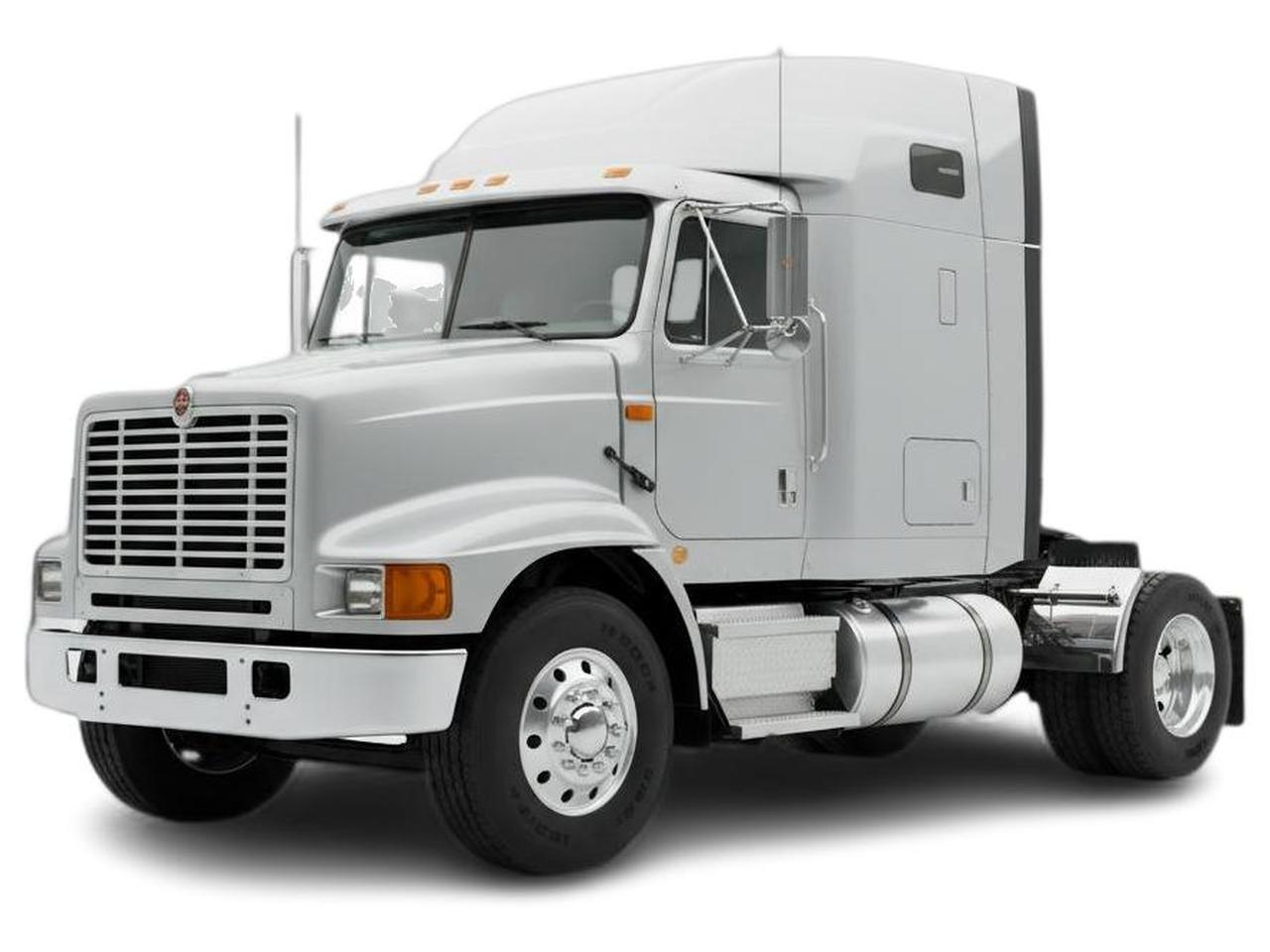
The Good
The 1995 International 8200 boasts exceptional reliability and raw performance, built to endure tough conditions. Its straightforward, no-nonsense design appeals to practical buyers seeking longevity, while its powerful presence and capability evoke a sense of dependable strength for those who appreciate a true workhorse.
The Bad
Potential weaknesses for the 1995 International 8200 include aging electronics, possible rust in older chassis components, and the need for specialized maintenance due to its commercial nature. Fuel economy can be a concern for some applications, and ride comfort might not match modern pickups.
1995 International 8200: Quick Overview
The 1995 International 8200, being a versatile medium-duty truck platform, offered a range of configurations tailored for commercial use. Specific specifications could vary widely based on the original build and intended purpose, but generally included:
- Engine Options: Primarily featured robust diesel engines. Common choices included International's own DT series engines, such as the DT 466, and potentially larger options like the Cummins ISB or ISM series, depending on the specific vocational package. These were renowned for their torque and longevity.
- Horsepower: Horsepower ratings typically ranged from approximately 170 hp to over 300 hp for larger displacement engines, providing ample power for hauling and towing.
- Fuel Economy: Fuel economy was not a primary design consideration for this class of vehicle, especially given its diesel powertrains and heavy-duty nature. Estimates would vary greatly based on engine, load, terrain, and driving style, but generally would be significantly lower than light-duty trucks. Expect figures in the range of 8-12 miles per gallon under typical operating conditions.
- 0-60 Times: 0-60 mph acceleration was not a relevant metric for the International 8200. Its purpose was utilitarian, focusing on torque and sustained power rather than rapid acceleration.
- Towing Capacity: The towing capacity was highly dependent on the chassis configuration, rear axle ratio, and chosen engine. These trucks were designed to tow substantial loads, often ranging from 10,000 lbs for lighter applications to well over 30,000 lbs for heavy-duty hauling, especially when equipped as a tractor or with appropriate hitching.
- Trim-Level Features: As a commercial vehicle, "trim levels" were less about luxury and more about functional packages. Features would include various cab configurations (standard, extended), specialized upfitting options (e.g., flatbed, box truck, dump body, tow truck), upgraded suspension systems, heavy-duty transmissions (manual or automatic options), air brakes, and enhanced electrical systems for auxiliary equipment. Interior features were typically durable and functional, focusing on driver ergonomics and visibility.
1995 International 8200 Specifications
Vehicle Information
| Year | 1995 |
| Make | International |
| Model | 8200 |
| Trim | - |
| Style | - |
| Type | Truck |
| Category | Heavy Truck |
Manufacturing Details
| Made In | United States |
| Manufacturing City | SPRINGFIELD |
Dimensions
| Doors | - |
| Curb Weight | - |
| Gross Vehicle Weight Rating | 33001 pounds |
| Overall Height | - |
| Overall Length | - |
| Overall Width | - |
| Wheelbase Length | - |
| Standard Seating | - |
Engine & Performance
| Engine | 1L I6 |
| Engine Size | 1L |
| Engine Cylinders | 6 |
| Transmission | - |
| Transmission Type | - |
| Transmission Speeds | - |
| Drivetrain | 6x4 |
Additional Features
| Anti-Brake System | - |
| Steering Type | - |
Pricing
| Manufacturer Suggested Retail Price (MSRP) | - |
| Invoice Price | - |
| Delivery Charges | - |
Vehicle History Report
Specifications
History
Events
History Check
Check
Check
Check
Check
Listings
Recalls
Check
Analysis
What Problems Does the 1995 International 8200 Have?
Engine and Drivetrain: The diesel engines, particularly the International DT 466, are known for their longevity, but can experience issues with fuel injection pumps, turbocharger wear, and injector problems as they age. Overheating can be a concern if the cooling system is not meticulously maintained. Transmission issues, especially with older automatic transmissions or worn clutch components in manuals, can occur. Seals and gaskets may develop leaks, particularly around the engine and differential.
Electrical Systems: As with many vehicles from this era, the electrical system can be a source of frustration. Aging wiring harnesses can become brittle, leading to intermittent faults or complete system failures. Alternators, starters, and battery connections are common wear items that may require replacement. Sensors related to engine management can also fail.
Chassis and Body: Rust is a significant concern, especially in areas exposed to road salt and moisture. Frame rails, suspension components, and cab corners are susceptible. Brake systems, particularly the air brake systems common on these trucks, require regular inspection and maintenance. Wear on suspension bushings, kingpins, and shock absorbers is also typical.
Recalls: Specific recall information for a 1995 model year truck can be challenging to pinpoint without a VIN. However, for International trucks of this era, recalls might have involved braking system components, steering linkages, or potential fire hazards related to electrical or fuel systems. Owners should always check for any outstanding recalls with Navistar.
Long-Term Reliability: The long-term reliability of a 1995 International 8200 is heavily dependent on its maintenance history and how it was used. A well-maintained truck that was not constantly overloaded or subjected to extreme abuse can remain reliable for hundreds of thousands of miles. Conversely, a neglected unit may present a constant stream of repair needs. The primary concern is the cumulative wear and tear on major components and the potential for costly repairs as parts age.
How long will the 1995 International 8200 last?
What Technology & Safety Features are Included?
Technology: Built-in technology was rudimentary. The instrument cluster would typically feature analog gauges for speed, RPM, engine temperature, oil pressure, and fuel level. Warning lights for braking system pressure, engine malfunctions, and other critical systems were standard. Diagnostic capabilities would likely involve basic OBD-I or early OBD-II ports for engine troubleshooting, requiring specialized tools.
Entertainment: Entertainment options were minimal. A standard radio, often an AM/FM unit, might have been present. Higher-end configurations could have offered a cassette player. Auxiliary inputs or advanced audio systems were not common.
Driver-Assistance Features: Driver-assistance features were virtually non-existent. Features like cruise control might have been optional on some models. Advanced systems such as ABS (Anti-lock Braking System) were becoming more common on commercial vehicles in the mid-90s and were likely available as an option or standard on certain configurations, particularly for air brake systems, enhancing safety during heavy braking.
Safety Features: Safety features were focused on passive systems and robust construction. Standard safety equipment would include seat belts (lap and shoulder belts), large rearview mirrors for maximum visibility, and the inherent structural integrity of a heavy-duty chassis and cab designed to withstand significant forces. Air brakes, when equipped, provided substantial stopping power, contributing to safety. However, there were no airbags, electronic stability control, lane departure warnings, or other modern active safety systems. Crash-test ratings for commercial trucks of this vintage are not typically available in the same format as passenger vehicles, as they were not subjected to the same standardized consumer-focused testing regimes.
What Colors Options are Available?
1995 International 8200 Prices and Market Value
1995 International 8200 Cost of Ownership
1995 International 8200 Fuel Efficiency
1995 International 8200 Warranty
Basic
Powertrain
Rust
1995 International 8200 Insurance
reasonable repair costs.
How Does the 1995 International 8200 Compare to Other Truck?
Performance: In terms of raw performance, particularly hauling and towing torque, the International 8200 with its DT 466 or larger Cummins options was very competitive, often outperforming lighter-duty trucks and holding its own against comparable Freightliners and GMC/Chevys. Its robust powertrain was a key advantage.
Features: Compared to its direct rivals, the 1995 International 8200 offered a similar, no-frills approach to features. None of these trucks from this era were luxury vehicles; they prioritized functionality. International's cab design was considered practical, and customization options for vocational bodies were extensive, much like Freightliner. Ford and GM offered more consumer-oriented options in their heavier F-series and C/K pickups, but the true commercial chassis rivals were more aligned.
Reliability: International has a strong reputation for reliability, particularly with the DT 466 engine, which is often cited as a workhorse that can last for hundreds of thousands of miles with proper care. Freightliner also has a reputation for durability, and the GMC/Chevy TopKick/Kodiak models were also built to be tough. In terms of long-term mechanical reliability, the International 8200 with a DT 466 engine is often considered among the best in its class, though any truck of this age will require diligent maintenance.
Price: New pricing was competitive within the segment, with all these manufacturers offering various configurations at similar price points. On the used market, prices for the 1995 International 8200 can be very attractive, often offering excellent value for money if well-maintained, sometimes undercutting comparable Freightliners or TopKicks.
Alternatives: If seeking similar capability and legendary engine durability, other International models from the same era or slightly newer (e.g., 1996-2001 International 4300/4400 series) would be good alternatives. A Freightliner FL70 with a Cummins engine is a very comparable option. For those prioritizing slightly more creature comforts, a heavily built Ford F-750 or GMC/Chevy TopKick might be considered, though often with different engine options and potentially less emphasis on the extreme longevity of the International DT series. If simpler, lighter-duty work is needed, a well-maintained Ford F-350/F-450 Super Duty diesel might suffice, though without the same heavy-duty chassis strength.
Final Verdict: Is the 1995 International 8200 a Good Truck?

Eugene S
Eugene is an automotive enthusiast with over 15 years of experience in the used car market. As a writer at VINCheck.info, he brings deep industry insight and a passion for cars, helping readers make smart, informed decisions. Eugene has written hundreds of used car reviews and is known for breaking down complex automotive topics into clear, actionable advice. Over the years, he has driven and worked on a wide range of vehicles—starting with tuning street cars in his early days and eventually focusing on performance upgrades and reliability improvements. Today, he specializes in evaluating used vehicles through the lens of real-world ownership and enthusiast needs. A longtime fan of Porsche, Eugene especially appreciates vehicles that blend durability with driving enjoyment.