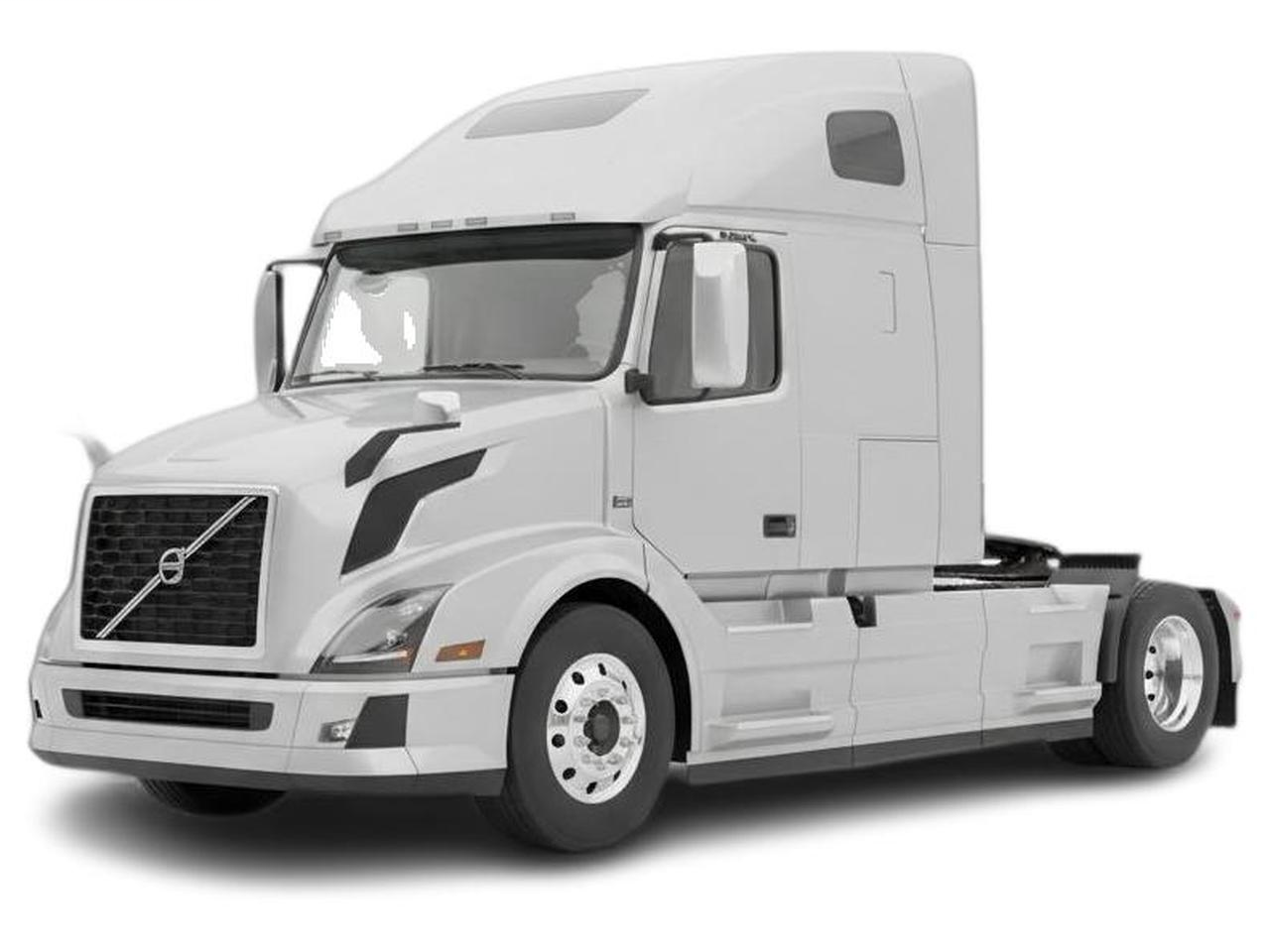
The 2020 Volvo VAH is a premium commercial truck chassis designed for vocational applications. As a variant of Volvo's heavy-duty lineup, it focuses on ruggedness and customization. While specific trims aren't as consumer-oriented as passenger cars, configurations cater to various needs like refuse, construction, and wreckers. Its popularity stems from Volvo's reputation for durability, driver comfort in demanding environments, and strong dealer support. Pricing varies significantly based on vocational body and specifications.
The Good
The 2020 Volvo VAH excels in robust performance for tough jobs, renowned reliability ensuring uptime, and driver-centric comfort for long hauls. Its practical value lies in durability and efficiency, while its emotional appeal comes from the peace of mind offered by a trusted, powerful workhorse.
The Bad
Potential weaknesses for the 2020 Volvo VAH can include the complexity of its vocational-specific configurations, which may require specialized maintenance. Some operators might find the initial purchase price higher compared to less specialized chassis. Advanced electronic systems, while beneficial, can also present diagnostic challenges.
2020 Volvo VAH: Quick Overview
- Engine Options: The 2020 Volvo VAH typically features powerful diesel engines. Common options include the Volvo D11, D13, and D16 engines. These are inline 6-cylinder engines designed for heavy-duty vocational applications.
- Horsepower: Horsepower ratings vary significantly based on the engine chosen and the specific vocational application. For the D11, expect ranges from approximately 325 hp to 425 hp. The D13 can range from 375 hp to 500 hp, and the D16 can offer even higher outputs, typically starting around 500 hp and going up to 600 hp or more.
- Fuel Economy: Fuel economy is highly dependent on the engine, transmission, axle ratios, vehicle weight, and operational use (e.g., city driving for refuse trucks vs. highway for specialized haulers). As a heavy-duty vocational truck, precise MPG figures are not typically published in the same way as for light-duty vehicles. Owners can expect numbers to be significantly lower than passenger vehicles, often in the single digits (e.g., 5-8 MPG) under load.
- 0-60 Times: 0-60 mph times are not a relevant or measured metric for vocational trucks like the Volvo VAH. These vehicles are designed for torque and load-carrying capacity, not rapid acceleration.
- Towing Capacity: The towing capacity of the 2020 Volvo VAH is exceptionally high and dictated by the Gross Combination Weight Rating (GCWR) and Gross Vehicle Weight Rating (GVWR) of the configured chassis, as well as the specific vocational body. These trucks can be configured for Gross Vehicle Weights exceeding 60,000 lbs and GCWRs well over 100,000 lbs, making them suitable for heavy towing and hauling operations.
- Trim-Level Features: The VAH is less about traditional consumer trim levels (like LE, Sport, Platinum) and more about configurable chassis options and vocational body integrations. Key features are generally found in:
- Chassis Configurations: Wheelbase, axle configurations (single, tandem, tridem), suspension types (air, multi-leaf), and frame strengths are all customizable.
- Cab Options: Typically a day cab configuration is standard, prioritizing functionality over long-haul amenities. Extended or sleeper cabs are less common on VAH models focused on vocational work.
- Powertrain Options: Wide variety of engine and transmission choices (automatic, manual, automated manual) to suit specific job requirements.
- Vocational Body Integration: The chassis is built to seamlessly integrate with specialized bodies like dump bodies, concrete mixers, refuse collection systems, crane mounts, and towing equipment.
- Driver Comforts: While utilitarian, Volvo emphasizes driver ergonomics, comfortable seating, and intuitive controls. Options for upgraded HVAC, advanced infotainment (basic for work trucks), and driver assistance systems are available.
- Chassis Configurations: Wheelbase, axle configurations (single, tandem, tridem), suspension types (air, multi-leaf), and frame strengths are all customizable.
2020 Volvo VAH Specifications
Vehicle Information
| Year | 2020 |
| Make | Volvo |
| Model | VAH |
| Trim | - |
| Style | - |
| Type | Truck |
| Category | Heavy Truck |
Manufacturing Details
| Made In | United States |
| Manufacturing City | NEW RIVER VALLEY DUBLIN |
Dimensions
| Doors | - |
| Curb Weight | - |
| Gross Vehicle Weight Rating | 33001 pounds |
| Overall Height | - |
| Overall Length | - |
| Overall Width | - |
| Wheelbase Length | - |
| Standard Seating | - |
Engine & Performance
| Engine | 12.8L I6 |
| Engine Size | 12.8L |
| Engine Cylinders | 6 |
| Transmission | - |
| Transmission Type | - |
| Transmission Speeds | - |
| Drivetrain | 6x4 |
Additional Features
| Anti-Brake System | - |
| Steering Type | - |
Pricing
| Manufacturer Suggested Retail Price (MSRP) | - |
| Invoice Price | - |
| Delivery Charges | - |
Vehicle History Report
Vehicle
Specifications
Specifications
Ownership
History
History
All History
Events
Events
NMVTIS Title
History Check
History Check
Salvage/Rebuilt
Check
Check
Accident
Check
Check
Theft
Check
Check
Open Lien
Check
Check
Past Sale
Listings
Listings
Safety
Recalls
Recalls
Odometer
Check
Check
Market Price
Analysis
Analysis
What Problems Does the 2020 Volvo VAH Have?
The 2020 Volvo VAH, being a heavy-duty vocational truck, has a different set of reliability concerns compared to passenger vehicles. Specific model year issues are less widely reported in consumer forums and more within fleet maintenance logs and industry discussions. However, common areas for potential issues in heavy-duty trucks of this era, including Volvo models, can encompass:
Powertrain: While Volvo diesel engines are generally robust, issues can arise with fuel injection systems, turbochargers, and emissions control components (like Diesel Particulate Filters - DPFs, and Selective Catalytic Reduction - SCR systems) over time, especially if maintenance intervals are not strictly followed or if using poor quality fuel. Overheating or coolant leaks can also occur, particularly in high-stress vocational applications.
Electrical Systems: Heavy-duty trucks have complex electrical systems. Problems can manifest as sensor failures, issues with the Engine Control Module (ECM), or problems with dashboard warning lights and instrumentation. Corrosion on electrical connectors, especially in harsh environments (salt, dust), can also be a concern.
Suspension and Drivetrain: Components like leaf springs, air suspension systems (if equipped), driveline U-joints, and differential seals can experience wear and tear over time due to the heavy loads they carry and the rough conditions they often operate in. Issues such as worn bushings, leaky seals, or cracked springs are not uncommon.
Brake Systems: Air brake systems, common on heavy trucks, require regular maintenance. Issues can include air leaks, worn brake pads or shoes, and problems with the air dryer or compressor. While Volvo equips its trucks with reliable brake components, consistent inspection and servicing are crucial.
Cab and Body Components: For vocational bodies, the integration points and hydraulic systems are critical. Issues can arise with hydraulic leaks, wear on moving parts of specialized equipment (e.g., lift arms, compactors), or damage to the chassis from extreme use. Interior components, while built for durability, can also wear down with constant use. Recalls: Specific recalls for the 2020 Volvo VAH would need to be checked against the National Highway Traffic Safety Administration (NHTSA) database. Recalls on heavy-duty trucks often pertain to safety-critical systems like brakes, steering, or potential fire hazards related to specific component failures. Fleet operators and owners should always be vigilant about checking for open recalls and ensuring they are addressed by authorized service centers. Long-Term Reliability: Generally, Volvo trucks are known for their durability and longevity when properly maintained. A well-maintained 2020 VAH, following recommended service schedules and using quality parts, can achieve hundreds of thousands of miles or many years of service in its intended vocational role. The primary factor for long-term reliability is diligent preventative maintenance and prompt attention to any emerging issues. Weaknesses tend to appear in components subjected to the most stress, and their lifespan is directly tied to operating conditions and maintenance practices.
Electrical Systems: Heavy-duty trucks have complex electrical systems. Problems can manifest as sensor failures, issues with the Engine Control Module (ECM), or problems with dashboard warning lights and instrumentation. Corrosion on electrical connectors, especially in harsh environments (salt, dust), can also be a concern.
Suspension and Drivetrain: Components like leaf springs, air suspension systems (if equipped), driveline U-joints, and differential seals can experience wear and tear over time due to the heavy loads they carry and the rough conditions they often operate in. Issues such as worn bushings, leaky seals, or cracked springs are not uncommon.
Brake Systems: Air brake systems, common on heavy trucks, require regular maintenance. Issues can include air leaks, worn brake pads or shoes, and problems with the air dryer or compressor. While Volvo equips its trucks with reliable brake components, consistent inspection and servicing are crucial.
Cab and Body Components: For vocational bodies, the integration points and hydraulic systems are critical. Issues can arise with hydraulic leaks, wear on moving parts of specialized equipment (e.g., lift arms, compactors), or damage to the chassis from extreme use. Interior components, while built for durability, can also wear down with constant use. Recalls: Specific recalls for the 2020 Volvo VAH would need to be checked against the National Highway Traffic Safety Administration (NHTSA) database. Recalls on heavy-duty trucks often pertain to safety-critical systems like brakes, steering, or potential fire hazards related to specific component failures. Fleet operators and owners should always be vigilant about checking for open recalls and ensuring they are addressed by authorized service centers. Long-Term Reliability: Generally, Volvo trucks are known for their durability and longevity when properly maintained. A well-maintained 2020 VAH, following recommended service schedules and using quality parts, can achieve hundreds of thousands of miles or many years of service in its intended vocational role. The primary factor for long-term reliability is diligent preventative maintenance and prompt attention to any emerging issues. Weaknesses tend to appear in components subjected to the most stress, and their lifespan is directly tied to operating conditions and maintenance practices.
How long will the 2020 Volvo VAH last?
Estimating the average mileage or years of service for a 2020 Volvo VAH is highly dependent on its vocational application and maintenance regimen. For vocational trucks like refuse trucks or construction haulers, daily mileage can range from 50 to 200 miles, meaning an annual mileage of 15,000 to 60,000 miles is plausible. In such demanding use, many VAH trucks can serve reliably for 5 to 10 years, accumulating 300,000 to 700,000 miles before major overhauls or retirement. For less intensive applications, like occasional towing or specialized transport, service life could extend even further. The long-term durability of the VAH is a strong point, attributed to its robust chassis, powerful engines, and heavy-duty components. Weaknesses that emerge over time are typically related to high-stress components such as the drivetrain, suspension, and emissions systems, especially if maintenance is deferred. Regular, thorough maintenance is the most significant factor in maximizing its service life and preventing costly premature failures.
What Technology & Safety Features are Included?
The 2020 Volvo VAH, as a vocational truck, prioritizes functionality, durability, and safety over advanced consumer-grade technology, though it offers substantial safety and driver-assistance features.
Built-in Tech & Entertainment: Standard infotainment is typically basic, often consisting of a digital display for diagnostics and vehicle status. Bluetooth connectivity for hands-free calling and audio streaming might be available as an option or standard on higher configurations. A modern infotainment touchscreen with navigation is not a primary focus but can be integrated as part of an optional package, especially for longer-haul vocational roles. USB ports and auxiliary inputs are usually present for device connectivity.
Driver-Assistance Features: Volvo places a strong emphasis on safety, and the VAH benefits from many of these advancements. Standard features often include electronic stability control, anti-lock braking systems (ABS), and traction control. Optional but highly recommended features for vocational use include:
Crash-Test Ratings: Heavy-duty commercial trucks like the 2020 Volvo VAH are not typically subjected to the same crash-test ratings (e.g., NHTSA's 5-star ratings or IIHS tests) as passenger cars and light trucks. Their safety is evaluated based on specific regulatory compliance, industry standards for structural integrity, and the effectiveness of their integrated safety systems. Volvo's commitment to safety engineering is a significant factor, with a focus on protecting the driver in severe scenarios.
Built-in Tech & Entertainment: Standard infotainment is typically basic, often consisting of a digital display for diagnostics and vehicle status. Bluetooth connectivity for hands-free calling and audio streaming might be available as an option or standard on higher configurations. A modern infotainment touchscreen with navigation is not a primary focus but can be integrated as part of an optional package, especially for longer-haul vocational roles. USB ports and auxiliary inputs are usually present for device connectivity.
Driver-Assistance Features: Volvo places a strong emphasis on safety, and the VAH benefits from many of these advancements. Standard features often include electronic stability control, anti-lock braking systems (ABS), and traction control. Optional but highly recommended features for vocational use include:
- Forward Collision Warning (FCW) with Active Braking: Helps prevent or mitigate frontal collisions.
- Lane Departure Warning (LDW): Alerts the driver if the vehicle drifts out of its lane.
- Adaptive Cruise Control (ACC): Maintains a set speed and distance from the vehicle ahead, reducing driver fatigue.
- Blind Spot Information System (BLIS): Monitors blind spots and alerts the driver to vehicles in those areas.
- Electronic Stability Program (ESP): Crucial for preventing rollovers and maintaining control, especially with varying loads.
- Hill Start Assist: Prevents the vehicle from rolling backward when starting on an incline.
Crash-Test Ratings: Heavy-duty commercial trucks like the 2020 Volvo VAH are not typically subjected to the same crash-test ratings (e.g., NHTSA's 5-star ratings or IIHS tests) as passenger cars and light trucks. Their safety is evaluated based on specific regulatory compliance, industry standards for structural integrity, and the effectiveness of their integrated safety systems. Volvo's commitment to safety engineering is a significant factor, with a focus on protecting the driver in severe scenarios.
What Colors Options are Available?
2020 Volvo VAH Prices and Market Value
When new, the 2020 Volvo VAH's price varied dramatically based on its specific vocational configuration, engine choice, and optional equipment. A basic chassis could start in the range of $100,000 to $150,000, but with specialized bodies (like a fully equipped refuse collection system or a heavy-duty wrecker unit), the total cost could easily climb to $250,000 or significantly more.
Current used market prices for a 2020 Volvo VAH are also highly variable. A chassis with moderate mileage and in good condition might range from $60,000 to $120,000, while a complete, ready-to-work vocational truck could command prices from $100,000 to $200,000+, depending on its utility and condition.
Depreciation on vocational trucks is generally slower in percentage terms than on passenger cars, but the absolute dollar value lost can be substantial. Factors affecting resale value include the type and condition of the vocational body, total mileage, engine hours, maintenance history, overall mechanical condition, and market demand for that specific vocational application. Trucks with fewer hours, well-documented maintenance, and desirable, functional bodies hold their value best.
Current used market prices for a 2020 Volvo VAH are also highly variable. A chassis with moderate mileage and in good condition might range from $60,000 to $120,000, while a complete, ready-to-work vocational truck could command prices from $100,000 to $200,000+, depending on its utility and condition.
Depreciation on vocational trucks is generally slower in percentage terms than on passenger cars, but the absolute dollar value lost can be substantial. Factors affecting resale value include the type and condition of the vocational body, total mileage, engine hours, maintenance history, overall mechanical condition, and market demand for that specific vocational application. Trucks with fewer hours, well-documented maintenance, and desirable, functional bodies hold their value best.
2020 Volvo VAH Cost of Ownership
Owning a 2020 Volvo VAH is a significant investment, leaning towards costly rather than economical. Insurance premiums will be substantial, reflecting the vehicle's high purchase price, capabilities, and the risks associated with commercial operations. Fuel costs are also considerable, given the powerful diesel engines and the heavy loads they carry; expect relatively low miles per gallon. Maintenance and repair costs are ongoing and can be high, requiring specialized technicians and parts. Routine servicing, fluid changes, and potential repairs to complex vocational equipment add up. While durable, component wear and tear is expected with heavy use. Overall, the VAH is built for demanding work, and its total cost of ownership reflects its robust construction and capabilities.
2020 Volvo VAH Fuel Efficiency
Fuel Type
Diesel
Fuel Capacity
-
City Mileage
-
Highway Mileage
-
2020 Volvo VAH Recalls & Defects
Electrical System:wiring:fuses and Circuit Breakers
Recall date
2019-07-02
Recall no.
19v509000
Source
NHTSA
Summary
Volvo Trucks North America (Volvo Trucks) IS Recalling Certain 2018-2020 Vah, Vhd, Vnl, and VNR Vehicles. THE Fuse IN THE Transmission Circuit MAY Blow, Preventing THE Transmission From Shifting.
Consequence
IF THE Fuse Blows THE Transmission MAY NOT Shift, Increasing THE Risk OF A Crash.
Remedy
Volvo Trucks Will Notify Owners, and Dealers Will Inspect and Replace THE Fuse, IF Necessary, Free OF Charge. THE Recall Began August 7, 2019. Owners MAY Contact Volvo Trucks Customer Service AT 1-800-528-6586. Volvo Truck's Number FOR This Recall IS Rvxx1903.
Notes
Owners MAY Also Contact THE National Highway Traffic Safety Administration Vehicle Safety Hotline AT 1-888-327-4236 (Tty 1-800-424-9153), or GO TO Www.safercar.gov.
Power Train:automatic Transmission
Recall date
2019-07-02
Recall no.
19v510000
Source
NHTSA
Summary
Volvo Trucks North America (Volvo Trucks) IS Recalling Certain 2019-2020 Vah, Vhd, Vnl, and VNR Vehicles. THE T-Bolt Clasps ON THE Transmission Auxiliary AIR Tank Straps MAY Have Been Over-tightened, Resulting IN Potential Deformation TO THE Strap Where THE T-bolt IS Anchored.
Consequence
THE Deformation OF THE AIR Tank Strap T-Bolts MAY Cause THE T-Bolt TO Disconnect From THE Strap Allowing THE Tank TO Drop TO THE Ground and Become A Road Hazard, Increasing THE Risk OF A Crash.
Remedy
Volvo Trucks Will Notify Owners, and Dealers Will Inspect and Replace THE AIR Tank Strap, IF Necessary, Free OF Charge. THE Recall Began August 7, 2019. Owners MAY Contact Volvo Trucks Customer Service AT 1-800-528-6586. Volvo Truck's Number FOR This Recall IS Rvxx1904.
Notes
Owners MAY Also Contact THE National Highway Traffic Safety Administration Vehicle Safety Hotline AT 1-888-327-4236 (Tty 1-800-424-9153), or GO TO Www.safercar.gov.
Service Brakes, AIR
Recall date
2020-09-02
Recall no.
20v536000
Source
NHTSA
Summary
Volvo Trucks North America (Volvo Trucks) IS Recalling Certain 2020-2021 Vah, Vhd, VNL and VNR Vehicles. THE DIE Cast Pedal Plate MAY Break AT ONE OF ITS Attachment Points, Possibly Resulting IN THE Brake Pedal Dislodging. AS Such, These Vehicles Fail TO Comply With THE Requirements OF Federal Motor Vehicle Safety Standard Number 121, "air Brake Systems."
Consequence
A Dislodged Brake Pedal Would BE Inoperable, Increasing A Risk OF A Crash.
Remedy
Volvo Trucks Will Notify Owners, and Dealers Will Inspect and Replace THE Pedal Plates IF Required, Free OF Charge. THE Recall Began October 7, 2020. Owners MAY Contact Volvo Trucks Customer Service AT 1-800-458-1552. Volvo Truck's Number FOR This Recall IS Rvxx2004.
Notes
Owners MAY Also Contact THE National Highway Traffic Safety Administration Vehicle Safety Hotline AT 1-888-327-4236 (Tty 1-800-424-9153), or GO TO Www.safercar.gov.
Electrical System:software
Recall date
2024-10-23
Recall no.
24v790000
Source
NHTSA
Summary
Volvo Trucks North America (Volvo Trucks) IS Recalling Certain 2020-2025 VN, Vah, VHD and Vnre Trucks, Equipped With Bendix Ec80 Advanced Electronic Control Units (Ecu). Electrical Noise and Low Signal TO THE Power Line Carrier MAY Cause THE ECU TO Incorrectly Process Commands or Stop Working.
Consequence
Safety Systems That Depend ON THE ECU (Automatic Traction Control, Abs, Electronic Stability Control, Active Cruise Control, and Collison Mitigation System) MAY Have Diminished or Lost Functionality, Increasing THE Risk OF A Crash.
Remedy
Dealers Will Reprogram THE ECU Software, Free OF Charge. Owner Notification Letters Were Mailed December 9, 2024. Owners MAY Contact Volvo Trucks Customer Service AT 1-800-528-6586. Volvo Truck's Number FOR This Recall IS Rvxx2409.
Notes
Owners MAY Also Contact THE National Highway Traffic Safety Administration Vehicle Safety Hotline AT 1-888-327-4236 (Tty 1-800-424-9153) or GO TO Nhtsa.gov.
Service Brakes, Hydraulic:antilock/Traction Control/Electronic Limited Slip:control Unit/module
Recall date
2024-10-23
Recall no.
24v790000
Source
NHTSA
Summary
Volvo Trucks North America (Volvo Trucks) IS Recalling Certain 2020-2025 VN, Vah, VHD and Vnre Trucks, Equipped With Bendix Ec80 Advanced Electronic Control Units (Ecu). Electrical Noise and Low Signal TO THE Power Line Carrier MAY Cause THE ECU TO Incorrectly Process Commands or Stop Working.
Consequence
Safety Systems That Depend ON THE ECU (Automatic Traction Control, Abs, Electronic Stability Control, Active Cruise Control, and Collison Mitigation System) MAY Have Diminished or Lost Functionality, Increasing THE Risk OF A Crash.
Remedy
Dealers Will Reprogram THE ECU Software, Free OF Charge. Owner Notification Letters Were Mailed December 9, 2024. Owners MAY Contact Volvo Trucks Customer Service AT 1-800-528-6586. Volvo Truck's Number FOR This Recall IS Rvxx2409.
Notes
Owners MAY Also Contact THE National Highway Traffic Safety Administration Vehicle Safety Hotline AT 1-888-327-4236 (Tty 1-800-424-9153) or GO TO Nhtsa.gov.
Seat Belts:front:anchorage
Recall date
2025-11-03
Recall no.
25v753000
Source
NHTSA
Summary
Volvo Trucks North America (Volvo Trucks) IS Recalling Certain 2019-2026 VAH Trucks. THE Passenger Seat Belt Anchor MAY Fail DUE TO Inadequate Floor Reinforcement. AS Such, These Vehicles Fail TO Comply With THE Requirements OF Federal Motor Vehicle Safety Standard Number 210, "seat Belt Assembly Anchorages."
Consequence
A Seat Belt Anchor That Fails Will NOT Properly Restrain AN Occupant IN A Crash, Increasing THE Risk OF Injury.
Remedy
Dealers Will Install A NEW Weld NUT and Washer, Free OF Charge. Owner Notification Letters Were Mailed December 16, 2025. Owners MAY Contact Volvo Trucks' Customer Service AT 1-800-528-6586. Volvo Trucks' Number FOR This Recall IS Rvxx2510. Vehicle Identification Numbers (Vins) Involved IN This Recall Will BE Searchable ON Nhtsa.gov Beginning November 10, 2025.
Notes
2020 Volvo VAH Warranty
Basic
Original warranty
0 months / No data
Estimated remaining
Expired
Powertrain
Original warranty
0 months / No data
Estimated remaining
Expired
Rust
Original warranty
0 months / No data
Estimated remaining
Expired
2020 Volvo VAH Insurance
Insurance for a 2020 Volvo VAH is moderately priced, reflecting its status as a Truck with strong safety ratings and
reasonable repair costs.
How Does the 2020 Volvo VAH Compare to Other Truck?
The 2020 Volvo VAH operates in the highly competitive heavy-duty vocational truck chassis segment. Its primary rivals include chassis from manufacturers like Freightliner (e.g., the M2 Business Class or SD models), Kenworth (e.g., T-series), Peterbilt (e.g., Model 500 series), and International (e.g., MV Series).
Performance: Volvo VAH chassis are known for their strong performance in hauling and vocational applications, often boasting powerful engine options and robust drivetrain configurations comparable to its rivals. Freightliner's offerings are often praised for their agility in certain vocational roles, while Kenworth and Peterbilt are renowned for their ruggedness and high-torque powertrains suited for extreme duty. International MV trucks also offer strong performance and versatility.
Features: In terms of features, Volvo generally leads in driver comfort and ergonomics within the vocational segment. The VAH often includes Volvo's driver-centric cab design, which can be more refined than some competitors. However, rivals like Freightliner and Peterbilt also offer highly customizable interiors and advanced optional technology. Specific vocational features are dictated by the body builder, making direct comparison of integrated tech complex.
Reliability: Volvo has a strong reputation for reliability and durability, particularly with its D11 and D13 engines, which are widely used and respected. Kenworth and Peterbilt also carry the mantle of extreme reliability and longevity, often favored by owner-operators for their toughness. Freightliner and International also produce reliable trucks, though specific model reliability can vary.
Price: The initial purchase price for a VAH chassis, especially when fully equipped with a vocational body, is generally in line with or slightly higher than comparable chassis from Freightliner, International, Kenworth, and Peterbilt. However, the total cost of ownership, factoring in fuel efficiency, maintenance, and uptime, is where the true value is determined. Some operators might find Freightliner or International chassis slightly more budget-friendly upfront for certain applications.
Alternatives:
Performance: Volvo VAH chassis are known for their strong performance in hauling and vocational applications, often boasting powerful engine options and robust drivetrain configurations comparable to its rivals. Freightliner's offerings are often praised for their agility in certain vocational roles, while Kenworth and Peterbilt are renowned for their ruggedness and high-torque powertrains suited for extreme duty. International MV trucks also offer strong performance and versatility.
Features: In terms of features, Volvo generally leads in driver comfort and ergonomics within the vocational segment. The VAH often includes Volvo's driver-centric cab design, which can be more refined than some competitors. However, rivals like Freightliner and Peterbilt also offer highly customizable interiors and advanced optional technology. Specific vocational features are dictated by the body builder, making direct comparison of integrated tech complex.
Reliability: Volvo has a strong reputation for reliability and durability, particularly with its D11 and D13 engines, which are widely used and respected. Kenworth and Peterbilt also carry the mantle of extreme reliability and longevity, often favored by owner-operators for their toughness. Freightliner and International also produce reliable trucks, though specific model reliability can vary.
Price: The initial purchase price for a VAH chassis, especially when fully equipped with a vocational body, is generally in line with or slightly higher than comparable chassis from Freightliner, International, Kenworth, and Peterbilt. However, the total cost of ownership, factoring in fuel efficiency, maintenance, and uptime, is where the true value is determined. Some operators might find Freightliner or International chassis slightly more budget-friendly upfront for certain applications.
Alternatives:
- Similar: The Freightliner M2 106/114SD, International MV Series, Peterbilt Model 337/348, and Kenworth T370/T440 are direct competitors offering comparable capabilities and customization for vocational applications. The choice often comes down to specific engine preferences, dealer support in a region, and price negotiations.
- Consider: If extreme heavy-duty performance and ultimate ruggedness are paramount, looking at larger models from Kenworth or Peterbilt, such as the Kenworth T880 or Peterbilt 567, might be warranted, though these typically come at a higher price point. For lighter vocational tasks where maneuverability and fuel efficiency are key, the Freightliner M2 series might offer a more nimble solution.
Final Verdict: Is the 2020 Volvo VAH a Good Truck?
The 2020 Volvo VAH is ideal for businesses and operators requiring a highly durable, reliable, and configurable chassis for demanding vocational applications such as construction, waste management, towing, and specialized hauling. It is worth buying for those who prioritize driver comfort and safety alongside robust performance and longevity.
For new purchases, the VAH offers the benefit of full customization to specific job needs and the latest Volvo technologies. However, given the significant upfront cost, many will find a well-maintained used 2020 Volvo VAH offers excellent value. Purchasing a used VAH is particularly attractive when the vocational body is already integrated and suitable for the buyer's needs, and when a thorough inspection confirms good mechanical condition and service history. It represents a sound investment for operations where dependable performance and reduced downtime are critical to profitability.