
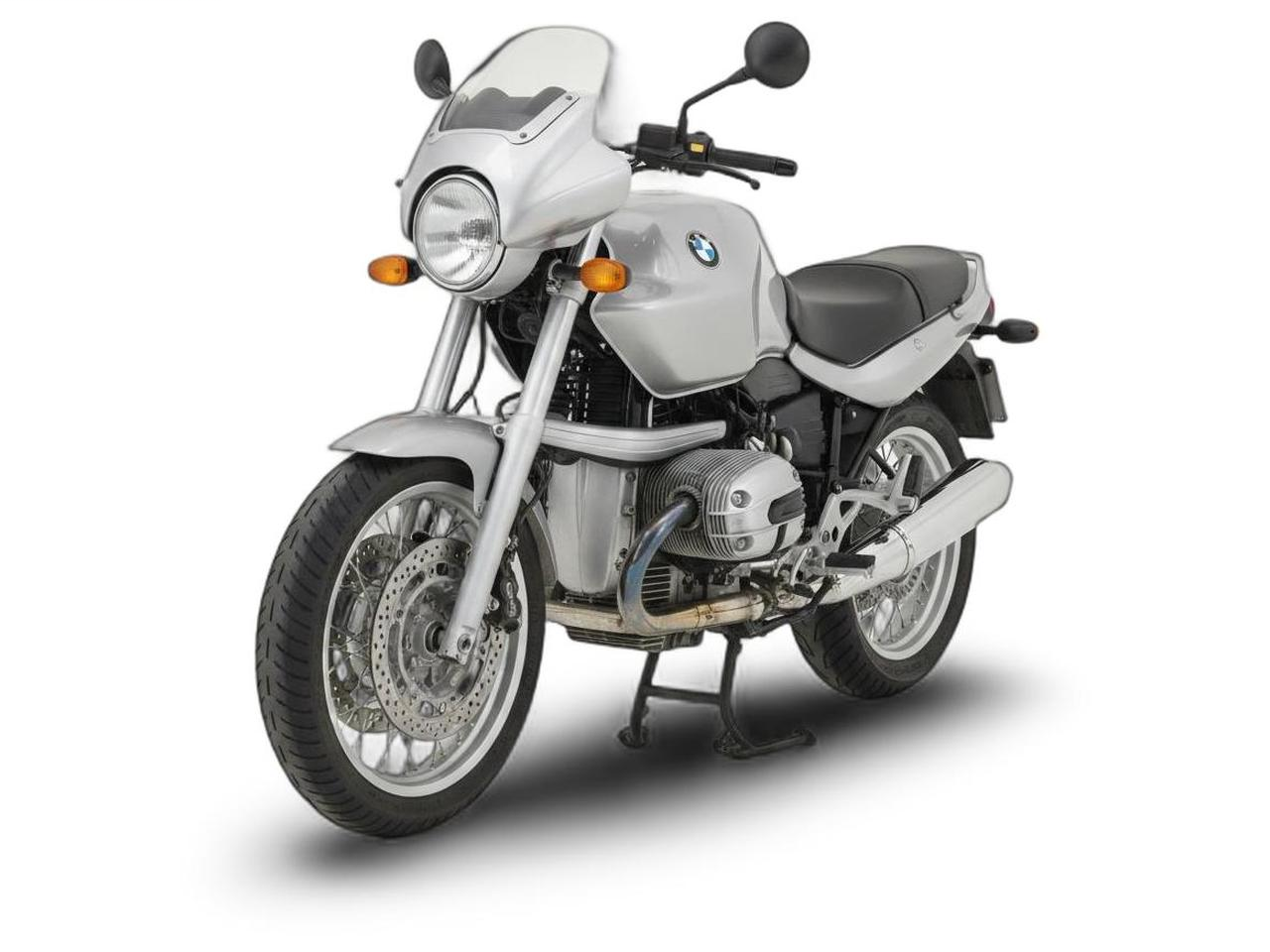
The Good
The 1998 R1100R offers a satisfyingly torquey engine for confident overtakes (practical), its upright riding position ensures comfort on longer rides (emotional), and BMW's renowned engineering promises enduring reliability (practical). Its classic boxer design possesses timeless appeal (emotional).
The Bad
Potential buyers should watch out for aging electrical components, particularly the infamous Hall sensor failure, which can cause sputtering or complete shutdown. Early models might have less refined suspension compared to later iterations. Clutch slave cylinder leaks are also a known concern to inspect.
1998 BMW R1100R: Quick Overview
- Engine: Air/oil-cooled, four-stroke, flat twin-cylinder (boxer).
- Displacement: 1085 cc.
- Bore x Stroke: 99 mm x 70.5 mm.
- Compression Ratio: 10.3:1.
- Fueling: Bosch Motronic electronic fuel injection.
- Horsepower: Approximately 90 hp at 6,750 rpm.
- Torque: Approximately 70.8 lb-ft at 5,250 rpm.
- Top Speed: Around 125 mph (200 km/h).
- 0-60 mph: Estimated between 3.8 and 4.2 seconds.
- Fuel Economy: Typically in the range of 45-55 mpg (US), depending on riding style and conditions.
- Transmission: 5-speed manual.
- Final Drive: Shaft drive.
- Frame: Trellis frame.
- Front Suspension: BMW's Telelever system.
- Rear Suspension: Monolever swingarm with adjustable shock absorber.
- Front Brake: Dual 305 mm discs with ABS (optional/standard depending on market).
- Rear Brake: Single 276 mm disc with ABS (optional/standard depending on market).
- Towing Capacity: Not applicable for this motorcycle.
- Wheelbase: Approximately 57.7 inches (1,465 mm).
- Seat Height: Approximately 31.5 inches (800 mm).
- Dry Weight: Around 467 lbs (212 kg).
- Fuel Capacity: 5.5 gallons (21 liters).
- Trim-Level Features: The R1100R generally came with a comprehensive feature set for its era. Standard features often included heated grips, adjustable windscreen (sometimes), and a comfortable two-up seat. Optional equipment could include ABS, a more advanced instrument cluster, and hard luggage. The primary distinction was often the presence or absence of ABS and the color options available.
1998 BMW R1100R Specifications
Vehicle Information
| Year | 1998 |
| Make | BMW |
| Model | R1100R |
| Trim | - |
| Style | - |
| Type | Motorcycle |
| Category | Motorcycle |
Manufacturing Details
| Made In | Germany |
| Manufacturing City | BERLIN |
Dimensions
| Doors | - |
| Curb Weight | - |
| Gross Vehicle Weight Rating | - |
| Overall Height | - |
| Overall Length | - |
| Overall Width | - |
| Wheelbase Length | - |
| Standard Seating | - |
Engine & Performance
| Engine | 1084CC |
| Engine Size | 1084L |
| Engine Cylinders | 2 |
| Transmission | - |
| Transmission Type | - |
| Transmission Speeds | - |
| Drivetrain | - |
Additional Features
| Anti-Brake System | - |
| Steering Type | - |
Pricing
| Manufacturer Suggested Retail Price (MSRP) | - |
| Invoice Price | - |
| Delivery Charges | - |
Vehicle History Report
Specifications
History
Events
History Check
Check
Check
Check
Check
Listings
Recalls
Check
Analysis
What Problems Does the 1998 BMW R1100R Have?
Electrical gremlins, beyond the Hall sensor, can also crop up on older bikes. This might include issues with wiring harnesses, particularly where they flex, or problems with the battery charging system if the alternator or voltage regulator is nearing the end of its life. Some owners have also reported issues with the fuel pump, though this is less common than the Hall sensor problem.
While there were no major widespread recalls specifically targeting catastrophic failures for the 1998 R1100R, it's always wise to check for any outstanding service bulletins or recalls with BMW. Long-term reliability is generally good, provided the motorcycle has been meticulously maintained. The boxer engine is known for its durability, and the shaft drive eliminates chain maintenance. However, like any older vehicle, components will eventually wear out. The Telelever front suspension, while innovative, can require specialized knowledge for maintenance and repair, and its seals can degrade over time.
Model year specific issues are less pronounced for the R1100R compared to some other BMWs, as it was part of a relatively stable production run. However, earlier R1100R models might have had less sophisticated ABS systems or slightly different fuel mapping compared to later ones. For a 1998 model, focus on the common wear items and the aforementioned electrical and clutch components.
How long will the 1998 BMW R1100R last?
What Technology & Safety Features are Included?
Entertainment features were virtually non-existent in the modern sense; this was a motorcycle designed for the pure riding experience. However, optional accessories like heated grips were available, significantly enhancing comfort for riding in cooler weather, which could be considered a form of rider comfort technology. Some models might have had provisions for aftermarket audio systems, but these were not integrated from the factory.
Driver-assistance features were limited. The most notable safety system available was BMW's Anti-lock Braking System (ABS), often referred to as BMW Integral ABS in later iterations, though for the 1998 R1100R, it was typically a separate, optional system. This was a significant safety feature for its time, helping to prevent wheel lock-up under braking, especially in emergency situations. It greatly enhanced the motorcycle's safety profile.
Safety features also included robust braking systems with dual discs up front and a single disc in the rear, providing ample stopping power even for a relatively heavy bike. The Telelever front suspension, while primarily a performance enhancement for handling and ride quality, also contributed to stability under braking.
Crash-test ratings are not applicable to motorcycles in the same way they are for cars. However, the motorcycle's design, with its relatively sturdy frame and bodywork, offered a degree of protection. The emphasis was on the active safety provided by the braking system and the predictable handling characteristics of the chassis and suspension. The availability of ABS was a key factor in making the R1100R a safer option for many riders, particularly those less experienced with motorcycle braking dynamics.
What Colors Options are Available?
1998 BMW R1100R Prices and Market Value
Factors affecting resale value include overall condition, mileage, maintenance history (especially records of addressing common issues like the Hall sensor), the presence of original equipment, and any desirable aftermarket additions. Bikes with pristine paint, low mileage, and a documented service history command higher prices. Conversely, neglected bikes with known issues will fetch significantly less. The enduring reputation for reliability and the desirable boxer engine help maintain a solid used market value for well-maintained examples.
1998 BMW R1100R Cost of Ownership
1998 BMW R1100R Fuel Efficiency
1998 BMW R1100R Warranty
Basic
Powertrain
Rust
1998 BMW R1100R Insurance
reasonable repair costs.
How Does the 1998 BMW R1100R Compare to Other Motorcycle?
Performance: The R1100R's 90 hp boxer-twin offered strong low-to-mid range torque, making it excellent for commuting and relaxed touring. It wasn't as rev-happy or peaky as some Japanese inline-fours like the FZ1. The VFR750F often offered a more engaging, sporty feel with its V4 engine. Ducati's Monster provided a more raw, visceral experience with its torquey V-twin.
Features: BMW's Telelever front suspension was a standout, offering superior ride quality and handling stability compared to conventional forks on many rivals. Optional ABS was a significant safety feature not always standard or available on all competitors. The R1100R's build quality was generally considered top-notch. The Honda VFR often boasted a more refined package and superior finish, while the Monster prioritized minimalist design.
Reliability: BMW's boxer engines are legendary for their durability. The R1100R is generally reliable, though the Hall sensor is a known weak point. Japanese rivals like Honda historically held an edge in overall, trouble-free reliability, with fewer model-specific common issues. Ducati's earlier models could be more maintenance-intensive.
Price: The R1100R was typically priced at the higher end of this segment when new, reflecting its BMW badge and advanced (for the time) technology. Used prices for the R1100R are often competitive with, or slightly higher than, comparable Japanese models, but generally lower than a Ducati Monster of similar vintage.
Alternatives:
* Similar: A used Honda VFR750F (1994-1997) offers a great blend of sport and touring, with a renowned V4 engine and excellent reliability. A Yamaha TDM850 could also be considered for its versatile character.
* Different Feel: If a more aggressive, minimalist aesthetic and raw feel is desired, a Ducati Monster (e.g., M900 or 750) is a strong contender, albeit with higher maintenance demands. For a more modern take on the naked sportbike, a later generation Yamaha FZ1 or Suzuki Bandit 1200 could be options, though they lack the R1100R's unique suspension and character.
Final Verdict: Is the 1998 BMW R1100R a Good Motorcycle?

Eugene S
Eugene is an automotive enthusiast with over 15 years of experience in the used car market. As a writer at VINCheck.info, he brings deep industry insight and a passion for cars, helping readers make smart, informed decisions. Eugene has written hundreds of used car reviews and is known for breaking down complex automotive topics into clear, actionable advice. Over the years, he has driven and worked on a wide range of vehicles—starting with tuning street cars in his early days and eventually focusing on performance upgrades and reliability improvements. Today, he specializes in evaluating used vehicles through the lens of real-world ownership and enthusiast needs. A longtime fan of Porsche, Eugene especially appreciates vehicles that blend durability with driving enjoyment.