
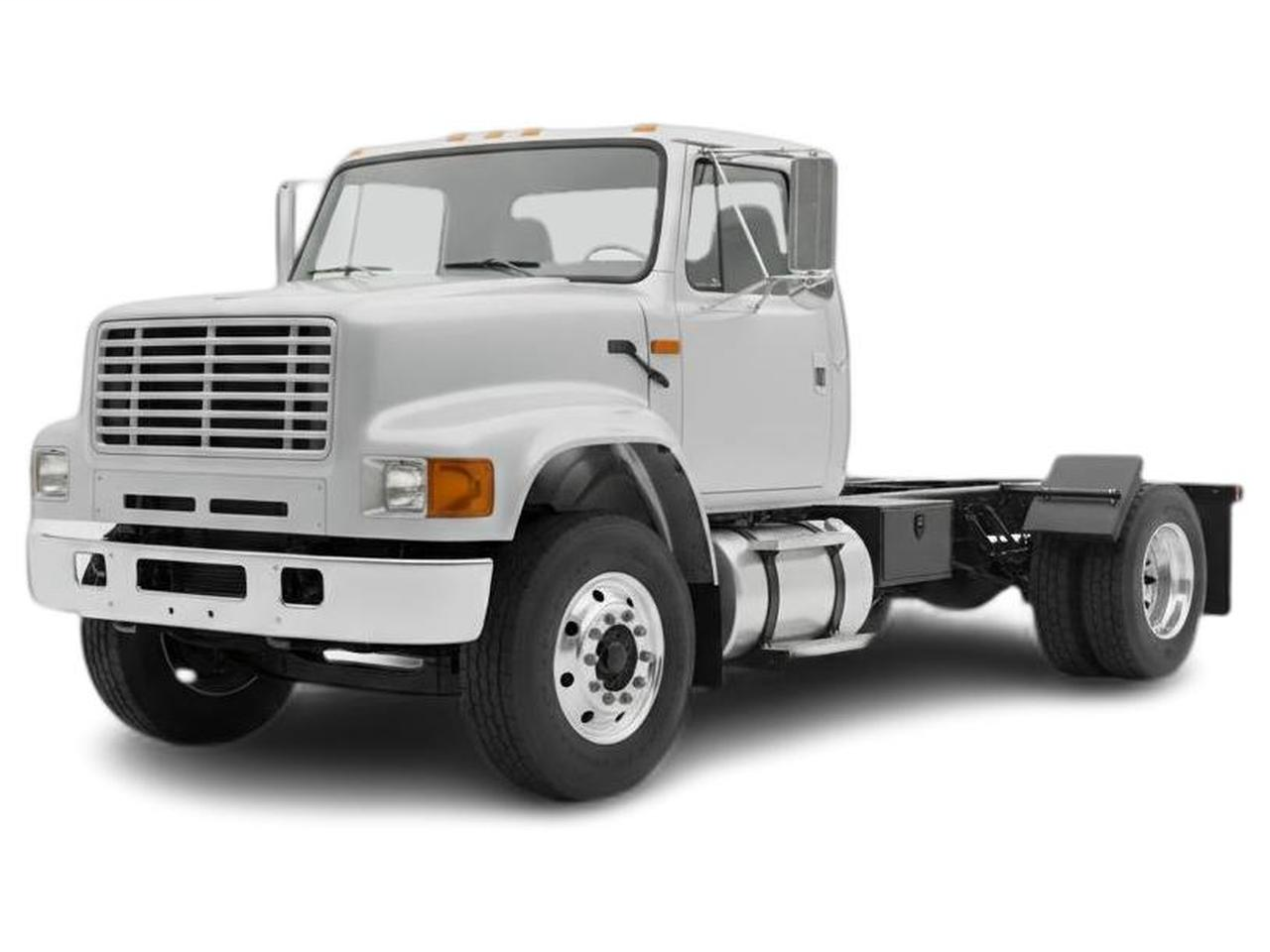
The Good
The 1994 International 4600 excels in rugged performance and exceptional reliability, making it a practical choice for demanding tasks. Its no-nonsense design emphasizes functionality. For buyers, this translates to peace of mind and a dependable workhorse that holds its value through sheer utility.
The Bad
Potential weaknesses for the 1994 International 4600 include dated interior amenities and potentially higher maintenance costs for specialized components. Older models may exhibit signs of wear and tear if not properly maintained, and fuel economy may not compete with modern trucks.
1994 International 4600: Quick Overview
- Engine Options: The 1994 International 4600 was available with a range of robust diesel engines. Common options included the International DT 466, a highly regarded inline-six diesel. Other potential engines from manufacturers like Cummins could also be found depending on specific configurations and vocational packages.
- Horsepower: Horsepower ratings varied significantly based on the specific engine and its tuning. The International DT 466 typically ranged from approximately 170 to 250 horsepower, with higher output versions available for specific applications.
- Fuel Economy: As a commercial-grade truck designed for work rather than fuel efficiency, precise MPG figures are difficult to state universally. Expect fuel economy in the range of 8-15 MPG, highly dependent on load, terrain, driving style, and engine configuration.
- 0-60 Times: 0-60 MPH times are not a primary consideration for this type of vehicle. Its focus is on torque and hauling capacity, not acceleration. These trucks are geared for pulling and working, not spirited driving.
- Towing Capacity: Towing capacity is a significant strong suit of the International 4600. Depending on the chassis, axle ratios, and configuration, these trucks were designed to tow substantial loads, often ranging from 10,000 lbs to over 30,000 lbs for heavier-duty applications like fifth-wheel towing or gooseneck trailers. Specific ratings would be listed on the vehicle's data plate.
- Trim-Level Features: The concept of traditional 'trim levels' like those found in consumer vehicles is less applicable to the International 4600. Instead, features were dictated by vocational needs. Common configurations included chassis cabs for custom upfitting, stake beds, box trucks, dump trucks, and tow trucks. Standard features typically focused on utility and driver functionality: power steering, durable interior materials, basic instrumentation, and robust heating systems. Optional features often included air conditioning, upgraded seating, and specialized auxiliary equipment related to the truck's intended use.
1994 International 4600 Specifications
Vehicle Information
| Year | 1994 |
| Make | International |
| Model | 4600 |
| Trim | - |
| Style | - |
| Type | Truck |
| Category | Heavy Truck |
Manufacturing Details
| Made In | United States |
| Manufacturing City | SPRINGFIELD |
Dimensions
| Doors | - |
| Curb Weight | - |
| Gross Vehicle Weight Rating | 26000 pounds |
| Overall Height | - |
| Overall Length | - |
| Overall Width | - |
| Wheelbase Length | - |
| Standard Seating | - |
Engine & Performance
| Engine | 7.3L V8 |
| Engine Size | 7.3L |
| Engine Cylinders | 8 |
| Transmission | - |
| Transmission Type | - |
| Transmission Speeds | - |
| Drivetrain | Rear-Wheel Drive |
Additional Features
| Anti-Brake System | - |
| Steering Type | - |
Pricing
| Manufacturer Suggested Retail Price (MSRP) | - |
| Invoice Price | - |
| Delivery Charges | - |
Vehicle History Report
Specifications
History
Events
History Check
Check
Check
Check
Check
Listings
Recalls
Check
Analysis
What Problems Does the 1994 International 4600 Have?
A frequently reported concern, especially on higher-mileage units, revolves around the fuel injection system. Injectors can wear out over time, leading to rough running, poor starting, or reduced power. Regular maintenance, including proper fuel filtration, is crucial. The cooling system is another area to monitor; radiator leaks, worn hoses, or a failing water pump can lead to overheating, which can be detrimental to diesel engines.
For models equipped with air brakes, air system leaks are a common maintenance item. These can affect braking performance and require periodic inspection and repair of air lines, valves, and seals. Electrical gremlins, though not epidemic, can occur with age. Wiring harnesses can degrade, leading to issues with lights, gauges, or auxiliary systems. Corrosion on connectors is a typical culprit.
While the DT 466 engine itself is exceptionally robust and can often exceed hundreds of thousands of miles with proper care, other components like the transmission (manual or automatic) and rear axle can experience wear. Clutch wear on manual transmissions is a normal maintenance item. Automatic transmissions may require fluid and filter changes to maintain longevity.
Specific model year issues are not widely documented as major design flaws for the 1994 4600, as it was a mature platform. The focus for owners and potential buyers should be on the overall maintenance history and the condition of the specific truck rather than inherent year-specific problems. A well-maintained 1994 International 4600 is often a testament to the durability of its design.
How long will the 1994 International 4600 last?
Long-term durability is a hallmark, with the chassis and drivetrain designed for heavy-duty use. Weaknesses that emerge over time are typically related to wear and tear on auxiliary systems, such as suspension components, brake lines, and electrical connections, rather than fundamental structural or powertrain failures. Regular servicing of the fuel system and cooling system is paramount to preventing more costly issues down the line and ensuring the truck continues to serve reliably for many years.
What Technology & Safety Features are Included?
Driver-assistance features are virtually non-existent in the modern sense. There are no adaptive cruise control, lane departure warnings, or automatic emergency braking systems. The primary driver aids are power steering for easier maneuverability and robust braking systems, typically hydraulic or air brakes depending on the configuration.
Safety features are also utilitarian. Standard safety equipment would include seat belts (though perhaps not always the most advanced designs), durable construction of the cab, and good visibility due to the large windows and commanding driving position. Mirrors are large and strategically placed to aid awareness. Anti-lock braking systems (ABS) might have been an option on some configurations, particularly for the rear axle, to improve stability during braking.
Crash-test ratings for commercial trucks like the 1994 International 4600 are not typically performed or published in the same manner as passenger vehicles by organizations like the NHTSA or IIHS. The focus is on the structural integrity required to withstand the rigors of commercial use and cargo. The cab is designed to be a strong protective shell for the driver. Optional features would largely be related to the vocational application, such as specialized lighting, warning beacons, or hydraulic systems for body functions, rather than comfort or safety technology enhancements.
What Colors Options are Available?
1994 International 4600 Prices and Market Value
Current used market prices for a 1994 International 4600 are highly dependent on condition, mileage, engine type, and the specific body or equipment it carries. Expect prices to range from a few thousand dollars for a project truck needing significant work, up to $15,000-$25,000 or more for a well-maintained unit with desirable features like a strong diesel engine and a functional body.
Depreciation is relatively minimal for these workhorses once they've passed their initial heavy use phase. The resale value is primarily driven by the truck's operational capability and condition. A clean title, low hours/miles for its age, a reliable engine, and functional equipment are key factors in retaining or increasing its resale value. They hold value better than many consumer vehicles because their utility as a working tool remains high.
1994 International 4600 Cost of Ownership
Maintenance and repair costs can be moderate to high. While the engine is durable, specialized diesel mechanics and parts can be pricier. Regular fluid changes, brake maintenance, and potential for wear on heavy-duty components contribute to ongoing expenses. Despite these costs, its longevity and capability often make it a cost-effective solution for businesses or individuals needing a robust work vehicle over the long haul.
1994 International 4600 Fuel Efficiency
1994 International 4600 Warranty
Basic
Powertrain
Rust
1994 International 4600 Insurance
reasonable repair costs.
How Does the 1994 International 4600 Compare to Other Truck?
Performance: In terms of raw performance for hauling and towing, the 4600, especially with an International DT 466 engine, often stood out for its torque and durability. It was built for sustained work, making it competitive with rivals like the Freightliner FL60 or Ford F800.
Features: Competitors in this era also offered similar vocational configurations. Ford and Freightliner often provided comparable engine options and chassis designs. However, International's reputation for robust drivetrains, particularly the DT 466, often gave it an edge in terms of perceived long-term engine reliability. Features were generally utilitarian across the board, focusing on function over comfort or advanced tech.
Reliability: The 1994 International 4600 is highly regarded for its reliability, especially its engine. The DT 466 is a legend in the commercial world. While rivals also offered durable trucks, the International's powertrain often boasted fewer complex systems that could fail compared to some competitors' offerings at the time.
Price: When new, pricing was competitive within the segment. In the used market, the 1994 International 4600 often presents excellent value due to its lower acquisition cost compared to newer used trucks, while still offering significant work capability.
Alternatives: Similar alternatives include the Freightliner FL60/FL70, which were also robust and popular. The Ford F800 was another strong contender. For lighter-duty needs that might border on Class 4, the heavier-duty variants of the Ford F-Series Super Duty (e.g., F-450, F-550) could also be considered, though they are typically built with a different emphasis. Ultimately, the choice often comes down to specific needs, local parts availability, and the condition of the individual used vehicle. The International 4600 remains a solid, reliable choice for those prioritizing a strong, durable workhorse.
Final Verdict: Is the 1994 International 4600 a Good Truck?
Buying this vehicle is most sensible on the used market. Look for well-maintained examples with service records, prioritizing those with the sought-after International DT 466 diesel engine. Specific trims are less important than the functional body or chassis configuration that meets your needs. A clean title and a thorough pre-purchase inspection by a mechanic experienced with commercial diesels are crucial. If you need a no-nonsense workhorse that can take a beating and keep going, the 1994 International 4600 is a fantastic, value-driven choice.

Jovan
Jovan specializes in interpreting vehicle records and making sense of VIN data. With over 10 years of experience in the automotive data industry, his work ensures that every report is clear, accurate, and useful for car buyers.