
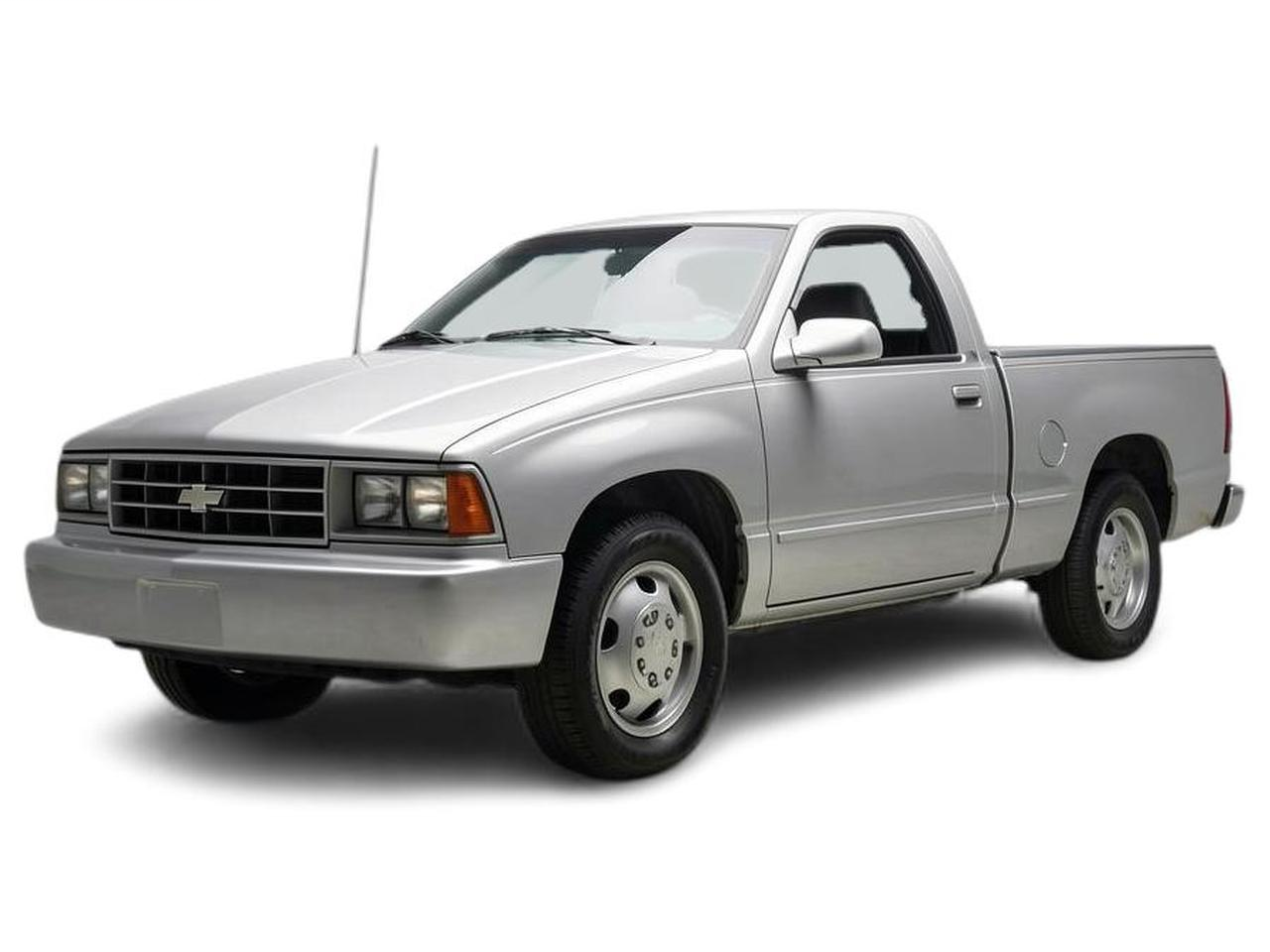
The 2000 Chevrolet C7H064, part of the robust C/K pickup truck lineage, represents a segment of Chevrolet's hardworking and dependable offerings. This model year falls within the final years of the GMT800 platform, known for its strong construction. While specific trims and pricing for the C7H064 variant are niche, the broader C/K series offered various configurations, typically pickup trucks. It was popular for its blend of capability and relative comfort for its era, appealing to tradespeople and those needing a reliable workhorse.
The Good
The 2000 Chevrolet C7H064 offers commendable capability for its time, embodying Chevrolet's reputation for toughness. Its robust build appeals to practical buyers needing a reliable work tool. Emotionally, its classic truck design evokes a sense of dependable strength and American heritage, providing value through its longevity.
The Bad
Owners of the 2000 Chevrolet C7H064 should be aware of potential issues like rust, particularly on the frame and body panels, transmission problems, and electrical gremlins. Some common wear items may also require attention due to age.
2000 Chevrolet C7H064: Quick Overview
- Engine Options: The 2000 Chevrolet C7H064, as part of the C/K truck line, typically featured robust V8 engine options. Common choices included:
- 4.8L Vortec 5.3L V8
- 5.3L Vortec V8
- 6.0L Vortec V8 (often in heavier duty applications or performance trims)
- Horsepower: Horsepower varied depending on the specific engine and its tuning, generally ranging from approximately 255 horsepower for the base engines up to around 300-325 horsepower for the more powerful V8s.
- Fuel Economy: Fuel economy for this era of full-size trucks was not a strong suit. Expect figures in the range of 12-15 MPG city and 16-19 MPG highway, with variations based on engine, drivetrain (2WD/4WD), and load.
- 0-60 Times: Acceleration figures were respectable for a truck of its size and class, with 0-60 mph times typically falling between 7.5 to 9.5 seconds for V8 models, depending on configuration and weight.
- Towing Capacity: Towing capacity was a key selling point. Depending on the configuration (engine, axle ratio, chassis, and trailer package), the 2000 Chevrolet C7H064 could tow anywhere from 7,000 lbs to over 10,000 lbs, making it suitable for various hauling needs.
- Trim-Level Features: The C/K series, including the C7H064, offered a range of trims from basic work trucks to more equipped models:
- Base/Work Truck: Vinyl seats, manual windows/locks, basic radio, steel wheels, functional but spartan interior.
- LS/LT (or similar designations): Often included power windows and locks, upgraded cloth or leather seats, cruise control, better audio systems, alloy wheels, and sometimes a more refined suspension. Optional features could include premium sound systems, power adjustable seats, and more advanced climate control.
2000 Chevrolet C7H064 Specifications
Vehicle Information
| Year | 2000 |
| Make | Chevrolet |
| Model | C7H064 |
| Trim | - |
| Style | - |
| Type | Truck |
| Category | - |
Manufacturing Details
| Made In | United States |
| Manufacturing City | JANESVILLE |
Dimensions
| Doors | - |
| Curb Weight | - |
| Gross Vehicle Weight Rating | 33001 pounds |
| Overall Height | - |
| Overall Length | - |
| Overall Width | - |
| Wheelbase Length | - |
| Standard Seating | - |
Engine & Performance
| Engine | 7.2L I6 |
| Engine Size | 7.2L |
| Engine Cylinders | 6 |
| Transmission | - |
| Transmission Type | - |
| Transmission Speeds | - |
| Drivetrain | 6x4 |
Additional Features
| Anti-Brake System | - |
| Steering Type | - |
Pricing
| Manufacturer Suggested Retail Price (MSRP) | - |
| Invoice Price | - |
| Delivery Charges | - |
Vehicle History Report
Vehicle
Specifications
Specifications
Ownership
History
History
All History
Events
Events
NMVTIS Title
History Check
History Check
Salvage/Rebuilt
Check
Check
Accident
Check
Check
Theft
Check
Check
Open Lien
Check
Check
Past Sale
Listings
Listings
Safety
Recalls
Recalls
Odometer
Check
Check
Market Price
Analysis
Analysis
What Problems Does the 2000 Chevrolet C7H064 Have?
The 2000 Chevrolet C7H064, as part of the GMT800 platform (1999-2006), shares many common reported issues with its Silverado and Sierra siblings. A significant concern for many owners is rust, particularly affecting the rocker panels, cab corners, rear fenders, and the frame. This is more prevalent in areas with harsh winters and road salt usage. Another frequently cited problem area is the transmission, especially the 4L60E and 4L80E automatics. Issues can range from premature wear of clutch packs to solenoid failures, leading to shifting problems or complete transmission failure. Regular fluid changes are crucial but sometimes not enough to prevent wear. Engine-related issues, while generally robust, can include intake manifold gasket leaks, which can lead to coolant loss and overheating. Some owners have reported ignition coil failures or spark plug issues, particularly the notorious spark plug blow-out problem that affected certain 1999-2000 model year Vortec V8 engines with stripped threads in the cylinder head. Electrical gremlins are also not uncommon in vehicles of this age; these can manifest as issues with power windows, door locks, the instrument cluster (e.g., flickering gauges or dead pixels), or the HVAC blower motor. The catalytic converter can also become clogged over time, affecting performance and fuel economy. While there weren't specific widespread recalls directly targeting the C7H064 model year unique to its designation, recalls for the broader C/K truck platform around this time often related to brake systems, airbags, or fuel system components. Long-term reliability heavily depends on maintenance history and the vehicle's operating environment. Trucks used for heavy-duty work or in corrosive climates tend to experience more significant wear and tear.
How long will the 2000 Chevrolet C7H064 last?
With diligent maintenance, the 2000 Chevrolet C7H064 can achieve impressive longevity, often surpassing 200,000 miles and sometimes reaching well over 300,000 miles. Many owners report these trucks as dependable workhorses that can last for 15-20 years or more. The long-term durability is a testament to the robust powertrain and chassis design. However, weaknesses that emerge over time are primarily related to rust, especially in the frame and body panels, which can compromise structural integrity. Transmission wear, as mentioned, is another factor that can limit its lifespan if not addressed. Electrical components and suspension parts will also eventually require replacement due to age and mileage. Proper and consistent maintenance, including fluid changes and addressing rust proactively, is key to maximizing its service life.
What Technology & Safety Features are Included?
The 2000 Chevrolet C7H064, representing the technological standards of its era, offered a functional, though not cutting-edge, suite of features. Built-in tech was primarily focused on the essentials. Entertainment options typically included an AM/FM radio, often with a cassette player and an optional CD player. Higher trim levels might have offered an upgraded speaker system for better audio fidelity. There were no sophisticated infotainment systems, touchscreens, or integrated navigation systems available. Driver-assistance features were virtually non-existent by modern standards. Features like cruise control were common on higher trims, providing a degree of convenience for highway driving. Anti-lock Braking System (ABS) was standard or optional depending on the specific configuration and trim, offering improved braking control. Safety features included standard airbags for the driver and front passenger. Seatbelt pretensioners were also standard. The truck's substantial size and weight provided a degree of passive safety inherent in its design. Crash-test ratings for this generation of Chevrolet trucks (C/K series) from the NHTSA were generally decent for the time, often receiving 4 out of 5 stars in frontal crash tests for the driver and front passenger. However, it's important to note that testing standards and methodologies have evolved significantly since 2000, so these ratings should be viewed in the context of the era. Optional features could include things like rear-wheel anti-lock brakes, fog lights, and a more advanced climate control system on luxury-oriented trims. Overall, the tech and safety were functional for the time, prioritizing basic comfort and essential safety rather than advanced electronics.
What Colors Options are Available?
2000 Chevrolet C7H064 Prices and Market Value
When new, the 2000 Chevrolet C7H064, as part of the C/K truck lineup, would have had a base MSRP likely starting in the low to mid-$20,000s for a basic configuration, potentially rising to the high $30,000s or even $40,000s for fully equipped, higher-trim models or heavy-duty variants. Depreciation for trucks of this age has largely run its course; their value is now primarily driven by condition, mileage, and historical reliability. Current used market prices for a 2000 Chevrolet C7H064 can range widely, from under $3,000 for models in rough condition with high mileage, to $7,000-$12,000 or more for well-maintained examples with lower mileage and desirable options. Factors significantly affecting resale value include the presence of rust, mechanical condition, maintenance records, and whether it has been used as a workhorse or a daily driver.
2000 Chevrolet C7H064 Cost of Ownership
Owning a 2000 Chevrolet C7H064 is generally considered moderately economical for a full-size truck, especially if purchased used. Insurance costs will vary based on driver profile and coverage, but are typically reasonable for a vehicle of this age. Fuel costs will be a significant factor due to V8 engine thirst, averaging around $100-$200+ per month depending on driving habits and fuel prices. Maintenance is straightforward, with many DIY possibilities, keeping routine costs manageable. However, potential repairs for common issues like transmission problems or rust remediation can become costly. Overall, it's not the cheapest vehicle to run due to fuel consumption, but its durability can make long-term ownership cost-effective if well-maintained.
2000 Chevrolet C7H064 Fuel Efficiency
Fuel Type
Diesel
Fuel Capacity
-
City Mileage
-
Highway Mileage
-
2000 Chevrolet C7H064 Warranty
Basic
Original warranty
0 months / No data
Estimated remaining
Expired
Powertrain
Original warranty
0 months / No data
Estimated remaining
Expired
Rust
Original warranty
0 months / No data
Estimated remaining
Expired
2000 Chevrolet C7H064 Insurance
Insurance for a 2000 Chevrolet C7H064 is moderately priced, reflecting its status as a Truck with strong safety ratings and
reasonable repair costs.
How Does the 2000 Chevrolet C7H064 Compare to Other Truck?
The 2000 Chevrolet C7H064 competes directly with other full-size pickup trucks of its era, most notably the Ford F-150 and the Dodge Ram (2500 series for heavier duty).
Performance: Chevrolet's Vortec V8 engines were known for their strong torque and overall robust performance, often matching or exceeding the F-150 and Ram in towing and hauling capability, especially in their higher-output configurations.
Features: In 2000, feature availability was comparable across the big three. While the C7H064 offered basic amenities, higher trims could be optioned with comfortable interiors, upgraded sound systems, and power accessories, similar to what Ford and Dodge offered. None had advanced tech like modern trucks.
Reliability: This is where opinions often diverge. Chevrolet trucks of this period are generally considered very reliable and durable, particularly the powertrains. However, specific issues like rust and transmission concerns were not uncommon, mirroring potential problems in the F-150 (e.g., suspension, electrical) and Ram (e.g., powertrain, interior wear). Longevity is often attributed to simpler mechanics in the Chevy.
Price: When new, pricing was competitive. On the used market today, all three are available at similar price points for comparable condition and mileage. Factors like rust severity are often more critical for the Chevy and Ford than the Ram in certain regions.
Alternatives:
For a buyer prioritizing straightforward, durable mechanics and strong V8 power, the 2000 Chevrolet C7H064 is a solid choice. If rust is a major concern, a Tundra might be a more robust long-term investment, albeit with less raw power. The F-150 offers a very similar experience, often boiling down to brand loyalty and specific vehicle condition.
Performance: Chevrolet's Vortec V8 engines were known for their strong torque and overall robust performance, often matching or exceeding the F-150 and Ram in towing and hauling capability, especially in their higher-output configurations.
Features: In 2000, feature availability was comparable across the big three. While the C7H064 offered basic amenities, higher trims could be optioned with comfortable interiors, upgraded sound systems, and power accessories, similar to what Ford and Dodge offered. None had advanced tech like modern trucks.
Reliability: This is where opinions often diverge. Chevrolet trucks of this period are generally considered very reliable and durable, particularly the powertrains. However, specific issues like rust and transmission concerns were not uncommon, mirroring potential problems in the F-150 (e.g., suspension, electrical) and Ram (e.g., powertrain, interior wear). Longevity is often attributed to simpler mechanics in the Chevy.
Price: When new, pricing was competitive. On the used market today, all three are available at similar price points for comparable condition and mileage. Factors like rust severity are often more critical for the Chevy and Ford than the Ram in certain regions.
Alternatives:
- Ford F-150: A very strong contender, often preferred for its ride quality and available modularity. Similar capabilities and potential issues.
- Dodge Ram: Known for its distinct styling and potent Hemi V8s in later years, but sometimes perceived as less refined in terms of interior materials and ride comfort compared to Chevy/Ford.
- Toyota Tundra: While a Japanese competitor, the Tundra of this era was less common in heavy-duty configurations and generally had smaller engine options, though it often boasted superior reliability and rust resistance.
For a buyer prioritizing straightforward, durable mechanics and strong V8 power, the 2000 Chevrolet C7H064 is a solid choice. If rust is a major concern, a Tundra might be a more robust long-term investment, albeit with less raw power. The F-150 offers a very similar experience, often boiling down to brand loyalty and specific vehicle condition.
Final Verdict: Is the 2000 Chevrolet C7H064 a Good Truck?

The 2000 Chevrolet C7H064 is ideal for buyers seeking a capable, no-nonsense full-size pickup truck for work, hauling, or general utility that prioritizes mechanical simplicity and proven V8 power over modern tech. It's worth buying primarily in the used market, as new examples are unavailable. This vehicle is best for individuals who value durability and are willing to perform regular maintenance. Prospective buyers should meticulously inspect for rust, especially on the frame and body panels, and consider a pre-purchase inspection focusing on the transmission. Higher trim levels offer more comfort, but base models are more than capable for basic tasks. It represents good value if found in decent condition, offering a tough American truck experience.