
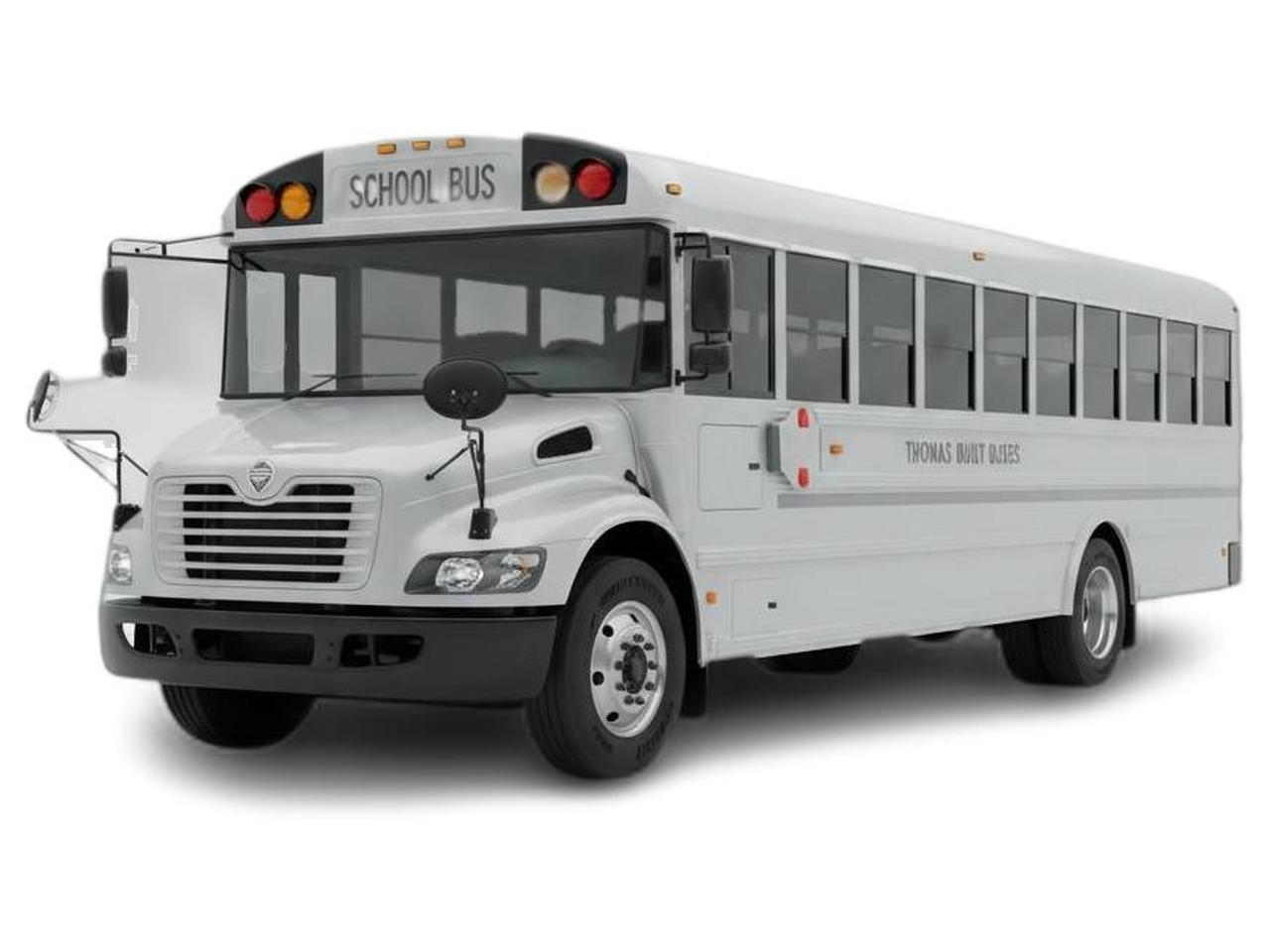
The 2025 Thomas School Bus, a stalwart in student transportation, boasts a legacy of safety and reliability spanning decades. Known for its distinctive Type C conventional body style, Thomas buses have been a familiar sight since their inception. While specific trims and pricing for the 2025 model year are typically determined by fleet orders, their enduring popularity stems from unparalleled safety features, robust construction, and a commitment to transporting children securely, making them a trusted choice for school districts nationwide.
The Good
The 2025 Thomas School Bus excels in unwavering reliability and robust safety, offering peace of mind to parents and districts. Its durable design ensures longevity, while practical considerations like driver visibility and passenger comfort are prioritized, making it a sound investment for efficient and secure student transport.
The Bad
While highly reliable, potential buyers should be aware that the 2025 Thomas School Bus may have a less sophisticated infotainment system compared to modern consumer vehicles. Repair costs for specialized components could also be higher, and its sheer size can present parking and maneuverability challenges in tight urban environments.
2025 Thomas School Bus: Quick Overview
- Engine Options: The 2025 Thomas School Bus typically offers a selection of powerful and durable diesel engines designed for heavy-duty operation. Common choices include Cummins ISB or ISL series engines, known for their torque and longevity in demanding applications. Gasoline engine options might also be available, particularly for lighter-duty applications or specific regional requirements.
- Horsepower: Horsepower ratings generally range from approximately 200 hp to over 300 hp, depending on the specific engine chosen. These figures are optimized for carrying heavy loads of passengers and operating efficiently under various road conditions.
- Fuel Economy: Specific MPG figures are not typically advertised or comparable to passenger vehicles due to the bus's size, weight, and intended use. However, diesel engines are generally favored for their fuel efficiency in heavy-duty applications. Expected fuel economy would be in the single digits, varying significantly with load, terrain, and driving style.
- 0-60 Times: 0-60 mph acceleration times are not a relevant metric for school buses. Their design prioritizes safe and steady acceleration to manage passenger comfort and safety, rather than rapid speed.
- Towing Capacity: School buses are not designed for towing. Their primary function is passenger transport.
- Trim-Level Features: Thomas School Buses are typically configured based on specific school district needs rather than traditional consumer trim levels. Key features across configurations include:
- Advanced safety systems: High-strength steel construction, rollover protection, emergency exits, flashing warning lights, stop signs.
- Passenger amenities: Robust seating designed for durability and child safety, ample legroom, efficient heating and air conditioning systems.
- Driver ergonomics: Comfortable seating, clear instrumentation, excellent visibility, power steering, and braking systems.
- Optional features: Child presence detection systems, GPS tracking, backup cameras, accessibility lifts for students with disabilities, customizable interior layouts, and various exterior finishes.
2025 Thomas School Bus Specifications
Vehicle Information
| Year | 2025 |
| Make | Thomas |
| Model | School Bus |
| Trim | - |
| Style | - |
| Type | Truck |
| Category | Bus |
Manufacturing Details
| Made In | United States |
| Manufacturing City | HIGH POINT |
Dimensions
| Doors | - |
| Curb Weight | - |
| Gross Vehicle Weight Rating | - |
| Overall Height | - |
| Overall Length | - |
| Overall Width | - |
| Wheelbase Length | - |
| Standard Seating | - |
Engine & Performance
| Engine | ISB |
| Engine Size | 5.9L |
| Engine Cylinders | 6 |
| Transmission | - |
| Transmission Type | - |
| Transmission Speeds | - |
| Drivetrain | - |
Additional Features
| Anti-Brake System | - |
| Steering Type | - |
Pricing
| Manufacturer Suggested Retail Price (MSRP) | - |
| Invoice Price | - |
| Delivery Charges | - |
Vehicle History Report
Vehicle
Specifications
Specifications
Ownership
History
History
All History
Events
Events
NMVTIS Title
History Check
History Check
Salvage/Rebuilt
Check
Check
Accident
Check
Check
Theft
Check
Check
Open Lien
Check
Check
Past Sale
Listings
Listings
Safety
Recalls
Recalls
Odometer
Check
Check
Market Price
Analysis
Analysis
What Problems Does the 2025 Thomas School Bus Have?
The Thomas School Bus, with its long history, is generally regarded as exceptionally reliable, with a focus on durability and safety. However, as with any complex vehicle, certain issues can arise over time. For model years prior to 2025, some reports have indicated potential issues with the exhaust gas recirculation (EGR) system on certain diesel engines, which can lead to reduced performance or check engine lights. Transmission issues, while not widespread, can occur in heavily used buses, particularly with prolonged stop-and-go city driving. Electrical system glitches, such as malfunctioning lights or sensors, are also occasional points of concern, often stemming from the extensive wiring required for safety and operational features. Corrosion on the undercarriage, especially in regions with harsh winters and road salt, can be a long-term concern requiring diligent maintenance. Specific recalls are issued as needed by the manufacturer based on safety investigations and can involve anything from seat belt anchor integrity to potential fire hazards in certain components. It's crucial for fleet managers to stay updated on any manufacturer bulletins or recalls pertinent to their specific model year and configuration. Overall, long-term reliability is heavily dependent on adherence to rigorous maintenance schedules, which are designed to mitigate these potential problems and ensure the safe and efficient operation of these vital vehicles for many years.
How long will the 2025 Thomas School Bus last?
Thomas School Buses are built for extreme longevity, with average service lives often exceeding 12-15 years and accumulating mileage well over 200,000 miles, sometimes reaching 300,000 miles or more. This remarkable durability is a direct result of their robust construction and design for heavy-duty, constant use. Proper and consistent maintenance is the single most critical factor in achieving this extended service life. Neglecting routine oil changes, filter replacements, and inspections can lead to premature wear on the engine and drivetrain, becoming significant weaknesses over time. However, with diligent care, the chassis and body are known to withstand the elements and constant operation exceptionally well, making them a sound long-term investment for any school district.
What Technology & Safety Features are Included?
The 2025 Thomas School Bus prioritizes safety and functionality, with technology integrated to enhance both. Standard safety features are extensive and include a robust chassis and body construction designed to withstand significant impacts, advanced seat belt systems for passengers, and emergency exits strategically placed throughout the cabin. Driver-assistance technologies typically focus on visibility and awareness, such as large mirrors for comprehensive blind-spot monitoring and often standard backup cameras to aid in maneuvering. While traditional infotainment systems akin to passenger cars are not standard, provisions are made for communication systems, such as two-way radios. Optional technology packages can significantly enhance the bus's capabilities. These may include sophisticated GPS tracking systems for fleet management and student location monitoring, child presence detection systems that alert the driver if a child is left behind, and advanced electronic diagnostics for proactive maintenance. Some models can be equipped with enhanced lighting systems for improved visibility in adverse weather. Crash-test ratings are not typically published by independent agencies for school buses in the same manner as for consumer vehicles. Instead, Thomas Built Buses adheres to and often exceeds stringent federal safety standards (FMVSS) and industry-specific regulations, such as those set by the National Highway Traffic Safety Administration (NHTSA) and industry bodies. These standards cover structural integrity, occupant protection, fire resistance, and emergency egress, ensuring a high level of safety inherent in the bus's design. The focus remains on occupant protection and reliable operation over entertainment features.
What Colors Options are Available?
2025 Thomas School Bus Prices and Market Value
New 2025 Thomas School Buses are typically purchased by school districts through fleet bids and custom configurations, making a standard new price difficult to pinpoint, but generally ranging from $90,000 to $150,000 or more depending on specifications and options. The used market for Thomas School Buses is robust, with well-maintained units often selling in the $20,000 to $60,000 range, again heavily influenced by age, mileage, condition, and features. Depreciation is relatively moderate for school buses compared to consumer vehicles, given their inherent durability and continued demand. Key factors affecting resale value include documented maintenance history, the presence of specialized equipment like wheelchair lifts, the overall condition of the engine and drivetrain, and the absence of significant rust or body damage. Buses retired from public school service often hold their value better than those used for charter services due to typically more stringent maintenance protocols.
2025 Thomas School Bus Cost of Ownership
Owning a 2025 Thomas School Bus involves significant costs. Insurance premiums will be higher than for passenger vehicles due to their size, operational risks, and passenger capacity. Fuel costs, primarily diesel, are a major ongoing expense, though efficient engine options can mitigate this somewhat. Routine maintenance is crucial and includes regular oil changes, filter replacements, brake checks, and tire rotations, which are substantial for a vehicle of this scale. Repair costs for specialized components can be considerable. While the initial purchase price is high, and ongoing operational costs are significant, the long-term durability and reliability often make them economical to own when considering their extended lifespan and the critical service they provide, especially when compared to purchasing multiple smaller vehicles over time.
2025 Thomas School Bus Fuel Efficiency
Fuel Type
Diesel
Fuel Capacity
-
City Mileage
-
Highway Mileage
-
2025 Thomas School Bus Warranty
Basic
Original warranty
0 months / No data
Estimated remaining
Expired
Powertrain
Original warranty
0 months / No data
Estimated remaining
Expired
Rust
Original warranty
0 months / No data
Estimated remaining
Expired
2025 Thomas School Bus Insurance
Insurance for a 2025 Thomas School Bus is moderately priced, reflecting its status as a Truck with strong safety ratings and
reasonable repair costs.
How Does the 2025 Thomas School Bus Compare to Other Truck?
The 2025 Thomas School Bus operates in a specialized segment dominated by a few key manufacturers, with its primary rivals being Blue Bird and IC Bus. In terms of performance, all three brands focus on robust diesel powertrains designed for torque and durability, rather than speed. Horsepower and acceleration are comparable, prioritizing steady movement with a full load. Reliability is where Thomas often shines, with a reputation for exceptional longevity and build quality. While Blue Bird and IC Bus also offer very reliable vehicles, Thomas buses are frequently cited for their sturdy construction that withstands years of rigorous use. Features-wise, all three offer essential safety components, including advanced structural integrity, emergency exits, and warning systems. Optional features can vary, with each manufacturer offering different levels of technological integration for fleet management, passenger comfort, and accessibility. Price is a significant factor, and typically, these buses are purchased through competitive bidding processes by school districts. Prices are generally in a similar range, with specific costs dictated by the chosen configuration, engine, and optional equipment. For most school districts prioritizing a proven track record of safety and long-term durability, the Thomas School Bus is a top-tier contender. Alternatives like the Blue Bird Vision or IC CE Series offer very similar capabilities and reliability, and the choice between them often comes down to specific bid pricing, dealer support in the region, and minor feature preferences. For unique applications outside of standard student transport, such as specialized shuttle services, one might consider commercial cutaway van chassis buses, but for the dedicated purpose of school transportation, Thomas, Blue Bird, and IC remain the benchmark, with Thomas often perceived as having a slight edge in overall ruggedness and historical reliability.
Final Verdict: Is the 2025 Thomas School Bus a Good Truck?

The 2025 Thomas School Bus is ideal for school districts, private educational institutions, and charter bus companies that require a safe, reliable, and durable vehicle for transporting students. It is unequivocally worth buying for its exceptional safety features, robust construction, and long service life, which contribute to lower total cost of ownership over time despite a higher initial investment. New purchases are best for districts seeking the latest safety advancements and manufacturer warranties. For budget-conscious buyers or smaller organizations, a well-maintained used Thomas School Bus, particularly one from a public school fleet with a documented maintenance history, presents excellent value. Focus on models with strong structural integrity and functional powertrains.