
by VIN, Year, Make, Model by License Plate

1996 Buick Riviera Overview, Reviews, Ratings & Specs

Rating: 0.00
Based on 0 Owner Reviews
Jovan | June 15, 2026
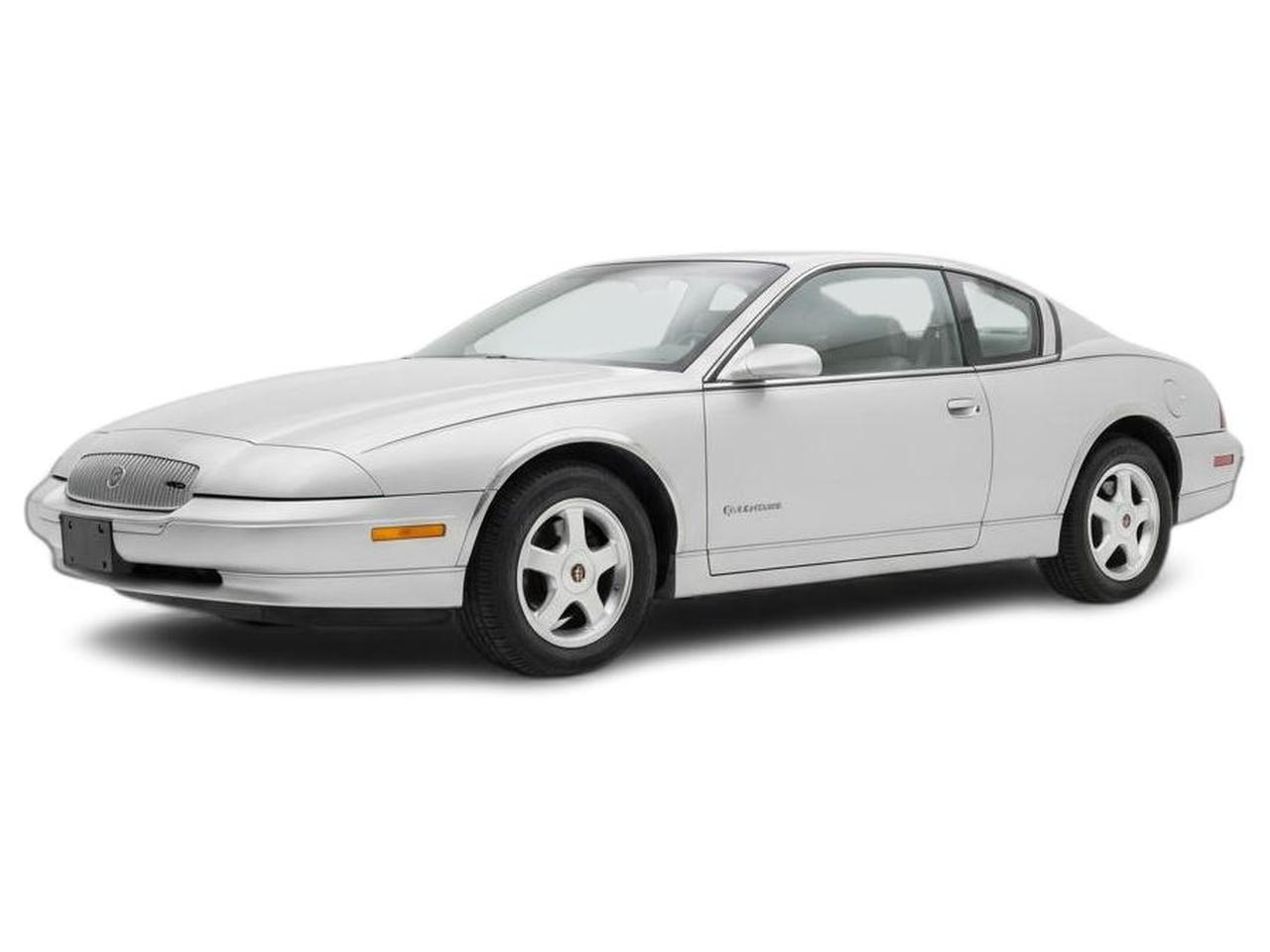
The 1996 Buick Riviera is a personal luxury coupe that was produced from 1963 to 1999. The 1996 model represents the final generation, known for its distinctive styling and comfortable ride. Key trims included the base and the more powerful Supercharged option. This model year stood out with its sleek, aerodynamic design and the availability of a potent supercharged V6 engine, making it a sophisticated choice for its era.
The Good

The 1996 Riviera offers a compelling blend of comfort and performance, with a spacious interior and a smooth ride. Its bold design appeals to emotional buyers, while the available supercharged engine provides exciting acceleration. For practical buyers, it offers good value as a used car with a comfortable daily driving experience.

The Bad

Potential buyers should be aware of electrical gremlins, particularly with the climate control system and power accessories. Transmission issues and intake manifold gasket leaks are also common concerns that can lead to costly repairs if not addressed proactively.

1996 Buick Riviera: Quick Overview

  • Engine Options: The 1996 Buick Riviera was available with two primary engine options:
    • A naturally aspirated 3.8-liter V6 engine.
    • A supercharged 3.8-liter V6 engine (available on the Supercharged trim).
  • Horsepower:
    • 3.8L V6: Approximately 205 horsepower.
    • 3.8L Supercharged V6: Approximately 240 horsepower.
  • Fuel Economy:
    • The 3.8L V6 generally achieved around 18-20 MPG in the city and 27-30 MPG on the highway.
    • The Supercharged version saw slightly lower MPG figures due to its performance orientation, often in the range of 17-19 MPG city and 25-28 MPG highway. These figures can vary significantly based on driving conditions and maintenance.
  • 0-60 Times:
    • With the naturally aspirated 3.8L V6, 0-60 MPH times were typically in the 8-9 second range.
    • The Supercharged model offered a more spirited acceleration, with 0-60 MPH times often in the 7-8 second range.
  • Towing Capacity: The Buick Riviera was not designed for significant towing. It generally had a very limited or no official towing capacity, as it was marketed as a personal luxury coupe.
  • Trim-Level Features:
    • Base Riviera: Featured a comfortable interior with power seats, power windows and locks, air conditioning, cruise control, a tilt steering wheel, and an AM/FM stereo with cassette player. Alloy wheels were standard.
    • Riviera Supercharged: Added the more powerful supercharged engine, distinct badging, and often included upgraded suspension components and sportier interior trim elements. Optional features on both trims could include leather upholstery, a premium sound system with CD player, sunroof, and heated seats.

1996 Buick Riviera Specifications

Vehicle Information
Year 1996
Make Buick
Model Riviera
Trim -
Style -
Type Coupe
Category Mid-Size Car
Manufacturing Details
Made In United States
Manufacturing City ORION
Dimensions
Doors 2-Door
Curb Weight 3706 pounds
Gross Vehicle Weight Rating -
Overall Height 54.60 inches
Overall Length 207.20 inches
Overall Width 75.00 inches
Wheelbase Length 113.80 inches
Standard Seating 6
Engine & Performance
Engine 3.8L V6
Engine Size 3.8L
Engine Cylinders 6
Transmission 4-Speed Automatic
Transmission Type Automatic
Transmission Speeds 4-Speed
Drivetrain Front-Wheel Drive
Additional Features
Anti-Brake System 4-Wheel ABS
Steering Type Rack & Pinion
Pricing
Manufacturer Suggested Retail Price (MSRP) $30,010
Invoice Price -
Delivery Charges -

Vehicle History Report

Vehicle
Specifications
Ownership
History
All History
Events
NMVTIS Title
History Check
Salvage/Rebuilt
Check
Accident
Check
Theft
Check
Open Lien
Check
Past Sale
Listings
Safety
Recalls
Odometer
Check
Market Price
Analysis

What Problems Does the 1996 Buick Riviera Have?

The 1996 Buick Riviera, like many vehicles from this era, has a few commonly reported issues that prospective owners should be aware of. One of the most persistent problems revolves around the climate control system. Owners frequently report failures with the blower motor resistor, leading to loss of fan speeds or complete failure. The climate control module itself can also be a source of trouble, exhibiting erratic behavior or complete inoperability. Another notable concern is the intake manifold gasket. These gaskets are prone to leaking, especially on the 3.8L V6 engines, which can lead to coolant leaks and potential engine overheating if left unaddressed. This is a relatively common repair for these engines. Transmission issues have also been cited, with some owners experiencing premature wear or failure of the automatic transmission, particularly with higher mileage examples. Problems can range from delayed shifting to complete loss of drive. Electrical gremlins are another area to watch. This can manifest in various ways, including malfunctioning power windows, door locks, and dashboard warning lights that illuminate without apparent cause. While no major recalls specifically stand out as widespread catastrophic failures for the 1996 model year, it is always recommended to check the National Highway Traffic Safety Administration (NHTSA) database for any specific campaigns. Long-term reliability can be impacted by the age of the components; seals, hoses, and rubber parts naturally degrade over time. The supercharged engine, while offering more power, can also be more susceptible to issues related to its increased complexity if not meticulously maintained. Overall, while the Riviera can be a reliable car, its advanced features for the time can also lead to more complex and potentially expensive repairs as it ages. Regular and diligent maintenance is crucial for mitigating these common issues and ensuring longevity.

How long will the 1996 Buick Riviera last?

Based on owner data and typical maintenance, a well-maintained 1996 Buick Riviera can reasonably expect to serve for 200,000 to 250,000 miles, or approximately 15-20 years of service. Long-term durability is generally decent for the powertrain, especially the naturally aspirated 3.8L V6, which is known for its robustness. However, the longevity is heavily influenced by the owner's commitment to regular maintenance. Weaknesses that tend to manifest over time include the aforementioned electrical issues, climate control system components, and potential for intake manifold gasket leaks and transmission wear. Suspension components and exhaust systems will also age and require attention. Cars with meticulous service records will undoubtedly last longer and perform better than those that have been neglected. Attention to these common aging parts is key to maximizing the vehicle's lifespan.

What Technology & Safety Features are Included?

The 1996 Buick Riviera offered a decent array of technology and safety features for its time, aiming to provide a comfortable and secure driving experience. Standard entertainment typically included an AM/FM stereo with a cassette player. Optional upgrades could bring a CD player and a more premium sound system, enhancing the audio experience for occupants. While comprehensive infotainment systems as we know them today were absent, the focus was on user-friendly controls and a pleasing cabin ambiance.

In terms of driver-assistance features, the 1996 Riviera was relatively basic. It did not come equipped with advanced systems like adaptive cruise control or lane-keeping assist. However, features like cruise control and power-adjustable seats were designed to enhance driver comfort and reduce fatigue on longer journeys. A tilt steering wheel also contributed to a more ergonomic driving position.

Safety was a key consideration, and the 1996 Riviera included standard features such as anti-lock brakes (ABS) and driver and passenger front airbags. Many models also came equipped with automatic seat belts for added security. Traction control was available on some models, particularly the Supercharged trim, aiding in maintaining stability on slippery surfaces. Power windows and locks, while convenience features, also contributed to safety by allowing for quick egress if needed.

Regarding crash-test ratings, information for the 1996 model year specifically can be limited in modern databases. However, vehicles from this era generally performed moderately in frontal and side-impact tests compared to today's standards. The Riviera's chassis was designed to absorb impact, and the inclusion of airbags and ABS represented the safety technology of the mid-1990s. Buyers seeking detailed historical crash data would need to consult archived testing reports from organizations like the IIHS or NHTSA for that specific model year.

What Colors Options are Available?

We’re working on this section!
In the meantime, feel free to explore the other sections for more content.

1996 Buick Riviera Prices and Market Value

When new, the 1996 Buick Riviera had a Manufacturer's Suggested Retail Price (MSRP) that typically ranged from the mid-$30,000s for the base model to around $38,000-$40,000 for the Supercharged trim. As a personal luxury coupe from the mid-90s, it experienced significant depreciation typical of its class. Today, the used market prices for a 1996 Buick Riviera vary widely based on condition, mileage, and trim level. Expect to find examples ranging from as low as $2,000-$3,000 for high-mileage or project cars, up to $6,000-$9,000 or more for exceptionally well-maintained, low-mileage Supercharged models. Factors affecting resale value include the presence of the supercharged engine, pristine body and interior condition, a documented maintenance history, and the overall rarity of a well-preserved example. Common issues like worn interiors or mechanical problems significantly depress value.

1996 Buick Riviera Cost of Ownership

Owning a 1996 Buick Riviera can be moderately economical in terms of fuel, especially with the naturally aspirated V6, offering decent highway MPG. Insurance costs are generally reasonable for a 25-year-old vehicle, falling into a standard bracket. Maintenance costs are where expenses can fluctuate; routine servicing is comparable to other vehicles of its era, but repairs for its more complex features, like the supercharged engine or climate control system, can become costly. Parts availability for some specific components might also be a consideration. Overall, while not prohibitively expensive, it's not the most economical vehicle to own if significant repairs are needed, leaning towards moderate ownership costs.

1996 Buick Riviera Fuel Efficiency

Fuel Type Gasoline
Fuel Capacity 19.40 gallons
City Mileage 19 miles/gallon
Highway Mileage 29 miles/gallon

1996 Buick Riviera Safety Rating

NHTSA
Side Driver Rating Not Tested
Frontal Passenger Rating Not Tested
Rollover Rating Not Tested
Side Rear Passenger Rating Not Tested
Frontal Driver Rating Not Tested
IIHS
Moderate Overlap Front Test Results Not Tested

1996 Buick Riviera Recalls & Defects

Electrical System:ignition:anti-Theft:control Module
Recall date 1995-10-23
Recall no. 95v204000
Source NHTSA
Summary These Vehicles Were Assembled With A Malfunction Alarm, Lighting and Locking (Mall) Module That CAN Contain A Damaged Capacitor. IF THE Capacitor IS Damaged, THE "key IN THE Ignition" Warning Chime and THE Driver Seat Belt Unbuckled Warning Chime and Indicator Lamp MAY NOT Work. This Does NOT Meet THE Requirements OF Fmvss NO. 114, "theft Protection" and Fmvss NO. 208, "occupant Crash Protection." IN Addition, Other Chime Reminder Functions, Interior Lighting Controls, and Power Door Locking Features ARE Also Affected.
Consequence Consequence OF Non-Compliance; THE Driver MAY NOT BE Aware That THE KEY WAS Left IN THE Ignition or That THE Safety Belt WAS NOT Buckled.
Remedy Dealers Will Inspect And, IF Required, Replace THE Mall Module.
Notes System: Electrical; Ignition; Anti-Theft; Fmvss NO. 114 and NO. 208.vehicle Description: Passenger Vehicles.note: Owners WHO Take Their Vehicles TO AN Authorized Dealer ON AN Agreed Upon Service Date and DO NOT Receive THE Free Remedy Within A Reasonable Time Should Contact Buick AT 1-800-521-7300; Oldsmobile AT 1-800-442-6537; or Pontiac AT 1-800-762-2737. Also Contact THE National Highway Traffic Safety Administration's Auto Safety Hotline AT 1-800-424-9393.
Fuel System, Gasoline:fuel Injection System
Recall date 1996-07-01
Recall no. 96v116000
Source NHTSA
Summary A Backfire During Engine Starting CAN Cause Breakage OF THE Upper Intake Manifold.
Consequence This Condition CAN Cause A No-Start Condition and Possibly AN Engine Compartment Fire.
Remedy Dealers Will Update THE Powertrain Control Module Programming. Until THE Campaign Repair IS Made, THE Vehicle Hood Should BE Shut Whenever Starting THE Vehicle TO Reduce THE Chance OF Personal Injury.
Notes Vehicle Description: Passenger Vehicles Equipped With 3.8l V6 Engine. Owner Notification: Owner Notifications Began During July 1996. Note: Owners WHO Take Their Vehicles TO AN Authorized Dealer ON AN Agreed Upon Service Date and DO NOT Receive THE Free Remedy Within A Reasonable Time Should Contact Buick AT 1-800-521-7300; Pontiac AT 1-800-762-2737; or Oldsmobile AT 1-800-442-6537. Also Contact THE National Highway Traffic Safety Administration's Auto Safety Hotline AT 1-800-424-9393.

1996 Buick Riviera Warranty

Basic
Original warranty 0 months / No data
Estimated remaining Expired
Powertrain
Original warranty 0 months / No data
Estimated remaining Expired
Rust
Original warranty 0 months / No data
Estimated remaining Expired

1996 Buick Riviera Insurance

Insurance for a 1996 Buick Riviera is moderately priced, reflecting its status as a Coupe with strong safety ratings and
reasonable repair costs.

How Does the 1996 Buick Riviera Compare to Other Coupe?

The 1996 Buick Riviera competed in the personal luxury coupe segment, facing off against rivals like the Ford Thunderbird/Mercury Cougar, Chevrolet Monte Carlo, and sometimes more upscale offerings from import brands. In terms of performance, the Riviera's supercharged V6 was a strong contender, often outperforming the base engines of its domestic rivals, offering a blend of brisk acceleration and comfortable cruising. The Ford Thunderbird/Mercury Cougar offered similar V6 and V8 options, with the Cougar often styled more aggressively. The Chevrolet Monte Carlo leaned more towards a sporty image but often lacked the refined luxury of the Riviera.

Feature-wise, the Riviera was generally well-equipped for its price point, emphasizing comfort with plush interiors and a quiet ride. It often offered amenities that were optional or unavailable on some competitors. However, some rivals might have had more modern interior designs or slightly more advanced optional technology.

Reliability is where the Riviera can be a mixed bag compared to some rivals. While the 3800 V6 engine series is known for durability, the Riviera's more complex electrical systems and climate control can be more prone to issues than simpler designs found in some competitors. Ford's Thunderbird and Cougar had their own sets of common problems, and the Monte Carlo, being a platform sibling to the Grand Prix, shared some of those characteristics.

In terms of price, the Riviera was positioned as a premium offering within the domestic luxury coupe market, often costing slightly more than comparable Thunderbirds or Monte Carlos, but offering a more substantial feel and more standard luxury features.

Alternatives:
  • Similar: Ford Thunderbird/Mercury Cougar (1994-1997): Offered a comparable V6/V8 experience and was a direct competitor. Might be found with more aggressive styling.
  • Similar: Chevrolet Monte Carlo (1995-1999): A more performance-oriented, though less luxurious, option sharing some GM underpinnings.
  • More Upscale (if budget allows): Lexus SC300/SC400 (1991-2000): If budget is less of a constraint and long-term reliability is paramount, these Japanese coupes offered superior build quality, reliability, and a more refined driving experience, albeit at a higher initial and ongoing cost.
The Riviera excels in offering a smooth, quiet ride with a potent optional engine, making it a compelling choice if its specific quirks are addressed.

Final Verdict: Is the 1996 Buick Riviera a Good Coupe?

The 1996 Buick Riviera is ideally suited for buyers seeking a comfortable, stylish personal luxury coupe with a smooth ride and a touch of classic American automotive charm. It appeals to those who appreciate distinctive styling and don't mind a bit of character-building maintenance. It is certainly worth buying, but primarily in the used market, as finding a new one is impossible and the initial depreciation has already occurred.

Conditions for purchase should focus on well-maintained examples, ideally with documented service history. The Supercharged trim offers a more engaging driving experience and is often more desirable, but requires careful inspection for potential issues related to its performance enhancements. Buyers should be prepared for potential repairs related to its electrical systems and climate control. For the right price and with a pre-purchase inspection, the 1996 Riviera can be a rewarding and comfortable daily driver or weekend cruiser.

1996 Buick Riviera Owner Reviews

0.00
Consumer Rating, Based on 0 Consumer Reviews
Overall rating
Cancel
Thank You for Your Review!

We truly appreciate the time and effort you took to share your experience with us.

Uh oh!

Something went wrong, please try again later.

Author Image
Jovan

Jovan specializes in interpreting vehicle records and making sense of VIN data. With over 10 years of experience in the automotive data industry, his work ensures that every report is clear, accurate, and useful for car buyers.