
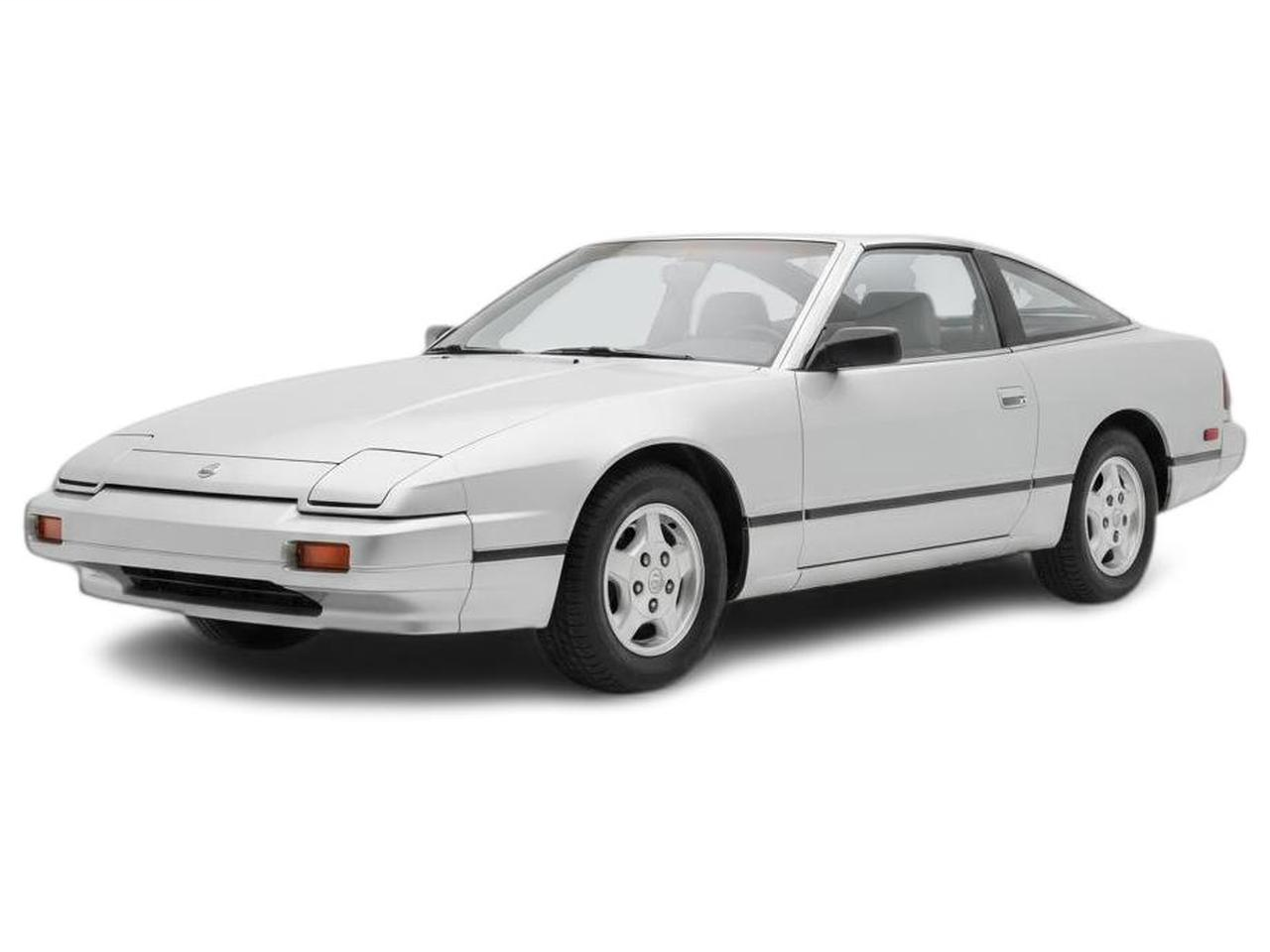
The Good
The 1984 200SX offered engaging rear-wheel-drive performance, especially with the turbo option. Its stylish, angular design resonated with buyers seeking a sporty aesthetic. For practical owners, it provided decent fuel economy and generally good reliability for its era, making it an appealing blend of fun and sensible ownership.
The Bad
Owners should watch out for rust, particularly in the wheel wells, rocker panels, and around the rear window. Electrical gremlins can also be an issue, especially with aging components. The turbo models can be prone to turbo failure if not maintained properly. Interior wear and tear are also common.
1984 Nissan 200SX: Quick Overview
- Engine Options: The 1984 Nissan 200SX featured two primary engine choices.
- Naturally Aspirated: A 2.0-liter SOHC 4-cylinder engine (FJ20E) was standard in most models.
- Horsepower: Approximately 100-110 horsepower.
- Fuel Economy: Estimated around 20-25 MPG city / 28-32 MPG highway.
- 0-60 Times: Roughly 9-10 seconds.
- Horsepower: Approximately 100-110 horsepower.
- Turbocharged: A more potent 2.0-liter DOHC turbocharged 4-cylinder engine (FJ20ET) was available on higher trims, particularly the SE Turbo.
- Horsepower: Approximately 130-145 horsepower.
- Fuel Economy: Slightly lower than the naturally aspirated version, around 18-22 MPG city / 26-30 MPG highway.
- 0-60 Times: Significantly improved, around 7-8 seconds.
- Horsepower: Approximately 130-145 horsepower.
- Naturally Aspirated: A 2.0-liter SOHC 4-cylinder engine (FJ20E) was standard in most models.
- Towing Capacity: Not applicable. The 200SX was not designed or equipped for towing.
- Trim-Level Features:
- Base Model: Typically included standard features like power steering, intermittent wipers, and a basic AM/FM radio. Manual transmission was common.
- SE Trim: Often added amenities such as alloy wheels, upgraded interior trim, fog lights, and sometimes power windows and mirrors.
- SE Turbo Trim: Included all SE features plus the turbocharged engine, performance-tuned suspension, limited-slip differential (on some), and distinctive badging. These models were the performance pinnacle.
- Optional Features: Could include air conditioning, a tilt steering wheel, a cassette player, and cruise control.
- Base Model: Typically included standard features like power steering, intermittent wipers, and a basic AM/FM radio. Manual transmission was common.
1984 Nissan 200SX Specifications
Vehicle Information
| Year | 1984 |
| Make | Nissan |
| Model | 200SX |
| Trim | - |
| Style | - |
| Type | Hatchback |
| Category | Compact Car |
Manufacturing Details
| Made In | Japan |
| Manufacturing City | MIYAWAKA |
Dimensions
| Doors | 2-Door |
| Curb Weight | - |
| Gross Vehicle Weight Rating | - |
| Overall Height | - |
| Overall Length | - |
| Overall Width | - |
| Wheelbase Length | - |
| Standard Seating | - |
Engine & Performance
| Engine | 1.8L I4 |
| Engine Size | 1.8L |
| Engine Cylinders | 4 |
| Transmission | - |
| Transmission Type | - |
| Transmission Speeds | - |
| Drivetrain | Rear-Wheel Drive |
Additional Features
| Anti-Brake System | - |
| Steering Type | - |
Pricing
| Manufacturer Suggested Retail Price (MSRP) | - |
| Invoice Price | - |
| Delivery Charges | - |
Vehicle History Report
Specifications
History
Events
History Check
Check
Check
Check
Check
Listings
Recalls
Check
Analysis
What Problems Does the 1984 Nissan 200SX Have?
Electrical issues are another recurring theme. Aging wiring harnesses, failing sensors, and worn-out switches can lead to intermittent problems with various systems, from power windows and mirrors to the ignition and fuel injection. The digital dashboards on some higher trims, while futuristic for the time, can be prone to pixel degradation and failure.
For models equipped with the turbocharged engine (FJ20ET), maintenance history is crucial. Turbocharger seals can degrade over time, leading to oil consumption and eventual turbo failure. Intercooler hoses can crack, impacting boost pressure. Proper and timely oil changes are paramount to the longevity of the turbo.
Other reported issues include worn suspension components (bushings, ball joints, shocks), clutch wear in manual transmission vehicles, and the occasional failure of the automatic transmission in those models. Overheating can also be a concern if the cooling system is not properly maintained. While specific recalls for the 1984 model year are not widely documented as major widespread issues, general maintenance and addressing wear and tear as it arises are key to maintaining reliability. The overall reliability of the 200SX is considered decent for its age, but heavily depends on the previous owner's maintenance habits and the climate it has lived in.
How long will the 1984 Nissan 200SX last?
What Technology & Safety Features are Included?
Built-in Tech & Entertainment: Standard entertainment typically consisted of an AM/FM radio. Higher trims and optional packages could include a cassette player, offering a significant upgrade for music lovers of the era. Some models featured optional power windows and power mirrors, adding a touch of convenience. Digital dashboards were an option on some higher-end models, providing a futuristic aesthetic with electronic gauges for speed, RPM, and fuel level, though these could be prone to failure over time.
Driver-Assistance Features: Driver-assistance features were minimal by modern standards. Power steering was standard, enhancing maneuverability. Cruise control was an available option on some models, particularly those intended for longer journeys. The focus was on the driving dynamics, with the rear-wheel-drive platform and available limited-slip differential on turbo models offering enhanced driver control for spirited driving.
Safety Features: Standard safety features included seat belts (lap and shoulder belts) and crumple zones designed into the body structure. Side-impact beams were also incorporated into the doors for enhanced protection. For the time, anti-lock braking systems (ABS) were not commonly available or standard on vehicles in this class; the 1984 200SX would typically have standard four-wheel disc or front disc/rear drum brakes.
Crash-Test Ratings: Specific, detailed crash-test ratings from agencies like the NHTSA or IIHS for the 1984 model year are not readily available or as comprehensive as today's testing. However, vehicles of this era generally performed less favorably in frontal and side impact tests compared to modern vehicles due to advancements in safety engineering and airbag technology. The 200SX would be considered to have basic safety features for its time.
What Colors Options are Available?
1984 Nissan 200SX Prices and Market Value
1984 Nissan 200SX Cost of Ownership
1984 Nissan 200SX Fuel Efficiency
1984 Nissan 200SX Warranty
Basic
Powertrain
Rust
1984 Nissan 200SX Insurance
reasonable repair costs.
How Does the 1984 Nissan 200SX Compare to Other Hatchback?
Performance: The 200SX, especially the turbocharged variant, offered competitive performance. Its rear-wheel-drive layout provided a more engaging driving experience than many front-wheel-drive competitors like the Celica. The RX-7 offered unique rotary power, while the Starion boasted potent turbo performance. The Mustang offered V8 power but a different driving dynamic. The 200SX often struck a good balance between sharp handling and straight-line acceleration.
Features: For its time, the 200SX offered a decent array of features, particularly on the SE trims, including optional digital dashboards and sportier interiors. Rivals like the Celica offered similar creature comforts. The RX-7 was known for its sporty cockpit, and the Starion often came with advanced tech for its era. However, none of these cars in 1984 boasted the extensive driver-assistance or advanced infotainment systems found in modern vehicles.
Reliability: Nissan generally had a reputation for good reliability in this era, and the 200SX was typically seen as a solid performer. Toyota's Celica was also renowned for its durability. Mazda's RX-7, while exciting, could be more temperamental with its rotary engine maintenance. The Starion's complexity could sometimes lead to more issues. For an enthusiast seeking a balance, the 200SX was often a more reliable choice than some of its more complex or performance-focused rivals.
Price: The 200SX was typically priced competitively, offering good value for its performance and features, often undercutting some European or more specialized sports cars.
Alternatives: For similar rear-wheel-drive, sporty handling, the Mazda RX-7 (FC generation was emerging) is a strong alternative, though potentially less reliable. The Toyota Celica (especially RWD models) offers a more refined and often more reliable package but with less raw sportiness. If raw power is the goal, a Mustang might be considered, but it sacrifices the nimble handling. For a more unique, albeit potentially higher-maintenance, choice, the Mitsubishi Starion presents a compelling, equally quirky alternative.
Final Verdict: Is the 1984 Nissan 200SX a Good Hatchback?

Drew B
Drew is a seasoned automotive expert and contributor to VinCheck.info. With nearly 15 years of experience as a former Porsche technician, he brings a wealth of hands-on knowledge to his writing. Born in North Carolina, a region renowned for its deep-rooted NASCAR culture, Drew developed a passion for cars early in life, often building and working on vehicles from a young age. At VINCheck, Drew leverages his extensive technical background to provide in-depth analyses of various vehicles. His articles often focus on engine performance, reliability, and maintenance insights, offering readers practical information grounded in real-world experience. Some of his notable contributions include reviews on the Mazda CX-5's longevity and detailed examinations of engine options for models like the 2011 Toyota Camry and Tacoma