The 2014 Kawasaki Ninja ZX-10R is a pinnacle of supersport motorcycle engineering, carrying a lineage of racing pedigree. This aggressive sportbike, part of the Ninja ZX-10R family which has seen continuous evolution, typically features a single, high-performance trim. Introduced to the market and continually refined, it became a darling of track enthusiasts and performance riders alike for its potent engine and razor-sharp handling. Its popularity stems from its ability to deliver exhilarating performance that bridges the gap between road and track.
The Good
The 2014 ZX-10R excels in blistering performance, offering an adrenaline rush for emotional riders, and boasts impressive reliability for practical owners. Its aggressive, aerodynamic design appeals to style-conscious buyers, while its track-focused nature provides unmatched excitement.

The Bad
Potential owners should be aware of the ZX-10R's firm suspension, which can be jarring on less-than-perfect roads. Its aggressive riding position isn't ideal for long-distance comfort. Some riders also note a tendency for the clutch to feel grabby at low speeds.
2014 Kawasaki Ninja ZX-10R: Quick Overview
- Engine Options: The 2014 Kawasaki Ninja ZX-10R features a single, potent engine option.
- Engine Type: 998cc, liquid-cooled, four-stroke, DOHC, four valves per cylinder inline-four.
- Horsepower: Approximately 200 hp (with ram air) at the crank, around 170-180 hp at the rear wheel.
- Torque: Around 85 lb-ft at the crank.
- Fuel Economy: Generally in the range of 30-35 MPG, though this can vary significantly with riding style.
- 0-60 Times: Typically around 2.9 to 3.1 seconds, showcasing its blistering acceleration.
- Top Speed: Electronically limited or capable of exceeding 180 mph.
- Towing Capacity: Not applicable, as this is a sport motorcycle designed for solo riding.
- Transmission: 6-speed, return shift.
- Clutch: Wet, multiple-disc, assist and slipper clutch.
- Brakes: Front: Dual semi-floating 310mm discs with dual radial-mount Nissin 4-piston calipers. Rear: Single 220mm disc with single-piston caliper. Optional ABS was available.
- Suspension: Front: 43mm inverted Showa Big Piston Fork (BPF) with stepless rebound and compression damping, spring preload adjustability. Rear: Horizontal Back-link gas-charged shock with Showa gas-charged shock with top-out spring and stepless rebound and compression damping, preload adjustability.
- Frame: Aluminum backbone.
- Fuel Capacity: 4.5 gallons.
- Weight: Approximately 430 lbs wet (with ABS).
- Trim-Level Features: The 2014 model typically came in a single, well-equipped trim. Key features included: electronically controlled fuel injection, S-KTRC (Sport-Kawasaki Traction Control) with three modes, KQS (Kawasaki Quick Shifter) for upshifts, three-mode engine mapping (full power, middle power, low power), an electronic steering damper, fully adjustable suspension, LED taillight, and a digital instrument panel. The ABS version was an optional upgrade.
2014 Kawasaki Ninja ZX-10R Specifications
Vehicle Information
| Year | 2014 |
| Make | Kawasaki |
| Model | Ninja ZX-10R |
| Trim | - |
| Style | - |
| Type | Motorcycle |
| Category | Motorcycle |
Manufacturing Details
| Made In | Japan |
| Manufacturing City | AKASHI |
Dimensions
| Doors | - |
| Curb Weight | - |
| Gross Vehicle Weight Rating | - |
| Overall Height | - |
| Overall Length | - |
| Overall Width | - |
| Wheelbase Length | - |
| Standard Seating | - |
Engine & Performance
| Engine | 998CC |
| Engine Size | 998L |
| Engine Cylinders | 4 |
| Transmission | - |
| Transmission Type | - |
| Transmission Speeds | - |
| Drivetrain | - |
Additional Features
| Anti-Brake System | - |
| Steering Type | - |
Pricing
| Manufacturer Suggested Retail Price (MSRP) | - |
| Invoice Price | - |
| Delivery Charges | - |
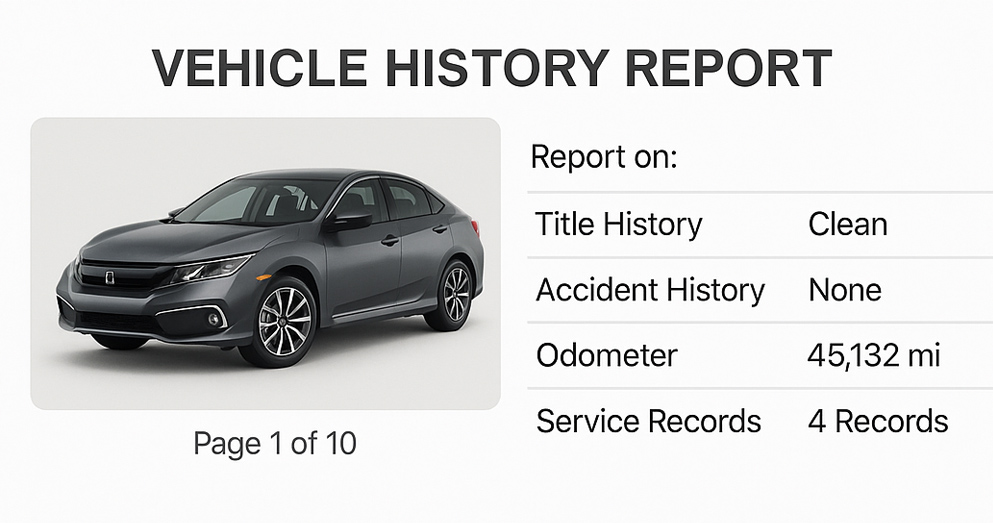
Vehicle History Report
Vehicle
Specifications
Specifications
Ownership
History
History
All History
Events
Events
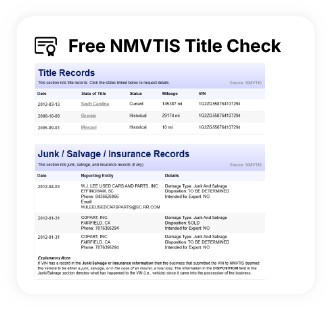
NMVTIS Title
History Check
History Check
Salvage/Rebuilt
Check
Check
Accident
Check
Check
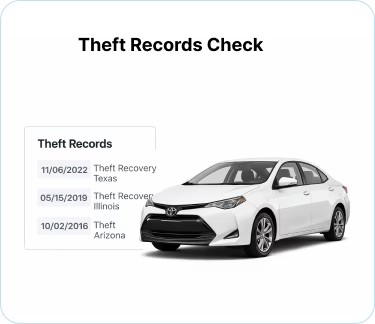
Theft
Check
Check
Open Lien
Check
Check
Past Sale
Listings
Listings
Safety
Recalls
Recalls
Odometer
Check
Check
Market Price
Analysis
Analysis
What Problems Does the 2014 Kawasaki Ninja ZX-10R Have?
The 2014 Kawasaki Ninja ZX-10R is generally regarded as a reliable machine, especially given its high-performance nature. However, like any sportbike, it's essential to consider potential issues and maintenance history. One area that owners sometimes mention is related to the stock clutch, with some experiencing a slightly grabby feel at very low speeds, particularly when trying to feather it in traffic. This is often a characteristic of performance clutches and can be mitigated with careful operation and potentially aftermarket adjustments or fluid changes.
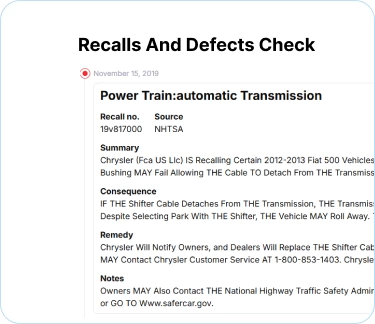
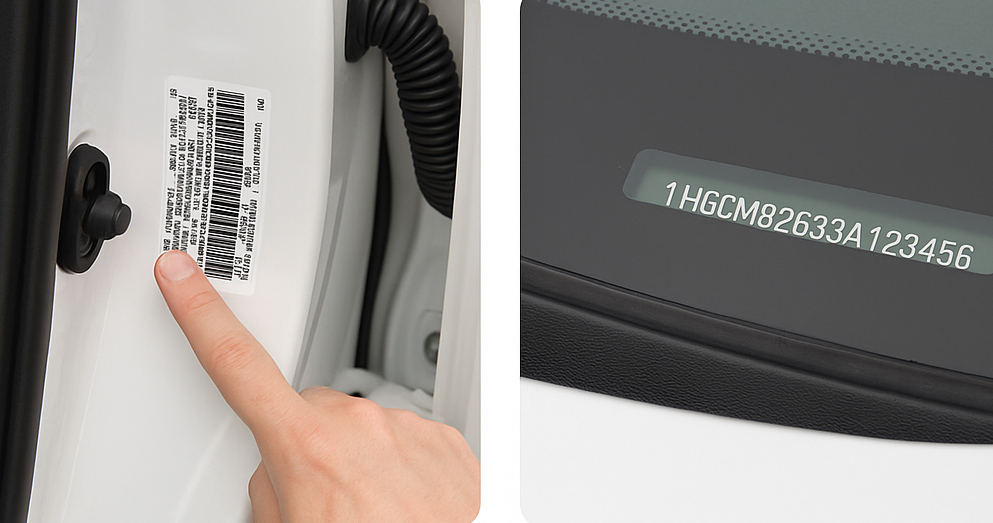
There haven't been widespread, major mechanical recalls specifically for the 2014 model year that indicate a systemic flaw. However, as with any vehicle, specific units can have isolated issues. Owners should always check the National Highway Traffic Safety Administration (NHTSA) website for any active recalls that might apply to their particular bike, using its VIN.
Long-term reliability is heavily dependent on how the motorcycle has been maintained and ridden. These bikes are often pushed to their limits, especially on track days. Therefore, a bike with a documented history of regular oil changes, coolant flushes, chain maintenance, and valve checks will likely be more reliable than one that has been neglected. The engine and transmission are robust, but improper maintenance or abuse can lead to premature wear.
Some riders have reported the electronic steering damper requiring adjustment or replacement over time, though this is not a common or widespread issue. The electronic systems, such as the traction control and engine mapping, are generally dependable, but as with any complex electronics, failure is a possibility over many years of use.
For potential buyers, a thorough pre-purchase inspection by a qualified mechanic is highly recommended. This should include checking for any signs of a hard life, such as frame damage, worn suspension components, or excessive wear on the drivetrain. A bike with a full service history from a reputable dealer or mechanic is always a safer bet.
There haven't been widespread, major mechanical recalls specifically for the 2014 model year that indicate a systemic flaw. However, as with any vehicle, specific units can have isolated issues. Owners should always check the National Highway Traffic Safety Administration (NHTSA) website for any active recalls that might apply to their particular bike, using its VIN.
Long-term reliability is heavily dependent on how the motorcycle has been maintained and ridden. These bikes are often pushed to their limits, especially on track days. Therefore, a bike with a documented history of regular oil changes, coolant flushes, chain maintenance, and valve checks will likely be more reliable than one that has been neglected. The engine and transmission are robust, but improper maintenance or abuse can lead to premature wear.
Some riders have reported the electronic steering damper requiring adjustment or replacement over time, though this is not a common or widespread issue. The electronic systems, such as the traction control and engine mapping, are generally dependable, but as with any complex electronics, failure is a possibility over many years of use.
For potential buyers, a thorough pre-purchase inspection by a qualified mechanic is highly recommended. This should include checking for any signs of a hard life, such as frame damage, worn suspension components, or excessive wear on the drivetrain. A bike with a full service history from a reputable dealer or mechanic is always a safer bet.
How long will the 2014 Kawasaki Ninja ZX-10R last?
Estimating average mileage for a 2014 Kawasaki Ninja ZX-10R is challenging due to its nature as a performance machine, often used for spirited riding or track days rather than daily commuting. However, well-maintained examples can see well over 50,000 miles of service. Many owners use them for weekend blasts and occasional track use, putting on 3,000-7,000 miles per year.
Long-term durability is generally excellent for the engine and transmission if basic maintenance is performed diligently. The powertrain is robust. Weaknesses that can emerge over time or with hard use include wear on suspension components (fork seals, shock seals), clutch plates, and chain/sprockets. Regular servicing, especially oil changes and valve adjustments, is critical for longevity. Electrical components are usually reliable, but like any complex system, can be susceptible to failure after many years or exposure to harsh conditions.
What Technology & Safety Features are Included?
The 2014 Kawasaki Ninja ZX-10R is equipped with a suite of performance-oriented technology designed to enhance rider control and experience, rather than comfort or entertainment features typically found in cars.
Technology and Performance Aids:
Safety Features:
While not equipped with automotive-style passive safety features like airbags or crumple zones, the ZX-10R prioritizes active safety through its advanced rider aids. The powerful ABS braking system (optional) significantly enhances stopping power and stability, reducing the risk of wheel lock-up under hard braking. The chassis and suspension are engineered for high-speed stability and precise handling, contributing to rider safety by allowing for better control.
Optional Features:
The most significant optional feature for the 2014 ZX-10R was the Antilock Braking System (ABS). This system is highly recommended for street use.
Entertainment:
As a dedicated supersport motorcycle, the 2014 ZX-10R does not feature any entertainment systems such as radios or infotainment screens. Its focus is solely on the riding experience.
Crash-Test Ratings:
Motorcycles are not subjected to the same type of crash-test ratings as automobiles by organizations like the NHTSA or IIHS. Safety is evaluated based on the motorcycle's design, engineering, and the effectiveness of its rider-assistance features.
Technology and Performance Aids:
- S-KTRC (Sport-Kawasaki Traction Control): This advanced system monitors wheel speed and can adjust engine output to maintain optimal traction. It offers three distinct modes: Mode 1 for aggressive cornering, Mode 2 for less aggressive cornering, and Mode 3 for maximum traction.
- KQS (Kawasaki Quick Shifter): Standard on the 2014 model, this system allows for clutchless upshifts, providing seamless acceleration and maintaining momentum.
- Engine Mapping (3-Mode): Riders can select between three distinct engine power modes: Full Power, Middle Power (reduced output), and Low Power (significantly reduced output). This allows for adaptation to different riding conditions or rider preferences.
- Electronic Steering Damper: A Showa electronic steering damper helps to suppress unwanted handlebarWobble and provides consistent damping force across a range of speeds.
- Digital Instrument Panel: A multi-function LCD display provides clear readouts for speed, RPM, gear position, fuel level, clock, trip meters, and settings for the various electronic aids.
Safety Features:
While not equipped with automotive-style passive safety features like airbags or crumple zones, the ZX-10R prioritizes active safety through its advanced rider aids. The powerful ABS braking system (optional) significantly enhances stopping power and stability, reducing the risk of wheel lock-up under hard braking. The chassis and suspension are engineered for high-speed stability and precise handling, contributing to rider safety by allowing for better control.
Optional Features:
The most significant optional feature for the 2014 ZX-10R was the Antilock Braking System (ABS). This system is highly recommended for street use.
Entertainment:
As a dedicated supersport motorcycle, the 2014 ZX-10R does not feature any entertainment systems such as radios or infotainment screens. Its focus is solely on the riding experience.
Crash-Test Ratings:
Motorcycles are not subjected to the same type of crash-test ratings as automobiles by organizations like the NHTSA or IIHS. Safety is evaluated based on the motorcycle's design, engineering, and the effectiveness of its rider-assistance features.
What Colors Options are Available?
2014 Kawasaki Ninja ZX-10R Prices and Market Value
When new, the 2014 Kawasaki Ninja ZX-10R typically retailed for around $15,000 to $15,500 USD, with the ABS version costing slightly more.
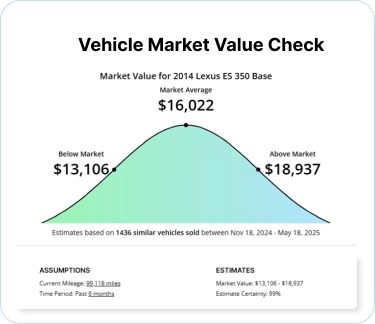
On the current used market, prices for a 2014 ZX-10R can range significantly, generally from $8,000 to $12,000, depending heavily on mileage, condition, maintenance history, modifications, and whether it has ABS.
The ZX-10R, like most high-performance motorcycles, experiences depreciation, but it tends to hold its value relatively well compared to less performance-oriented bikes, especially those with low mileage and in excellent, unmodified condition. Factors that positively affect resale value include a complete service record, original parts, minimal cosmetic damage, and the presence of ABS. Conversely, heavily tracked bikes with significant wear or cosmetic damage, or those with extensive aftermarket modifications, will generally fetch lower prices. Overall, it's a desirable model that retains good appeal.
On the current used market, prices for a 2014 ZX-10R can range significantly, generally from $8,000 to $12,000, depending heavily on mileage, condition, maintenance history, modifications, and whether it has ABS.
The ZX-10R, like most high-performance motorcycles, experiences depreciation, but it tends to hold its value relatively well compared to less performance-oriented bikes, especially those with low mileage and in excellent, unmodified condition. Factors that positively affect resale value include a complete service record, original parts, minimal cosmetic damage, and the presence of ABS. Conversely, heavily tracked bikes with significant wear or cosmetic damage, or those with extensive aftermarket modifications, will generally fetch lower prices. Overall, it's a desirable model that retains good appeal.
2014 Kawasaki Ninja ZX-10R Cost of Ownership
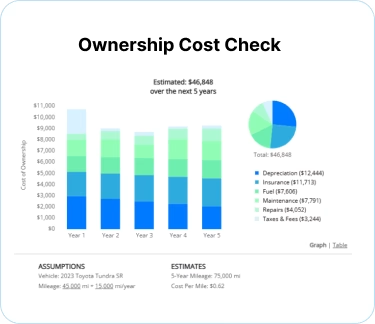
Owning a 2014 Kawasaki Ninja ZX-10R is generally considered costly, not economical. Insurance premiums can be high due to its performance and the rider demographic. Fuel consumption, while decent for a sportbike, averages around 30-35 MPG, making it less efficient than commuter bikes. Maintenance requires regular oil changes, chain lubrication/adjustment, and periodic valve checks, which can add up. Repairs, especially for engine or electronic component issues, can be expensive. Tires also wear quickly under spirited riding. While a thrilling ride, it demands a significant financial commitment for upkeep and operation.
2014 Kawasaki Ninja ZX-10R Fuel Efficiency
Fuel Type
NOT Applicable
Fuel Capacity
-
City Mileage
-
Highway Mileage
-
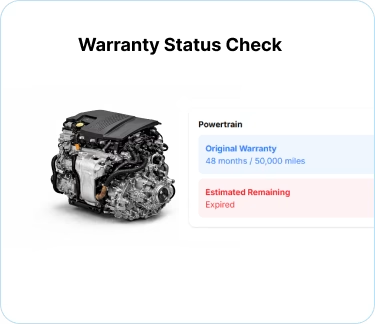
2014 Kawasaki Ninja ZX-10R Warranty
Basic
Original warranty
0 months / No data
Estimated remaining
Expired
Powertrain
Original warranty
0 months / No data
Estimated remaining
Expired
Rust
Original warranty
0 months / No data
Estimated remaining
Expired
2014 Kawasaki Ninja ZX-10R Insurance
Insurance for a 2014 Kawasaki Ninja ZX-10R is moderately priced, reflecting its status as a Motorcycle with strong safety ratings and
reasonable repair costs.
How Does the 2014 Kawasaki Ninja ZX-10R Compare to Other Motorcycle?
The 2014 Kawasaki Ninja ZX-10R competes in the hyperbike segment against formidable opponents such as the Yamaha YZF-R1, Honda CBR1000RR Fireblade, Suzuki GSX-R1000, and BMW S1000RR.
Performance: The ZX-10R is a performance titan. In 2014, it was renowned for its incredibly potent 998cc inline-four engine, delivering exhilarating acceleration and track-ready power output, often rivaling or surpassing its competitors. Its advanced S-KTRC traction control and Showa Big Piston Forks provided exceptional handling and rider confidence, making it a track day favorite. The Yamaha R1 of this era was known for its crossplane crank engine's unique torque delivery and sharp handling. The Honda CBR1000RR was praised for its user-friendliness and balanced performance. Suzuki's GSX-R1000 offered a strong engine and good value, while the BMW S1000RR was a benchmark for electronics and outright speed.
Features: Kawasaki packed the ZX-10R with advanced electronics for its time, including the sophisticated S-KTRC, KQS quick shifter, and selectable power modes. The optional ABS was a significant safety feature. Other rivals also offered sophisticated electronics; the S1000RR, in particular, was a leader in this regard with its own advanced traction control and ABS. The R1 offered rider aids and a distinct engine character.
Reliability: Generally, Japanese inline-four superbikes from this era, including the ZX-10R, are known for good reliability when properly maintained. The Kawasaki has a reputation for being robust. The Honda CBR1000RR often stands out for its exceptional long-term reliability and ease of maintenance. Yamaha and Suzuki also have strong reliability track records. The BMW S1000RR, while incredibly potent, sometimes had more reports of electrical gremlins or complex maintenance compared to its Japanese counterparts.
Price: The 2014 ZX-10R was competitively priced within the hyperbike class, often sitting in the middle to upper-mid range. The Yamaha R1 and Suzuki GSX-R1000 were often slightly more affordable, while the BMW S1000RR and sometimes the Yamaha R1 could be priced higher, especially with premium options.
Recommendations:
Similar Alternatives: If you are looking for a similar, track-focused experience with cutting-edge performance and electronics from 2014, the Yamaha YZF-R1, Honda CBR1000RR, and Suzuki GSX-R1000 are excellent choices.
Potentially Better Alternatives (depending on priorities):
- For ultimate electronic sophistication and outright speed: The BMW S1000RR (2014 model) is a strong contender, though potentially more expensive and complex to maintain.
- For a slightly more forgiving and user-friendly package: The Honda CBR1000RR is often cited as the most approachable of the group for everyday riding, while still offering impressive performance.
- For a unique engine character and handling: The Yamaha R1 with its crossplane crank engine offers a distinct riding feel.
Ultimately, the ZX-10R remains a top-tier choice for riders prioritizing raw performance, advanced traction control, and a direct connection to the road or track.
Performance: The ZX-10R is a performance titan. In 2014, it was renowned for its incredibly potent 998cc inline-four engine, delivering exhilarating acceleration and track-ready power output, often rivaling or surpassing its competitors. Its advanced S-KTRC traction control and Showa Big Piston Forks provided exceptional handling and rider confidence, making it a track day favorite. The Yamaha R1 of this era was known for its crossplane crank engine's unique torque delivery and sharp handling. The Honda CBR1000RR was praised for its user-friendliness and balanced performance. Suzuki's GSX-R1000 offered a strong engine and good value, while the BMW S1000RR was a benchmark for electronics and outright speed.
Features: Kawasaki packed the ZX-10R with advanced electronics for its time, including the sophisticated S-KTRC, KQS quick shifter, and selectable power modes. The optional ABS was a significant safety feature. Other rivals also offered sophisticated electronics; the S1000RR, in particular, was a leader in this regard with its own advanced traction control and ABS. The R1 offered rider aids and a distinct engine character.
Reliability: Generally, Japanese inline-four superbikes from this era, including the ZX-10R, are known for good reliability when properly maintained. The Kawasaki has a reputation for being robust. The Honda CBR1000RR often stands out for its exceptional long-term reliability and ease of maintenance. Yamaha and Suzuki also have strong reliability track records. The BMW S1000RR, while incredibly potent, sometimes had more reports of electrical gremlins or complex maintenance compared to its Japanese counterparts.
Price: The 2014 ZX-10R was competitively priced within the hyperbike class, often sitting in the middle to upper-mid range. The Yamaha R1 and Suzuki GSX-R1000 were often slightly more affordable, while the BMW S1000RR and sometimes the Yamaha R1 could be priced higher, especially with premium options.
Recommendations:
Similar Alternatives: If you are looking for a similar, track-focused experience with cutting-edge performance and electronics from 2014, the Yamaha YZF-R1, Honda CBR1000RR, and Suzuki GSX-R1000 are excellent choices.
Potentially Better Alternatives (depending on priorities):
- For ultimate electronic sophistication and outright speed: The BMW S1000RR (2014 model) is a strong contender, though potentially more expensive and complex to maintain.
- For a slightly more forgiving and user-friendly package: The Honda CBR1000RR is often cited as the most approachable of the group for everyday riding, while still offering impressive performance.
- For a unique engine character and handling: The Yamaha R1 with its crossplane crank engine offers a distinct riding feel.
Ultimately, the ZX-10R remains a top-tier choice for riders prioritizing raw performance, advanced traction control, and a direct connection to the road or track.
Final Verdict: Is the 2014 Kawasaki Ninja ZX-10R a Good Motorcycle?
The 2014 Kawasaki Ninja ZX-10R is ideally suited for experienced sportbike riders seeking a highly capable machine for track days, spirited canyon carving, or as a thrilling weekend recreational vehicle. It is absolutely worth buying for those who prioritize raw performance, advanced rider aids like traction control, and sharp handling.
Given its age and performance focus, buying used is the most practical route, as new models are no longer available. When purchasing a used 2014 ZX-10R, prioritize well-maintained examples with documented service history and minimal track abuse. Opting for a model with ABS is highly recommended for street use. It's a fantastic value on the used market for riders who understand its demands and are prepared for the associated ownership costs, offering exhilarating performance that rivals much newer, more expensive machines.