The 2001 Yamaha YZF-600R, often called the Thundercat, is a sportbike that bridged the gap between a pure supersport and a sport-tourer. Produced from 1995 to 2007, it featured a sharp, aerodynamic full fairing body style. The 2001 model was part of its second generation, offering a refined package. It consistently appealed to riders seeking a blend of exciting performance and everyday usability, making it a popular choice for its versatility and robust engineering.
The Good
The 2001 Yamaha YZF-600R boasts a potent engine for thrilling rides, legendary Yamaha reliability ensuring peace of mind, and surprisingly comfortable ergonomics for its class. Its sleek, aggressive design turns heads, while its balanced performance offers practical everyday usability and excellent value for money, satisfying both the heart and the head.

The Bad
While generally robust, potential buyers should watch for aging suspension components that may require servicing or replacement. Some riders found the stock exhaust system a bit restrictive. Additionally, check for any signs of neglect on the fairing and plastic components, as these can show wear over time.
2001 Yamaha YZF-600R: Quick Overview
- Engine: 599cc liquid-cooled, inline four-cylinder.
- Bore x Stroke: 62.0 mm x 49.6 mm
- Compression Ratio: 12.0:1
- Fueling: Carbureted (four 34mm Mikuni CV carbs)
- Horsepower (claimed): Approximately 105 hp at 11,500 rpm
- Torque (claimed): Approximately 46 lb-ft at 9,500 rpm
- Transmission: 6-speed constant mesh
- Clutch: Wet, multiple disc
- Frame: Diamond type, steel
- Suspension (Front): 46mm telescopic fork, adjustable preload, rebound and compression damping
- Suspension (Rear): Monoshock, adjustable preload and rebound damping
- Brakes (Front): Dual 298mm discs with 4-piston calipers
- Brakes (Rear): 245mm disc with 2-piston caliper
- Tires (Front): 120/60-ZR17
- Tires (Rear): 160/60-ZR17
- Wheelbase: 1,400 mm (55.1 inches)
- Rake: 25 degrees
- Trail: 97 mm (3.8 inches)
- Fuel Economy (estimated): 35-45 mpg (varies with riding style)
- 0-60 mph (estimated): Around 3.2 - 3.5 seconds
- Top Speed (estimated): 155 mph+
- Dry Weight: Approximately 189 kg (417 lbs)
- Fuel Capacity: 19 liters (5.0 US gallons)
- Towing Capacity: Not applicable. This is a motorcycle.
- Key Features: Full aerodynamic fairing, comfortable riding position for a sportbike, capable handling, strong braking performance, digital instrumentation.
- Trim Levels: The YZF-600R typically came in a single, well-equipped trim level, with color options being the primary differentiator year to year.
2001 Yamaha YZF-600R Specifications
Vehicle Information
| Year | 2001 |
| Make | Yamaha |
| Model | YZF-600R |
| Trim | - |
| Style | - |
| Type | Motorcycle |
| Category | Motorcycle |
Manufacturing Details
| Made In | Japan |
| Manufacturing City | HAMAMATSU |
Dimensions
| Doors | - |
| Curb Weight | - |
| Gross Vehicle Weight Rating | - |
| Overall Height | - |
| Overall Length | - |
| Overall Width | - |
| Wheelbase Length | - |
| Standard Seating | - |
Engine & Performance
| Engine | 599CC |
| Engine Size | 599L |
| Engine Cylinders | 4 |
| Transmission | - |
| Transmission Type | - |
| Transmission Speeds | - |
| Drivetrain | - |
Additional Features
| Anti-Brake System | - |
| Steering Type | - |
Pricing
| Manufacturer Suggested Retail Price (MSRP) | - |
| Invoice Price | - |
| Delivery Charges | - |
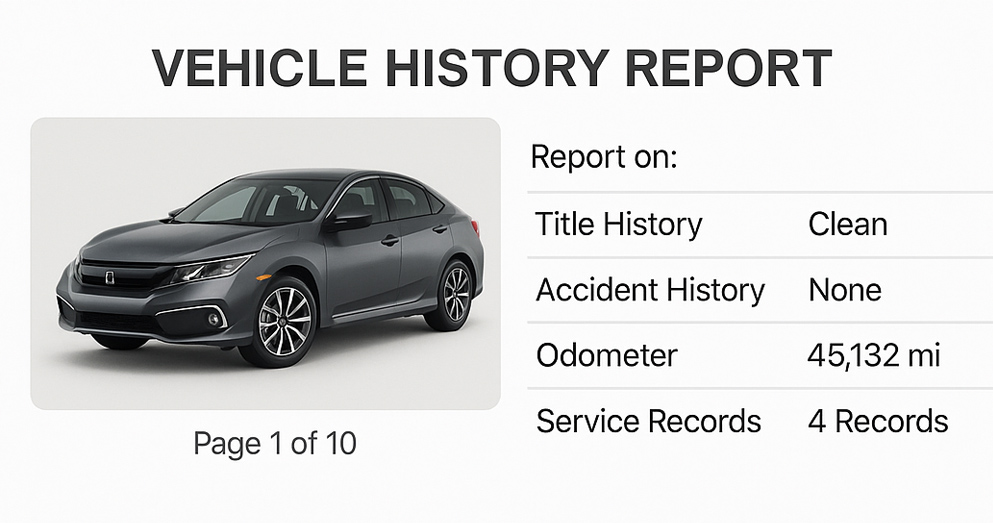
Vehicle History Report
Vehicle
Specifications
Specifications
Ownership
History
History
All History
Events
Events
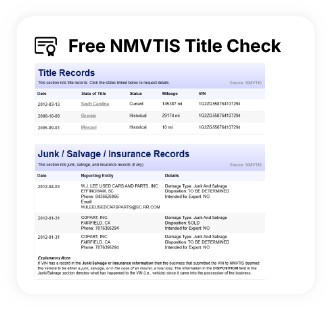
NMVTIS Title
History Check
History Check
Salvage/Rebuilt
Check
Check
Accident
Check
Check
Theft
Check
Check
Open Lien
Check
Check
Past Sale
Listings
Listings
Safety
Recalls
Recalls
Odometer
Check
Check
Market Price
Analysis
Analysis
What Problems Does the 2001 Yamaha YZF-600R Have?
The 2001 Yamaha YZF-600R, like many motorcycles of its era, is generally known for strong Yamaha reliability. However, as with any used vehicle, especially one over two decades old, certain areas warrant attention. One commonly cited point is the potential for wear on the suspension components. Over time, fork seals can leak, and the damping characteristics of both the front forks and rear monoshock can degrade, leading to a less composed ride. This is more a function of age and mileage than a specific design flaw, but it's something a buyer should inspect.

Carburetor synchronization and cleaning can also be a periodic maintenance item. Due to the age, fuel system components like fuel lines and diaphragms may need inspection or replacement to ensure optimal performance. While not a widespread problem, some owners have reported issues with the starter clutch, which can manifest as a grinding noise when starting the engine. This is a relatively complex repair.
Electrical gremlins are uncommon but not impossible on older bikes. Check all lights, signals, and the dashboard to ensure they are functioning correctly. The charging system (stator and regulator/rectifier) is generally robust, but it's always wise to test its output.
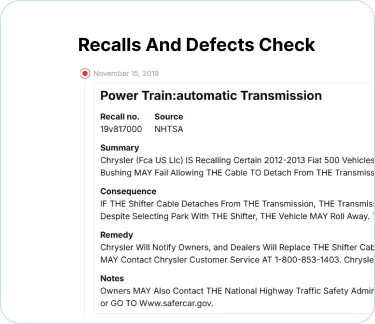
Regarding recalls, for the 2001 model year specifically, there haven't been any widely reported or significant recalls that impact the core reliability of the YZF-600R. Yamaha has a good track record for addressing safety concerns.
Long-term reliability is largely dependent on how the bike has been maintained. Consistently changing the oil and filter, proper chain maintenance, and regular inspections will significantly extend the life of this motorcycle. Bikes that have been neglected or poorly maintained may exhibit more issues, particularly with the engine and drivetrain. The engine itself is known to be a workhorse if treated well. Model year specific issues for 2001 are minimal; it represents a mature and refined platform within its production run.
Carburetor synchronization and cleaning can also be a periodic maintenance item. Due to the age, fuel system components like fuel lines and diaphragms may need inspection or replacement to ensure optimal performance. While not a widespread problem, some owners have reported issues with the starter clutch, which can manifest as a grinding noise when starting the engine. This is a relatively complex repair.
Electrical gremlins are uncommon but not impossible on older bikes. Check all lights, signals, and the dashboard to ensure they are functioning correctly. The charging system (stator and regulator/rectifier) is generally robust, but it's always wise to test its output.
Regarding recalls, for the 2001 model year specifically, there haven't been any widely reported or significant recalls that impact the core reliability of the YZF-600R. Yamaha has a good track record for addressing safety concerns.
Long-term reliability is largely dependent on how the bike has been maintained. Consistently changing the oil and filter, proper chain maintenance, and regular inspections will significantly extend the life of this motorcycle. Bikes that have been neglected or poorly maintained may exhibit more issues, particularly with the engine and drivetrain. The engine itself is known to be a workhorse if treated well. Model year specific issues for 2001 are minimal; it represents a mature and refined platform within its production run.
How long will the 2001 Yamaha YZF-600R last?
Based on owner data and maintenance habits, the 2001 Yamaha YZF-600R can comfortably achieve between 50,000 to 100,000 miles, with some well-maintained examples exceeding even these figures. Its long-term durability is a strong suit, thanks to Yamaha's robust engineering. The inline-four engine is known for its resilience if regularly serviced with quality oil and filters. Weaknesses that typically emerge over time relate to wear-and-tear items rather than fundamental flaws. This includes suspension components (seals, bushings, and damping fluid), the clutch plates (depending on riding style), and potentially the wheel bearings and steering head bearings. Regular maintenance is the key differentiator for longevity; a neglected YZF-600R will show its age much sooner.
What Technology & Safety Features are Included?
The 2001 Yamaha YZF-600R is a product of its time, meaning its technology, entertainment, driver-assistance, and safety features are relatively basic by modern standards, focusing on core motorcycle functionality. There are no built-in entertainment systems like radios or GPS; the focus is purely on the riding experience. Driver-assistance features are virtually non-existent, as is typical for sportbikes of this era. The primary safety features are the robust braking system and the motorcycle's handling characteristics.
It is equipped with a reliable 599cc inline-four engine managed by four 34mm Mikuni constant velocity carburetors, offering a direct and responsive throttle. The instrument cluster is analog and digital, featuring a tachometer, speedometer, fuel gauge, and warning lights, providing essential rider information. Lighting is handled by a 12V system with halogen headlamps for illumination.
Safety is primarily derived from its mechanical components. The front brakes feature dual 298mm discs with four-piston calipers, offering strong stopping power, complemented by a 245mm rear disc. The suspension is designed for sporty handling, with a 46mm telescopic front fork and a rear monoshock, both adjustable to suit rider preferences and conditions.
Optional features were limited and typically aftermarket additions rather than factory packages. These might include different exhaust systems for improved performance and sound, upgraded windscreens for better wind protection, or enhanced seat options for longer rides.
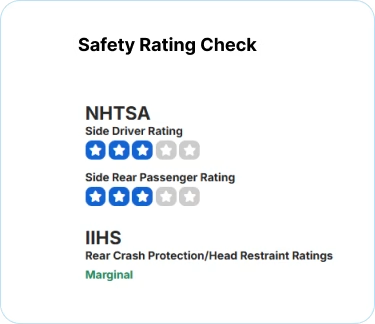
Motorcycles are generally not subjected to the same types of crash-test ratings as cars. Therefore, there are no official crash-test ratings available for the 2001 Yamaha YZF-600R. The safety of the rider relies heavily on their skill, protective gear, and the inherent design of the motorcycle, which prioritizes agility and responsive control.
It is equipped with a reliable 599cc inline-four engine managed by four 34mm Mikuni constant velocity carburetors, offering a direct and responsive throttle. The instrument cluster is analog and digital, featuring a tachometer, speedometer, fuel gauge, and warning lights, providing essential rider information. Lighting is handled by a 12V system with halogen headlamps for illumination.
Safety is primarily derived from its mechanical components. The front brakes feature dual 298mm discs with four-piston calipers, offering strong stopping power, complemented by a 245mm rear disc. The suspension is designed for sporty handling, with a 46mm telescopic front fork and a rear monoshock, both adjustable to suit rider preferences and conditions.
Optional features were limited and typically aftermarket additions rather than factory packages. These might include different exhaust systems for improved performance and sound, upgraded windscreens for better wind protection, or enhanced seat options for longer rides.
Motorcycles are generally not subjected to the same types of crash-test ratings as cars. Therefore, there are no official crash-test ratings available for the 2001 Yamaha YZF-600R. The safety of the rider relies heavily on their skill, protective gear, and the inherent design of the motorcycle, which prioritizes agility and responsive control.
What Colors Options are Available?
2001 Yamaha YZF-600R Prices and Market Value
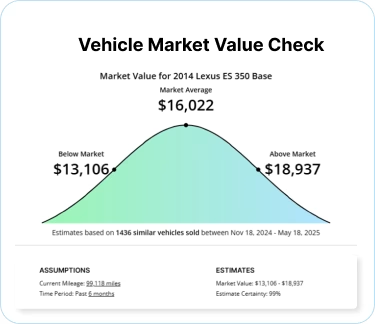
When new, the 2001 Yamaha YZF-600R typically retailed in the range of $7,500 to $8,500 USD, depending on dealer and any minor year-to-year variations. As a used motorcycle, current market prices vary significantly based on condition, mileage, and modifications. Expect to find them ranging from approximately $2,000 to $4,000 for models in average to good condition. The YZF-600R has experienced substantial depreciation, as is common for most motorcycles over two decades old. Factors affecting resale value include the presence of original parts, the condition of the paint and fairings, maintenance history (receipts are a plus), and the number of miles. Lower mileage and well-maintained examples with stock components tend to fetch higher prices.
2001 Yamaha YZF-600R Cost of Ownership
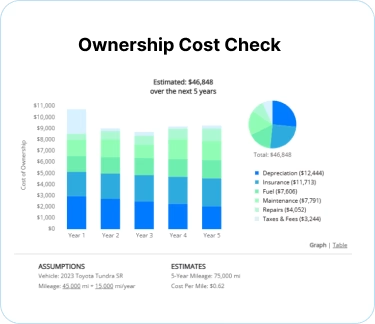
The 2001 Yamaha YZF-600R is generally economical to own. Insurance costs will vary by rider age, location, and coverage, but are typically moderate for a sportbike of this displacement. Fuel economy averages 35-45 mpg, making it relatively inexpensive to run. Routine maintenance like oil changes and chain lubrication is affordable. Major repairs, if needed, can be more costly, particularly if specialized parts are required, but its inherent reliability minimizes this risk. Overall, it offers a cost-effective entry into sportbike ownership for those who perform regular upkeep and avoid overly aggressive riding.
2001 Yamaha YZF-600R Fuel Efficiency
Fuel Type
Gasoline
Fuel Capacity
-
City Mileage
-
Highway Mileage
-
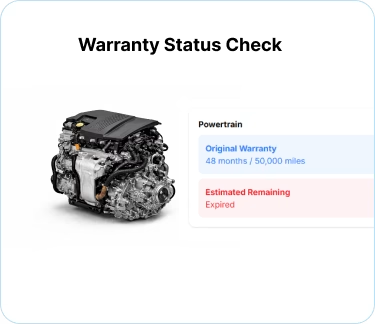
2001 Yamaha YZF-600R Warranty
Basic
Original warranty
0 months / No data
Estimated remaining
Expired
Powertrain
Original warranty
0 months / No data
Estimated remaining
Expired
Rust
Original warranty
0 months / No data
Estimated remaining
Expired
2001 Yamaha YZF-600R Insurance
Insurance for a 2001 Yamaha YZF-600R is moderately priced, reflecting its status as a Motorcycle with strong safety ratings and
reasonable repair costs.
How Does the 2001 Yamaha YZF-600R Compare to Other Motorcycle?
The 2001 Yamaha YZF-600R competed in the highly contested 600cc sportbike segment. Key rivals included the Suzuki GSX-R600, Honda CBR600F4i, and Kawasaki ZX-6R.
Performance: In terms of raw performance, the YZF-600R was generally considered a strong contender, offering a potent 105 hp. The CBR600F4i was often praised for its refined engine and handling, while the GSX-R600 and ZX-6R tended to lean more towards aggressive, track-focused performance. The Yamaha often struck a balance, providing exhilarating acceleration without being overly demanding for everyday riding.
Features: Features were comparable across the board for this era. All featured full fairings, multi-adjustable suspension, and capable braking systems. The YZF-600R's slightly more relaxed ergonomics compared to some pure supersports made it a bit more comfortable for longer rides, a subtle but important feature for many buyers.
Reliability: Yamaha, Honda, and Suzuki all have strong reputations for reliability in this class. The YZF-600R is known for its robust engine and solid construction. While individual experiences vary, all these Japanese brands are generally dependable if maintained.
Price: When new, prices were very competitive, often within a few hundred dollars of each other. On the used market, prices are also quite similar, with condition being the primary determinant.
Recommendations:
Similar Alternatives: The Honda CBR600F4i is a direct competitor that offers a slightly more refined feel and potentially better handling for some riders. The Suzuki GSX-R600 (especially later models of the same generation) might offer a sharper, more track-oriented experience. The Kawasaki ZX-6R is another strong choice in this category.
Potentially Better Alternatives (depending on priorities): If pure track performance and cutting-edge technology are paramount, a slightly newer model from any of these manufacturers (e.g., a 2003+ GSX-R600 or CBR600RR) would be a step up, though likely at a higher price point. If comfort and sport-touring capability are more important, a Kawasaki Ninja 500R or a Yamaha FZR600R (older model) could be considered, though they offer less performance.
Performance: In terms of raw performance, the YZF-600R was generally considered a strong contender, offering a potent 105 hp. The CBR600F4i was often praised for its refined engine and handling, while the GSX-R600 and ZX-6R tended to lean more towards aggressive, track-focused performance. The Yamaha often struck a balance, providing exhilarating acceleration without being overly demanding for everyday riding.
Features: Features were comparable across the board for this era. All featured full fairings, multi-adjustable suspension, and capable braking systems. The YZF-600R's slightly more relaxed ergonomics compared to some pure supersports made it a bit more comfortable for longer rides, a subtle but important feature for many buyers.
Reliability: Yamaha, Honda, and Suzuki all have strong reputations for reliability in this class. The YZF-600R is known for its robust engine and solid construction. While individual experiences vary, all these Japanese brands are generally dependable if maintained.
Price: When new, prices were very competitive, often within a few hundred dollars of each other. On the used market, prices are also quite similar, with condition being the primary determinant.
Recommendations:
Similar Alternatives: The Honda CBR600F4i is a direct competitor that offers a slightly more refined feel and potentially better handling for some riders. The Suzuki GSX-R600 (especially later models of the same generation) might offer a sharper, more track-oriented experience. The Kawasaki ZX-6R is another strong choice in this category.
Potentially Better Alternatives (depending on priorities): If pure track performance and cutting-edge technology are paramount, a slightly newer model from any of these manufacturers (e.g., a 2003+ GSX-R600 or CBR600RR) would be a step up, though likely at a higher price point. If comfort and sport-touring capability are more important, a Kawasaki Ninja 500R or a Yamaha FZR600R (older model) could be considered, though they offer less performance.
Final Verdict: Is the 2001 Yamaha YZF-600R a Good Motorcycle?
The 2001 Yamaha YZF-600R is ideal for intermediate sportbike riders seeking a capable, reliable, and fun machine that balances performance with a degree of comfort. It's an excellent choice for those looking to step up from smaller displacement bikes or for experienced riders who want a versatile sportbike for both spirited rides and occasional longer journeys without breaking the bank.
It is absolutely worth buying, particularly on the used market. The best condition to buy it in is used, as new models are no longer available. Focus on finding one with a well-documented maintenance history and in good cosmetic condition, as this often reflects good mechanical care. There are no specific trims to look out for beyond color preferences, as it was generally offered in a single, well-appointed configuration. A well-maintained YZF-600R offers fantastic value and an engaging riding experience.