The 2003 Sterling LT7500 is a heavy-duty truck known for its robust construction and versatility, primarily used for commercial applications like hauling and vocational work. Although Sterling Trucks as a brand ceased operations in 2010, the LT7500 model, produced in the early 2000s, remains a respected workhorse. It typically featured a conventional cab body style. While specific trims varied based on vocational needs, the LT7500 was built to handle demanding tasks, making it popular for its durability and straightforward engineering.
The Good
The 2003 Sterling LT7500 offers formidable performance for tough jobs, backed by a reputation for rugged reliability that provides peace of mind. Its practical, no-nonsense design prioritizes function, while its robust build represents exceptional long-term value for businesses seeking a dependable work truck.
The Bad
Potential buyers of the 2003 Sterling LT7500 should be aware of possible issues with older electrical systems and the increasing availability of specialized parts. Wear and tear on heavy-duty components due to extensive use is also a common concern.
2003 Sterling LT7500: Quick Overview
- Engine Options: The 2003 Sterling LT7500 was typically equipped with powerful diesel engines. Common options included engines from Caterpillar (CAT) and Cummins. For example, a Caterpillar C10 or C12, or a Cummins ISC series engine were frequently found.
- Horsepower: Horsepower varied significantly depending on the specific engine installed. Typically, these engines ranged from approximately 300 horsepower to over 400 horsepower. For instance, a CAT C12 could produce around 380-410 hp, while a Cummins ISC might offer 300-350 hp.
- Fuel Economy: Fuel economy in heavy-duty trucks like the LT7500 is highly dependent on load, terrain, driving style, and specific engine configuration. Expect figures in the range of 5-8 miles per gallon (MPG).
- 0-60 Times: As a commercial truck designed for work rather than acceleration, 0-60 mph times are not a primary metric and are generally not published. Performance is measured by its ability to haul heavy loads, not its sprint speed.
- Towing/Hauling Capacity: This is the primary strength of the LT7500. The Gross Vehicle Weight Rating (GVWR) could exceed 30,000 lbs, with configurations capable of towing substantial trailer weights. Specific towing capacities depend heavily on the chassis, axle configuration, and drivetrain.
- Trim-Level Features: The LT7500 was primarily offered in vocational configurations rather than traditional trim levels like passenger vehicles. Features were dictated by the intended application. Common configurations include:
- Chassis Cab: The base unit for upfitting with specialized bodies (e.g., dump beds, utility bodies, flatbeds, box trucks).
- Heavy-Duty Suspension: Leaf spring or air-ride suspension systems designed for maximum load-bearing capacity.
- Robust Drivetrain: Heavy-duty transmissions (manual or automatic, often from manufacturers like Spicer, Eaton, or Allison) and durable rear axles.
- Cab Options: Typically conventional cabs designed for function and visibility, with varying interior appointments depending on the customer's needs for driver comfort during long hauls or demanding job sites.
- Auxiliary Systems: Options for power take-offs (PTOs), hydraulic systems for specialized equipment, and various electrical upfits.
- Chassis Cab: The base unit for upfitting with specialized bodies (e.g., dump beds, utility bodies, flatbeds, box trucks).
2003 Sterling LT7500 Specifications
Vehicle Information
| Year | 2003 |
| Make | Sterling |
| Model | LT7500 |
| Trim | - |
| Style | - |
| Type | Truck |
| Category | Heavy Truck |
Manufacturing Details
| Made In | Canada |
| Manufacturing City | ST.THOMAS |
Dimensions
| Doors | - |
| Curb Weight | - |
| Gross Vehicle Weight Rating | 33001 pounds |
| Overall Height | - |
| Overall Length | - |
| Overall Width | - |
| Wheelbase Length | - |
| Standard Seating | - |
Engine & Performance
| Engine | 7.2L L6 DIESEL |
| Engine Size | 7.2L |
| Engine Cylinders | 6 |
| Transmission | - |
| Transmission Type | - |
| Transmission Speeds | - |
| Drivetrain | 6x4 |
Additional Features
| Anti-Brake System | - |
| Steering Type | - |
Pricing
| Manufacturer Suggested Retail Price (MSRP) | - |
| Invoice Price | - |
| Delivery Charges | - |
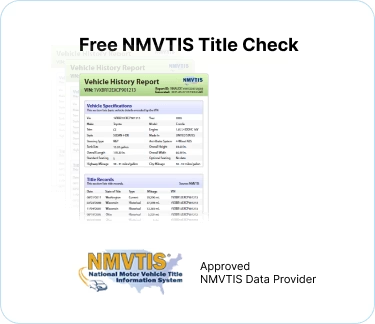
Vehicle History Report
Vehicle
Specifications
Specifications
Ownership
History
History
All History
Events
Events
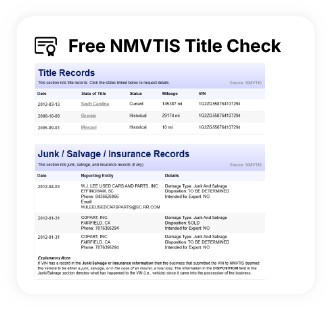
NMVTIS Title
History Check
History Check
Salvage/Rebuilt
Check
Check
Accident
Check
Check
Theft
Check
Check
Open Lien
Check
Check
Past Sale
Listings
Listings
Safety
Recalls
Recalls
Odometer
Check
Check
Market Price
Analysis
Analysis
What Problems Does the 2003 Sterling LT7500 Have?
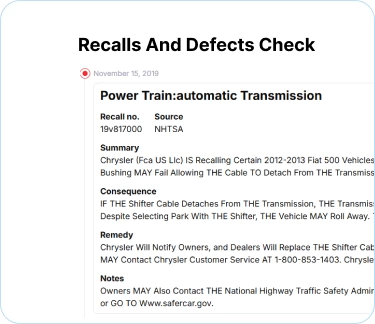
As a commercial vehicle, the 2003 Sterling LT7500, like any truck of its age and intended use, can present certain long-term reliability concerns and common issues that owners may encounter. While specific recalls for the 2003 model year might be difficult to pinpoint without a VIN, general areas of concern for Sterling trucks of this era often include:
Electrical System Issues: Older trucks, especially those exposed to harsh work environments, can develop problems with their electrical wiring harnesses, alternators, starters, and battery connections. Corrosion and wear are common culprits.
Engine and Drivetrain Wear: The diesel engines (Caterpillar and Cummins) used in the LT7500 are generally robust, but like any engine, they require consistent and proper maintenance. Common issues can arise from injector problems, turbocharger wear, or cooling system leaks, particularly if maintenance schedules have been neglected or if the truck has been subjected to extreme operating conditions.
Transmission Glitches: Depending on the transmission type (manual or automatic), owners might experience clutch wear, synchronizer issues in manual transmissions, or transmission fluid leaks and shifting problems in automatics. Regular fluid changes are crucial for longevity.
Brake System Wear: Heavy-duty braking systems are essential but also subject to significant wear and tear, especially in vocational applications involving frequent stopping with heavy loads. Issues with air brake systems, such as leaks or component failure, are possible.
Suspension and Chassis Components: Leaf springs, shocks, bushings, and chassis components can experience fatigue and wear over time, particularly when consistently carrying heavy loads or operating on rough terrain. This can lead to ride quality degradation and potential structural issues if left unaddressed.
Rust and Corrosion: Depending on the climate in which the truck has operated, rust and corrosion on the frame, body panels, and undercarriage components can be a significant concern. This is especially true for trucks used in areas with heavy road salt application.
Availability of Parts: Sterling Trucks as a brand no longer exists, meaning parts can sometimes be more challenging and expensive to source compared to current manufacturers. While many components are shared with other Freightliner or Western Star models (as they were part of the DaimlerChrysler commercial vehicle group), specialized Sterling parts may require more effort to find.
Model Year Specifics: While not specific to the 2003 LT7500, older heavy-duty trucks generally benefit from proactive maintenance. Any model year can be susceptible to issues related to accumulated mileage and operational hours. A thorough pre-purchase inspection by a qualified heavy-duty mechanic is highly recommended to identify any existing or potential problems.
Electrical System Issues: Older trucks, especially those exposed to harsh work environments, can develop problems with their electrical wiring harnesses, alternators, starters, and battery connections. Corrosion and wear are common culprits.
Engine and Drivetrain Wear: The diesel engines (Caterpillar and Cummins) used in the LT7500 are generally robust, but like any engine, they require consistent and proper maintenance. Common issues can arise from injector problems, turbocharger wear, or cooling system leaks, particularly if maintenance schedules have been neglected or if the truck has been subjected to extreme operating conditions.
Transmission Glitches: Depending on the transmission type (manual or automatic), owners might experience clutch wear, synchronizer issues in manual transmissions, or transmission fluid leaks and shifting problems in automatics. Regular fluid changes are crucial for longevity.
Brake System Wear: Heavy-duty braking systems are essential but also subject to significant wear and tear, especially in vocational applications involving frequent stopping with heavy loads. Issues with air brake systems, such as leaks or component failure, are possible.
Suspension and Chassis Components: Leaf springs, shocks, bushings, and chassis components can experience fatigue and wear over time, particularly when consistently carrying heavy loads or operating on rough terrain. This can lead to ride quality degradation and potential structural issues if left unaddressed.
Rust and Corrosion: Depending on the climate in which the truck has operated, rust and corrosion on the frame, body panels, and undercarriage components can be a significant concern. This is especially true for trucks used in areas with heavy road salt application.
Availability of Parts: Sterling Trucks as a brand no longer exists, meaning parts can sometimes be more challenging and expensive to source compared to current manufacturers. While many components are shared with other Freightliner or Western Star models (as they were part of the DaimlerChrysler commercial vehicle group), specialized Sterling parts may require more effort to find.
Model Year Specifics: While not specific to the 2003 LT7500, older heavy-duty trucks generally benefit from proactive maintenance. Any model year can be susceptible to issues related to accumulated mileage and operational hours. A thorough pre-purchase inspection by a qualified heavy-duty mechanic is highly recommended to identify any existing or potential problems.
How long will the 2003 Sterling LT7500 last?
The 2003 Sterling LT7500 is built for longevity, and with proper maintenance, these trucks can achieve significant mileage and years of service. Owner data and typical usage patterns suggest that these heavy-duty trucks can easily surpass 300,000 to 500,000 miles, with some well-maintained examples extending well beyond that, potentially reaching 750,000 miles or more. This long-term durability is a testament to their robust construction and powerful diesel powertrains.
However, weaknesses emerge over time, primarily related to accumulated wear and tear on major components. The engine, transmission, and suspension are the most critical areas. Neglecting regular maintenance, such as fluid changes, filter replacements, and component inspections, can significantly shorten the lifespan of these parts and lead to costly repairs. Electrical systems can also become more prone to issues with age. Despite potential repairs, the fundamental strength of the chassis and drivetrain often makes them a viable option for continued service if restored.
What Technology & Safety Features are Included?
The 2003 Sterling LT7500, being a commercial truck designed for vocational use, prioritizes functionality, durability, and basic safety over advanced technology and creature comforts commonly found in modern passenger vehicles. As such, its built-in tech, entertainment, and driver-assistance features are minimal and largely centered on operational efficiency and safety.
Built-in Tech & Entertainment: Standard equipment would typically include an analog or basic digital gauge cluster providing essential information like engine RPM, speed, fuel level, oil pressure, and coolant temperature. Entertainment options were rudimentary, usually limited to an AM/FM radio, possibly with a cassette or CD player as an optional upgrade. Power windows and locks might have been optional features on some configurations, but manual operation was common to enhance durability and reduce potential failure points.
Driver-Assistance Features: Advanced driver-assistance systems (ADAS) like adaptive cruise control, lane departure warnings, or automatic emergency braking were virtually non-existent on vehicles of this class in 2003. The primary focus was on the driver's direct control and situational awareness. Features that might have been available as options could include upgraded mirrors for better visibility, fog lights, or possibly even a basic backup alarm system for certain vocational applications.

Safety Features: Safety in the LT7500 was primarily addressed through its robust construction. The heavy-duty chassis and cab provided a strong protective shell for occupants. Standard safety features would include seat belts and basic interior padding. Air brakes, while a functional system, also contribute to safety by providing powerful stopping capabilities. ABS (Anti-lock Braking System) was becoming more common on heavy trucks by this time and could have been an optional or standard feature depending on the specific configuration and customer order. High-intensity headlights and robust exterior lighting were also crucial for visibility and safety, especially when operating in low-light conditions or adverse weather.
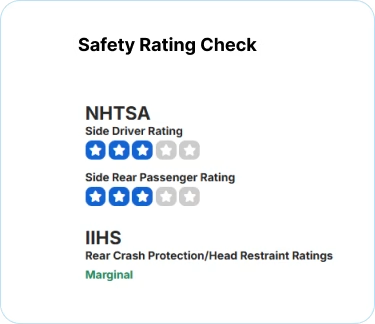
Crash-Test Ratings: Commercial trucks like the Sterling LT7500 are generally not subjected to the same standardized crash-test ratings (like NHTSA or IIHS) as passenger cars and light trucks. Their safety is assessed through different regulatory frameworks focused on occupant protection in severe operational scenarios and structural integrity under heavy load conditions. The design emphasizes the strength of the cab and frame to withstand impacts and protect the driver and any passengers.
Built-in Tech & Entertainment: Standard equipment would typically include an analog or basic digital gauge cluster providing essential information like engine RPM, speed, fuel level, oil pressure, and coolant temperature. Entertainment options were rudimentary, usually limited to an AM/FM radio, possibly with a cassette or CD player as an optional upgrade. Power windows and locks might have been optional features on some configurations, but manual operation was common to enhance durability and reduce potential failure points.
Driver-Assistance Features: Advanced driver-assistance systems (ADAS) like adaptive cruise control, lane departure warnings, or automatic emergency braking were virtually non-existent on vehicles of this class in 2003. The primary focus was on the driver's direct control and situational awareness. Features that might have been available as options could include upgraded mirrors for better visibility, fog lights, or possibly even a basic backup alarm system for certain vocational applications.

Safety Features: Safety in the LT7500 was primarily addressed through its robust construction. The heavy-duty chassis and cab provided a strong protective shell for occupants. Standard safety features would include seat belts and basic interior padding. Air brakes, while a functional system, also contribute to safety by providing powerful stopping capabilities. ABS (Anti-lock Braking System) was becoming more common on heavy trucks by this time and could have been an optional or standard feature depending on the specific configuration and customer order. High-intensity headlights and robust exterior lighting were also crucial for visibility and safety, especially when operating in low-light conditions or adverse weather.

Crash-Test Ratings: Commercial trucks like the Sterling LT7500 are generally not subjected to the same standardized crash-test ratings (like NHTSA or IIHS) as passenger cars and light trucks. Their safety is assessed through different regulatory frameworks focused on occupant protection in severe operational scenarios and structural integrity under heavy load conditions. The design emphasizes the strength of the cab and frame to withstand impacts and protect the driver and any passengers.
What Colors Options are Available?
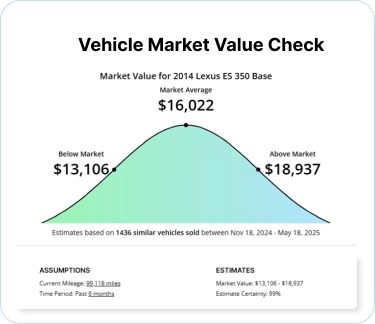
2003 Sterling LT7500 Prices and Market Value
When new, the 2003 Sterling LT7500, as a heavy-duty commercial truck, had a considerable price tag, typically ranging from $80,000 to well over $150,000, depending heavily on the specific chassis configuration, engine, transmission, and vocational upfits (e.g., dump body, crane, etc.). This price reflected its specialized purpose and robust construction.
On the current used market, the 2003 Sterling LT7500 represents a significant depreciation from its original cost. Prices can vary widely, but you might find them ranging from $10,000 to $40,000 or more. The resale value is strongly influenced by factors such as mileage, overall condition, maintenance history, the presence and quality of any existing vocational equipment, and the demand for such trucks in specific markets. Trucks with well-maintained engines, reliable transmissions, and sought-after upfits will command higher prices. Conversely, high mileage, significant wear and tear, or the need for major repairs will substantially lower its value.
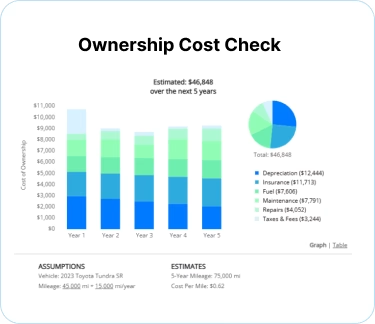
2003 Sterling LT7500 Cost of Ownership
Owning a 2003 Sterling LT7500 is generally considered costly, reflecting its heavy-duty nature. Insurance will be higher than for passenger vehicles, requiring commercial policies tailored to its GVWR and intended use. Fuel costs are substantial, with diesel consumption typically in the 5-8 MPG range, heavily influenced by load and operation. Maintenance and repair costs are significant; while durable, parts and labor for heavy-duty diesel engines and components are expensive. Regular preventative maintenance is crucial to mitigate costly breakdowns. Overall, while the initial used purchase price might be low, the long-term ownership costs for fuel, maintenance, and potential repairs make the LT7500 a considerable investment.
2003 Sterling LT7500 Fuel Efficiency
Fuel Type
Diesel
Fuel Capacity
-
City Mileage
-
Highway Mileage
-
2003 Sterling LT7500 Warranty
Basic
Original warranty
0 months / No data
Estimated remaining
Expired
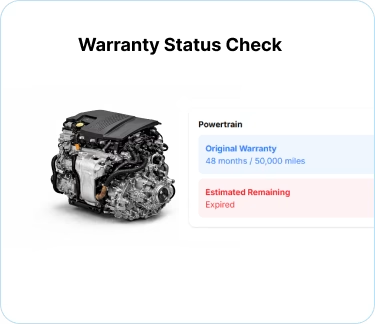
Powertrain
Original warranty
0 months / No data
Estimated remaining
Expired
Rust
Original warranty
0 months / No data
Estimated remaining
Expired
2003 Sterling LT7500 Insurance
Insurance for a 2003 Sterling LT7500 is moderately priced, reflecting its status as a Truck with strong safety ratings and
reasonable repair costs.
How Does the 2003 Sterling LT7500 Compare to Other Truck?
The 2003 Sterling LT7500 competed in the heavy-duty vocational truck segment, facing rivals from established manufacturers known for their workhorse capabilities. Key competitors included models from Freightliner (such as the FL series), Kenworth (e.g., T300), Peterbilt (e.g., 330/340), and International (e.g., 7000 series).
Performance: In terms of raw performance for hauling and heavy-duty work, the LT7500 was competitive, often featuring powerful Cummins or Caterpillar diesel engines comparable to those offered by its rivals. Horsepower and torque figures were in a similar range, making them equally capable for demanding tasks.
Features: Features were generally basic and utility-focused across this class. Sterling trucks, like their peers, offered functional cabins designed for durability rather than luxury. While rival brands might have offered slightly different interior options or more readily available specialized upfits, the core functionality was comparable. Driver-assistance and modern tech were minimal across the board for this model year.
Reliability: Sterling trucks, built by Freightliner's parent company at the time, were generally considered reliable workhorses. However, compared to brands like Kenworth and Peterbilt, which often have a stronger reputation for long-term durability and aftermarket support, Sterling's reliability perception might have been slightly less pronounced, though still very good for its class.
Price: The LT7500 was often competitively priced against its direct rivals, offering a good balance of capability and cost. However, as a brand that no longer exists, its long-term parts availability and support network might be a consideration compared to brands with continuous production.
Alternatives:
Performance: In terms of raw performance for hauling and heavy-duty work, the LT7500 was competitive, often featuring powerful Cummins or Caterpillar diesel engines comparable to those offered by its rivals. Horsepower and torque figures were in a similar range, making them equally capable for demanding tasks.
Features: Features were generally basic and utility-focused across this class. Sterling trucks, like their peers, offered functional cabins designed for durability rather than luxury. While rival brands might have offered slightly different interior options or more readily available specialized upfits, the core functionality was comparable. Driver-assistance and modern tech were minimal across the board for this model year.
Reliability: Sterling trucks, built by Freightliner's parent company at the time, were generally considered reliable workhorses. However, compared to brands like Kenworth and Peterbilt, which often have a stronger reputation for long-term durability and aftermarket support, Sterling's reliability perception might have been slightly less pronounced, though still very good for its class.
Price: The LT7500 was often competitively priced against its direct rivals, offering a good balance of capability and cost. However, as a brand that no longer exists, its long-term parts availability and support network might be a consideration compared to brands with continuous production.
Alternatives:
- Similar Alternatives: For similar capability and age, consider models like the Freightliner FL80/FL70 (often using similar powertrains), Kenworth T300, or Peterbilt 330/340. These trucks offer comparable performance and build quality. The Kenworth and Peterbilt might hold a slight edge in terms of perceived long-term durability and parts availability.
- Potentially Better Alternatives (depending on needs): If parts availability and manufacturer support are paramount, looking at slightly newer used trucks from these established brands, or even a comparable used International 7000 series, might be a wiser long-term investment. However, for a budget-conscious buyer focused solely on initial acquisition cost and robust capability, the Sterling LT7500 remains a solid contender if well-maintained.
Final Verdict: Is the 2003 Sterling LT7500 a Good Truck?
The 2003 Sterling LT7500 is ideal for businesses or individuals requiring a rugged, capable, and cost-effective heavy-duty truck for vocational purposes such as construction, hauling, towing, or specialized services, especially when budget is a primary concern. It is worth buying primarily in the used market, as new models are unavailable and original pricing was substantial.
Buying conditions are critical: it is most advisable for those with access to reliable heavy-duty mechanics familiar with older diesel engines (Cummins/Caterpillar) and Sterling components. A thorough pre-purchase inspection is non-negotiable to identify potential issues common to aging trucks. Specific trims are less relevant than the vocational upfit and the overall condition of the powertrain and chassis. If purchased at a reasonable price and in good mechanical shape with a documented maintenance history, the LT7500 can offer tremendous value as a dependable workhorse.