The 2011 Kawasaki Ninja ZX-10R is a high-performance sportbike, marking a significant redesign for Kawasaki's flagship liter-class machine. As part of the ZX-10R lineage, this model year ushered in a completely new chassis and potent engine. It's a naked sportbike, often referred to as a supersport. This generation of the ZX-10R was produced from 2011 onwards with various updates. While there aren't distinct 'trims' in the car sense, variations often come down to color schemes and optional accessories. New pricing was in the high $13,000-$14,000 range, with used prices varying significantly based on condition and mileage. It stands out for its aggressive styling and track-ready performance, making it a favorite among enthusiasts seeking a potent riding experience.
The Good
The 2011 Ninja ZX-10R boasts exhilarating, class-leading performance with a powerful engine and sharp handling. Its aggressive, aerodynamic design appeals to the emotions, while its technological advancements and relatively manageable ownership costs offer practical appeal for discerning riders. Reliability is generally strong for its class.
The Bad
Potential owners should be aware of the 2011 ZX-10R's sensitive throttle response, which can be unforgiving for novice riders. Some owners have reported occasional electronic glitches, and its aggressive riding position is not conducive to long-distance comfort. Regular maintenance is crucial to prevent premature wear.
2011 Kawasaki Ninja ZX-10R: Quick Overview
- Engine Options: The 2011 Kawasaki Ninja ZX-10R features a single engine option: a 998cc, liquid-cooled, DOHC, 16-valve, inline-four cylinder engine.
- Horsepower: This powerplant produces an impressive approximate 200 horsepower (at the crank, with ram air induction), making it one of the most powerful bikes in its class for its time.
- Fuel Economy: Fuel economy is typically in the range of 30-35 miles per gallon (MPG), though this can vary significantly depending on riding style and conditions. This is not a primary consideration for this type of performance motorcycle.
- 0-60 Times: The 2011 ZX-10R is capable of achieving 0-60 mph in approximately 2.9 to 3.1 seconds, showcasing its explosive acceleration.
- Towing Capacity: Towing capacity is not applicable to this vehicle as it is a motorcycle designed for solo riding or with a passenger, not for towing trailers.
- Trim-Level Features: The 2011 ZX-10R was generally offered in a single, well-equipped configuration, focusing on pure performance. Key features include:
- Chassis and Suspension: A lightweight aluminum twin-spar frame and a fully adjustable Showa Big Piston Fork (BPF) at the front and a Showa shock with adjustable preload, compression, and rebound damping at the rear.
- Brakes: Dual 310mm petal-style discs with radial-mount four-piston calipers at the front and a single 220mm petal-style disc with a single-piston caliper at the rear. ABS was an optional feature on some models.
- Electronics: Advanced electronics package including Kawasaki Traction Control (S-KTRC) with three modes, Kawasaki Intelligent Anti-lock Brake System (KIBS) if equipped with ABS, and multiple engine power modes (though typically two: full power and a lower power setting).
- Instrumentation: A multi-function LCD instrument panel providing vital information.
- Aerodynamics: Aggressive, wind-tunnel-tested aerodynamic fairings for optimal airflow and stability at high speeds.
- Wheels and Tires: Lightweight alloy wheels fitted with performance sport tires.
2011 Kawasaki Ninja ZX-10R Specifications
Vehicle Information
| Year | 2011 |
| Make | Kawasaki |
| Model | Ninja ZX-10R |
| Trim | - |
| Style | - |
| Type | Motorcycle |
| Category | Motorcycle |
Manufacturing Details
| Made In | Japan |
| Manufacturing City | AKASHI |
Dimensions
| Doors | - |
| Curb Weight | - |
| Gross Vehicle Weight Rating | - |
| Overall Height | - |
| Overall Length | - |
| Overall Width | - |
| Wheelbase Length | - |
| Standard Seating | - |
Engine & Performance
| Engine | 998CC |
| Engine Size | 998L |
| Engine Cylinders | 4 |
| Transmission | - |
| Transmission Type | - |
| Transmission Speeds | - |
| Drivetrain | - |
Additional Features
| Anti-Brake System | - |
| Steering Type | - |
Pricing
| Manufacturer Suggested Retail Price (MSRP) | - |
| Invoice Price | - |
| Delivery Charges | - |
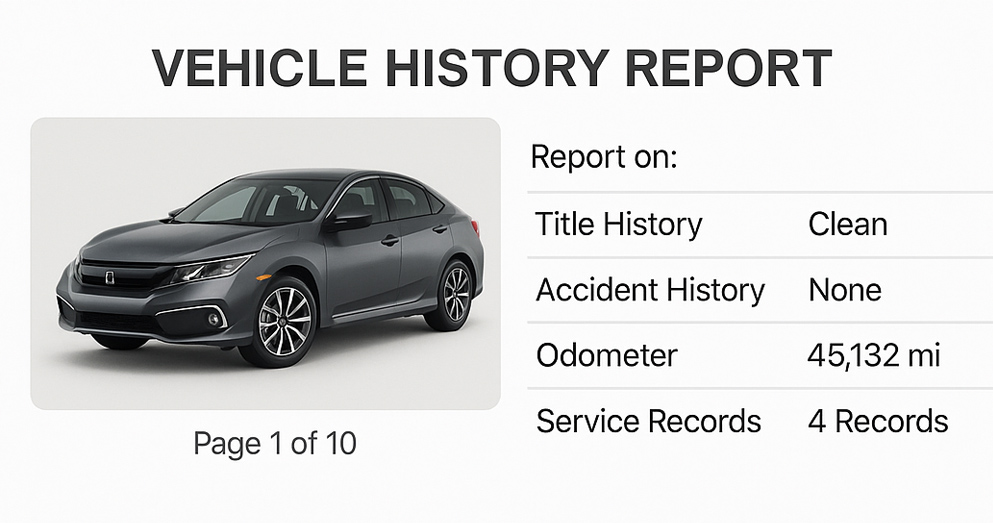
Vehicle History Report
Vehicle
Specifications
Specifications
Ownership
History
History
All History
Events
Events
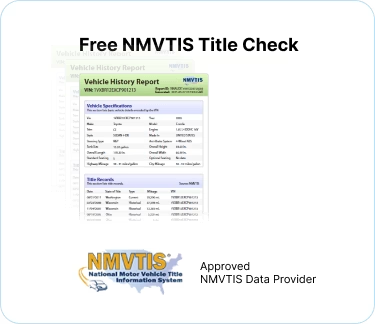
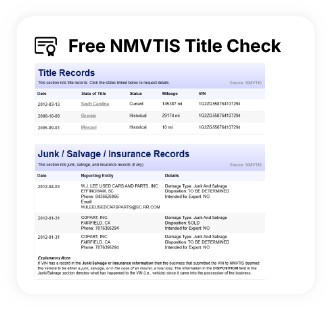
NMVTIS Title
History Check
History Check
Salvage/Rebuilt
Check
Check
Accident
Check
Check
Theft
Check
Check
Open Lien
Check
Check
Past Sale
Listings
Listings
Safety
Recalls
Recalls
Odometer
Check
Check
Market Price
Analysis
Analysis
What Problems Does the 2011 Kawasaki Ninja ZX-10R Have?
The 2011 Kawasaki Ninja ZX-10R, being part of a significantly redesigned generation, generally exhibits good reliability for its performance class. However, like many high-strung sportbikes, it demands diligent maintenance. One of the most commonly cited points of discussion among owners and reviewers is the engine's aggressive throttle response, particularly at lower RPMs. While not a 'problem' in terms of mechanical failure, it can lead to jerky acceleration for less experienced riders and may contribute to premature wear on the clutch if not managed with care.
Some owners have reported minor electrical gremlins, such as intermittent sensor issues or display glitches, though these are not widespread and often resolved with dealer diagnostics. The stock suspension, while high-quality, might require fine-tuning or aftermarket upgrades for riders seeking optimal performance on track or for specific riding styles.
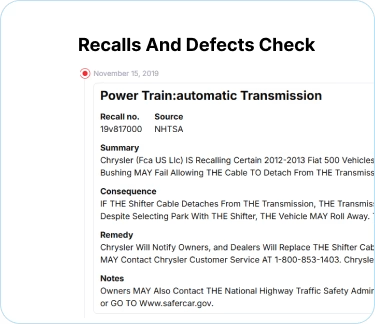
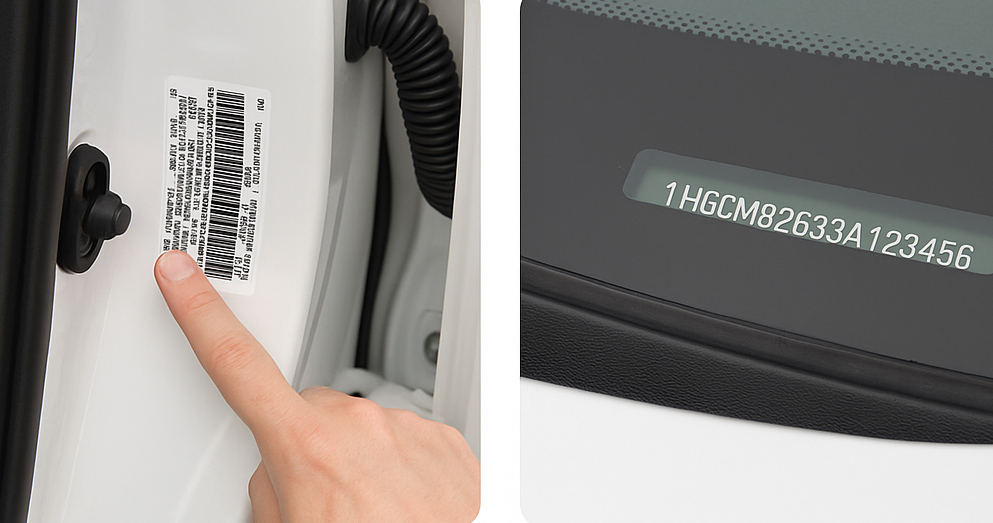
Regarding recalls, it's crucial for any potential buyer to check the specific VIN with Kawasaki for any outstanding safety recalls. For the 2011 model year, a notable recall was issued concerning the headlight stay assembly, which could potentially crack and affect headlight positioning. Another recall addressed the throttle position sensor, which could lead to incorrect engine performance.
Long-term reliability is heavily dependent on the owner's maintenance schedule. Regular oil changes, chain adjustments, and coolant flushes are paramount. The engine, if properly cared for, is robust. However, components like clutch plates, brake pads, and tires will naturally wear faster due to the bike's performance-oriented nature and the typical riding it undergoes. The aluminum frame and chassis are generally durable, but owners should inspect for any signs of damage from hard use or minor accidents. Overall, while not immune to the demands of a superbike, the 2011 ZX-10R is considered a reliable machine when maintained according to Kawasaki's recommendations.
Some owners have reported minor electrical gremlins, such as intermittent sensor issues or display glitches, though these are not widespread and often resolved with dealer diagnostics. The stock suspension, while high-quality, might require fine-tuning or aftermarket upgrades for riders seeking optimal performance on track or for specific riding styles.
Regarding recalls, it's crucial for any potential buyer to check the specific VIN with Kawasaki for any outstanding safety recalls. For the 2011 model year, a notable recall was issued concerning the headlight stay assembly, which could potentially crack and affect headlight positioning. Another recall addressed the throttle position sensor, which could lead to incorrect engine performance.
Long-term reliability is heavily dependent on the owner's maintenance schedule. Regular oil changes, chain adjustments, and coolant flushes are paramount. The engine, if properly cared for, is robust. However, components like clutch plates, brake pads, and tires will naturally wear faster due to the bike's performance-oriented nature and the typical riding it undergoes. The aluminum frame and chassis are generally durable, but owners should inspect for any signs of damage from hard use or minor accidents. Overall, while not immune to the demands of a superbike, the 2011 ZX-10R is considered a reliable machine when maintained according to Kawasaki's recommendations.
How long will the 2011 Kawasaki Ninja ZX-10R last?
Estimating average mileage for a 2011 Kawasaki Ninja ZX-10R is challenging as usage varies greatly. However, dedicated sportbike riders might put 3,000-7,000 miles per year, while more casual owners might do significantly less. Well-maintained ZX-10Rs can easily reach 40,000-60,000 miles and beyond. Long-term durability hinges on meticulous maintenance: regular oil changes, chain lubrication, valve checks, and brake fluid flushes are essential. Weaknesses that can emerge over time include clutch wear from aggressive use and potential degradation of suspension seals. The engine itself is robust, but consistent neglect will accelerate wear on internal components and the gearbox. Owners who track their bikes will see faster wear on consumables like tires and brake pads.

What Technology & Safety Features are Included?
The 2011 Kawasaki Ninja ZX-10R was at the forefront of electronic rider aids for its time, aiming to make its immense power more accessible and safer. The primary technological feature is the Kawasaki Traction Control (S-KTRC) system. This advanced system monitors wheel speed and adjusts engine output in milliseconds to optimize traction and reduce rear-wheel spin during acceleration. It offers multiple modes (typically three) allowing riders to tailor the intervention level to their preference and riding conditions.
Another significant safety feature, especially on models equipped with it, is the Kawasaki Intelligent Anti-lock Brake System (KIBS). This is not a standard ABS but a sportbike-specific system designed to prevent rear-wheel lift during hard braking and optimize braking performance in various conditions, especially during aggressive cornering.
The bike also features selectable engine power modes. While not a full suite of options like modern cars, it typically allows the rider to choose between full power and a reduced power setting, making the bike more manageable in adverse conditions or when simply cruising.
Entertainment features are minimal, as is typical for a pure sportbike focused on performance. There is no integrated infotainment system or audio. The focus is on the rider's connection to the machine and the road.
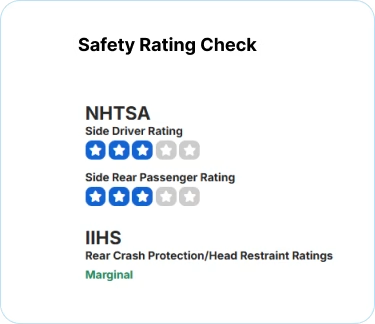
Safety is further enhanced by the bike's excellent braking system, with dual 310mm petal discs at the front and a strong rear setup. The chassis design and advanced suspension contribute to stability. Regarding crash-test ratings, motorcycles typically do not undergo standardized crash testing like automobiles. Safety is inherently tied to the rider's skill and the bike's design for stability and control. Optional features often included the aforementioned ABS (KIBS) and various cosmetic or performance-enhancing accessories available from Kawasaki or third-party manufacturers.
Another significant safety feature, especially on models equipped with it, is the Kawasaki Intelligent Anti-lock Brake System (KIBS). This is not a standard ABS but a sportbike-specific system designed to prevent rear-wheel lift during hard braking and optimize braking performance in various conditions, especially during aggressive cornering.
The bike also features selectable engine power modes. While not a full suite of options like modern cars, it typically allows the rider to choose between full power and a reduced power setting, making the bike more manageable in adverse conditions or when simply cruising.
Entertainment features are minimal, as is typical for a pure sportbike focused on performance. There is no integrated infotainment system or audio. The focus is on the rider's connection to the machine and the road.
Safety is further enhanced by the bike's excellent braking system, with dual 310mm petal discs at the front and a strong rear setup. The chassis design and advanced suspension contribute to stability. Regarding crash-test ratings, motorcycles typically do not undergo standardized crash testing like automobiles. Safety is inherently tied to the rider's skill and the bike's design for stability and control. Optional features often included the aforementioned ABS (KIBS) and various cosmetic or performance-enhancing accessories available from Kawasaki or third-party manufacturers.
What Colors Options are Available?
2011 Kawasaki Ninja ZX-10R Prices and Market Value
When new, the 2011 Kawasaki Ninja ZX-10R typically retailed for around $13,799 to $14,199 in the US, depending on any optional ABS. The used market for this model is quite active. Depending on mileage, condition, modifications, and location, prices can range from approximately $7,000 to $10,000.
Depreciation for high-performance sportbikes like the ZX-10R tends to be steeper in the first few years compared to more practical vehicles. However, after the initial drop, depreciation often plateaus for well-maintained examples. Factors significantly affecting resale value include: low mileage, pristine condition (no cosmetic damage, original paint), a complete maintenance history, stock configuration (minimal or tasteful modifications), and the presence of optional ABS. Bikes that have been tracked extensively or show signs of hard use will command lower prices.
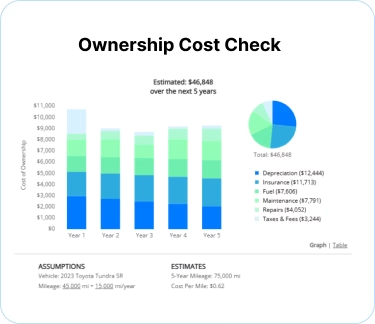
2011 Kawasaki Ninja ZX-10R Cost of Ownership
Ownership of a 2011 Kawasaki Ninja ZX-10R is generally costly, not economical. Insurance premiums can be high due to its performance and rider demographics, often requiring specific sportbike coverage. Fuel consumption, while not extreme, averages around 30-35 MPG, meaning frequent fill-ups with premium gasoline. Maintenance is critical and can be expensive, with regular servicing, tire replacements, and potential for high-cost repairs if components fail. Parts can also be pricier than for less performance-oriented bikes. Long-term ownership demands a significant budget for upkeep and consumables, positioning it as a premium, performance-focused investment rather than a cost-saving choice.
2011 Kawasaki Ninja ZX-10R Fuel Efficiency
Fuel Type
-
Fuel Capacity
-
City Mileage
-
Highway Mileage
-
2011 Kawasaki Ninja ZX-10R Warranty
Basic
Original warranty
0 months / No data
Estimated remaining
Expired
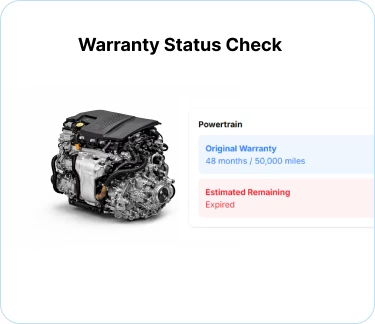
Powertrain
Original warranty
0 months / No data
Estimated remaining
Expired
Rust
Original warranty
0 months / No data
Estimated remaining
Expired
2011 Kawasaki Ninja ZX-10R Insurance
Insurance for a 2011 Kawasaki Ninja ZX-10R is moderately priced, reflecting its status as a Motorcycle with strong safety ratings and
reasonable repair costs.
How Does the 2011 Kawasaki Ninja ZX-10R Compare to Other Motorcycle?
The 2011 Kawasaki Ninja ZX-10R entered a fierce liter-bike category, directly rivaling machines like the Yamaha YZF-R1, Honda CBR1000RR, Suzuki GSX-R1000, and BMW S1000RR.
Performance: The ZX-10R was celebrated for its raw, class-leading power output and incredibly sharp, agile handling thanks to its redesigned chassis and advanced suspension. It was arguably one of the most potent and track-focused bikes of its generation, often outperforming rivals in acceleration and cornering speed. The Yamaha R1, with its crossplane crank, offered a distinct character and strong mid-range, while the CBR1000RR was lauded for its refined balance of power and handling. The GSX-R1000 offered a strong all-around package, and the S1000RR was a performance benchmark with its aggressive power delivery.
Features: Kawasaki equipped the 2011 ZX-10R with advanced electronics like S-KTRC traction control and optional KIBS ABS, putting it on par with or ahead of some rivals in terms of rider aids. The Yamaha R1 and Honda CBR1000RR also offered robust electronics suites for their time. The BMW S1000RR was particularly known for its comprehensive electronic package including multiple riding modes and traction control.
Reliability: Generally, Japanese superbikes from this era (Kawasaki, Yamaha, Honda, Suzuki) are known for excellent mechanical reliability if maintained properly. The ZX-10R is no exception, though its high-strung nature means it demands diligent care. The BMW S1000RR, while incredibly fast, sometimes had a reputation for slightly less bulletproof long-term reliability and potentially higher maintenance costs compared to its Japanese counterparts.
Price: When new, these bikes were all in a similar premium price bracket. On the used market, the 2011 ZX-10R offers excellent value, often being priced competitively against its contemporaries.
Alternatives:
Similar: If the ZX-10R's aggressive nature appeals, the Yamaha YZF-R1 (especially newer models with the crossplane engine), Honda CBR1000RR, and Suzuki GSX-R1000 are very comparable choices offering slightly different riding dynamics and aesthetics.
Consider Also: For those prioritizing outright technology and a slightly different flavor of aggression, the BMW S1000RR is a strong contender, though often commands a higher used price and potentially higher running costs. For riders who might find the ZX-10R a bit too sharp, the Aprilia RSV4 offers a fantastic V4 engine and sophisticated handling, albeit with a more niche dealer network and potentially higher maintenance costs.
Performance: The ZX-10R was celebrated for its raw, class-leading power output and incredibly sharp, agile handling thanks to its redesigned chassis and advanced suspension. It was arguably one of the most potent and track-focused bikes of its generation, often outperforming rivals in acceleration and cornering speed. The Yamaha R1, with its crossplane crank, offered a distinct character and strong mid-range, while the CBR1000RR was lauded for its refined balance of power and handling. The GSX-R1000 offered a strong all-around package, and the S1000RR was a performance benchmark with its aggressive power delivery.
Features: Kawasaki equipped the 2011 ZX-10R with advanced electronics like S-KTRC traction control and optional KIBS ABS, putting it on par with or ahead of some rivals in terms of rider aids. The Yamaha R1 and Honda CBR1000RR also offered robust electronics suites for their time. The BMW S1000RR was particularly known for its comprehensive electronic package including multiple riding modes and traction control.
Reliability: Generally, Japanese superbikes from this era (Kawasaki, Yamaha, Honda, Suzuki) are known for excellent mechanical reliability if maintained properly. The ZX-10R is no exception, though its high-strung nature means it demands diligent care. The BMW S1000RR, while incredibly fast, sometimes had a reputation for slightly less bulletproof long-term reliability and potentially higher maintenance costs compared to its Japanese counterparts.
Price: When new, these bikes were all in a similar premium price bracket. On the used market, the 2011 ZX-10R offers excellent value, often being priced competitively against its contemporaries.
Alternatives:
Similar: If the ZX-10R's aggressive nature appeals, the Yamaha YZF-R1 (especially newer models with the crossplane engine), Honda CBR1000RR, and Suzuki GSX-R1000 are very comparable choices offering slightly different riding dynamics and aesthetics.
Consider Also: For those prioritizing outright technology and a slightly different flavor of aggression, the BMW S1000RR is a strong contender, though often commands a higher used price and potentially higher running costs. For riders who might find the ZX-10R a bit too sharp, the Aprilia RSV4 offers a fantastic V4 engine and sophisticated handling, albeit with a more niche dealer network and potentially higher maintenance costs.
Final Verdict: Is the 2011 Kawasaki Ninja ZX-10R a Good Motorcycle?
The 2011 Kawasaki Ninja ZX-10R is ideal for experienced sportbike riders seeking exhilarating performance, razor-sharp handling, and cutting-edge (for its time) electronic rider aids. It's a bike that excels on the track and on twisty roads but demands respect and skill. It is worth buying for those who appreciate its aggressive power delivery and chassis dynamics, especially on the used market where it represents significant performance for the money.
It's best purchased used, as new examples are long gone. Buyers should thoroughly inspect any used model, prioritize those with comprehensive service records, and ideally opt for a bike with ABS (KIBS) if available. Riders who prioritize comfort or are new to liter-class superbikes might find it too intense. For the right rider, it remains a thrilling and capable machine.