The 1997 GMC C7H042 represents a robust segment of GMC's commercial vehicle offerings. Primarily known for its heavy-duty truck capabilities, this model, while not having distinct 'trims' in the passenger car sense, offered various configurations catering to vocational needs. It was part of the broader C/K truck lineage, known for its durability and workhorse nature. Its popularity stemmed from its reputation for steadfast performance and its ability to handle demanding tasks, making it a reliable choice for businesses and operators requiring a no-nonsense work vehicle.
The Good
The 1997 GMC C7H042 excels in raw performance for heavy-duty applications and boasts legendary reliability, offering peace of mind to practical buyers. Its straightforward, functional design appeals to those who value utility over flair. While efficiency might not be its forte, its overall value proposition lies in its durability and long-term cost-effectiveness for demanding work.
The Bad
Potential weaknesses for the 1997 GMC C7H042 include common issues with older diesel engines like injector problems and turbo wear. Rust can be a significant concern, particularly in the frame and cab corners, due to its age and work-oriented nature. Fuel economy is also a practical limitation for this class of vehicle.
1997 GMC C7H042: Quick Overview
- Engine Options: The 1997 GMC C7H042 was primarily equipped with powerful diesel engines designed for commercial use. Common options included the 5.9L Cummins inline-6 turbo diesel, and potentially other General Motors big-block gasoline engines for specific applications.
- Horsepower: Horsepower figures varied significantly depending on the specific engine chosen. The 5.9L Cummins typically produced around 180-215 horsepower, with higher output versions available. Gasoline V8s would offer a different power band.
- Fuel Economy: Fuel economy for a vehicle of this size and purpose is not a primary design consideration and would be relatively low. Owners could expect figures in the range of 8-12 MPG, heavily dependent on load, terrain, and driving style.
- 0-60 Times: 0-60 mph acceleration times are not a relevant metric for this type of heavy-duty commercial vehicle. Performance is geared towards torque and hauling capability, not rapid acceleration.
- Towing Capacity: The towing capacity for the C7H042 is substantial, designed for heavy hauling. Depending on the chassis configuration, axle ratios, and specific build, it could tow upwards of 10,000 to 20,000+ pounds, often exceeding these figures in specialized configurations.
- Trim-Level Features: As a commercial vehicle, the concept of 'trims' differs from passenger cars. Features were often dictated by the vocational application. Standard equipment would focus on functionality and durability. Available options might include different transmissions (manual or automatic), various axle ratios, upgraded suspension components, power steering, air conditioning (often optional), and specialized body configurations like flatbeds, service bodies, or chassis cabs ready for custom upfitting. Interior features were generally utilitarian, prioritizing ease of cleaning and durability over luxury.
1997 GMC C7H042 Specifications
Vehicle Information
| Year | 1997 |
| Make | GMC |
| Model | C7H042 |
| Trim | - |
| Style | - |
| Type | Truck |
| Category | Heavy Truck |
Manufacturing Details
| Made In | United States |
| Manufacturing City | JANESVILLE |
Dimensions
| Doors | - |
| Curb Weight | - |
| Gross Vehicle Weight Rating | 33001 pounds |
| Overall Height | - |
| Overall Length | - |
| Overall Width | - |
| Wheelbase Length | - |
| Standard Seating | - |
Engine & Performance
| Engine | 7L V8 |
| Engine Size | 7L |
| Engine Cylinders | 8 |
| Transmission | - |
| Transmission Type | - |
| Transmission Speeds | - |
| Drivetrain | Rear-Wheel Drive |
Additional Features
| Anti-Brake System | - |
| Steering Type | - |
Pricing
| Manufacturer Suggested Retail Price (MSRP) | - |
| Invoice Price | - |
| Delivery Charges | - |
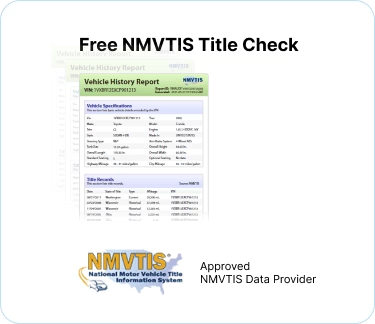
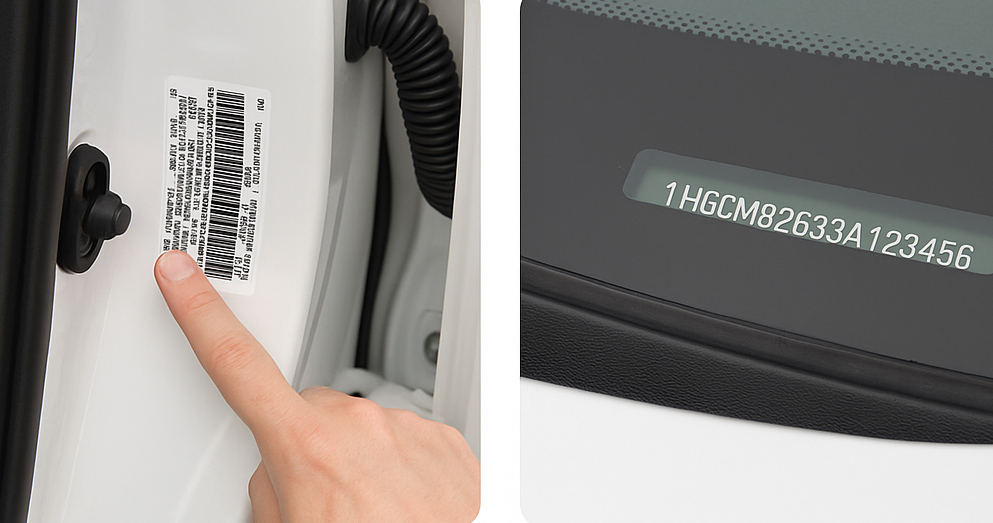
Vehicle History Report
Vehicle
Specifications
Specifications
Ownership
History
History
All History
Events
Events
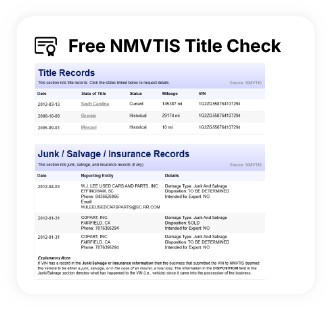
NMVTIS Title
History Check
History Check
Salvage/Rebuilt
Check
Check
Accident
Check
Check
Theft
Check
Check
Open Lien
Check
Check
Past Sale
Listings
Listings
Safety
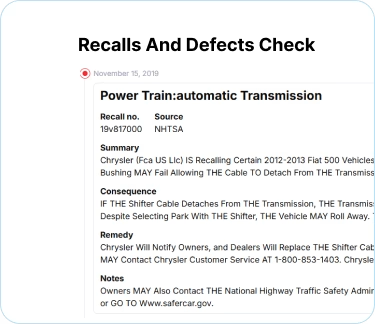
Recalls
Recalls
Odometer
Check
Check
Market Price
Analysis
Analysis
What Problems Does the 1997 GMC C7H042 Have?
The 1997 GMC C7H042, being a commercial-grade vehicle, is generally built for longevity, but like any vehicle of its age, it has common areas of concern. A frequently reported issue, especially with the diesel variants, revolves around the fuel injection system. Injectors can become clogged or fail over time, leading to performance issues and increased emissions. Turbocharger failure, while not exclusive to this model year, can also occur, particularly if maintenance intervals were not strictly adhered to. For diesel engines, particularly the Cummins 5.9L often found in similar GMC platforms of this era, oil leaks from the valve cover or oil pan gaskets are common as seals age and degrade. In terms of long-term reliability, the core mechanical components like the engine and transmission are typically very robust if properly maintained. However, electrical gremlins can start to surface in older vehicles, such as issues with the wiring harness, dashboard lights, or accessory functions due to corrosion or material fatigue. Body and frame rust is a significant concern, especially for vehicles used in regions with harsh winters or exposed to road salt. Areas like the cab corners, rocker panels, and the chassis frame itself are susceptible to significant corrosion, which can compromise structural integrity. While specific recalls for the 1997 C7H042 might be tied to broader campaigns for GM trucks of that period, owners should always check with GMC or NHTSA for any outstanding safety recalls. The overall long-term reliability is heavily dependent on the previous owner's maintenance regimen. A well-maintained C7H042 can continue to serve for hundreds of thousands of miles, but neglect will accelerate wear and the likelihood of costly repairs.
How long will the 1997 GMC C7H042 last?
Based on owner data and the robust construction typical of commercial vehicles, a 1997 GMC C7H042, with diligent maintenance, can realistically achieve between 250,000 to 400,000 miles or even more. Many diesel-powered versions are known to last well over 500,000 miles before requiring major overhauls. Long-term durability is a strong suit, particularly for the powertrain, if oil changes, fuel filter replacements, and coolant services are performed regularly. Weaknesses that emerge over time are primarily related to wear and tear on auxiliary systems and body components. Rust is a significant factor that can limit lifespan, especially in adverse climates. However, the core chassis and engine are designed for a very long service life.
What Technology & Safety Features are Included?
The 1997 GMC C7H042, by its nature as a commercial vehicle, had a technology and features list that prioritized functionality and durability over luxury or advanced driver aids.
Built-in Tech and Entertainment: Basic in-car entertainment would typically consist of an AM/FM radio, often with a cassette player. CD players were less common but might have been an optional upgrade. Speakers were usually basic, designed for clear audio rather than high fidelity. Climate control would be manual, with a heater and fan system. Air conditioning was a common, though not always standard, option, often appreciated for long working days. Power windows and door locks might have been available on higher-spec versions or as optional equipment, but manual cranks were also prevalent.
Driver-Assistance Features: Driver-assistance features were virtually non-existent in the modern sense for this vehicle. Features like ABS (Anti-lock Braking System) were becoming more common, especially on heavier-duty trucks, and would likely have been standard or an option. Cruise control might have been offered as an option. There were no electronic stability control systems, lane departure warnings, or adaptive cruise control.
Safety Features: Standard safety features would include seatbelts. Airbags were becoming mandatory around this period, so it's likely the C7H042 would have had driver and passenger airbags. The robust construction of the truck frame provided a significant degree of passive safety.
Optional Features: Beyond AC and power accessories, optional features often catered to the vocational use of the truck, such as different rearview mirror configurations, heavy-duty alternators, auxiliary lighting, or specific towing packages.
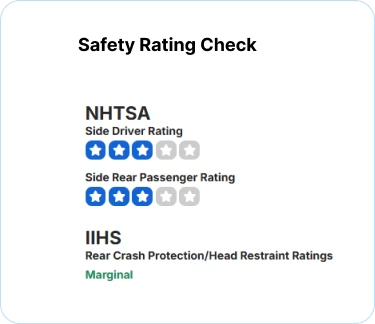
Crash-Test Ratings: Specific crash-test ratings for commercial trucks like the 1997 GMC C7H042 are not typically published or standardized in the same way as passenger vehicles by organizations like the NHTSA or IIHS. However, its heavy-duty construction would generally offer a considerable level of occupant protection in frontal and side impacts compared to lighter vehicles.
Built-in Tech and Entertainment: Basic in-car entertainment would typically consist of an AM/FM radio, often with a cassette player. CD players were less common but might have been an optional upgrade. Speakers were usually basic, designed for clear audio rather than high fidelity. Climate control would be manual, with a heater and fan system. Air conditioning was a common, though not always standard, option, often appreciated for long working days. Power windows and door locks might have been available on higher-spec versions or as optional equipment, but manual cranks were also prevalent.
Driver-Assistance Features: Driver-assistance features were virtually non-existent in the modern sense for this vehicle. Features like ABS (Anti-lock Braking System) were becoming more common, especially on heavier-duty trucks, and would likely have been standard or an option. Cruise control might have been offered as an option. There were no electronic stability control systems, lane departure warnings, or adaptive cruise control.
Safety Features: Standard safety features would include seatbelts. Airbags were becoming mandatory around this period, so it's likely the C7H042 would have had driver and passenger airbags. The robust construction of the truck frame provided a significant degree of passive safety.
Optional Features: Beyond AC and power accessories, optional features often catered to the vocational use of the truck, such as different rearview mirror configurations, heavy-duty alternators, auxiliary lighting, or specific towing packages.
Crash-Test Ratings: Specific crash-test ratings for commercial trucks like the 1997 GMC C7H042 are not typically published or standardized in the same way as passenger vehicles by organizations like the NHTSA or IIHS. However, its heavy-duty construction would generally offer a considerable level of occupant protection in frontal and side impacts compared to lighter vehicles.
What Colors Options are Available?
1997 GMC C7H042 Prices and Market Value
When new, the 1997 GMC C7H042, as a heavy-duty commercial chassis, would have had a base price that varied significantly based on its configuration and intended use, likely ranging from $30,000 to $50,000 or more for specialized builds. Depreciation for these vehicles is generally slower than for passenger cars due to their robust construction and utilitarian purpose. However, current used market prices are heavily influenced by condition, mileage, and maintenance history. Well-maintained examples, especially diesel models, can still command prices from $5,000 to $15,000 or more, reflecting their ongoing utility. Factors severely affecting resale value include significant rust, a worn-out drivetrain, high mileage without documented maintenance, and a lack of specific vocational equipment if that is the desired use.
1997 GMC C7H042 Cost of Ownership
Owning a 1997 GMC C7H042 involves specific cost considerations. Insurance premiums can be moderate to high, especially for commercial use, depending on coverage and the vehicle's application. Fuel costs, particularly with diesel engines, are substantial due to lower MPG. Maintenance, while critical for longevity, involves significant intervals but potentially expensive parts when replacements are needed (e.g., fuel injectors, turbo). Repairs on heavy-duty components can also be costly. Overall, while the initial purchase price might be lower than newer vehicles, the ongoing fuel and potential repair costs make it a moderately costly vehicle to own, though its durability can offer long-term value if well-maintained.
1997 GMC C7H042 Fuel Efficiency
Fuel Type
Gasoline
Fuel Capacity
-
City Mileage
-
Highway Mileage
-
1997 GMC C7H042 Warranty
Basic
Original warranty
0 months / No data
Estimated remaining
Expired
Powertrain
Original warranty
0 months / No data
Estimated remaining
Expired
Rust
Original warranty
0 months / No data
Estimated remaining
Expired
1997 GMC C7H042 Insurance
Insurance for a 1997 GMC C7H042 is moderately priced, reflecting its status as a Truck with strong safety ratings and
reasonable repair costs.
How Does the 1997 GMC C7H042 Compare to Other Truck?
The 1997 GMC C7H042, as a heavy-duty commercial truck chassis, would compete in a class with vehicles like the Ford F-Series Super Duty (though the Super Duty line debuted in late 1998, earlier F-250/F-350 models would be contemporaries), Chevrolet Silverado HD equivalents (GMC's sibling line), and potentially some vocational trucks from manufacturers like Freightliner or Dodge Ram (for heavier duty applications).
Performance: In terms of raw power and torque, especially with diesel options like the Cummins 5.9L, the C7H042 was competitive, offering excellent hauling and towing capabilities. Rivals like Ford's Power Stroke diesel also offered strong performance. Gasoline engines in competitors might have offered slightly better refinement but less low-end torque for heavy loads.
Features: Competitors in this era were also quite utilitarian. While basic amenities like AC and power accessories were available across the board, advanced tech was minimal. GMC, like its GM counterparts, offered a durable and straightforward interior. Ford and Dodge might have offered slightly more refined interiors or a wider array of optional comfort features in their higher trim levels.
Reliability: The 1997 GMC C7H042, especially when equipped with the robust Cummins diesel, is known for excellent long-term reliability, rivaling the Ford Power Stroke and earlier Dodge Cummins engines. Durability was a hallmark of this class, with owners often reporting hundreds of thousands of miles on powertrains. Rust and age-related wear on non-powertrain components are common concerns across all these brands.
Price: New prices were comparable, with significant variation based on configuration. On the used market, all these heavy-duty trucks from the late 90s retain value if well-maintained, with diesel variants generally commanding higher prices due to their longevity and capability.
Alternatives:
Ultimately, the choice between these heavy-duty trucks often comes down to specific engine preferences, local availability, and the vehicle's individual condition.
Performance: In terms of raw power and torque, especially with diesel options like the Cummins 5.9L, the C7H042 was competitive, offering excellent hauling and towing capabilities. Rivals like Ford's Power Stroke diesel also offered strong performance. Gasoline engines in competitors might have offered slightly better refinement but less low-end torque for heavy loads.
Features: Competitors in this era were also quite utilitarian. While basic amenities like AC and power accessories were available across the board, advanced tech was minimal. GMC, like its GM counterparts, offered a durable and straightforward interior. Ford and Dodge might have offered slightly more refined interiors or a wider array of optional comfort features in their higher trim levels.
Reliability: The 1997 GMC C7H042, especially when equipped with the robust Cummins diesel, is known for excellent long-term reliability, rivaling the Ford Power Stroke and earlier Dodge Cummins engines. Durability was a hallmark of this class, with owners often reporting hundreds of thousands of miles on powertrains. Rust and age-related wear on non-powertrain components are common concerns across all these brands.
Price: New prices were comparable, with significant variation based on configuration. On the used market, all these heavy-duty trucks from the late 90s retain value if well-maintained, with diesel variants generally commanding higher prices due to their longevity and capability.
Alternatives:
- Similar: A 1997-2003 Ford F-250/F-350 with a Power Stroke diesel offers comparable capability and reliability, often with a slightly more modern interior feel for its time.
- Similar: A 1997-2003 Dodge Ram 2500/3500 with a Cummins diesel is another excellent alternative, renowned for its legendary diesel engine durability and strong towing prowess.

- Consider if budget is a primary concern: While less powerful or refined, older gasoline-powered trucks from these lineups could be found for less but would offer less towing and hauling capacity.
Ultimately, the choice between these heavy-duty trucks often comes down to specific engine preferences, local availability, and the vehicle's individual condition.
Final Verdict: Is the 1997 GMC C7H042 a Good Truck?
The 1997 GMC C7H042 is ideal for practical buyers such as small business owners, tradespeople, farmers, or individuals who need a dependable workhorse for heavy hauling, towing, or specific vocational applications. It is absolutely worth considering if you prioritize ruggedness, durability, and a proven powertrain (especially diesel) over modern creature comforts and cutting-edge technology. Buying it used is the only realistic option. It's most valuable when purchased with documented maintenance history, minimal rust, and a drivetrain that is in good working order. Specific configurations designed for your intended use (e.g., a chassis cab for custom builds or a well-equipped utility body) would enhance its suitability. It represents strong value for its capability if purchased wisely and maintained diligently.