The 2014 BMW R1200R is a naked sport-touring motorcycle known for its versatile performance and refined engineering. Introduced originally in 2006, this model year represents a significant update. Its body style is a classic roadster, naked and muscular. The R1200R model was produced for many years, with the 2014 model featuring the new liquid-cooled boxer engine. Pricing for a used 2014 model typically ranges from $8,000 to $11,000. It stands out for its potent engine, comfortable ergonomics for longer rides, and BMW's signature build quality, making it a popular choice for riders seeking a capable all-rounder.
The Good
The 2014 R1200R offers a thrilling yet manageable performance from its potent boxer engine. Its refined handling and comfortable riding position make it a joy for both spirited rides and long-distance touring, appealing to practical needs. Emotionally, its classic BMW aesthetics and the satisfying rumble of the boxer twin provide a deeply rewarding ownership experience.

The Bad
Potential owners should watch for occasional issues with the clutch slave cylinder, and some riders report a slightly abrupt throttle response in lower gears. Early models of this engine generation sometimes experienced fuel pump concerns. Also, be aware of the premium cost associated with BMW parts and specialized maintenance.
2014 BMW R1200R: Quick Overview
- Engine Options: The 2014 BMW R1200R is equipped with a single engine option: a 1170cc, air/liquid-cooled, four-stroke boxer-twin engine. This engine features dual overhead camshafts (DOHC) and four valves per cylinder.
- Horsepower: It produces a peak horsepower of approximately 125 hp at 7,750 rpm.
- Torque: Maximum torque is around 92.5 lb-ft at 6,500 rpm.
- Fuel Economy: Real-world fuel economy typically averages around 45-55 miles per gallon (mpg), depending on riding style and conditions. BMW often quotes figures around 5.2 L/100km at a steady 90 km/h.
- 0-60 Times: While official figures are not always provided by BMW for this model, independent tests and owner reports suggest 0-60 mph times in the range of 3.5 to 4.0 seconds.
- Towing Capacity: As a motorcycle, the R1200R does not have a towing capacity in the traditional automotive sense. It is not designed to pull trailers.
- Trim-Level Features: The 2014 R1200R was offered in various configurations and optional packages rather than distinct trims. Key standard features include:
- Chassis: Steel tubular frame.
- Suspension: BMW Telelever front suspension and Paralever rear suspension, providing excellent ride quality and handling.
- Brakes: Dual 320mm discs with four-piston calipers at the front and a single 265mm disc with a two-piston caliper at the rear. ABS (Anti-lock Braking System) is standard.
- Instrumentation: Multi-function LCD display with analog rev counter.
- Riding Modes: Often equipped with rider-selectable modes (e.g., Road and Rain) which adjust throttle response and ABS/traction control settings.
- Optional Features: Significant optional equipment could be specified at purchase, including:
- Dynamic Traction Control (DTC)
- Electronic Suspension Adjustment (ESA)
- Heated Grips
- On-Board Computer Pro
- Cruise Control
- LED Daytime Running Light
- Spoked Wheels
- Various luggage options (panniers, top box)
- Different seat heights
2014 BMW R1200R Specifications
Vehicle Information
| Year | 2014 |
| Make | BMW |
| Model | R1200R |
| Trim | - |
| Style | - |
| Type | Motorcycle |
| Category | Motorcycle |
Manufacturing Details
| Made In | Germany |
| Manufacturing City | BERLIN |
Dimensions
| Doors | - |
| Curb Weight | - |
| Gross Vehicle Weight Rating | - |
| Overall Height | - |
| Overall Length | - |
| Overall Width | - |
| Wheelbase Length | - |
| Standard Seating | - |
Engine & Performance
| Engine | 1170CC |
| Engine Size | 1170L |
| Engine Cylinders | 2 |
| Transmission | - |
| Transmission Type | - |
| Transmission Speeds | - |
| Drivetrain | - |
Additional Features
| Anti-Brake System | - |
| Steering Type | - |
Pricing
| Manufacturer Suggested Retail Price (MSRP) | - |
| Invoice Price | - |
| Delivery Charges | - |
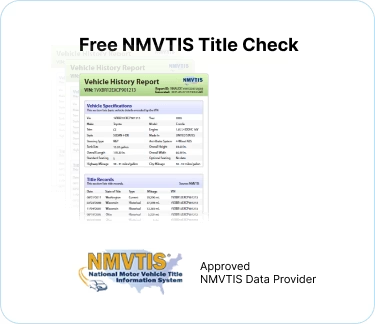
Vehicle History Report
Vehicle
Specifications
Specifications
Ownership
History
History
All History
Events
Events
NMVTIS Title
History Check
History Check
Salvage/Rebuilt
Check
Check
Accident
Check
Check
Theft
Check
Check
Open Lien
Check
Check
Past Sale
Listings
Listings
Safety
Recalls
Recalls
Odometer
Check
Check
Market Price
Analysis
Analysis
What Problems Does the 2014 BMW R1200R Have?
The 2014 BMW R1200R, while generally considered reliable, has a few commonly reported issues that owners should be aware of. One of the more persistent concerns, particularly in the early stages of this liquid-cooled boxer engine generation, involved the clutch slave cylinder. This could lead to clutch slippage or difficulty engaging gears. While not a widespread catastrophic failure, it's a repair that has appeared on forums and in owner feedback.
Another point of discussion is the fuel pump. Some owners have reported premature failure of the fuel pump. This can manifest as difficulty starting, stalling, or a loss of power. It's a component that benefits from regular checks and can be a costly replacement if it fails.
Some riders have also noted a somewhat abrupt throttle response, especially at lower RPMs or when riding in the "Rain" mode. This can sometimes lead to jerky acceleration in traffic. While often a characteristic of the bike and manageable with practice, it can be a point of concern for new owners.
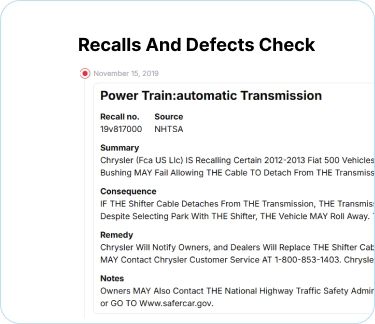
Recalls for the 2014 R1200R are not extensive, but it is always advisable to check the manufacturer's recall database for any outstanding campaigns. BMW is proactive in addressing safety concerns, so staying informed is key. For example, there have been recalls related to potential issues with the brake system or electrical components on various BMW models over the years, and it's important to ensure any R1200R being considered has had these addressed.
Long-term reliability is generally good due to BMW's robust engineering and quality components. However, like any motorcycle, regular and diligent maintenance is crucial. Neglecting oil changes, filter replacements, and proper brake fluid service can exacerbate potential issues and lead to premature wear. The liquid cooling system, while enhancing performance, adds complexity and requires proper coolant level checks and fluid flushes.
Model year-specific nuances are less pronounced for the R1200R within a single generation like this, as major changes tend to occur between significant model redesigns. The 2014 model was the first year for the new DOHC, liquid-cooled boxer engine in the R1200R, so initial production runs might have been more susceptible to learning curve issues compared to later iterations. Owners should be particularly mindful of the clutch and fuel pump when inspecting a used 2014 model.
Another point of discussion is the fuel pump. Some owners have reported premature failure of the fuel pump. This can manifest as difficulty starting, stalling, or a loss of power. It's a component that benefits from regular checks and can be a costly replacement if it fails.
Some riders have also noted a somewhat abrupt throttle response, especially at lower RPMs or when riding in the "Rain" mode. This can sometimes lead to jerky acceleration in traffic. While often a characteristic of the bike and manageable with practice, it can be a point of concern for new owners.
Recalls for the 2014 R1200R are not extensive, but it is always advisable to check the manufacturer's recall database for any outstanding campaigns. BMW is proactive in addressing safety concerns, so staying informed is key. For example, there have been recalls related to potential issues with the brake system or electrical components on various BMW models over the years, and it's important to ensure any R1200R being considered has had these addressed.
Long-term reliability is generally good due to BMW's robust engineering and quality components. However, like any motorcycle, regular and diligent maintenance is crucial. Neglecting oil changes, filter replacements, and proper brake fluid service can exacerbate potential issues and lead to premature wear. The liquid cooling system, while enhancing performance, adds complexity and requires proper coolant level checks and fluid flushes.
Model year-specific nuances are less pronounced for the R1200R within a single generation like this, as major changes tend to occur between significant model redesigns. The 2014 model was the first year for the new DOHC, liquid-cooled boxer engine in the R1200R, so initial production runs might have been more susceptible to learning curve issues compared to later iterations. Owners should be particularly mindful of the clutch and fuel pump when inspecting a used 2014 model.
How long will the 2014 BMW R1200R last?
The 2014 BMW R1200R is built with long-term durability in mind, and with proper maintenance, it can easily see 100,000 miles or more. Many owners report consistently achieving over 50,000 miles with only routine service. The boxer twin engine is renowned for its resilience. Weaknesses that can emerge over time, as mentioned earlier, include potential clutch slave cylinder issues and fuel pump longevity. However, these are often addressed with timely replacement. Regular oil changes, valve checks, and shaft drive maintenance are critical to maximizing its lifespan. Its robust construction means that the chassis and suspension components also tend to hold up well over many years and miles.
What Technology & Safety Features are Included?
The 2014 BMW R1200R integrates a good blend of modern technology, rider assistance, and safety features, especially considering its class and model year. Standard safety equipment includes BMW's Integral ABS, which is a sophisticated anti-lock braking system that applies both front and rear brakes with a single lever pull. This significantly enhances rider control and confidence, particularly in emergency situations or on slippery surfaces.
For rider assistance, the 2014 R1200R typically came with selectable riding modes. The standard modes are usually "Road" and "Rain," which alter throttle response and ABS/Traction Control (if equipped) intervention levels to suit different conditions. This is a valuable feature for adapting the bike's character and safety net to prevailing weather and road surfaces.
Technologically, the R1200R features a comprehensive multi-function instrument cluster. This includes an analog tachometer and a clear LCD screen displaying vital information such as speed, gear position, fuel level, odometer, trip meters, ambient temperature, and system warnings. For 2014, the new liquid-cooled engine also brought with it more advanced engine management systems.
Optional technology and rider assistance features significantly enhanced the R1200R's capabilities. These often included Dynamic Traction Control (DTC), which provides more advanced wheel-slip control. Electronic Suspension Adjustment (ESA) was another popular option, allowing riders to electronically adjust the damping and spring preload of the front and rear suspension to suit riding conditions or load. Other desirable options might include heated grips for comfort and cruise control for relaxed highway cruising.
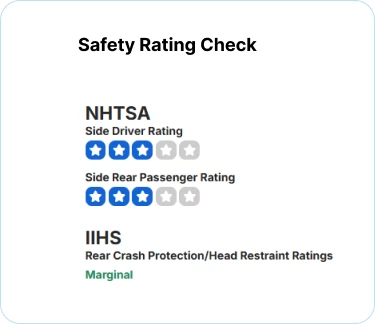
Entertainment features are minimal by automotive standards, focusing on the riding experience. There's no integrated audio system, but provision for accessories like GPS units is common. There are no crash-test ratings available in the same way as for cars, as motorcycles are not subjected to standardized crash tests. However, the bike's robust construction, standard ABS, and optional DTC contribute to its overall safety profile.
For rider assistance, the 2014 R1200R typically came with selectable riding modes. The standard modes are usually "Road" and "Rain," which alter throttle response and ABS/Traction Control (if equipped) intervention levels to suit different conditions. This is a valuable feature for adapting the bike's character and safety net to prevailing weather and road surfaces.
Technologically, the R1200R features a comprehensive multi-function instrument cluster. This includes an analog tachometer and a clear LCD screen displaying vital information such as speed, gear position, fuel level, odometer, trip meters, ambient temperature, and system warnings. For 2014, the new liquid-cooled engine also brought with it more advanced engine management systems.
Optional technology and rider assistance features significantly enhanced the R1200R's capabilities. These often included Dynamic Traction Control (DTC), which provides more advanced wheel-slip control. Electronic Suspension Adjustment (ESA) was another popular option, allowing riders to electronically adjust the damping and spring preload of the front and rear suspension to suit riding conditions or load. Other desirable options might include heated grips for comfort and cruise control for relaxed highway cruising.
Entertainment features are minimal by automotive standards, focusing on the riding experience. There's no integrated audio system, but provision for accessories like GPS units is common. There are no crash-test ratings available in the same way as for cars, as motorcycles are not subjected to standardized crash tests. However, the bike's robust construction, standard ABS, and optional DTC contribute to its overall safety profile.
What Colors Options are Available?
2014 BMW R1200R Prices and Market Value
When new, the 2014 BMW R1200R typically had a base MSRP in the United States ranging from approximately $13,000 to $14,000, before any optional packages or accessories were added. With popular options like ESA, DTC, and premium packages, the final out-the-door price could easily climb to $16,000 or more.
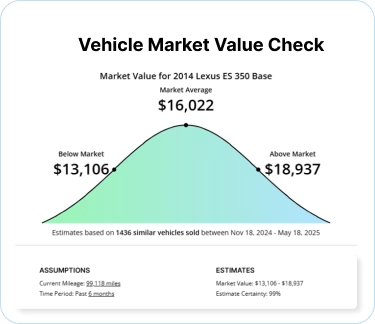
Currently, the used market price for a 2014 BMW R1200R varies significantly based on mileage, condition, and the presence of optional equipment. You can generally expect to find these bikes listed between $8,000 and $11,000. Lower mileage examples with desirable options will command higher prices, while bikes with significant mileage or wear and tear will be at the lower end of this range.
Depreciation on the R1200R is moderate compared to some less premium brands. While it loses value rapidly in the first few years, it holds its value relatively well thereafter, especially compared to comparable Japanese naked bikes. Factors affecting resale value include the bike's overall condition, maintenance history (documented is best), the desirability of its color, and the inclusion of factory options. High mileage and signs of neglect will significantly reduce its resale appeal.
Currently, the used market price for a 2014 BMW R1200R varies significantly based on mileage, condition, and the presence of optional equipment. You can generally expect to find these bikes listed between $8,000 and $11,000. Lower mileage examples with desirable options will command higher prices, while bikes with significant mileage or wear and tear will be at the lower end of this range.
Depreciation on the R1200R is moderate compared to some less premium brands. While it loses value rapidly in the first few years, it holds its value relatively well thereafter, especially compared to comparable Japanese naked bikes. Factors affecting resale value include the bike's overall condition, maintenance history (documented is best), the desirability of its color, and the inclusion of factory options. High mileage and signs of neglect will significantly reduce its resale appeal.
2014 BMW R1200R Cost of Ownership
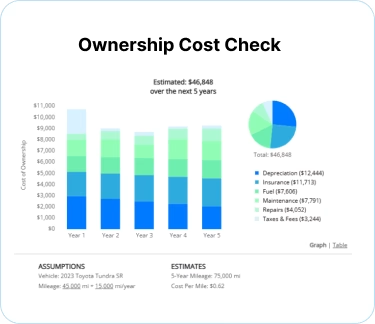
Owning a 2014 BMW R1200R can be considered moderately costly, leaning towards the premium side. Insurance premiums will likely be higher than for a basic commuter motorcycle due to its performance and brand prestige. Fuel costs are relatively economical for its performance class, averaging around 45-55 mpg. Maintenance is where costs can add up; while routine services are standard, BMW parts and specialized labor can be more expensive. Repairs for common issues like a clutch slave cylinder or fuel pump can also be significant. Overall, it's not an economical choice for a budget-conscious rider but offers good value for the performance and engineering provided.
2014 BMW R1200R Fuel Efficiency
Fuel Type
-
Fuel Capacity
-
City Mileage
-
Highway Mileage
-
2014 BMW R1200R Warranty
Basic
Original warranty
0 months / No data
Estimated remaining
Expired
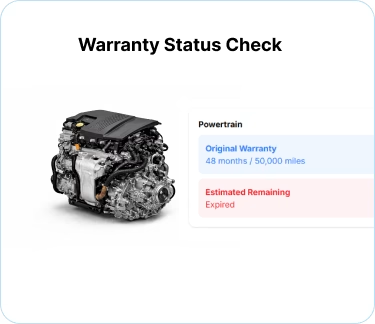
Powertrain
Original warranty
0 months / No data
Estimated remaining
Expired
Rust
Original warranty
0 months / No data
Estimated remaining
Expired
2014 BMW R1200R Insurance
Insurance for a 2014 BMW R1200R is moderately priced, reflecting its status as a Motorcycle with strong safety ratings and
reasonable repair costs.
How Does the 2014 BMW R1200R Compare to Other Motorcycle?
The 2014 BMW R1200R sits in the premium naked roadster category, often competing with bikes like the Triumph Speed Triple, Ducati Monster 1200, and Aprilia Tuono V4 1100, as well as higher-spec Japanese offerings like the Yamaha FZ1.
Performance: The R1200R's 125 hp liquid-cooled boxer twin provides strong, accessible torque and excellent mid-range punch, making it potent for both spirited riding and touring. The Triumph Speed Triple (around 130 hp) offers a more visceral, top-end rush with its triple engine, while the Ducati Monster 1200 (around 135 hp) delivers Italian flair and strong V-twin torque. The Aprilia Tuono V4 (around 170 hp) is in a league of its own for raw power and track-focused performance.
Features: BMW typically excels in its feature set. The 2014 R1200R offered standard ABS and rider modes, with optional ESA and DTC, which were often more advanced than what competitors offered as standard at the time. Triumph offered a good level of tech, but Ducati and Aprilia sometimes lagged in standard electronics on comparable models, focusing more on engine character.
Reliability: Historically, BMW has a reputation for solid engineering and long-term durability, though the early liquid-cooled boxers had some minor teething issues (as noted). Triumph Speed Triples are generally reliable, but maintenance can be more involved. Ducati historically had a more mixed reliability record, though it has improved significantly. Aprilia, while offering thrilling performance, can sometimes require more specialized attention.
Price: The 2014 R1200R was priced at the higher end of this segment when new, reflecting its premium branding and technology. Used prices for the R1200R remain competitive but are often higher than comparable Japanese bikes. Rivals like the Triumph Speed Triple and Ducati Monster 1200 tend to hold their value similarly, while the Aprilia Tuono, being more exotic and powerful, might command a higher used price.
Alternatives:
* Similar: The Triumph Speed Triple (2011-2015) is a strong contender, offering a more characterful engine and slightly sportier handling, though perhaps less touring comfort. The Ducati Monster 1200 (2014-2016) offers stunning Italian design and a potent V-twin engine, appealing to those who prioritize style and a unique riding experience.
* More Affordable: A Yamaha FZ1 (2006-2015) offers excellent performance and reliability at a lower price point, though it typically lacks the premium features and refinement of the BMW.
* More Performance-Oriented: If outright power is the priority, the Aprilia Tuono V4 1100 Factory (2015+) is a significantly faster and more aggressive machine, but at a higher cost and with a more demanding riding position.
Performance: The R1200R's 125 hp liquid-cooled boxer twin provides strong, accessible torque and excellent mid-range punch, making it potent for both spirited riding and touring. The Triumph Speed Triple (around 130 hp) offers a more visceral, top-end rush with its triple engine, while the Ducati Monster 1200 (around 135 hp) delivers Italian flair and strong V-twin torque. The Aprilia Tuono V4 (around 170 hp) is in a league of its own for raw power and track-focused performance.
Features: BMW typically excels in its feature set. The 2014 R1200R offered standard ABS and rider modes, with optional ESA and DTC, which were often more advanced than what competitors offered as standard at the time. Triumph offered a good level of tech, but Ducati and Aprilia sometimes lagged in standard electronics on comparable models, focusing more on engine character.
Reliability: Historically, BMW has a reputation for solid engineering and long-term durability, though the early liquid-cooled boxers had some minor teething issues (as noted). Triumph Speed Triples are generally reliable, but maintenance can be more involved. Ducati historically had a more mixed reliability record, though it has improved significantly. Aprilia, while offering thrilling performance, can sometimes require more specialized attention.
Price: The 2014 R1200R was priced at the higher end of this segment when new, reflecting its premium branding and technology. Used prices for the R1200R remain competitive but are often higher than comparable Japanese bikes. Rivals like the Triumph Speed Triple and Ducati Monster 1200 tend to hold their value similarly, while the Aprilia Tuono, being more exotic and powerful, might command a higher used price.
Alternatives:
* Similar: The Triumph Speed Triple (2011-2015) is a strong contender, offering a more characterful engine and slightly sportier handling, though perhaps less touring comfort. The Ducati Monster 1200 (2014-2016) offers stunning Italian design and a potent V-twin engine, appealing to those who prioritize style and a unique riding experience.
* More Affordable: A Yamaha FZ1 (2006-2015) offers excellent performance and reliability at a lower price point, though it typically lacks the premium features and refinement of the BMW.
* More Performance-Oriented: If outright power is the priority, the Aprilia Tuono V4 1100 Factory (2015+) is a significantly faster and more aggressive machine, but at a higher cost and with a more demanding riding position.
Final Verdict: Is the 2014 BMW R1200R a Good Motorcycle?
The 2014 BMW R1200R is an excellent choice for experienced riders seeking a versatile, premium naked motorcycle that can handle commuting, spirited weekend rides, and even light touring. It's ideal for those who appreciate BMW's engineering, rider aids, and comfortable ergonomics. Given its age, buying used is the only option and is generally worthwhile, especially if you find one with desirable optional equipment like ESA and DTC. It's worth buying if you prioritize a refined, capable all-rounder over raw sportbike aggression or budget economy. Thorough pre-purchase inspection focusing on the clutch and fuel system is recommended. It represents good value for a premium European motorcycle that offers a sophisticated blend of performance and comfort.