The 2011 Freightliner Cascadia 132 is a Class 8 heavy-duty truck known for its aerodynamic design and driver-focused features. Introduced in 2007, it has been a staple in the trucking industry. Key trims often revolve around engine and cab configurations, such as the Day Cab and various Sleeper options. Pricing for a used 2011 model can range significantly depending on condition and mileage, typically from $30,000 to $60,000. It stands out due to its excellent fuel efficiency for its class and comfortable cab, making it popular with owner-operators and large fleets alike.
The Good
The 2011 Cascadia 132 offers superior fuel efficiency, a remarkably comfortable and quiet cab that reduces driver fatigue, and a robust, reliable platform. Its aerodynamic design appeals to the practical need for lower operating costs, while the spacious and well-appointed interior provides a sense of pride and well-being for the driver.
The Bad
Potential buyers should be aware of possible issues with the emissions control system (DEF system), electrical gremlins, and wear and tear on components like the DPF. Regular maintenance is crucial, and a thorough pre-purchase inspection is highly recommended to identify any hidden problems.
2011 Freightliner Cascadia 132: Quick Overview
- Engine Options:
The 2011 Freightliner Cascadia 132 primarily featured Detroit Diesel engines, with common options including:- Detroit DD13: Available in various configurations, typically ranging from 350 to 450 horsepower.
- Detroit DD15: A more powerful option, usually found between 450 and 560 horsepower.
- Cummins ISX15: Also a popular choice, offering similar horsepower ranges as the DD15.
- Horsepower:
Horsepower ratings generally ranged from approximately 350 hp to 560 hp, depending on the specific engine and configuration chosen. - Fuel Economy:
While specific MPG figures for heavy-duty trucks are not directly comparable to light vehicles and depend heavily on load, terrain, and driving style, the Cascadia is renowned for its excellent fuel efficiency within its class, often cited as being 3-5% better than previous models or competitors, thanks to its aerodynamic design. - 0-60 Times:
0-60 mph times are not typically a relevant metric for Class 8 trucks, as they are designed for sustained heavy hauling rather than rapid acceleration. - Towing Capacity:
Towing capacity is determined by the truck's Gross Combination Weight Rating (GCWR), which can vary significantly based on the chassis, axle configuration, and specific build. For a Class 8 truck like the Cascadia 132, GCWRs can often exceed 80,000 pounds, allowing for the hauling of very heavy loads, including tractor-trailers. - Trim-Level Features:
The 2011 Cascadia 132 was available in various configurations to suit different needs:- Day Cab: Designed for local or regional hauling where overnight stays in the truck are not required. Features a more basic cab interior focused on functionality.
- Sleeper Cabs: Available in different lengths (e.g., 48-inch, 60-inch, 72-inch) offering a bunk area for drivers on long-haul routes. Sleeper cabs could include amenities like refrigerators, televisions, and enhanced storage.
- Aerodynamic Enhancements: Standard on most models, including a sloped hood, integrated bumper, and chassis fairings to reduce drag.
- Optional Features: Could include advanced climate control systems, premium seating, upgraded infotainment systems (though basic by today's standards), and various safety packages.
2011 Freightliner Cascadia 132 Specifications
Vehicle Information
| Year | 2011 |
| Make | Freightliner |
| Model | Cascadia 132 |
| Trim | - |
| Style | - |
| Type | Truck |
| Category | Heavy Truck |
Manufacturing Details
| Made In | United States |
| Manufacturing City | SALTILLO |
Dimensions
| Doors | - |
| Curb Weight | - |
| Gross Vehicle Weight Rating | 33001 pounds |
| Overall Height | - |
| Overall Length | - |
| Overall Width | - |
| Wheelbase Length | - |
| Standard Seating | - |
Engine & Performance
| Engine | 12.8L I6 |
| Engine Size | 12.8L |
| Engine Cylinders | 6 |
| Transmission | - |
| Transmission Type | - |
| Transmission Speeds | - |
| Drivetrain | 6x4 |
Additional Features
| Anti-Brake System | - |
| Steering Type | - |
Pricing
| Manufacturer Suggested Retail Price (MSRP) | - |
| Invoice Price | - |
| Delivery Charges | - |
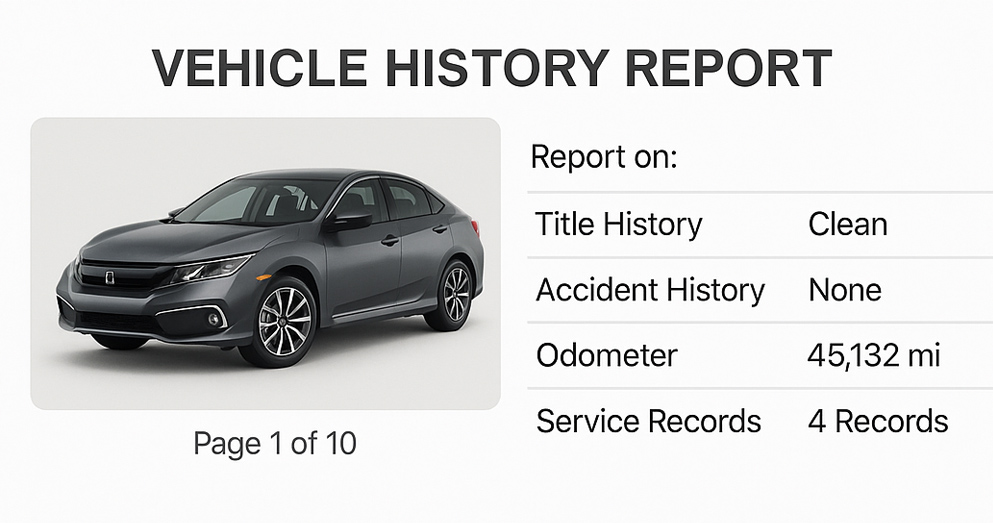
Vehicle History Report
Vehicle
Specifications
Specifications
Ownership
History
History
All History
Events
Events
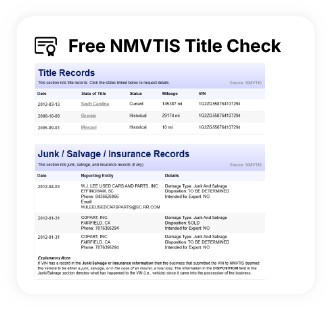
NMVTIS Title
History Check
History Check
Salvage/Rebuilt
Check
Check
Accident
Check
Check
Theft
Check
Check
Open Lien
Check
Check
Past Sale
Listings
Listings
Safety
Recalls
Recalls
Odometer
Check
Check
Market Price
Analysis
Analysis
What Problems Does the 2011 Freightliner Cascadia 132 Have?
The 2011 Freightliner Cascadia 132, like many complex heavy-duty trucks, has had its share of reported issues and recalls over its lifespan. A common area of concern for this generation of Cascadia, particularly those with emissions systems, involves the Diesel Particulate Filter (DPF) and the Diesel Exhaust Fluid (DEF) system. Problems can include DPF clogging, requiring regeneration or replacement, and issues with DEF sensors or pumps leading to reduced engine power or warning lights. These systems, while designed to meet emissions standards, can be a source of significant repair costs if they malfunction.
Another area that has seen some owner-reported issues relates to electrical gremlins. This can manifest in various ways, from dashboard warning lights that appear intermittently to problems with auxiliary systems or lighting. Diagnosing and repairing complex electrical issues in heavy-duty trucks can be challenging and costly. The automatic transmission, if equipped, can also be a point of concern, with potential for wear on clutch packs or electronic control module failures.
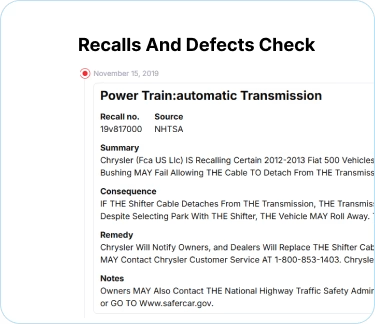
While not specific to the 2011 model year exclusively, general long-term reliability concerns for any heavy-duty truck of this age include the wear and tear on the drivetrain components, suspension, brakes, and cooling system. Regular and diligent maintenance is paramount to mitigating these issues. Recalls for the 2011 Cascadia have been issued for various reasons, often pertaining to specific component failures or safety-related issues. For instance, recalls have addressed potential problems with steering components, braking systems, and electrical harnesses. It is crucial for any potential buyer to research specific recall campaigns that may have affected the VIN of the truck they are considering and ensure these have been addressed by a qualified service center.
Another area that has seen some owner-reported issues relates to electrical gremlins. This can manifest in various ways, from dashboard warning lights that appear intermittently to problems with auxiliary systems or lighting. Diagnosing and repairing complex electrical issues in heavy-duty trucks can be challenging and costly. The automatic transmission, if equipped, can also be a point of concern, with potential for wear on clutch packs or electronic control module failures.
While not specific to the 2011 model year exclusively, general long-term reliability concerns for any heavy-duty truck of this age include the wear and tear on the drivetrain components, suspension, brakes, and cooling system. Regular and diligent maintenance is paramount to mitigating these issues. Recalls for the 2011 Cascadia have been issued for various reasons, often pertaining to specific component failures or safety-related issues. For instance, recalls have addressed potential problems with steering components, braking systems, and electrical harnesses. It is crucial for any potential buyer to research specific recall campaigns that may have affected the VIN of the truck they are considering and ensure these have been addressed by a qualified service center.
How long will the 2011 Freightliner Cascadia 132 last?
The 2011 Freightliner Cascadia 132, with proper and consistent maintenance, is designed for long-term service. Owner data suggests that these trucks can reliably reach well over 700,000 to 1 million miles, with some even exceeding 1.5 million miles if meticulously cared for. The long-term durability is a strong point, particularly for the chassis and core drivetrain components if they are serviced according to schedule. However, weaknesses that tend to emerge over time include the aforementioned emissions control systems (DPF/DEF), which can become costly to repair or replace as they age. Electrical components and HVAC systems are also prone to wear and tear over many years and hundreds of thousands of miles. Consistent lubrication, fluid changes, and proactive inspections are key to maximizing its lifespan.
What Technology & Safety Features are Included?
The 2011 Freightliner Cascadia 132, while a workhorse focused on functionality, offered a reasonable set of technology and safety features for its era. Built-in tech was more geared towards operational efficiency and driver comfort than advanced infotainment. Standard features typically included a digital tachograph, an engine monitoring system providing diagnostics, and basic interior lighting. Entertainment options were often limited to an AM/FM radio with a CD player, and potentially an auxiliary input. Bluetooth connectivity was not standard and would have been an optional upgrade or aftermarket addition.
Driver-assistance features were nascent in 2011 for heavy-duty trucks. While advanced systems like lane departure warnings or adaptive cruise control were not common, the Cascadia did benefit from features that enhanced drivability and safety. These could include power steering, air brakes with ABS (Anti-lock Braking System), and robust lighting systems for visibility. Optional features might have included enhanced diagnostics, GPS tracking capabilities for fleet management, and auxiliary power outlets for personal electronic devices.
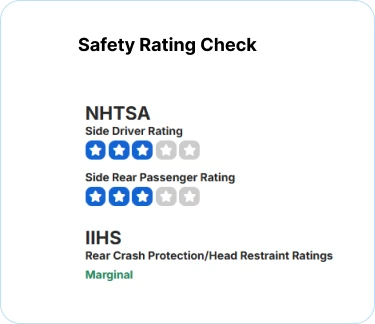
Safety was paramount, and the Cascadia was engineered with a strong, reinforced cab structure designed to protect occupants in the event of a collision. Features like sturdy seatbelts, a comprehensive dashboard warning light system, and durable exterior mirrors contributed to safety. Specific crash-test ratings for commercial heavy-duty trucks like the Cascadia are not typically published by organizations like the NHTSA or IIHS in the same way they are for passenger vehicles. However, Freightliner, as a major manufacturer, adheres to rigorous industry safety standards and certifications in their design and manufacturing processes. The emphasis was on structural integrity and functional safety systems rather than electronic driver aids.
Driver-assistance features were nascent in 2011 for heavy-duty trucks. While advanced systems like lane departure warnings or adaptive cruise control were not common, the Cascadia did benefit from features that enhanced drivability and safety. These could include power steering, air brakes with ABS (Anti-lock Braking System), and robust lighting systems for visibility. Optional features might have included enhanced diagnostics, GPS tracking capabilities for fleet management, and auxiliary power outlets for personal electronic devices.
Safety was paramount, and the Cascadia was engineered with a strong, reinforced cab structure designed to protect occupants in the event of a collision. Features like sturdy seatbelts, a comprehensive dashboard warning light system, and durable exterior mirrors contributed to safety. Specific crash-test ratings for commercial heavy-duty trucks like the Cascadia are not typically published by organizations like the NHTSA or IIHS in the same way they are for passenger vehicles. However, Freightliner, as a major manufacturer, adheres to rigorous industry safety standards and certifications in their design and manufacturing processes. The emphasis was on structural integrity and functional safety systems rather than electronic driver aids.
What Colors Options are Available?
2011 Freightliner Cascadia 132 Prices and Market Value
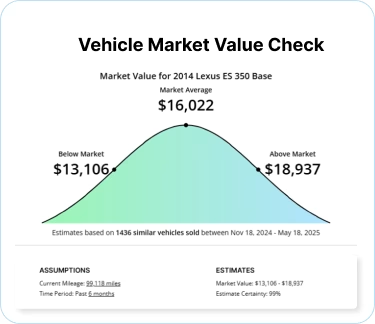
When new, a 2011 Freightliner Cascadia 132 could range widely from around $100,000 to $150,000+, depending heavily on the specific configuration, engine, sleeper options, and vocational use. On the used market in 2024, prices for a 2011 model typically fall between $30,000 and $60,000. This significant depreciation is typical for heavy-duty trucks, as their value is heavily influenced by mileage, condition, and engine hours. Factors affecting resale value include the truck's maintenance history, the presence of any major repairs or component failures, the remaining lifespan of critical parts like the engine and transmission, and current market demand for vocational trucks. Trucks with lower mileage, comprehensive service records, and updated emissions systems tend to command higher prices.
2011 Freightliner Cascadia 132 Cost of Ownership
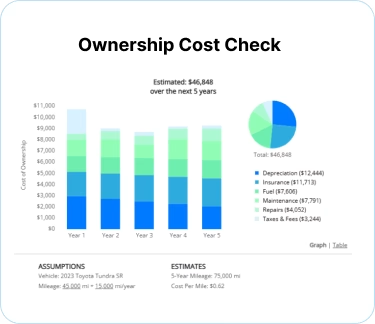
Owning a 2011 Freightliner Cascadia 132 involves substantial costs. Insurance premiums for Class 8 trucks are significant, varying by coverage and usage. Fuel is a major expense, though the Cascadia is known for its efficiency within its class. Maintenance and repair costs can be high due to the complexity and size of components; expect regular oil changes, filter replacements, and potential DPF/DEF system servicing. Long-term ownership can be costly, especially if major repairs arise, but the vehicle is considered economical to own relative to its peers if well-maintained, offering a strong return on investment through its longevity and fuel efficiency.

2011 Freightliner Cascadia 132 Fuel Efficiency
Fuel Type
Diesel
Fuel Capacity
-
City Mileage
-
Highway Mileage
-
2011 Freightliner Cascadia 132 Warranty
Basic
Original warranty
0 months / No data
Estimated remaining
Expired
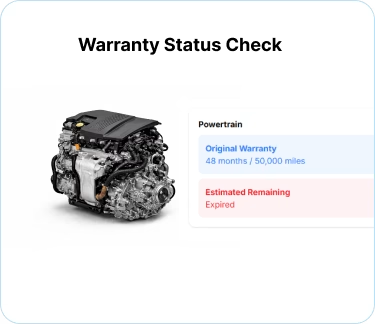
Powertrain
Original warranty
0 months / No data
Estimated remaining
Expired
Rust
Original warranty
0 months / No data
Estimated remaining
Expired
2011 Freightliner Cascadia 132 Insurance
Insurance for a 2011 Freightliner Cascadia 132 is moderately priced, reflecting its status as a Truck with strong safety ratings and
reasonable repair costs.

How Does the 2011 Freightliner Cascadia 132 Compare to Other Truck?
The 2011 Freightliner Cascadia 132 competed directly with other prominent Class 8 trucks of its era, including the Peterbilt 579 (though the 579 was newer, its predecessors like the 386 were contemporaries), Kenworth T660, and Volvo VNL series. In terms of performance, the Cascadia 132, particularly with Detroit Diesel engines, was highly regarded for its fuel efficiency and smooth power delivery, often rivaling or surpassing competitors like the Volvo VNL in MPG. Its aerodynamic design was a significant advantage, contributing to lower operating costs, a key performance metric for fleets.
Feature-wise, the Cascadia was known for its driver-centric cab design, offering a spacious and relatively quiet interior compared to some rivals. While competitors like Peterbilt often offered more premium interior finishes and advanced optional features earlier on, Freightliner focused on ergonomic layout and durability. Reliability was generally good, with Detroit Diesel engines having a solid reputation, though some competitors like Kenworth also boasted robust reliability. However, as mentioned, emissions system issues could arise across brands with the evolving technology of the time.
Price-wise, the Cascadia was typically positioned competitively, offering a strong balance of features and efficiency for its cost. It was often seen as a more budget-friendly option than some premium brands like Peterbilt when new, and this trend generally carries into the used market, making it an attractive value proposition.
Alternatives:
* Kenworth T660/T700: These models offered similar levels of aerodynamic efficiency and reliability, often with a slightly more rugged build reputation. They are a very similar alternative if a slightly different aesthetic or brand loyalty is a factor.
* Volvo VNL Series: Volvo trucks are known for their comfortable ride and advanced safety features. While potentially having a higher initial cost, they offer strong performance and durability.
* Peterbilt 386/579: Peterbilt trucks are often favored for their strong resale value and premium feel. If budget is less of a constraint and a more upscale interior is desired, a Peterbilt might be considered, though often at a higher price point.
Feature-wise, the Cascadia was known for its driver-centric cab design, offering a spacious and relatively quiet interior compared to some rivals. While competitors like Peterbilt often offered more premium interior finishes and advanced optional features earlier on, Freightliner focused on ergonomic layout and durability. Reliability was generally good, with Detroit Diesel engines having a solid reputation, though some competitors like Kenworth also boasted robust reliability. However, as mentioned, emissions system issues could arise across brands with the evolving technology of the time.
Price-wise, the Cascadia was typically positioned competitively, offering a strong balance of features and efficiency for its cost. It was often seen as a more budget-friendly option than some premium brands like Peterbilt when new, and this trend generally carries into the used market, making it an attractive value proposition.
Alternatives:
* Kenworth T660/T700: These models offered similar levels of aerodynamic efficiency and reliability, often with a slightly more rugged build reputation. They are a very similar alternative if a slightly different aesthetic or brand loyalty is a factor.
* Volvo VNL Series: Volvo trucks are known for their comfortable ride and advanced safety features. While potentially having a higher initial cost, they offer strong performance and durability.
* Peterbilt 386/579: Peterbilt trucks are often favored for their strong resale value and premium feel. If budget is less of a constraint and a more upscale interior is desired, a Peterbilt might be considered, though often at a higher price point.
Final Verdict: Is the 2011 Freightliner Cascadia 132 a Good Truck?
The 2011 Freightliner Cascadia 132 is ideally suited for owner-operators and fleet managers seeking a workhorse truck that prioritizes fuel efficiency and driver comfort at a competitive price point. It's worth buying, especially on the used market, provided a thorough inspection is conducted. For those prioritizing lower operating costs and a comfortable driving experience for long-haul or regional routes, this truck excels. It's particularly recommended to look for models with well-documented maintenance histories, ideally equipped with the more reliable Detroit Diesel DD15 engines. Buying a used Cascadia requires careful consideration of potential emissions system repairs, but with diligent inspection and maintenance, it remains a strong value proposition for its intended purpose.