by VIN, Year, Make, Model by License Plate

2004 Freightliner ST120 Overview, Reviews, Ratings & Specs

Rating: 0.00
Based on 0 Owner Reviews
Drew B | November 10, 2025
The 2004 Freightliner ST120 is a heavy-duty truck primarily known for its use in commercial applications, often as a tractor for semi-trailers or in vocational service. While specific model years are less defined for a platform like this compared to consumer vehicles, this chassis was a staple in the early 2000s Freightliner lineup. Its robust construction and adaptability made it a popular choice for businesses needing reliable hauling power. Pricing varied significantly based on configuration and options, but it represented a substantial investment for fleet owners.
The Good

The ST120 excels in raw performance and unwavering reliability, built for demanding work. Its sturdy design offers a sense of security, while the practical cabin focuses on driver functionality, ensuring long-haul comfort and a solid investment.

The Bad

Owners should be aware of potential issues with older electrical systems, particularly wiring harnesses and module failures. Rust can also be a concern on the frame and cab components, especially in regions with harsh weather. Driveline wear and exhaust system issues are also worth monitoring.

2004 Freightliner ST120: Quick Overview

  • Engine Options: The 2004 Freightliner ST120 was typically equipped with powerful diesel engines designed for heavy-duty applications. Common options included:
    • Caterpillar C-15: Known for its robust performance and durability in demanding cycles.
    • Detroit Diesel Series 60: A popular choice for its reliability and power output.
    • Cummins ISX/ISM: Offering a range of horsepower and torque for varied hauling needs.
  • Horsepower: Horsepower ratings varied significantly depending on the specific engine and its configuration, but generally ranged from approximately 350 hp to over 500 hp. Higher horsepower was typically reserved for the most demanding vocational or long-haul highway applications.
  • Fuel Economy: Fuel economy for heavy-duty trucks like the ST120 is highly dependent on the load, terrain, driving style, and engine specifications. Typical figures might range from 4 to 7 miles per gallon (MPG) for highway use, but this can decrease substantially under heavy load or in stop-and-go city driving.
  • 0-60 Times: 0-60 mph times are not a primary metric for this class of vehicle and are not typically published. The focus is on sustained power and torque for hauling, not rapid acceleration.
  • Towing Capacity: As a tractor unit, the towing capacity is immense, rated by Gross Combination Weight Rating (GCWR). This typically ranges from 80,000 lbs to well over 100,000 lbs, depending on the chassis configuration, axle ratings, and driveline components.
  • Trim-Level Features: The ST120 was more of a chassis platform than a consumer-grade trim level vehicle. Features were highly customizable to the buyer's specific needs. Common areas of specification included:
    • Cab Styles: Day cab, extended cab, or sleeper configurations.
    • Axle Configurations: Tandem rear axles for increased load capacity were common.
    • Suspension Systems: Various air or spring suspensions to suit load and ride comfort requirements.
    • Braking Systems: Air brakes were standard.
    • Interior Amenities: Basic driver-focused controls, durable upholstery, and functional dashboard layouts. Optional features could include upgraded seats, infotainment systems (primitive by today's standards), and enhanced climate control.

2004 Freightliner ST120 Specifications

Vehicle Information
Year 2004
Make Freightliner
Model ST120
Trim -
Style -
Type Truck
Category Heavy Truck
Manufacturing Details
Made In United States
Manufacturing City CLEVELAND
Dimensions
Doors -
Curb Weight -
Gross Vehicle Weight Rating -
Overall Height -
Overall Length -
Overall Width -
Wheelbase Length -
Standard Seating -
Engine & Performance
Engine 14L I6
Engine Size 14L
Engine Cylinders 6
Transmission -
Transmission Type -
Transmission Speeds -
Drivetrain 6x4
Additional Features
Anti-Brake System -
Steering Type -
Pricing
Manufacturer Suggested Retail Price (MSRP) -
Invoice Price -
Delivery Charges -

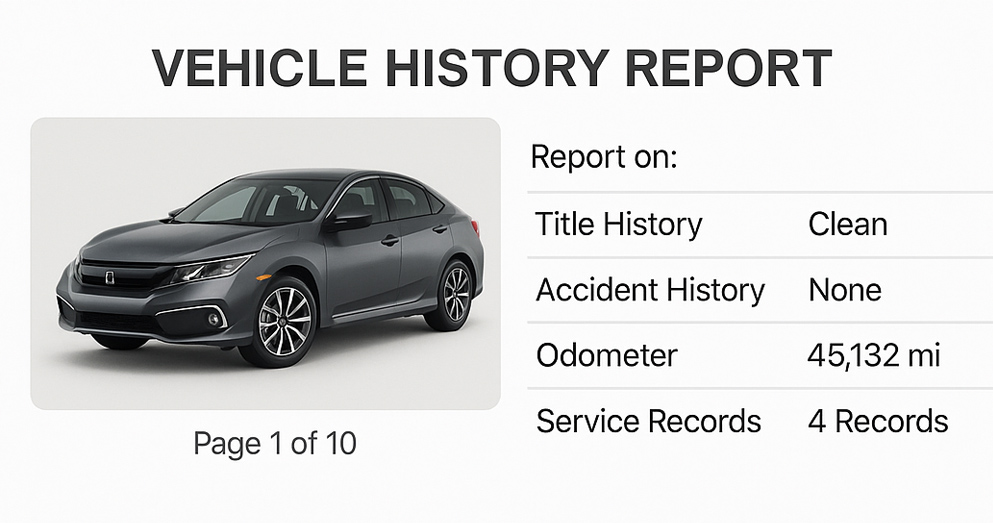
Vehicle History Report

Vehicle
Specifications
Ownership
History
All History
Events
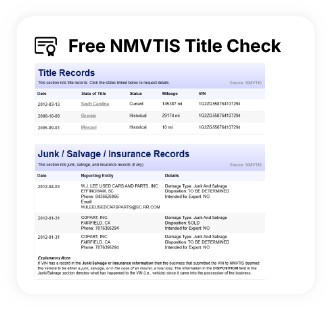
NMVTIS Title
History Check
Salvage/Rebuilt
Check
Accident
Check
Theft
Check
Open Lien
Check
Past Sale
Listings
Safety
Recalls
Odometer
Check
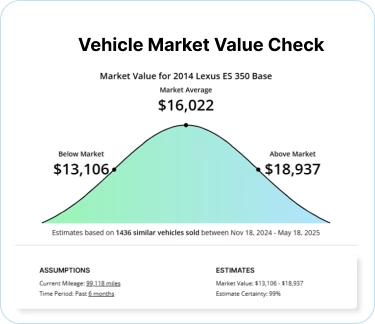
Market Price
Analysis

What Problems Does the 2004 Freightliner ST120 Have?

The 2004 Freightliner ST120, like many heavy-duty trucks of its era, is prone to certain issues as it ages. One frequently reported concern revolves around the electrical system. Owners have noted issues with wiring harnesses, particularly those susceptible to chafing or corrosion, leading to intermittent failures of various components such as lights, gauges, and engine control modules. Water intrusion into electrical connectors can also cause significant problems.

Fuel system components, especially injectors and fuel pumps, can require attention over time, particularly with the varying quality of diesel fuel. For engines like the Detroit Diesel Series 60 or Caterpillar C-15, specific issues might include turbocharger wear, EGR cooler leaks, or injector cup failures, though these are often maintenance-related.

Rust and corrosion are significant long-term concerns, especially for trucks operating in areas with road salt or high humidity. The frame rails, cab corners, and wheel wells are prime areas to inspect for structural integrity. Suspension components, including airbags, bushings, and shock absorbers, can also wear out over time and require replacement, impacting ride quality and handling.

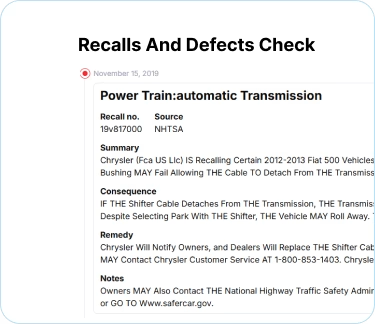
While specific recalls for the 2004 ST120 model year are not as readily available as for consumer vehicles, heavy-duty trucks are subject to recalls related to safety systems like braking and steering. It is crucial for owners to check with Freightliner or the National Highway Traffic Safety Administration (NHTSA) for any outstanding recalls applicable to their specific VIN.

Long-term reliability is largely dependent on the quality of original manufacturing, the specific engine and transmission installed, and, most importantly, the rigor of its maintenance schedule. Trucks that have been regularly serviced with appropriate fluids, filters, and by qualified technicians tend to be more reliable. Conversely, trucks that have been neglected or subjected to extreme, continuous duty cycles without proper downtime and maintenance will exhibit more significant problems.

How long will the 2004 Freightliner ST120 last?

The 2004 Freightliner ST120 is built for longevity, with average mileage for these vehicles often exceeding 500,000 to over 1 million miles, depending heavily on maintenance and application. Trucks used in long-haul highway service with diligent upkeep can easily last 10-15 years or more. However, those used in severe vocational applications, like construction or waste hauling, might see a shorter lifespan if not meticulously maintained.

Long-term durability is a hallmark of its robust chassis and powertrain. Weaknesses that emerge over time typically include wear and tear on suspension components, aging electrical harnesses, and corrosion. Regular preventative maintenance, addressing minor issues before they become major, is key to maximizing the ST120's extensive service life. Its core structure remains strong, making it a viable platform for many years if cared for.

What Technology & Safety Features are Included?

The 2004 Freightliner ST120, being a commercial truck platform, prioritizes functionality and durability over cutting-edge consumer-oriented technology. Built-in tech features were basic by today's standards. Standard equipment would have included essential instrumentation like a speedometer, tachometer, fuel gauge, oil pressure gauge, coolant temperature gauge, and various warning lights.

Entertainment systems were typically aftermarket additions or very simple factory options, likely consisting of an AM/FM radio and possibly a CD player. Navigation systems were rare and would have been aftermarket GPS units. Connectivity features like Bluetooth or USB ports were virtually nonexistent in 2004 for this class of vehicle.

Driver-assistance features were also minimal. Advanced systems like lane departure warning, adaptive cruise control, or automatic emergency braking were not available. The primary focus was on the driver's direct control and awareness of the road. Features that might have been considered "assistance" would have been items like power steering and well-placed mirrors.

Safety features included robust construction designed to withstand heavy loads and impacts. Air brakes were standard for effective stopping power. Seatbelts were mandatory. Depending on the specific configuration and optional packages, advanced safety features like anti-lock braking systems (ABS) for the trailer and the tractor might have been included.

Optional features could have extended to improved seating with air suspension for driver comfort on long hauls, upgraded HVAC systems, and more advanced diagnostic tools integrated into the dashboard for fleet maintenance.

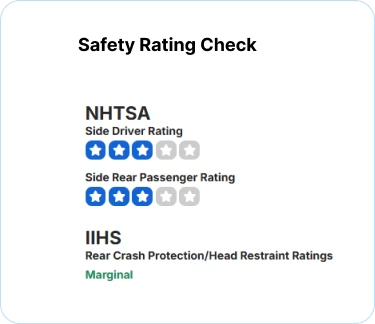
Crash-test ratings are not typically conducted or published for heavy-duty commercial trucks like the Freightliner ST120 in the same way they are for passenger vehicles. Their design is focused on meeting stringent commercial vehicle safety standards and regulations, which are different from those used for consumer cars and SUVs. The emphasis is on structural integrity under extreme load conditions and driver protection in a commercial environment rather than standardized crash maneuvers.

What Colors Options are Available?

We’re working on this section!
In the meantime, feel free to explore the other sections for more content.

2004 Freightliner ST120 Prices and Market Value

When new, a 2004 Freightliner ST120 chassis could range anywhere from $70,000 to well over $150,000, depending on the specific configuration, engine, transmission, axles, and any specialized vocational equipment installed.

Currently, the used market prices for a 2004 Freightliner ST120 vary dramatically. A well-maintained unit with moderate mileage might fetch anywhere from $15,000 to $40,000 or more. However, trucks with very high mileage, significant wear, or requiring substantial repairs could be found for considerably less, perhaps $5,000 to $10,000.

Depreciation for heavy-duty trucks is generally slower than for consumer vehicles, especially for well-maintained, reliable models. Factors significantly affecting resale value include overall condition, mileage, maintenance history, engine and transmission health, tire condition, and the presence of desirable vocational equipment. Trucks that have been converted for recreational use (e.g., RV conversions) can command higher prices. The overall demand in the commercial trucking industry also plays a major role.

2004 Freightliner ST120 Cost of Ownership

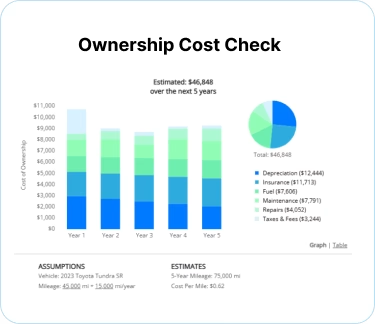
Owning a 2004 Freightliner ST120 involves significant costs. Insurance for commercial trucks is substantial, varying based on usage, coverage, and driver history. Fuel costs are a major expenditure due to the diesel engines' appetite for fuel, typically ranging from 4-7 MPG. Maintenance and repair are ongoing; while durable, parts and labor for heavy-duty components are expensive. Expect regular oil changes, filter replacements, and periodic checks on brakes, suspension, and drivetrain. Repairs can easily run into thousands of dollars. Overall, the ST120 is costly to own, but its long-term durability and earning potential in commercial use can justify the investment for businesses.

2004 Freightliner ST120 Fuel Efficiency

Fuel Type Diesel
Fuel Capacity -
City Mileage -
Highway Mileage -

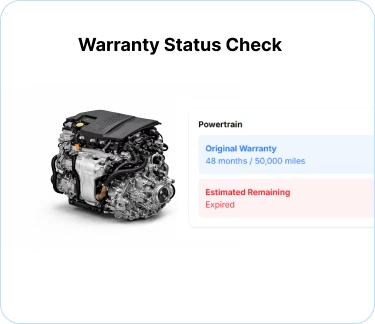
2004 Freightliner ST120 Warranty

Basic
Original warranty 0 months / No data
Estimated remaining Expired
Powertrain
Original warranty 0 months / No data
Estimated remaining Expired
Rust
Original warranty 0 months / No data
Estimated remaining Expired

2004 Freightliner ST120 Insurance

Insurance for a 2004 Freightliner ST120 is moderately priced, reflecting its status as a Truck with strong safety ratings and
reasonable repair costs.

How Does the 2004 Freightliner ST120 Compare to Other Truck?

The 2004 Freightliner ST120 competed in a highly competitive heavy-duty truck market. Its primary rivals would have included models from other major manufacturers such as Peterbilt (e.g., 377/378/387), Kenworth (e.g., T600/T800), International (e.g., 9000i series), and Mack (e.g., Vision/Pinnacle).

Performance: In terms of raw power and towing capability, the ST120 was generally on par with its competitors. Engine options from Detroit Diesel, Caterpillar, and Cummins offered comparable horsepower and torque figures across the board. Performance was dictated more by specific engine and drivetrain choices than brand loyalty.

Features: Cabin comfort and technology were areas where differentiation was less pronounced in 2004. While Freightliner offered various cab configurations and a functional, driver-centric interior, rivals like Peterbilt and Kenworth often marketed a more premium feel or specific aerodynamic advantages. The ST120's feature set was robust but utilitarian, focusing on the job at hand rather than luxury.

Reliability: Freightliner has a reputation for building solid, workhorse trucks. The ST120 was generally considered reliable, with the same caveat applying to all heavy-duty trucks: longevity hinges on maintenance. Competitors like Kenworth and Peterbilt are also highly regarded for their durability and build quality, often considered benchmarks in the industry.

Price: Pricing was competitive. Freightliner often positioned itself as offering strong value, potentially undercutting some premium marques on initial purchase price while still delivering comparable performance and durability. However, specific configurations and options could quickly equalize prices.

Alternatives:
  • Similar: For a very similar truck in terms of ruggedness and performance, consider a 2004 Kenworth T800 or Peterbilt 378. These trucks offer comparable durability and a wide range of engine options.
  • Potentially Better (depending on priority): If cabin refinement and driver comfort are paramount, a comparable Peterbilt 377/387 or Kenworth T600 might offer a slightly more ergonomic and quieter cabin experience, albeit potentially at a higher price point. For specialized vocational applications, brands like Mack or Hino might also be considered, though the ST120 is a strong all-rounder.
Ultimately, the choice between these heavy-duty trucks in 2004 often came down to dealer support, specific powertrain configurations offered at the time, and fleet operator preferences.

Final Verdict: Is the 2004 Freightliner ST120 a Good Truck?

The 2004 Freightliner ST120 is ideally suited for small to medium-sized businesses, owner-operators, or individuals needing a robust and reliable platform for commercial hauling, vocational work, or even custom conversions (like RVs). It is worth buying if you prioritize proven durability and straightforward functionality over advanced technology.

Buying a used ST120 is the only realistic option now. It's crucial to purchase a unit with a meticulously documented maintenance history. Inspect thoroughly for rust, especially on the frame and cab. Trucks previously used in less demanding applications (e.g., highway trucking over severe vocational use) are generally preferable. Specific trims or configurations are less relevant than the overall mechanical condition and the power train's health. It represents a solid investment if acquired at a fair price and with a commitment to ongoing maintenance.

2004 Freightliner ST120 Owner Reviews

0.00
Consumer Rating, Based on 0 Consumer Reviews
Overall rating
Cancel
Thank You for Your Review!

We truly appreciate the time and effort you took to share your experience with us.

Uh oh!

Something went wrong, please try again later.

Author Image
Drew B

Drew is a seasoned automotive expert and contributor to VinCheck.info. With nearly 15 years of experience as a former Porsche technician, he brings a wealth of hands-on knowledge to his writing. Born in North Carolina, a region renowned for its deep-rooted NASCAR culture, Drew developed a passion for cars early in life, often building and working on vehicles from a young age. At VINCheck, Drew leverages his extensive technical background to provide in-depth analyses of various vehicles. His articles often focus on engine performance, reliability, and maintenance insights, offering readers practical information grounded in real-world experience. Some of his notable contributions include reviews on the Mazda CX-5's longevity and detailed examinations of engine options for models like the 2011 Toyota Camry and Tacoma