by VIN, Year, Make, Model by License Plate

1997 Peterbilt 377 Overview, Reviews, Ratings & Specs

Rating: 0.00
Based on 0 Owner Reviews
Drew B | November 11, 2025
The 1997 Peterbilt 377 is a Class 8 conventional truck, part of Peterbilt's long-standing reputation for building durable and premium-quality commercial vehicles. Produced from 1994 through 2007, the 377 is known for its aerodynamic styling and robust construction. While specific trims vary based on vocational application (e.g., long-haul, vocational), its appeal lies in its blend of driver comfort and operational efficiency, making it a popular choice for owner-operators and fleet managers alike. Pricing for a used 1997 model can range significantly based on condition and configuration, typically from $20,000 to $60,000+.
The Good

The 1997 Peterbilt 377 offers exceptional reliability and robust performance, appealing to practical buyers focused on uptime. Its comfortable cabin and premium design resonate emotionally with drivers, while its efficient powertrain provides long-term value. This truck is built to last.

The Bad

Potential weaknesses for the 1997 Peterbilt 377 often revolve around age-related wear and tear. Common issues to watch for include aging electrical components, potential for corrosion on chassis parts, and wear in the drivetrain and suspension. The older technology may lack modern driver aids.

1997 Peterbilt 377: Quick Overview

  • Engine Options: The 1997 Peterbilt 377 was available with a range of powerful diesel engines, primarily from Cummins and Caterpillar. Common options included:
    • Cummins ISX series (various displacements, often 11.9L or 15L)
    • Caterpillar C-15 and C-16 engines (14.6L)
    • Detroit Diesel Series 60 (12.7L)
  • Horsepower: Horsepower ratings varied significantly depending on the specific engine and configuration. Typically, these engines ranged from approximately 370 horsepower to over 600 horsepower, with common configurations in the 400-550 HP range for long-haul applications.
  • Fuel Economy: Fuel economy for a Class 8 truck like the 377 is highly dependent on the engine, transmission, gearing, load, terrain, and driving habits. Realistic figures for highway driving often fall between 5.5 to 7.5 miles per gallon (MPG).
  • 0-60 Times: 0-60 mph times are not a standard or relevant metric for heavy-duty trucks. Their purpose is for hauling massive loads, not rapid acceleration. Performance is measured in pulling power and maintaining speed under load.
  • Towing Capacity: The towing capacity is exceptionally high and depends on the specific chassis configuration, rear axle ratio, and Gross Combination Weight Rating (GCWR). These trucks are designed to haul trailers weighing tens of thousands of pounds, often exceeding 80,000 lbs GCWR for standard operations and much higher for specialized applications.
  • Trim-Level Features: While not having traditional automotive trims, Peterbilt 377 models were configured for various purposes. Common features included:
    • Aerodynamic fairings and chassis skirts to improve fuel efficiency.
    • Spacious sleeper cabs, often with amenities like beds, storage, and sometimes even small refrigerators or entertainment systems for long-haul drivers.
    • Heavy-duty suspensions and braking systems.
    • Robust drivetrain components designed for durability.
    • Optional premium interior finishes and driver comfort packages.
    • Various axle configurations (single, tandem, etc.) and wheelbases to suit different operational needs.

1997 Peterbilt 377 Specifications

Vehicle Information
Year 1997
Make Peterbilt
Model 377
Trim -
Style -
Type Truck
Category Heavy Truck
Manufacturing Details
Made In United States
Manufacturing City MADISON
Dimensions
Doors -
Curb Weight -
Gross Vehicle Weight Rating 330001 pounds
Overall Height -
Overall Length -
Overall Width -
Wheelbase Length -
Standard Seating -
Engine & Performance
Engine 12.0-L L-6 Diesel
Engine Size 12L
Engine Cylinders 6
Transmission -
Transmission Type -
Transmission Speeds -
Drivetrain 6x4
Additional Features
Anti-Brake System -
Steering Type -
Pricing
Manufacturer Suggested Retail Price (MSRP) -
Invoice Price -
Delivery Charges -

Vehicle History Report

Vehicle
Specifications
Ownership
History
All History
Events
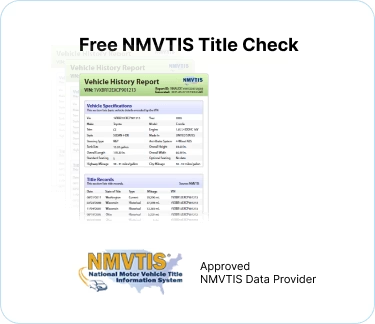
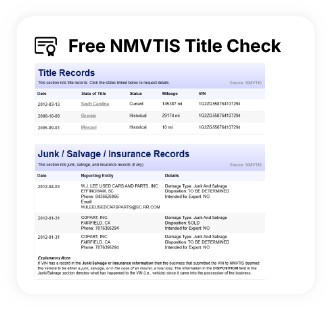
NMVTIS Title
History Check
Salvage/Rebuilt
Check
Accident
Check
Theft
Check
Open Lien
Check
Past Sale
Listings
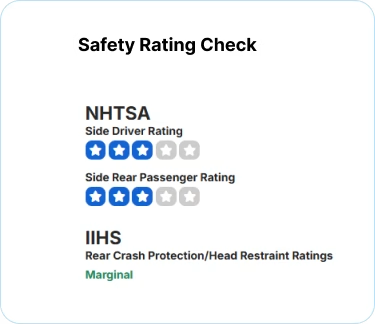
Safety
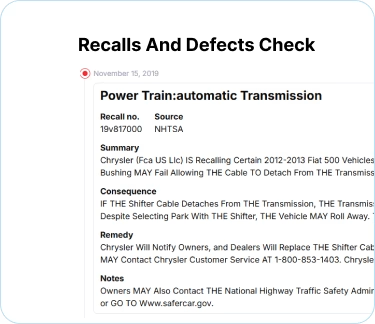
Recalls
Odometer
Check
Market Price
Analysis

What Problems Does the 1997 Peterbilt 377 Have?

The 1997 Peterbilt 377, being a vehicle of considerable age, is more prone to issues related to wear and tear rather than specific model-year defects that would typically result in widespread recalls. Recalls for trucks of this vintage are less common unless a critical safety component failure was identified across a production run. However, owners frequently report the following as general concerns for trucks of this era:

Electrical System Aging: Over time, wiring harnesses can degrade, leading to intermittent electrical faults, issues with gauges, lights, and the operation of various accessories. Corroded connections are a common culprit.

Cooling System: Radiators, water pumps, and hoses are subject to wear and can develop leaks or fail, especially after years of service and exposure to extreme temperatures.

Fuel System: Injectors, fuel pumps, and fuel lines can wear out or become clogged, impacting engine performance and fuel efficiency. Older diesel particulate filters (if equipped, though less common on a 1997 model) can also become a concern.

Suspension and Drivetrain: Wear on U-joints, drive shafts, leaf springs, shock absorbers, and air suspension components is expected. Clutch wear is also a significant consideration for manual transmission models.

Cab and Chassis Corrosion: Depending on the climate and maintenance history, rust and corrosion can affect the frame, cab mounts, and body panels. Areas exposed to road salt are particularly vulnerable.

HVAC System: The air conditioning and heating systems can require significant maintenance or component replacement due to age.

Transmission and Differential: While robust, these components can eventually experience wear, requiring seal replacements, fluid changes, or more extensive repairs if not properly maintained.

Long-Term Reliability: The long-term reliability of a 1997 Peterbilt 377 heavily depends on its original build quality, the specific components used, and, most importantly, the maintenance and repair history. Trucks that have been meticulously maintained by knowledgeable technicians and have had regular fluid changes and inspections are far more likely to remain reliable. Conversely, neglected trucks will exhibit a higher frequency of repairs. There are no widely documented model-year-specific systemic failures for the 1997 377 that would distinguish it from other trucks of the same generation; it's more about the cumulative effects of age and usage.

How long will the 1997 Peterbilt 377 last?

A well-maintained 1997 Peterbilt 377 can realistically see service life well beyond 1 million miles, and many have surpassed 1.5 million miles. These trucks were built with durability as a primary focus. Average mileage per year for a truck in active service can range from 50,000 to over 100,000 miles. Therefore, a 25-year-old truck could have accumulated anywhere from 1.25 million to over 2.5 million miles. The long-term durability is exceptional, but it hinges critically on consistent, high-quality maintenance. Weaknesses that emerge over time are typically related to the aging of rubber components (hoses, seals), electrical connections, and potential for chassis corrosion in certain climates. The core engine and drivetrain components, if properly cared for, often remain the strong points, demonstrating Peterbilt's robust engineering.

What Technology & Safety Features are Included?

The 1997 Peterbilt 377, reflecting its era, offers a relatively rudimentary suite of technology, entertainment, and safety features by today's standards. Built primarily for function and durability, advanced electronics were not its forte.

Technology: The core technology would revolve around the engine's electronic control unit (ECU) and basic instrumentation. This includes analog gauges for speed, RPM, oil pressure, temperature, and fuel level. A digital odometer and trip meter were common. Diagnostic capabilities would be limited to basic OBD-I or early OBD-II systems, requiring specialized tools for in-depth analysis.

Entertainment: Entertainment options were typically basic. An AM/FM radio, often with a cassette player, was standard. Higher-end options might have included a CD player or even a CB radio for communication. Speaker quality and sound systems were not a priority.

Driver-Assistance Features: These were virtually non-existent. Features like cruise control were available, and some trucks might have had basic engine braking systems. Lane departure warnings, adaptive cruise control, blind-spot monitoring, or forward collision avoidance systems were not part of the factory offerings. The focus was on the driver's direct input and awareness.

Safety Features: Safety in a 1997 Peterbilt 377 relies heavily on its robust construction. Key safety elements included:
  • Heavy-Duty Frame and Cab Structure: Designed to withstand significant impacts.

  • Air Brakes: Standard on all Class 8 trucks for reliable stopping power.

  • Seatbelts: Standard safety restraints.
  • Mirrors: Extensive mirror setups for maximum visibility around the vehicle.
  • Lights: Comprehensive lighting systems (headlights, turn signals, brake lights) for visibility to other road users.

Optional Features: Optional features often focused on driver comfort and extended operation, such as upgraded sleeper amenities, auxiliary heating systems, power windows and locks (though manual was common), and more advanced instrumentation panels. Some might have had optional GPS tracking units installed by fleet owners.

Crash-Test Ratings: Specific crash-test ratings for commercial trucks like the 1997 Peterbilt 377 in the same vein as passenger vehicles (e.g., NHTSA star ratings) are generally not available or applicable. The design philosophy of these heavy-duty trucks prioritizes occupant protection through structural integrity and mitigating forces in severe impacts, rather than achieving standardized scoring based on frontal, side, and rollover tests common for cars and light trucks.

What Colors Options are Available?

We’re working on this section!
In the meantime, feel free to explore the other sections for more content.

1997 Peterbilt 377 Prices and Market Value

When new in 1997, a 1997 Peterbilt 377 could range significantly in price depending on its configuration, engine, and options. A basic day cab could start in the low $80,000s, while a fully equipped long-haul truck with a large sleeper could easily cost $120,000 to $180,000 or more. The depreciation curve for commercial trucks is different from passenger vehicles. While they do depreciate, well-maintained Peterbilts hold their value exceptionally well due to their durability and reputation. Current used market prices for a 1997 Peterbilt 377 can vary widely from $20,000 for a high-mileage unit needing work, to $60,000 or even $80,000+ for exceptionally clean, low-mileage, or highly sought-after configurations. Factors affecting resale value include engine type, transmission, overall mileage, condition of the chassis and drivetrain, interior condition, tire tread depth, and any recent major maintenance or upgrades. Trucks with detailed service records command a premium.

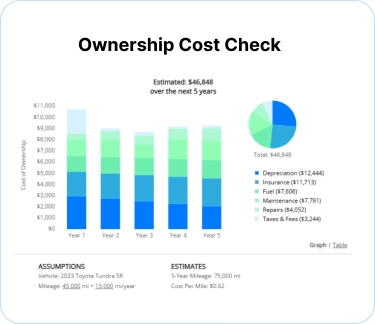
1997 Peterbilt 377 Cost of Ownership

Owning a 1997 Peterbilt 377 involves significant costs. Insurance premiums for commercial trucks are substantial, varying by coverage, usage, and driver record. Fuel costs are a major expense, with consumption directly tied to engine, load, and miles driven (expect around 5.5-7.5 MPG). Maintenance and repairs are ongoing and can be costly; while durable, parts and labor for heavy-duty trucks are expensive. Routine maintenance like oil changes, filter replacements, and brake checks are critical. Long-term ownership can be considered costly due to these operational expenses, but its robust build and potential for high mileage offer a strong value proposition if managed efficiently. It is not an economical vehicle to own in terms of initial purchase and ongoing running costs compared to light-duty vehicles, but its earning potential in commercial use justifies the investment.

1997 Peterbilt 377 Fuel Efficiency

Fuel Type Diesel
Fuel Capacity -
City Mileage -
Highway Mileage -

1997 Peterbilt 377 Warranty

Basic
Original warranty 0 months / No data
Estimated remaining Expired
Powertrain
Original warranty 0 months / No data
Estimated remaining Expired
Rust
Original warranty 0 months / No data
Estimated remaining Expired

1997 Peterbilt 377 Insurance

Insurance for a 1997 Peterbilt 377 is moderately priced, reflecting its status as a Truck with strong safety ratings and
reasonable repair costs.

How Does the 1997 Peterbilt 377 Compare to Other Truck?

The 1997 Peterbilt 377 competed in the premium Class 8 conventional truck segment against formidable rivals such as the Kenworth T600, Freightliner FLD, and Volvo VN series. In terms of performance, the 377, typically equipped with powerful Cummins or Caterpillar engines, offered comparable or superior pulling power and torque to its contemporaries. Peterbilt often emphasized aerodynamic efficiency in its design, aiming to improve fuel economy. Regarding features, the 377 was known for its driver-centric interior and comfortable ride, often perceived as a step above more utilitarian offerings from some competitors. However, like its rivals from this era, advanced technology was limited. Reliability is where Peterbilt trucks, including the 377, historically excelled. They are renowned for their robust construction, durable drivetrains, and long service life, often outlasting many competitors. The build quality and attention to detail were hallmarks of the brand. Price-wise, Peterbilts typically commanded a premium when new, reflecting their perceived higher quality and desirability. Used prices continue to reflect this preference, with well-maintained Peterbilts often retaining stronger resale value than comparable Freightliners or Volvos from the same year.

Alternatives:

* Kenworth T600/T800: A very close rival, the Kenworth T600 (known for its aerodynamic hood) and the T800 offered similar levels of performance, reliability, and driver comfort. Kenworth is also highly regarded for its build quality and durability. If you find a T600 or T800 in similar condition and price range, it's a comparable alternative.
* Freightliner FLD Series: The FLD was a more budget-oriented option, often offering a lower initial purchase price. While generally reliable, they were not always perceived to have the same level of premium fit and finish or long-term structural integrity as a Peterbilt or Kenworth. Performance was comparable depending on engine choice.
* Volvo VN Series: Volvo trucks often emphasized driver comfort and safety features for their time. Performance and reliability were strong, though some mechanics might find their electrical systems or specific components slightly more complex than American counterparts.

Recommendation: For those prioritizing ultimate durability, a premium feel, and strong resale value in a truck of this vintage, the 1997 Peterbilt 377 remains an excellent choice. If a similar condition Kenworth T600 or T800 is available at a comparable price, it is also a very strong contender. Avoid older Freightliners if long-term structural integrity is the absolute top priority, though they can be excellent value if well-maintained.

Final Verdict: Is the 1997 Peterbilt 377 a Good Truck?

The 1997 Peterbilt 377 is ideal for owner-operators and fleet managers who prioritize legendary durability, driver comfort, and a premium driving experience over the latest technological features. If you're looking for a workhorse truck that's built to last and hold its value, this is a strong contender. It is absolutely worth buying, but only under specific conditions. Purchasing this truck is best suited for those who understand the maintenance requirements of heavy-duty vehicles, have access to knowledgeable mechanics, and are prepared for ongoing upkeep. Buying a used 1997 Peterbilt 377 is the only option. Look for trucks with comprehensive maintenance records, a reputable engine (Cummins ISX or Cat C-15 are often favored), and in good overall cosmetic and mechanical condition. Avoid units with significant rust or evidence of neglect. It's a sound investment for those who value its enduring quality and earning potential.

1997 Peterbilt 377 Owner Reviews

0.00
Consumer Rating, Based on 0 Consumer Reviews
Overall rating
Cancel
Thank You for Your Review!

We truly appreciate the time and effort you took to share your experience with us.

Uh oh!

Something went wrong, please try again later.

Author Image
Drew B

Drew is a seasoned automotive expert and contributor to VinCheck.info. With nearly 15 years of experience as a former Porsche technician, he brings a wealth of hands-on knowledge to his writing. Born in North Carolina, a region renowned for its deep-rooted NASCAR culture, Drew developed a passion for cars early in life, often building and working on vehicles from a young age. At VINCheck, Drew leverages his extensive technical background to provide in-depth analyses of various vehicles. His articles often focus on engine performance, reliability, and maintenance insights, offering readers practical information grounded in real-world experience. Some of his notable contributions include reviews on the Mazda CX-5's longevity and detailed examinations of engine options for models like the 2011 Toyota Camry and Tacoma