by VIN, Year, Make, Model by License Plate

1999 Yamaha YZ400 Overview, Reviews, Ratings & Specs

Rating: 0.00
Based on 0 Owner Reviews
Simon A | November 11, 2025
The 1999 Yamaha YZ400 is a highly regarded off-road motorcycle, a significant evolution in Yamaha's YZ line. As a dirt bike, its body style is purpose-built for rugged terrain and competition. This model year was a pivotal one, marking advancements in its power delivery and handling. While specific trims weren't heavily diversified in the traditional sense for this type of vehicle, the YZ400 itself represented the apex of Yamaha's open-class motocross offerings for its time. It was popular for its potent two-stroke engine and competitive spirit, appealing to serious riders and racers.
The Good

The 1999 YZ400 boasts thrilling, powerful two-stroke performance that excites riders. Its robust design and Yamaha's reputation for reliability offer peace of mind. For practical buyers, its relatively simple mechanicals ease maintenance, and for enthusiasts, its raw power and iconic status provide undeniable value.

The Bad

Potential buyers should be aware of the inherent maintenance demands of a high-performance two-stroke engine. Overheating can be an issue if not properly managed, and clutch wear can be accelerated by aggressive riding. Suspension tuning might require expert attention for optimal performance.

1999 Yamaha YZ400: Quick Overview

  • Engine Options: The 1999 Yamaha YZ400 features a single engine option: a 396cc, liquid-cooled, two-stroke, single-cylinder engine.

  • Horsepower: While official figures can vary and were not always precisely stated by manufacturers for off-road bikes of this era, industry estimates and dyno tests typically place the horsepower output of the 1999 YZ400 in the range of 50-55 horsepower. This provided significant power for motocross and off-road riding.

  • Fuel Economy: Fuel economy for a high-performance, carbureted two-stroke motocross bike like the YZ400 is not a primary design consideration and is generally very low. Expect mileage in the range of 15-25 miles per gallon, depending heavily on riding conditions and throttle input. The fuel tank capacity is typically around 2.5 gallons.

  • 0-60 Times: 0-60 mph times are not typically a standardized metric for motocross bikes as they are designed for acceleration across varied terrain rather than flat-out speed runs on pavement. However, due to its powerful engine and lightweight construction, the YZ400 is capable of very rapid acceleration, likely achieving 0-60 mph in well under 5 seconds.

  • Towing Capacity: As a pure off-road motorcycle, the 1999 Yamaha YZ400 has no towing capacity.

  • Trim-Level Features: The YZ400 was generally offered as a single, high-performance model. Key features that defined its capabilities included:
    • Engine: Powerful 396cc liquid-cooled two-stroke engine known for its aggressive powerband.
    • Suspension: High-quality, long-travel suspension (often a Kayaba USD front fork and a Monoshock rear suspension) designed for absorbing harsh impacts and providing excellent control on rough terrain.
    • Brakes: Disc brakes on both the front and rear wheels for strong stopping power.
    • Frame: Lightweight and rigid aluminum frame for precise handling.
    • Exhaust: Performance-oriented exhaust system designed to maximize power output.
    • Wheels and Tires: Spoked wheels with knobby tires optimized for off-road traction.
    • Clutch: Heavy-duty clutch designed to withstand the demands of motocross.

    • Handlebars: Often featured durable aluminum handlebars.
    These features were standard on the YZ400, differentiating it from lower-displacement models or recreational off-road bikes.

1999 Yamaha YZ400 Specifications

Vehicle Information
Year 1999
Make Yamaha
Model YZ400
Trim -
Style -
Type Motorcycle
Category Motorcycle
Manufacturing Details
Made In Japan
Manufacturing City HAMAMATSU
Dimensions
Doors -
Curb Weight -
Gross Vehicle Weight Rating -
Overall Height -
Overall Length -
Overall Width -
Wheelbase Length -
Standard Seating -
Engine & Performance
Engine 399CC
Engine Size 399L
Engine Cylinders 1
Transmission -
Transmission Type -
Transmission Speeds -
Drivetrain -
Additional Features
Anti-Brake System -
Steering Type -
Pricing
Manufacturer Suggested Retail Price (MSRP) -
Invoice Price -
Delivery Charges -

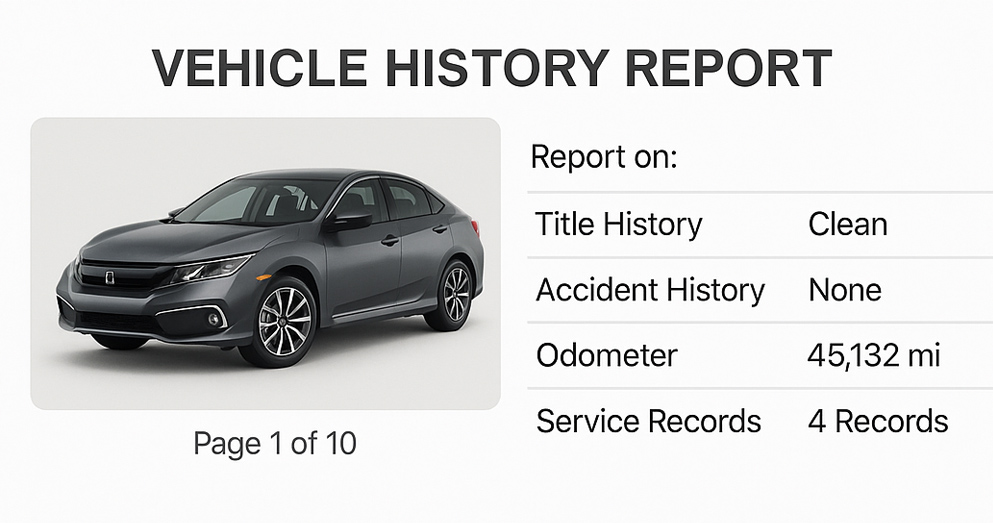
Vehicle History Report

Vehicle
Specifications
Ownership
History
All History
Events
NMVTIS Title
History Check
Salvage/Rebuilt
Check
Accident
Check
Theft
Check
Open Lien
Check
Past Sale
Listings
Safety
Recalls
Odometer
Check
Market Price
Analysis

What Problems Does the 1999 Yamaha YZ400 Have?

The 1999 Yamaha YZ400, while generally a robust and well-engineered machine for its era, is not without its common issues and considerations, particularly given its age. One frequently reported concern revolves around the two-stroke engine itself. High-performance two-strokes, by nature, require diligent maintenance. Issues such as piston ring wear, apex seal failure, and reed valve degradation can occur over time with significant use. Overheating is another potential problem, especially if the cooling system is not meticulously maintained or if the bike is ridden in extreme conditions without adequate airflow. This can lead to premature engine wear or even catastrophic failure if ignored.

Clutch wear is also a common point of discussion among owners, especially those who ride aggressively or participate in competitive events. The clutch plates can wear down faster than on less demanding machines, requiring periodic replacement. Suspension components, while high-quality, will also require servicing; worn fork seals, rear shock seals, and out-of-spec damping can diminish performance and rider comfort.

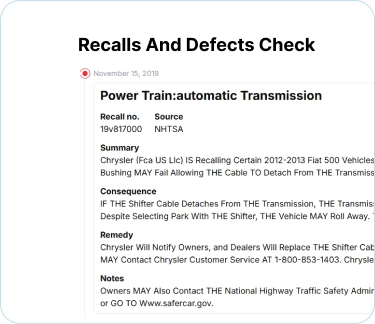
Regarding recalls, specific to the 1999 YZ400, major widespread recalls are not heavily documented in public databases for this model year, which is somewhat typical for specialized off-road motorcycles compared to mass-produced street vehicles. However, any safety-related issues that might have emerged would typically have been addressed through dealer notifications at the time. Owners should always check with Yamaha for any outstanding service bulletins or recalls that may apply.

Long-term reliability is highly dependent on the owner's maintenance habits. A well-maintained YZ400 can still provide many years of enjoyment. However, neglected maintenance, such as infrequent oil changes, improper air filter cleaning, and failure to address minor leaks, can significantly shorten the engine's lifespan. The transmission and gearbox are generally robust, but like any mechanical component, regular fluid changes are crucial. Parts availability for older models can sometimes be a concern, though Yamaha generally supports its legacy off-road models reasonably well through aftermarket suppliers and its own parts network.

How long will the 1999 Yamaha YZ400 last?

Estimating average mileage for a 1999 Yamaha YZ400 is challenging as these bikes are often used recreationally and their usage is measured in riding hours rather than miles. However, a well-maintained YZ400 could see its engine remain strong for 100-200 riding hours before requiring a significant top-end rebuild (piston, rings, cylinder). A full engine rebuild could extend its life considerably. With meticulous care, including regular oil changes, air filter cleaning, suspension servicing, and addressing minor issues promptly, a YZ400 could reliably serve its owner for 5-10 years of moderate use. Weaknesses over time include wear on the clutch, suspension seals, and the potential for cooling system issues if neglected. The frame and chassis are generally durable, but components like footpegs, handlebars, and plastic bodywork are prone to wear and tear from off-road abuse.

What Technology & Safety Features are Included?

The 1999 Yamaha YZ400 is a purebred motocross and off-road competition machine, and as such, it is intentionally devoid of the typical automotive technology found in modern vehicles. It lacks any form of built-in tech, entertainment systems, or driver-assistance features. Its design philosophy prioritizes raw performance, mechanical feedback, and rider control over digital amenities.

Technology: The primary "technology" on the YZ400 is its advanced internal combustion engine. It features a liquid-cooled, two-stroke powerplant with a powerful carburetor and a high-performance exhaust system, all managed by mechanical inputs from the rider. There is no ECU, no fuel injection, and no electronic rider aids.

Entertainment: Entertainment on the YZ400 comes from the visceral experience of riding – the sound of the engine, the feeling of acceleration, and the challenge of the terrain. There are no audio systems, screens, or connectivity features.

Driver-Assistance: As a motorcycle not designed for public roads, there are no driver-assistance features. Systems like ABS, traction control, or stability control are absent. The rider is solely responsible for controlling the vehicle.

Safety Features: Safety features on a motocross bike are primarily focused on rider protection and the bike's mechanical integrity. This includes:
  • Disc Brakes: Powerful hydraulic disc brakes on both front and rear wheels provide essential stopping power.
  • Robust Frame: A strong aluminum frame is designed to withstand the rigors of off-road riding.
  • Suspension: High-quality, long-travel suspension is designed to absorb impacts and maintain tire contact with the ground, contributing to stability.
  • Lighting: Typically equipped with a headlight and taillight (though often basic and primarily for visibility in low light or on private tracks).

Optional Features: Optional features for the YZ400 would generally be aftermarket performance parts or protective accessories. These could include different exhaust systems, aftermarket suspension components, skid plates, handguards, stronger clutch components, or various aesthetic enhancements. There are no factory-installed optional tech packages.

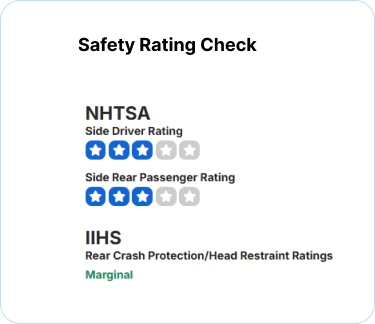
Crash-Test Ratings: Motorcycles, especially off-road models like the YZ400, do not undergo standardized crash-test ratings in the same way cars do. Their design prioritizes performance and maneuverability, with rider safety heavily relying on protective gear worn by the rider and the inherent durability of the motorcycle's construction.

What Colors Options are Available?

We’re working on this section!
In the meantime, feel free to explore the other sections for more content.

1999 Yamaha YZ400 Prices and Market Value

When new, the 1999 Yamaha YZ400 would have retailed in the approximate range of $6,000 to $7,000 USD, reflecting its status as a high-performance motocross bike. As a used vehicle, its current market value can fluctuate significantly. Prices can range from $1,500 to $3,500+ depending heavily on condition, hours of use, maintenance history, and any modifications. Well-maintained, low-hour examples with original parts will command higher prices. Depreciation on these bikes was rapid in their early years, typical for specialized performance vehicles. However, after a certain point, well-preserved examples enter a niche collector market where values can stabilize or even increase slightly. Factors affecting resale value include the presence of original plastics, a well-functioning engine and suspension, minimal wear and tear, and a documented maintenance history. Bikes that have been raced heavily or poorly maintained will depreciate more severely.

1999 Yamaha YZ400 Cost of Ownership

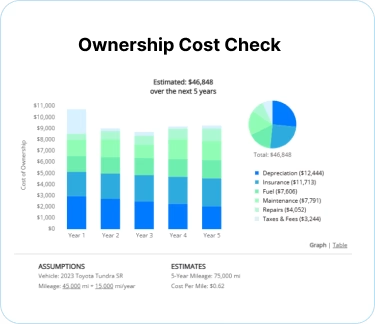
Owning a 1999 Yamaha YZ400 is generally not economical, especially when considering all costs. Insurance can be relatively low if classified as a recreational vehicle, but it's not always mandatory for off-road use. Fuel costs are high due to its two-stroke engine's thirst (approx. 15-25 mpg). Maintenance and repair are where costs can escalate; regular top-end rebuilds, clutch replacements, suspension servicing, and chain/sprocket wear are common. Specialized knowledge or professional mechanic fees add to expenses. While the initial purchase price might be low on the used market, the ongoing operational and maintenance costs make the YZ400 a more costly ownership proposition than a basic trail bike or a modern, lower-maintenance four-stroke.

1999 Yamaha YZ400 Fuel Efficiency

Fuel Type Gasoline
Fuel Capacity -
City Mileage -
Highway Mileage -

1999 Yamaha YZ400 Warranty

Basic
Original warranty 0 months / No data
Estimated remaining Expired
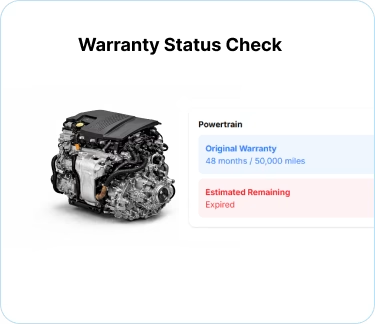
Powertrain
Original warranty 0 months / No data
Estimated remaining Expired
Rust
Original warranty 0 months / No data
Estimated remaining Expired

1999 Yamaha YZ400 Insurance

Insurance for a 1999 Yamaha YZ400 is moderately priced, reflecting its status as a Motorcycle with strong safety ratings and
reasonable repair costs.

How Does the 1999 Yamaha YZ400 Compare to Other Motorcycle?

The 1999 Yamaha YZ400 was a dominant force in the open-class motocross segment, directly competing against other premier 400cc-class two-strokes. Its primary rivals included the Suzuki RM400 (or RM450 in some iterations), the Kawasaki KX400 (or KX450), and the Honda CR450 (or CR480/CR500).

Performance: The YZ400 was renowned for its potent, class-leading power output and aggressive torque delivery, often considered one of the strongest two-strokes of its time. Rivals offered comparable power, though the YZ400 was frequently lauded for its exciting, explosive acceleration. Handling was typically sharp and responsive across the board, with each manufacturer having its own suspension tuning philosophy.

Features: In terms of features, these high-end motocross bikes were largely similar, focusing on performance essentials. All featured liquid-cooled two-stroke engines, high-quality suspension (USD forks, monoshock rear), disc brakes front and rear, and lightweight aluminum frames. The YZ400 often stood out for its refined engine characteristics and well-balanced chassis.

Reliability: Yamaha generally has a strong reputation for reliability, and the YZ400 was no exception within its class. While any high-strung two-stroke requires diligent maintenance, Yamaha’s engineering was robust. Rivals like Honda also had excellent reputations, while Suzuki and Kawasaki sometimes faced more scrutiny on specific components, though they were still highly competitive.

Price: New, these bikes were similarly priced, positioned at the premium end of the off-road market. Used, the 1999 YZ400 typically falls into a similar price bracket as its direct competitors from the same era, dependent heavily on condition.

Alternatives:
  • Similar Alternatives: Suzuki RM400/450, Kawasaki KX400/450, Honda CR450/480/500. If seeking a similar pure two-stroke experience, these are the most direct comparisons.
  • Better Alternatives (for some riders): For riders prioritizing ease of use, wider powerbands, and potentially longer service intervals between major rebuilds, modern four-stroke motocross bikes (e.g., Yamaha YZ450F, KTM 450 SX-F) offer significantly different, often more manageable, power delivery and advanced technology. However, they lack the raw, visceral thrill of a classic 400cc two-stroke like the YZ400. For those seeking a more trail-oriented experience rather than pure motocross, models like the Yamaha WR400F (the off-road/enduro sibling) would be a more suitable, albeit less potent, alternative.

Final Verdict: Is the 1999 Yamaha YZ400 a Good Motorcycle?

The 1999 Yamaha YZ400 is ideal for experienced off-road riders and motocross enthusiasts who appreciate the raw power and classic feel of a high-performance two-stroke. It's for those who enjoy the mechanical engagement and don't shy away from diligent maintenance. It is worth buying for those seeking an exciting, competitive machine from a legendary era, provided they are aware of its demands. Buying used is the only option. It is best purchased when in good mechanical condition, with a documented history of proper care, ideally with lower operating hours. It is not suited for beginners or riders looking for a low-maintenance, go-anywhere bike. The value lies in its performance and the unique riding experience it offers, not in its economy or ease of ownership.

1999 Yamaha YZ400 Owner Reviews

0.00
Consumer Rating, Based on 0 Consumer Reviews
Overall rating
Cancel
Thank You for Your Review!

We truly appreciate the time and effort you took to share your experience with us.

Uh oh!

Something went wrong, please try again later.

Author Image
Simon A

Simon is a contributor to VinCheck, where he provides articles and reviews on various automotive topics. His work focuses on delivering accurate and up-to-date information about used cars, helping readers make informed decisions.