
2006 Suzuki Swift Overview, Reviews, Ratings & Specs
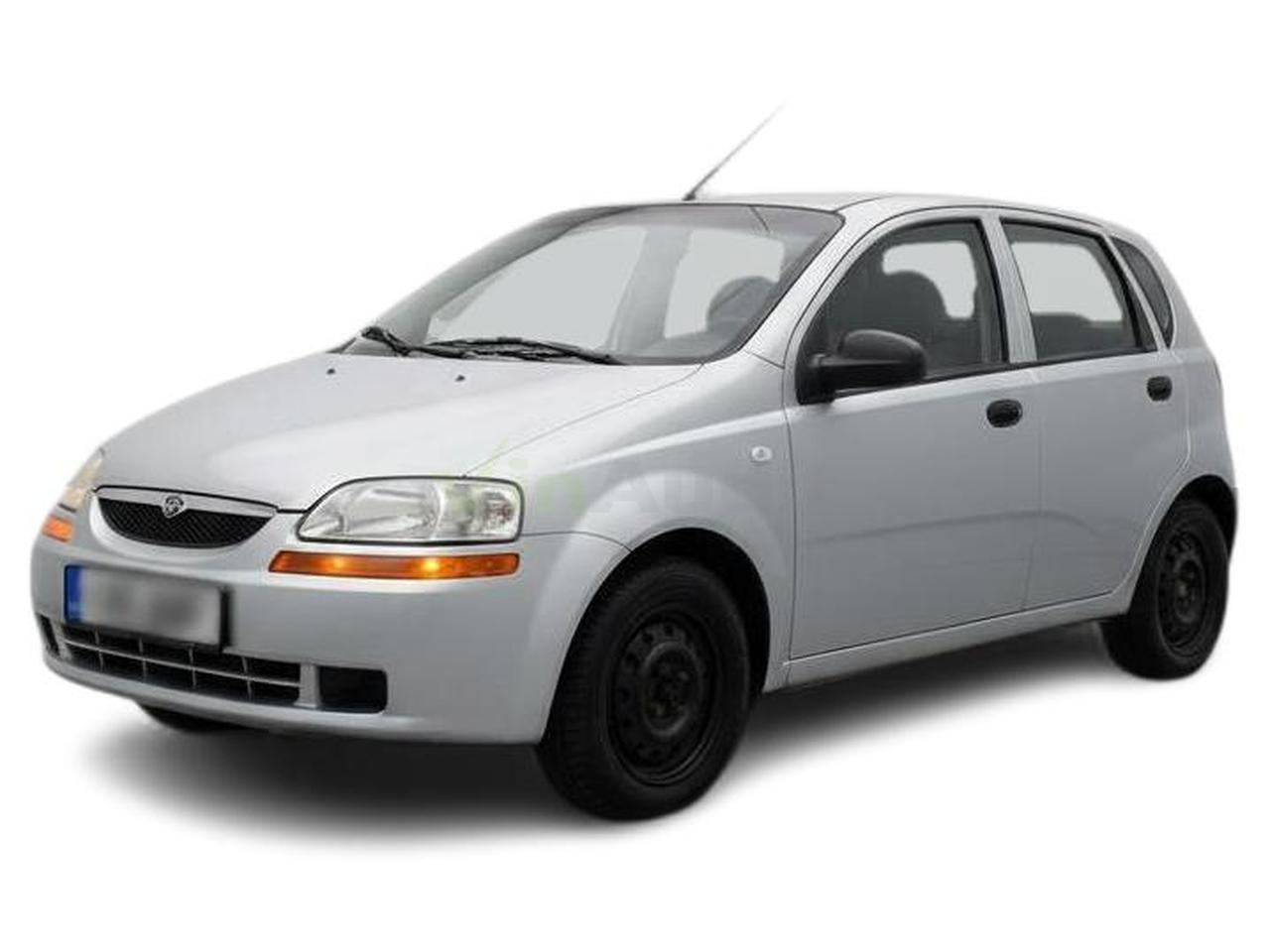
The 2006 Suzuki Swift is a subcompact hatchback known for its agile handling and peppy performance. This generation, produced from 2004 to 2010, offered a stylish European-inspired design. Key trims included the base model, the sportier 'GT', and the more premium 'Sport'. Pricing for a used 2006 Swift typically ranges from $3,000 to $7,000. Its popularity stems from its fun-to-drive nature and economical operation, making it an attractive option for city dwellers and budget-conscious buyers seeking a bit of spirited driving.
The Good
The 2006 Swift excels in nimble handling and responsive performance, offering an engaging driving experience. Its fuel efficiency appeals to practical buyers, while its distinctive, sporty design captures emotional appeal. It provides good value for its class.
The Bad
Potential buyers should be aware of common issues like clutch wear on manual transmissions, occasional electrical gremlins, and the possibility of rust, especially in colder climates. Engine noise can also be a concern for some.
2006 Suzuki Swift: Quick Overview
- Engine Options:
- 1.5L Inline-4
- 1.6L Inline-4 (Sport models)
- Horsepower:
- 1.5L: Approximately 100-102 hp
- 1.6L: Approximately 123-125 hp
- Fuel Economy (EPA Estimates):
- Manual Transmission: Around 28 mpg city / 35 mpg highway
- Automatic Transmission: Around 26 mpg city / 33 mpg highway
- 0-60 Times:
- 1.5L: Around 10-11 seconds
- 1.6L: Around 8-9 seconds
- Towing Capacity: Not Applicable (designed as a passenger car, not for towing)
- Trim-Level Features:
- Base Model: Typically included power windows, power locks, air conditioning, and a CD player.
- GT: Added alloy wheels, sportier interior accents, and potentially a more advanced sound system.
- Sport: Featured a more powerful engine, sport-tuned suspension, unique body kit (front/rear spoilers, side skirts), sport seats, and premium interior materials. Some might have included keyless entry and cruise control.
2006 Suzuki Swift Specifications
Vehicle Information
| Year | 2006 |
| Make | Suzuki |
| Model | Swift |
| Trim | - |
| Style | - |
| Type | Hatchback |
| Category | Compact Car |
Manufacturing Details
| Made In | Korea, Democratic PE |
| Manufacturing City | BUPYEONG |
Dimensions
| Doors | 4-Door |
| Curb Weight | - |
| Gross Vehicle Weight Rating | - |
| Overall Height | - |
| Overall Length | - |
| Overall Width | - |
| Wheelbase Length | - |
| Standard Seating | - |
Engine & Performance
| Engine | 2.3L I4 |
| Engine Size | 2.3L |
| Engine Cylinders | 4 |
| Transmission | - |
| Transmission Type | - |
| Transmission Speeds | - |
| Drivetrain | Front-Wheel Drive |
Additional Features
| Anti-Brake System | - |
| Steering Type | - |
Pricing
| Manufacturer Suggested Retail Price (MSRP) | - |
| Invoice Price | - |
| Delivery Charges | - |
Vehicle History Report
Vehicle
Specifications
Specifications
Ownership
History
History
All History
Events
Events
NMVTIS Title
History Check
History Check
Salvage/Rebuilt
Check
Check
Accident
Check
Check
Theft
Check
Check
Open Lien
Check
Check
Past Sale
Listings
Listings
Safety
Recalls
Recalls
Odometer
Check
Check
Market Price
Analysis
Analysis
What Problems Does the 2006 Suzuki Swift Have?
The 2006 Suzuki Swift, while generally considered a reliable subcompact, does have some commonly reported issues that owners should be aware of. One of the most frequent complaints revolves around the clutch system in manual transmission models. Due to its lightweight nature and potentially spirited driving, clutches can wear out prematurely, sometimes requiring replacement sooner than expected. This can be an expensive repair if not caught early.
Another area of concern for some owners is the electrical system. Minor electrical gremlins, such as issues with power windows, door locks, or the infotainment system, have been reported sporadically. These are often not major failures but can be a nuisance.
Rust is a significant long-term reliability concern, particularly for Swifts that have been driven in areas with harsh winters and salted roads. The undercarriage, wheel wells, and rocker panels are susceptible to corrosion. Regular inspections and rustproofing can help mitigate this.
Regarding specific model years, the 2006 model year did not have any widespread, significant recalls that impacted its fundamental mechanical soundness. However, it's always advisable to check for any outstanding safety recalls with the NHTSA database. Some owners also note that the interior materials, while functional, might show wear and tear over time more readily than those in some competitors.
The engine itself is generally robust if maintained, but a less common issue can be the exhaust system developing leaks or needing replacement sooner than anticipated. Overall, the 2006 Swift's reliability is decent, but proactive maintenance and addressing minor issues promptly will be key to its longevity.
Another area of concern for some owners is the electrical system. Minor electrical gremlins, such as issues with power windows, door locks, or the infotainment system, have been reported sporadically. These are often not major failures but can be a nuisance.
Rust is a significant long-term reliability concern, particularly for Swifts that have been driven in areas with harsh winters and salted roads. The undercarriage, wheel wells, and rocker panels are susceptible to corrosion. Regular inspections and rustproofing can help mitigate this.
Regarding specific model years, the 2006 model year did not have any widespread, significant recalls that impacted its fundamental mechanical soundness. However, it's always advisable to check for any outstanding safety recalls with the NHTSA database. Some owners also note that the interior materials, while functional, might show wear and tear over time more readily than those in some competitors.
The engine itself is generally robust if maintained, but a less common issue can be the exhaust system developing leaks or needing replacement sooner than anticipated. Overall, the 2006 Swift's reliability is decent, but proactive maintenance and addressing minor issues promptly will be key to its longevity.
How long will the 2006 Suzuki Swift last?
Based on owner data and typical maintenance habits, a well-maintained 2006 Suzuki Swift can reasonably be expected to last for an average of 150,000 to 200,000 miles, or approximately 12-16 years of service. The long-term durability hinges significantly on consistent maintenance, especially regular oil changes and timely replacement of wear-and-tear items like brakes and tires. The chassis and engine are generally robust. However, weaknesses emerge over time, notably potential rust issues in corrosive environments and increased wear on the clutch and suspension components, particularly if the vehicle has been driven hard or neglected. Addressing minor leaks or electrical quirks early can prevent larger problems down the line, contributing to its overall longevity.
What Technology & Safety Features are Included?
The 2006 Suzuki Swift offered a fairly straightforward approach to technology and safety, typical for its class at the time. Standard entertainment features usually included a basic AM/FM/CD player, often with two or four speakers depending on the trim level. Higher trims might have offered steering wheel-mounted audio controls, a more advanced speaker system, or even an auxiliary input for MP3 players, though this was less common.
Driver-assistance features were minimal. Anti-lock Braking System (ABS) was often an optional upgrade or standard on higher trims, particularly in North America. Stability control was not widely available on this model year. Cruise control was typically found on premium trims or as an option.
Safety features for the 2006 Swift included front-seat airbags as standard. Depending on the market and trim, side-impact airbags and curtain airbags might have been optional. Seatbelt pretensioners were also standard. The interior construction was designed to absorb impact energy.
Crash-test ratings for the 2006 Suzuki Swift varied by region and testing agency. In some markets, it performed reasonably well, earning decent scores in frontal and side-impact tests. For example, it received a "Good" rating from the IIHS in frontal offset crash tests in some configurations, indicating good occupant protection. However, it's crucial to check specific crash test results for the exact model year and region of the vehicle in question, as standards and testing methodologies evolve. Generally, it provided adequate safety for its segment, but it lacked the advanced driver-assistance systems common in modern vehicles.
Driver-assistance features were minimal. Anti-lock Braking System (ABS) was often an optional upgrade or standard on higher trims, particularly in North America. Stability control was not widely available on this model year. Cruise control was typically found on premium trims or as an option.
Safety features for the 2006 Swift included front-seat airbags as standard. Depending on the market and trim, side-impact airbags and curtain airbags might have been optional. Seatbelt pretensioners were also standard. The interior construction was designed to absorb impact energy.
Crash-test ratings for the 2006 Suzuki Swift varied by region and testing agency. In some markets, it performed reasonably well, earning decent scores in frontal and side-impact tests. For example, it received a "Good" rating from the IIHS in frontal offset crash tests in some configurations, indicating good occupant protection. However, it's crucial to check specific crash test results for the exact model year and region of the vehicle in question, as standards and testing methodologies evolve. Generally, it provided adequate safety for its segment, but it lacked the advanced driver-assistance systems common in modern vehicles.
What Colors Options are Available?
2006 Suzuki Swift Prices and Market Value
When new, the 2006 Suzuki Swift had a starting MSRP generally ranging from $12,000 to $18,000, depending on the trim level and options. As a subcompact car from over 15 years ago, it has experienced significant depreciation. Current used market prices for a 2006 Swift typically fall between $3,000 and $7,000, with condition, mileage, and trim (especially the Sport model) being the primary determinants. Factors affecting its resale value include its reputation for fuel efficiency and sporty handling, but this is often offset by concerns about long-term reliability and potential for rust. Well-maintained examples, particularly the sought-after Sport trim, can command a slightly higher price, appealing to enthusiasts and those seeking an economical, fun-to-drive used car.
2006 Suzuki Swift Cost of Ownership
The 2006 Suzuki Swift is generally considered an economical vehicle to own. Insurance premiums are typically low due to its affordable purchase price and the prevalence of safety features. Fuel costs are also a strong suit, with its efficient engines delivering excellent MPG. Routine maintenance, such as oil changes and tire rotations, is relatively inexpensive. However, repair costs can fluctuate; while common parts are readily available and affordable, more specific issues like clutch replacement or potential electrical faults can add up. Overall, the Swift leans towards being economical to own, especially if well-maintained and driven conservatively, with potential for higher repair bills if neglected.
2006 Suzuki Swift Fuel Efficiency
Fuel Type
Gasoline
Fuel Capacity
-
City Mileage
-
Highway Mileage
-
2006 Suzuki Swift Warranty
Basic
Original warranty
0 months / No data
Estimated remaining
Expired
Powertrain
Original warranty
0 months / No data
Estimated remaining
Expired
Rust
Original warranty
0 months / No data
Estimated remaining
Expired
2006 Suzuki Swift Insurance
Insurance for a 2006 Suzuki Swift is moderately priced, reflecting its status as a Hatchback with strong safety ratings and
reasonable repair costs.
How Does the 2006 Suzuki Swift Compare to Other Hatchback?
The 2006 Suzuki Swift competed in the highly contested subcompact segment against rivals like the Honda Fit, Toyota Yaris (Echo), Ford Fiesta, and Mazda2. In terms of performance, the Swift, especially the Sport trim, offered a more spirited and engaging driving experience with sharper handling than many of its competitors. The standard models were peppy enough for city driving but not exceptionally powerful.
Features were a mixed bag. While most rivals offered similar basic amenities, the Swift sometimes lagged in advanced tech or available creature comforts compared to the Honda Fit, which was known for its innovative interior packaging and versatility. The Toyota Yaris was a benchmark for reliability and fuel economy, though often perceived as less exciting to drive. The Ford Fiesta offered a decent balance but might have had less refined driving dynamics.
Reliability is where the Swift faced its toughest competition. While generally dependable, it didn't always match the legendary long-term reliability reputation of the Honda Fit or Toyota Yaris. Common issues like clutch wear and potential for rust could be more prevalent than in its Japanese counterparts.
Price-wise, the Swift often offered good value on the used market, being slightly cheaper than comparable Hondas or Toyotas.
Alternatives:
* Honda Fit: For practicality, interior space, and stellar reliability, the Fit is a strong contender, though often commands a higher used price.
* Toyota Yaris: If maximum reliability and fuel efficiency are paramount, the Yaris is an excellent choice, albeit with a less engaging driving character.
* Mazda2: Shares some Suzuki DNA and offers a good blend of sportiness and practicality, often a good alternative if a Swift is hard to find or has too many miles.
Features were a mixed bag. While most rivals offered similar basic amenities, the Swift sometimes lagged in advanced tech or available creature comforts compared to the Honda Fit, which was known for its innovative interior packaging and versatility. The Toyota Yaris was a benchmark for reliability and fuel economy, though often perceived as less exciting to drive. The Ford Fiesta offered a decent balance but might have had less refined driving dynamics.
Reliability is where the Swift faced its toughest competition. While generally dependable, it didn't always match the legendary long-term reliability reputation of the Honda Fit or Toyota Yaris. Common issues like clutch wear and potential for rust could be more prevalent than in its Japanese counterparts.
Price-wise, the Swift often offered good value on the used market, being slightly cheaper than comparable Hondas or Toyotas.
Alternatives:
* Honda Fit: For practicality, interior space, and stellar reliability, the Fit is a strong contender, though often commands a higher used price.
* Toyota Yaris: If maximum reliability and fuel efficiency are paramount, the Yaris is an excellent choice, albeit with a less engaging driving character.
* Mazda2: Shares some Suzuki DNA and offers a good blend of sportiness and practicality, often a good alternative if a Swift is hard to find or has too many miles.
Final Verdict: Is the 2006 Suzuki Swift a Good Hatchback?
The 2006 Suzuki Swift is ideal for budget-conscious buyers, first-time car owners, or individuals seeking an economical and fun-to-drive city car. Its nimble handling and zippy nature appeal to those who enjoy driving, even in urban environments. It's definitely worth buying, especially on the used market, but with caveats.
Consider it primarily as a used vehicle, as new models are no longer available. The Sport trim offers a significantly more engaging performance experience and is highly recommended for enthusiasts. However, a thorough pre-purchase inspection is crucial, focusing on clutch condition, signs of rust, and any electrical anomalies. If you find a well-maintained example, particularly a Sport model with reasonable mileage and no major rust, it represents excellent value for money in the used subcompact market.
