
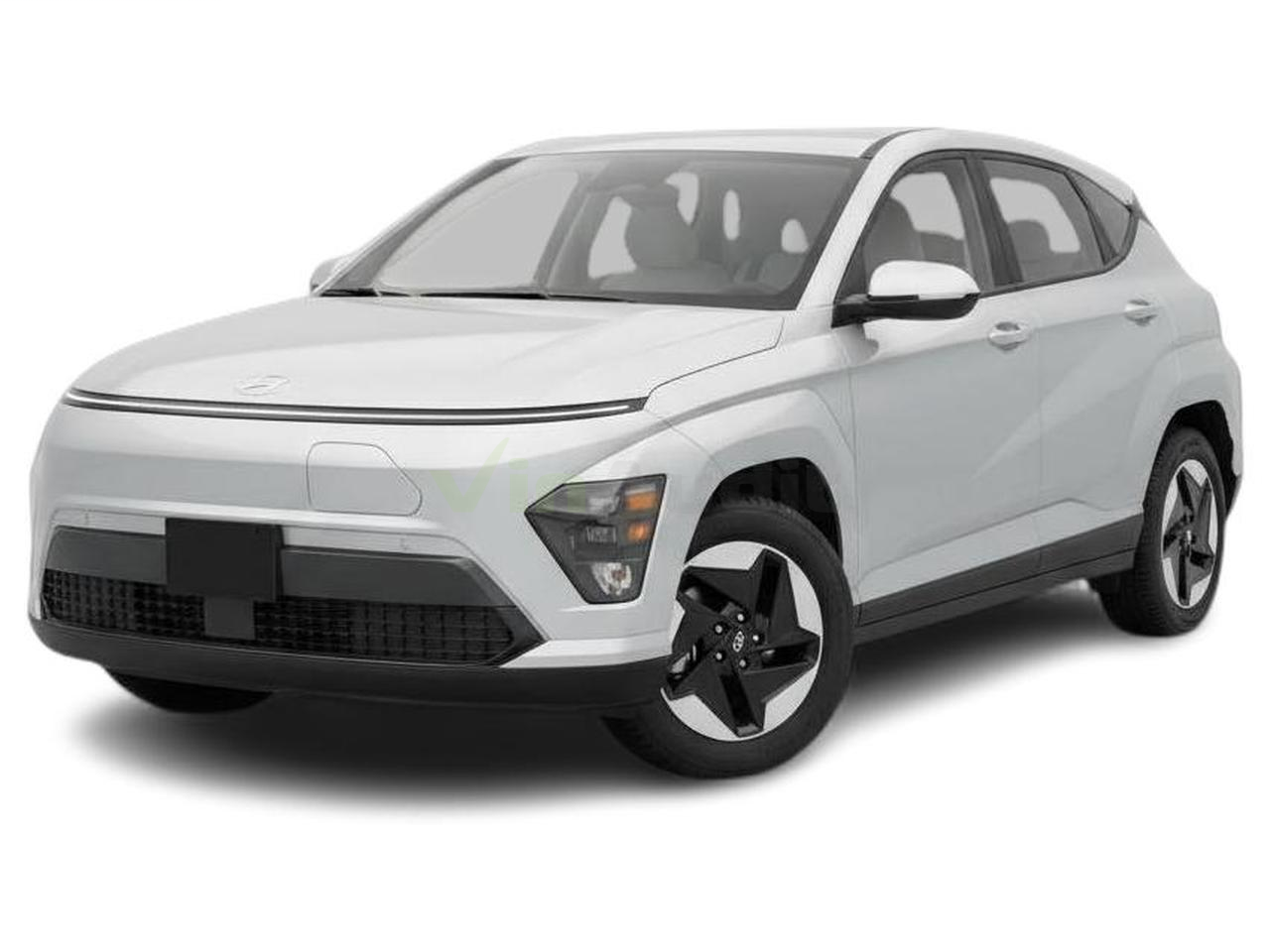
The 2025 Hyundai Kona Electric, part of the redesigned Kona lineup introduced in 2024, is a popular subcompact SUV that has garnered significant attention for its distinctive styling and value proposition. Available in several trims, it typically ranges from around $34,000 to over $40,000. Its popularity stems from its attractive design, generous interior space for its class, and impressive electric range, making it a compelling choice for urban commuters and those seeking an eco-friendly daily driver.
The Good
The 2025 Kona Electric shines with its impressive electric range for practical efficiency, a comfortable and surprisingly spacious interior for emotional appeal, and a futuristic design that turns heads. Its user-friendly tech and overall value make it a smart, enjoyable choice.
The Bad
Potential buyers of the 2025 Hyundai Kona Electric should be aware of its charging speed, which may not be as rapid as some competitors. The regenerative braking system can also take some getting used to for new EV drivers.
2025 Hyundai Kona Electric: Quick Overview
- Engine Options: The 2025 Hyundai Kona Electric is offered with two electric powertrain options.
- Standard Range: A single electric motor powering the front wheels.
- Horsepower: Approximately 133 hp.
- Torque: Around 188 lb-ft.
- Battery: 48.6 kWh battery pack.
- EPA Estimated Range: Around 200 miles.
- 0-60 mph: Estimated around 8.5 seconds.
- Horsepower: Approximately 133 hp.
- Long Range: A more powerful single electric motor powering the front wheels.
- Horsepower: Approximately 201 hp.
- Torque: Around 188 lb-ft.
- Battery: 64.8 kWh battery pack.
- EPA Estimated Range: Around 261 miles.
- 0-60 mph: Estimated around 7.6 seconds.
- Horsepower: Approximately 201 hp.
- Standard Range: A single electric motor powering the front wheels.
- Fuel Economy (EPA Estimates):
- Standard Range: Approximately 120 MPGe (city/highway combined).
- Long Range: Approximately 114 MPGe (city/highway combined).
- Standard Range: Approximately 120 MPGe (city/highway combined).
- Towing Capacity: The Hyundai Kona Electric is not designed for towing and does not have a specified towing capacity.
- Trim-Level Features (General):
- SE (Standard Range): Key features often include 17-inch alloy wheels, LED headlights and daytime running lights, a 12.3-inch touchscreen infotainment system with Apple CarPlay and Android Auto, wireless device charging, dual-zone automatic climate control, and a suite of advanced driver-assistance systems.
- SEL (Long Range): Builds upon the SE with potentially larger wheels, a power-adjustable driver's seat, heated front seats, blind-spot monitoring, rear cross-traffic alert, and potentially a panoramic sunroof.
- Limited (Long Range): The top trim typically adds premium features such as a Bose premium audio system, leather seating surfaces, a head-up display, a 360-degree camera system, and advanced parking assistance features.
- SE (Standard Range): Key features often include 17-inch alloy wheels, LED headlights and daytime running lights, a 12.3-inch touchscreen infotainment system with Apple CarPlay and Android Auto, wireless device charging, dual-zone automatic climate control, and a suite of advanced driver-assistance systems.
2025 Hyundai Kona Electric Specifications
Vehicle Information
| Year | 2025 |
| Make | Hyundai |
| Model | Kona Electric |
| Trim | - |
| Style | Front-Wheel Drive |
| Type | Sport Utility Vehicle |
| Category | Standard Sport Utility Vehicle |
Manufacturing Details
| Made In | Korea |
| Manufacturing City | ULSAN |
Dimensions
| Doors | 4-Door |
| Curb Weight | - |
| Gross Vehicle Weight Rating | 2267.96 kg |
| Overall Height | - |
| Overall Length | 438.4 cm |
| Overall Width | - |
| Wheelbase Length | 265.94 cm |
| Standard Seating | 5 |
Engine & Performance
| Engine | Electric |
| Engine Size | - |
| Engine Cylinders | - |
| Transmission | Automatic |
| Transmission Type | Automatic |
| Transmission Speeds | - |
| Drivetrain | Front-Wheel Drive |
Additional Features
| Anti-Brake System | 4-Wheel ABS |
| Steering Type | Rack & Pinion |
Pricing
| Manufacturer Suggested Retail Price (MSRP) | $38,275 USD |
| Invoice Price | - |
| Delivery Charges | $1,395 USD |
Vehicle History Report
Vehicle
Specifications
Specifications
Ownership
History
History
All History
Events
Events
NMVTIS Title
History Check
History Check
Salvage/Rebuilt
Check
Check
Accident
Check
Check
Theft
Check
Check
Open Lien
Check
Check
Past Sale
Listings
Listings
Safety
Recalls
Recalls
Odometer
Check
Check
Market Price
Analysis
Analysis
What Problems Does the 2025 Hyundai Kona Electric Have?
While the 2025 Hyundai Kona Electric is a new model year, it builds upon the foundation of the previous generation. For the outgoing generation, some owners have reported intermittent issues with the infotainment system, including screen freezes or connectivity problems. Battery degradation, while generally well-managed by Hyundai's battery warranty, is always a long-term concern for any EV, though specific widespread issues haven't been a major talking point for the Kona Electric. There have been some recalls in previous model years for various reasons, such as potential issues with the battery management system or charging hardware, but these are typically addressed through service bulletins and updates. The reliability of the electric powertrain itself has generally been considered good, with fewer moving parts than internal combustion engines. However, it's worth noting that specific electronic components or sensors could develop faults over time, as with any complex vehicle. Owners should always adhere to recommended maintenance schedules, which for EVs primarily involve tire rotations, brake checks (though regenerative braking reduces wear), and cabin air filter replacements. As the 2025 model is freshly released, extensive long-term data is not yet available. However, Hyundai's track record with its other electric vehicles, like the IONIQ 5, suggests a commitment to reliability and addressing any emerging issues promptly through software updates or service campaigns. Potential buyers should consult owner forums and consumer reliability reports as more data becomes available for the 2025 model year.
How long will the 2025 Hyundai Kona Electric last?
Based on the general durability of Hyundai vehicles and the inherent robustness of electric powertrains, the 2025 Hyundai Kona Electric is expected to offer a long service life. With diligent maintenance, including regular tire rotations and fluid checks (though minimal for EVs), owners can reasonably expect to get 150,000 to 200,000 miles or more from the vehicle. The electric motor is designed for longevity with fewer wear-and-tear components than an internal combustion engine. Battery degradation is the primary long-term concern for any EV, but Hyundai's battery warranty typically covers a significant period and mileage, protecting against substantial capacity loss. Minor electronic component failures or wear on suspension parts are possible over time, but these are not specific to the Kona Electric's EV nature. Overall, its long-term durability should be good, especially for the powertrain.
What Technology & Safety Features are Included?
The 2025 Hyundai Kona Electric is well-equipped with modern technology, entertainment, and safety features, making it a competitive offering in its segment. Standard on most trims is a large 12.3-inch touchscreen infotainment system that supports wireless Apple CarPlay and Android Auto, ensuring seamless smartphone integration. Complementing the central display is a digital instrument cluster, providing drivers with clear and customizable vehicle information. Wireless device charging is also commonly included, adding to the convenience.
Driver-assistance and safety features are a strong suit for the Kona Electric. Standard systems often include Forward Collision-Avoidance Assist with pedestrian and cyclist detection, Lane Keeping Assist, Lane Following Assist, Driver Attention Warning, and Blind-Spot Collision-Avoidance Assist. Higher trims may add features like a Surround View Monitor, Blind-Spot View Monitor (which displays a camera feed in the instrument cluster when the turn signal is activated), Highway Driving Assist (a semi-autonomous driving system), and Rear Cross-Traffic Collision-Avoidance Assist. Optional features might also include a Head-Up Display for projecting vital information onto the windshield.
While official crash-test ratings for the 2025 model year may not be released until closer to launch, the redesigned 2024 Kona, on which the 2025 model is based, has performed commendably in safety evaluations. Previous iterations have earned top safety picks from organizations like the Insurance Institute for Highway Safety (IIHS), suggesting the 2025 model will likely continue this trend. Hyundai's commitment to safety, coupled with its comprehensive suite of advanced driver-assistance systems, positions the Kona Electric as a secure and technologically advanced compact SUV.
Driver-assistance and safety features are a strong suit for the Kona Electric. Standard systems often include Forward Collision-Avoidance Assist with pedestrian and cyclist detection, Lane Keeping Assist, Lane Following Assist, Driver Attention Warning, and Blind-Spot Collision-Avoidance Assist. Higher trims may add features like a Surround View Monitor, Blind-Spot View Monitor (which displays a camera feed in the instrument cluster when the turn signal is activated), Highway Driving Assist (a semi-autonomous driving system), and Rear Cross-Traffic Collision-Avoidance Assist. Optional features might also include a Head-Up Display for projecting vital information onto the windshield.
While official crash-test ratings for the 2025 model year may not be released until closer to launch, the redesigned 2024 Kona, on which the 2025 model is based, has performed commendably in safety evaluations. Previous iterations have earned top safety picks from organizations like the Insurance Institute for Highway Safety (IIHS), suggesting the 2025 model will likely continue this trend. Hyundai's commitment to safety, coupled with its comprehensive suite of advanced driver-assistance systems, positions the Kona Electric as a secure and technologically advanced compact SUV.
What Colors Options are Available?
2025 Hyundai Kona Electric Prices and Market Value
The 2025 Hyundai Kona Electric, when new, is expected to have a starting MSRP in the mid-$30,000s for the base Standard Range model, with the Long Range variants and higher trims reaching into the low-$40,000s. Historically, compact EVs like the Kona Electric tend to depreciate at a moderate pace compared to their gasoline counterparts, though this is influenced by battery technology advancements and evolving market demand. Factors affecting its resale value include battery health, remaining warranty coverage, market demand for EVs, and the availability of newer, more advanced models. Maintaining good condition and a consistent service record will significantly bolster its resale value. Used prices for the outgoing generation typically range from around $20,000 to $28,000 depending on mileage, condition, and trim level.
2025 Hyundai Kona Electric Cost of Ownership
The 2025 Hyundai Kona Electric is generally economical to own. Insurance costs can vary, but are often comparable to other compact SUVs, with potential for slightly higher premiums due to its EV nature and technology. Fuel costs are significantly lower than gasoline cars, as electricity is cheaper per mile than gasoline. Maintenance is also more affordable, with fewer moving parts and no oil changes required. Repairs, while less frequent, can sometimes be more costly for specialized EV components if they fall outside the warranty. Overall, the combination of lower fuel and maintenance expenses makes the Kona Electric an economical choice for long-term ownership, despite potentially higher initial purchase price.
2025 Hyundai Kona Electric Fuel Efficiency
Fuel Type
Electric
Fuel Capacity
8.63 liters
City Mileage
0.89 km/l
Highway Mileage
1.06 km/l
2025 Hyundai Kona Electric Safety Rating
NHTSA
2025 Hyundai Kona Electric Warranty
Basic
Original warranty
60 months / 60,000 miles
Estimated remaining
48 months / 60,000 miles
Powertrain
Original warranty
120 months / 100,000 miles
Estimated remaining
108 months / 100,000 miles
Rust
Original warranty
84 months / unlimited miles
Estimated remaining
72 months / unlimited miles
2025 Hyundai Kona Electric Insurance
Insurance for a 2025 Hyundai Kona Electric is moderately priced, reflecting its status as a Sport Utility Vehicle with strong safety ratings and
reasonable repair costs.
How Does the 2025 Hyundai Kona Electric Compare to Other Sport Utility Vehicle?
The 2025 Hyundai Kona Electric faces stiff competition in the growing compact electric SUV segment. Key rivals include the Chevrolet Bolt EV/EUV (though phasing out), the Kia Niro EV, and the Volkswagen ID.4.
Performance: The Kona Electric's 201 hp long-range option offers brisk acceleration, comparable to or better than many rivals. The Bolt EV offers similar performance, while the Niro EV is also competitive. The ID.4, being a larger vehicle, may offer a more refined ride but can feel less zippy.
Features: Hyundai typically excels in offering a generous amount of standard tech and safety features, often at a more accessible price point than some competitors. The Kona Electric's large infotainment screen and comprehensive driver-assistance suite are strong selling points. The Niro EV also boasts excellent standard features and a premium feel. The Bolt EV offers good tech but may feel a bit more basic inside.
Reliability: Hyundai and Kia have generally strong reliability ratings, especially for their electric powertrains. Previous Kona Electric models have been reasonably reliable. The Chevrolet Bolt EV had some notable battery recall issues in the past, although they were addressed. The VW ID.4 is still establishing its long-term reliability reputation.
Price: The Kona Electric is often praised for its value proposition, offering a good balance of range, features, and price. The Chevy Bolt EV was historically a very strong value contender but is ending its run. The Kia Niro EV can be similarly priced or slightly higher, while the VW ID.4 generally starts at a higher price point due to its larger size and segment.
Recommendations: For buyers prioritizing value and a well-rounded package of features and range, the 2025 Hyundai Kona Electric is an excellent choice. The Kia Niro EV is a very similar and strong alternative, often perceived as slightly more upscale. If budget is the absolute primary concern and availability permits, a used Chevrolet Bolt EV could still be considered, though its discontinuation limits future model availability. For those needing more space and a more SUV-like experience, the Volkswagen ID.4 is an option but comes at a higher cost.
Performance: The Kona Electric's 201 hp long-range option offers brisk acceleration, comparable to or better than many rivals. The Bolt EV offers similar performance, while the Niro EV is also competitive. The ID.4, being a larger vehicle, may offer a more refined ride but can feel less zippy.
Features: Hyundai typically excels in offering a generous amount of standard tech and safety features, often at a more accessible price point than some competitors. The Kona Electric's large infotainment screen and comprehensive driver-assistance suite are strong selling points. The Niro EV also boasts excellent standard features and a premium feel. The Bolt EV offers good tech but may feel a bit more basic inside.
Reliability: Hyundai and Kia have generally strong reliability ratings, especially for their electric powertrains. Previous Kona Electric models have been reasonably reliable. The Chevrolet Bolt EV had some notable battery recall issues in the past, although they were addressed. The VW ID.4 is still establishing its long-term reliability reputation.
Price: The Kona Electric is often praised for its value proposition, offering a good balance of range, features, and price. The Chevy Bolt EV was historically a very strong value contender but is ending its run. The Kia Niro EV can be similarly priced or slightly higher, while the VW ID.4 generally starts at a higher price point due to its larger size and segment.
Recommendations: For buyers prioritizing value and a well-rounded package of features and range, the 2025 Hyundai Kona Electric is an excellent choice. The Kia Niro EV is a very similar and strong alternative, often perceived as slightly more upscale. If budget is the absolute primary concern and availability permits, a used Chevrolet Bolt EV could still be considered, though its discontinuation limits future model availability. For those needing more space and a more SUV-like experience, the Volkswagen ID.4 is an option but comes at a higher cost.
Final Verdict: Is the 2025 Hyundai Kona Electric a Good Sport Utility Vehicle?

The 2025 Hyundai Kona Electric is an ideal choice for urban commuters, small families, and environmentally conscious drivers seeking an affordable and practical electric SUV. It strikes an excellent balance between range, technology, and styling without breaking the bank. It is definitely worth buying, especially if you can take advantage of EV tax credits. For those prioritizing maximum range and advanced features, the Long Range trims are recommended. Buying new offers the latest technology and full warranty coverage, which is particularly valuable for EV batteries. However, a gently used previous-generation Kona Electric can represent even greater value if its range and features meet your needs, but always ensure thorough battery health checks. It's a compelling option for a first-time EV buyer or anyone looking for an efficient and stylish daily driver.