
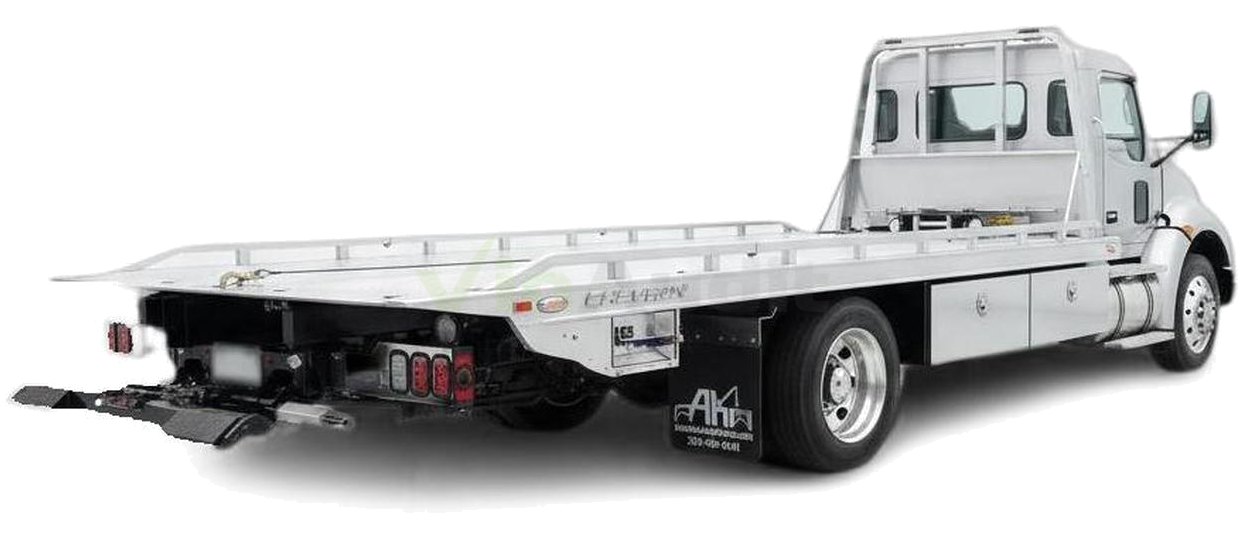
The Good
The 2020 Kenworth T3 Series offers exceptional durability and a comfortable, driver-focused cabin for long hauls. Its powerful performance and excellent maneuverability ensure efficiency and a sense of control, making it a reliable partner for any business.
The Bad
Potential buyers should be aware of the T3 Series's higher initial cost compared to some competitors. Some users report a somewhat firm ride, and specific component availability for older or less common configurations might require diligent sourcing.
2020 Kenworth T3 Series: Quick Overview
- Engine Options: The 2020 Kenworth T3 Series typically offered the PACCAR PX-7 engine, a robust diesel powerplant. In some configurations, options like the Cummins ISB or ISL could also be found. These engines are known for their reliability and performance in medium-duty applications.
- Horsepower: The PACCAR PX-7 engine generally ranged from approximately 220 to 325 horsepower, depending on the specific application and configuration. Higher horsepower variants were available for more demanding tasks.
- Fuel Economy: Specific fuel economy figures for vocational trucks like the T3 Series are highly variable due to constant varying loads, driving conditions, and specific chassis configurations. However, the PACCAR PX-7 is designed for efficient operation within its class.
- 0-60 Times: Acceleration figures like 0-60 mph are not typically a primary metric for vocational trucks. Their focus is on torque and hauling capacity, not rapid acceleration.
- Towing Capacity: The towing capacity of the 2020 Kenworth T3 Series is substantial and highly dependent on the specific chassis configuration, axle ratings, and Gross Vehicle Weight Rating (GVWR). It is designed for towing and hauling heavy loads, often in the tens of thousands of pounds for suitable configurations.
- Trim-Level Features: While not defined by traditional passenger car trims, the T3 Series is highly customizable. Key features often include:
- Various cab configurations (day cab, extended cab).
- Multiple wheelbase options.
- A wide selection of vocational body mounts and PTO (Power Take-Off) options.
- Robust suspension systems designed for durability.
- Advanced braking systems for safety.
- Ergonomic and functional driver's cabins designed for long workdays.
- Options for advanced diagnostics and telematics.
2020 Kenworth T3 Series Specifications
Vehicle Information
| Year | 2020 |
| Make | Kenworth |
| Model | T3 Series |
| Trim | - |
| Style | - |
| Type | Truck |
| Category | Heavy Truck |
Manufacturing Details
| Made In | Canada |
| Manufacturing City | MEXICALI |
Dimensions
| Doors | - |
| Curb Weight | - |
| Gross Vehicle Weight Rating | 57000 pounds |
| Overall Height | - |
| Overall Length | - |
| Overall Width | - |
| Wheelbase Length | - |
| Standard Seating | - |
Engine & Performance
| Engine | 6.7L I6 |
| Engine Size | 6.7L |
| Engine Cylinders | 6 |
| Transmission | - |
| Transmission Type | - |
| Transmission Speeds | - |
| Drivetrain | Rear-Wheel Drive |
Additional Features
| Anti-Brake System | - |
| Steering Type | - |
Pricing
| Manufacturer Suggested Retail Price (MSRP) | - |
| Invoice Price | - |
| Delivery Charges | - |
Vehicle History Report
Specifications
History
Events
History Check
Check
Check
Check
Check
Listings
Recalls
Check
Analysis
What Problems Does the 2020 Kenworth T3 Series Have?
Electrical System Glitches: Some owners have reported intermittent electrical gremlins, such as dashboard warning lights that illuminate without a clear cause or issues with accessory power. These can often be traced to wiring harness integrity or sensor malfunctions, which are not uncommon in complex vocational vehicles exposed to harsh conditions.
Emissions System Sensitivities: Modern diesel engines, including those found in the T3 Series, are equipped with complex after-treatment systems (like Diesel Particulate Filters - DPFs, and Selective Catalytic Converters - SCRs). While designed for environmental compliance, these systems can sometimes be sensitive to fuel quality, driving cycles (especially frequent short trips where regeneration may not occur properly), and can lead to fault codes or reduced performance if not maintained diligently.
Suspension Wear: Given the nature of vocational applications, which often involve rough terrain and heavy loads, suspension components such as leaf springs, bushings, and shock absorbers can experience accelerated wear. This is more a function of usage than a design flaw, but it's something to monitor.
Recalls: Specific recalls for the 2020 model year would need to be checked against VIN for the most accurate information. However, general recalls for PACCAR engines or specific chassis components can occur across various model years. These typically address safety-critical items and are rectified by authorized service centers.
Long-Term Reliability: Kenworth trucks are built for the long haul, and the T3 Series is no exception. With proper and consistent maintenance, these trucks are known to exceed 500,000 miles and often much more. The primary concerns for long-term reliability are proactive maintenance, addressing minor issues before they become major, and ensuring the vehicle is used within its intended operational parameters.
How long will the 2020 Kenworth T3 Series last?
What Technology & Safety Features are Included?
Built-in Tech: The T3 Series typically includes a modern digital display for the instrument cluster, providing clear readouts of vehicle diagnostics, fuel levels, and engine performance. Telematics and GPS tracking integration are often available, allowing fleet managers to monitor vehicle location, status, and driver behavior for improved efficiency and security.
Entertainment: Basic entertainment systems are usually present, often including an AM/FM radio, auxiliary input, and potentially Bluetooth connectivity for hands-free calling and audio streaming. More advanced infotainment options are less common, as the focus is on functionality rather than premium audio experiences.
Driver-Assistance Features: Standard safety features are robust. These can include anti-lock braking systems (ABS) for enhanced control during braking, particularly in adverse conditions. Depending on the configuration and options chosen, driver-assistance technologies might include lane departure warnings, forward collision mitigation systems, and adaptive cruise control, though these are more prevalent on newer iterations or higher-spec vocational trucks.
Safety Features: Beyond ABS, the T3 Series is built with a strong chassis designed to withstand demanding operations. Air disc brakes are often an option for improved stopping power and reliability. The cab structure is engineered for durability and occupant protection. Standard safety features often include seat belts, backup alarms, and exterior lighting designed for maximum visibility. Integrated mirrors provide comprehensive views of the vehicle's surroundings, crucial for vocational operations.
Optional Features: Options can extend to advanced climate control systems, heated mirrors, and enhanced lighting packages. For specific vocational bodies, custom control interfaces and auxiliary switches are integrated into the dashboard.
Crash-Test Ratings: Formal crash-test ratings, akin to those for passenger cars and SUVs from agencies like the NHTSA or IIHS, are not typically published for heavy-duty commercial trucks like the Kenworth T3 Series. The design and construction are governed by stringent federal motor vehicle safety standards (FMVSS) specific to commercial vehicles, prioritizing structural integrity and occupant protection under severe operating conditions.
What Colors Options are Available?
2020 Kenworth T3 Series Prices and Market Value
2020 Kenworth T3 Series Cost of Ownership
2020 Kenworth T3 Series Fuel Efficiency
2020 Kenworth T3 Series Warranty
Basic
Powertrain
Rust
2020 Kenworth T3 Series Insurance
reasonable repair costs.
How Does the 2020 Kenworth T3 Series Compare to Other Truck?
Performance: The Kenworth T3 Series, often powered by the PACCAR PX-7 engine, delivers robust performance suitable for demanding vocational tasks. Its torque and horsepower are competitive with rivals. The Freightliner M2 106 also offers strong engine options, including Cummins and Detroit Diesel, providing comparable or sometimes slightly higher power outputs. The Peterbilt 337 shares many components with Kenworth, offering similar performance characteristics. The International MV Series also provides reliable power for its class.
Features: Kenworth trucks are renowned for their driver-centric cabins, emphasizing comfort and functionality, which is a key advantage. The T3 Series offers extensive customization options for vocational bodies. Freightliner's M2 106 also boasts a modern interior and good visibility. Peterbilt's 337 offers a similar level of comfort and customization. International's MV Series provides a practical and well-appointed cabin. In terms of advanced driver-assistance systems, some competitors might offer slightly more cutting-edge options as standard or widely available, though the T3 Series is equipped with essential safety tech.
Reliability: Kenworth has a long-standing reputation for building exceptionally durable and reliable trucks. The T3 Series upholds this legacy. PACCAR engines are known for their longevity. Competitors like Freightliner and Peterbilt also have strong reliability records, often using similar or proven powertrain components. International has made significant strides in improving its reliability over the years.
Price: The T3 Series generally sits at a competitive price point, often considered a premium offering. Its initial cost can sometimes be higher than comparable International or some Freightliner configurations, but its long-term durability and resale value often justify the investment. The Peterbilt 337 is often similarly priced.
Alternatives:
- Freightliner M2 106: A very strong competitor, often offering a slightly lower price point and a wide range of configurations.
- Peterbilt 337: Mechanically very similar to the Kenworth T3 Series, offering comparable performance and durability, often with a different aesthetic preference.
- International MV Series: A capable option that has improved significantly in terms of quality and features, often presenting a compelling value proposition.
For buyers prioritizing legendary durability, driver comfort, and strong resale value, the 2020 Kenworth T3 Series remains an excellent choice. If cost is a primary driver and similar vocational capability is needed, the Freightliner M2 106 or International MV Series are worthy alternatives to consider.
Final Verdict: Is the 2020 Kenworth T3 Series a Good Truck?
It is definitely worth buying for those who prioritize longevity and total cost of ownership over initial purchase price. Given its robust build, purchasing a well-maintained used 2020 T3 Series can offer significant value, especially if it has a comprehensive service history. While new models provide the latest options and full warranty, a pre-owned T3 Series, particularly one with lower mileage and in good condition, represents a sound financial decision. Specific trims or configurations should be chosen based on the intended application, ensuring the correct engine, transmission, and chassis specifications are met for optimal performance and efficiency.

Eugene S
Eugene is an automotive enthusiast with over 15 years of experience in the used car market. As a writer at VINCheck.info, he brings deep industry insight and a passion for cars, helping readers make smart, informed decisions. Eugene has written hundreds of used car reviews and is known for breaking down complex automotive topics into clear, actionable advice. Over the years, he has driven and worked on a wide range of vehicles—starting with tuning street cars in his early days and eventually focusing on performance upgrades and reliability improvements. Today, he specializes in evaluating used vehicles through the lens of real-world ownership and enthusiast needs. A longtime fan of Porsche, Eugene especially appreciates vehicles that blend durability with driving enjoyment.