
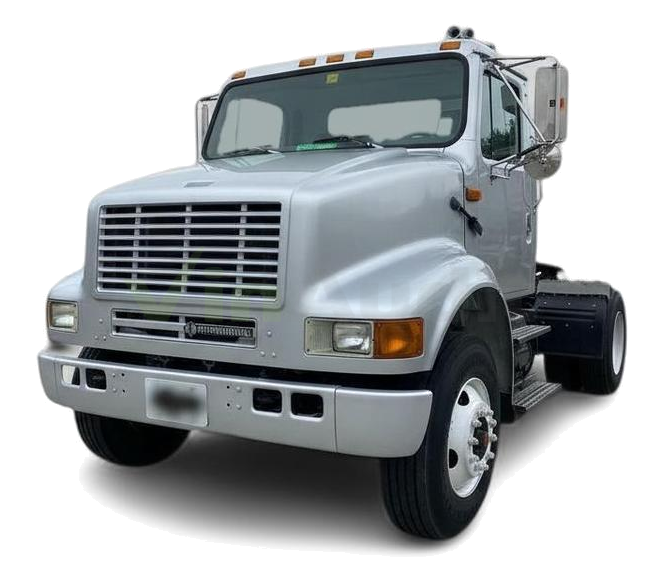
The Good
The 2000 International 8100 boasts exceptional performance for demanding tasks, legendary reliability built for the long haul, and a surprisingly comfortable cab for its class. Its robust design offers immense value and durability, appealing to both the practical need for a workhorse and the emotional satisfaction of owning a dependable, powerful machine.
The Bad
Potential buyers of the 2000 International 8100 should watch out for typical wear and tear on older heavy-duty components, particularly the transmission and engine if maintenance has been neglected. Electrical system issues and rust on the chassis are also common concerns for trucks of this age and intended use.
2000 International 8100: Quick Overview
- Engine Options: The 2000 International 8100 was typically equipped with powerful Cummins diesel engines. Common options included the Cummins ISB and ISC series. These are known for their durability and torque.
- Horsepower: Horsepower ratings varied depending on the specific engine and configuration, but generally ranged from approximately 170 horsepower to over 300 horsepower for the larger displacements.
- Fuel Economy: Fuel economy for heavy-duty trucks like the 8100 is significantly different from passenger vehicles and is often measured in miles per gallon (MPG) under load. Expect figures in the range of 6-10 MPG, highly dependent on application, load, and driving conditions.
- 0-60 Times: 0-60 mph times are not a standard metric for commercial vehicles and are rarely tested. Performance is prioritized in terms of acceleration under load and sustained power, not quick sprints.
- Towing Capacity: The towing capacity of the 2000 International 8100 is substantial, designed for heavy-duty work. Depending on the chassis configuration, axle ratios, and specific build, it could handle Gross Vehicle Weight Ratings (GVWR) and Gross Combined Weight Ratings (GCWR) in the tens of thousands of pounds, suitable for towing large trailers and heavy equipment.
- Trim-Level Features: As a commercial truck, the 8100 didn't have traditional consumer trim levels. Features were dictated by the vocational application. Standard features would include a basic, functional interior focused on driver ergonomics and visibility. Optional features could range from air brakes, power steering, air conditioning (though not always standard), various seating configurations, and specialized body equipment like hydraulic systems for dump beds or cranes. The focus was on utility and durability.
2000 International 8100 Specifications
Vehicle Information
| Year | 2000 |
| Make | International |
| Model | 8100 |
| Trim | - |
| Style | - |
| Type | Commercial Vehicle |
| Category | Heavy Truck |
Manufacturing Details
| Made In | United States |
| Manufacturing City | SPRINGFIELD |
Dimensions
| Doors | - |
| Curb Weight | - |
| Gross Vehicle Weight Rating | 55000 pounds |
| Overall Height | - |
| Overall Length | - |
| Overall Width | - |
| Wheelbase Length | - |
| Standard Seating | - |
Engine & Performance
| Engine | 10.8L I6 |
| Engine Size | 10.8L |
| Engine Cylinders | 6 |
| Transmission | - |
| Transmission Type | - |
| Transmission Speeds | - |
| Drivetrain | 6x4 |
Additional Features
| Anti-Brake System | - |
| Steering Type | - |
Pricing
| Manufacturer Suggested Retail Price (MSRP) | - |
| Invoice Price | - |
| Delivery Charges | - |
Vehicle History Report
Specifications
History
Events
History Check
Check
Check
Check
Check
Listings
Recalls
Check
Analysis
What Problems Does the 2000 International 8100 Have?
Engine Issues: While Cummins engines are renowned for their durability, issues can surface with age. Injector problems, turbocharger wear, and the need for regular maintenance like oil changes and filter replacements are crucial. Some owners have reported EGR (Exhaust Gas Recirculation) system issues on certain diesel engines, which can affect performance and emissions.
Transmission and Drivetrain: The transmissions, whether manual or automatic, can experience wear over time, especially under heavy loads. Clutch wear (on manual transmissions), seal leaks, and differential issues are not uncommon. Regular fluid changes are vital for longevity.
Braking System: Air brake systems, common on these trucks, require regular inspection and maintenance of air lines, chambers, and valves to ensure proper function and safety. Leaks can lead to reduced braking performance.
Electrical System: Older trucks can sometimes develop electrical gremlins. This might include issues with wiring harnesses, sensors, or dashboard components failing due to age and vibration. Fuses, relays, and battery connections should be checked.
Rust and Corrosion: Depending on the climate the truck has operated in, rust can be a significant concern, particularly on the frame rails, body panels, and wheel wells. Early detection and treatment are important for maintaining structural integrity.
Recalls: Specific recalls for a 2000 International 8100 would be model-specific and tied to its vocational application. It's always recommended to check with Navistar (the manufacturer) or a dealer using the VIN for any outstanding recalls. Generally, for this era, recalls might have pertained to braking system components, electrical wiring, or emissions-related parts.
Long-Term Reliability: The long-term reliability of an International 8100 is highly dependent on its service history. A truck that has been regularly serviced by qualified technicians, with all recommended maintenance performed, will far outperform one that has been neglected. These trucks are built for heavy use, and with proper care, they can continue to serve for hundreds of thousands of miles.
How long will the 2000 International 8100 last?
What Technology & Safety Features are Included?
Built-in Tech & Entertainment: Standard equipment would likely include a basic AM/FM radio and perhaps a cassette or CD player, depending on the original configuration. The dashboard would be designed for essential information display: speedometer, tachometer, fuel gauge, oil pressure, coolant temperature, and warning lights for brakes, engine, and other critical systems. Climate control would typically be manual, with straightforward fan and temperature settings. Advanced infotainment systems, touchscreens, or integrated navigation were not standard and would be rare, even as aftermarket additions.
Driver-Assistance Features: Driver-assistance features as we understand them today were largely absent in 2000 commercial trucks. Cruise control might have been an option, but features like lane departure warning, adaptive cruise control, or blind-spot monitoring were non-existent. The primary focus was on providing the driver with clear visibility and responsive controls.
Safety Features: Safety in the 8100 is built around its robust construction and essential safety systems. Standard safety features would include:
- Heavy-Duty Frame and Body Construction: Designed to withstand significant loads and impacts.
- Air Brakes: Powerful and reliable braking systems are standard for heavy vehicles, offering superior stopping power compared to hydraulic brakes.
- Seat Belts: Mandatory for all occupants.
- Mirrors: Multiple large mirrors for excellent all-around visibility.
- Headlights and Taillights: Essential for visibility and signaling.
Optional safety features could have included things like auxiliary lighting for specific work environments or enhanced suspension systems for stability.
Crash-Test Ratings: Commercial trucks like the 2000 International 8100 are not typically subjected to consumer-focused crash-test ratings (like those from NHTSA or IIHS for passenger cars and light trucks). Their safety is evaluated based on industry standards for commercial vehicle construction, braking performance, and stability under load. The inherent size and mass of these vehicles provide a significant degree of passive safety, but active safety systems are minimal by modern standards.
What Colors Options are Available?
2000 International 8100 Prices and Market Value
In the current used market, prices for a 2000 International 8100 are significantly lower, generally ranging from $5,000 to $30,000. This vast difference is due to depreciation inherent in all vehicles, compounded by the fact that commercial trucks operate under heavy use and have shorter usable lifespans compared to consumer vehicles. Factors heavily affecting resale value include the overall condition of the truck, mileage, maintenance history, engine and transmission health, the presence of rust, and the specific vocational application it was used for. Trucks with well-documented maintenance records and those used in less demanding roles tend to hold their value better.
2000 International 8100 Cost of Ownership
2000 International 8100 Fuel Efficiency
2000 International 8100 Recalls & Defects
Exterior Lighting:back UP Lights
2000 International 8100 Warranty
Basic
Powertrain
Rust
2000 International 8100 Insurance
reasonable repair costs.
How Does the 2000 International 8100 Compare to Other Commercial Vehicle?
Performance: In terms of raw power and torque for vocational tasks, the 8100, often equipped with robust Cummins engines, generally matched or exceeded the performance of many rivals. Its ability to be configured for specific applications was a strong suit. Competitors like Kenworth and Peterbilt were often lauded for their superior hauling power and engine options, particularly for long-haul trucking, but for vocational applications, the International held its own.
Features: Features across these heavy-duty trucks in 2000 were basic and utilitarian. The International 8100 offered a functional cab focused on driver comfort and ease of operation for its intended purpose. Competitors like Freightliner sometimes offered slightly more ergonomic designs or more available options for long-haul comfort. However, advanced tech was minimal across the board.
Reliability: International, particularly with Cummins powertrains, built a reputation for solid reliability. However, Kenworth and Peterbilt often edged out competitors in perceived long-term durability and build quality, especially in the most demanding environments. Mack trucks were also known for their ruggedness. Reliability is heavily dependent on specific engine and transmission choices and maintenance history for all brands.
Price: When new, pricing was competitive within the segment, with International often positioning itself as a strong value proposition. Competitors like Peterbilt and Kenworth could command a premium. On the used market, prices are dictated by condition, but a well-maintained International 8100 can offer a strong value for its capabilities.
Recommendations:
- Similar Alternatives: If looking for a similar vocational truck, consider Freightliner FL series, Mack MR/RD, or older Sterling models.
- Potentially Better Alternatives: For specialized applications where extreme durability and brand prestige are paramount, a used Kenworth T800 or Peterbilt 378 from the same era might be considered, though they often come with a higher price tag. These are particularly favored for their robust construction and aftermarket support.
Final Verdict: Is the 2000 International 8100 a Good Commercial Vehicle?

Drew B
Drew is a seasoned automotive expert and contributor to VinCheck.info. With nearly 15 years of experience as a former Porsche technician, he brings a wealth of hands-on knowledge to his writing. Born in North Carolina, a region renowned for its deep-rooted NASCAR culture, Drew developed a passion for cars early in life, often building and working on vehicles from a young age. At VINCheck, Drew leverages his extensive technical background to provide in-depth analyses of various vehicles. His articles often focus on engine performance, reliability, and maintenance insights, offering readers practical information grounded in real-world experience. Some of his notable contributions include reviews on the Mazda CX-5's longevity and detailed examinations of engine options for models like the 2011 Toyota Camry and Tacoma