The 1983 Porsche 928, a front-engine, rear-wheel-drive grand tourer, was produced from 1978 to 1995. It boasts a distinctive 2+2 hatchback coupe body style. Key trims included the base 928, S, and S2. Originally, prices ranged from around $40,000 to $60,000 depending on trim and options. Its enduring popularity stems from its unique blend of supercar performance and everyday usability, setting it apart from contemporary Porsches and making it a futuristic icon.


The Good
The 1983 Porsche 928 offers potent V8 performance, surprisingly comfortable long-distance cruising, and a timeless, aerodynamic design. Its rear transaxle provides excellent weight distribution, appealing to driving enthusiasts, while its hatchback practicality and robust engineering offer practical advantages for everyday use.
The Bad
Potential buyers of a 1983 Porsche 928 should watch out for aging electrical systems, particularly wiring harness issues and the complex climate control. Transmission problems, rust in common Porsche areas, and wear on suspension components are also frequent concerns. Specialized knowledge and parts can be costly.
1983 Porsche 928: Quick Overview
- Engine Options: The 1983 Porsche 928 primarily featured a 4.7-liter V8 engine.
- Horsepower: For 1983, the standard 928 produced approximately 228 horsepower, while the 928 S model offered around 288 horsepower with a larger displacement or higher compression.
- Fuel Economy: Given its V8 engine and performance focus, fuel economy was not a strong suit. Expect figures in the range of 13-16 MPG combined, with highway cruising being more efficient.
- 0-60 Times: Acceleration varied by transmission and trim, but generally, the 1983 928 could achieve 0-60 MPH in the mid-to-high 7-second range for manual transmissions and the low 8-second range for automatics. The 928 S was quicker, often dipping below 7 seconds.
- Towing Capacity: The Porsche 928 was not designed or marketed for towing. Therefore, official towing capacity figures are not applicable.
- Trim-Level Features (Base 928 & 928 S):
Both trims offered a luxurious and advanced interior for its time. Key features included:- Power-adjustable seats
- Automatic climate control
- Power windows and mirrors
- Leather upholstery
- Premium sound system (optional)
- Four-wheel disc brakes
- Independent suspension
- Rear-wheel steering (on some later models, but not standard for 1983)
- Hatchback body style for versatile cargo space
- Pop-up headlights
- The 928 S trim typically included sportier suspension tuning, larger wheels, and potentially a more potent engine variant.
1983 Porsche 928 Specifications
Vehicle Information
| Year | 1983 |
| Make | Porsche |
| Model | 928 |
| Trim | - |
| Style | - |
| Type | Coupe |
| Category | Compact Car |
Manufacturing Details
| Made In | Germany |
| Manufacturing City | - |
Dimensions
| Doors | - |
| Curb Weight | - |
| Gross Vehicle Weight Rating | - |
| Overall Height | - |
| Overall Length | - |
| Overall Width | - |
| Wheelbase Length | - |
| Standard Seating | - |
Engine & Performance
| Engine | 4.5L V8 |
| Engine Size | 4.5L |
| Engine Cylinders | 8 |
| Transmission | - |
| Transmission Type | - |
| Transmission Speeds | - |
| Drivetrain | Rear-Wheel Drive |
Additional Features
| Anti-Brake System | - |
| Steering Type | - |
Pricing
| Manufacturer Suggested Retail Price (MSRP) | - |
| Invoice Price | - |
| Delivery Charges | - |
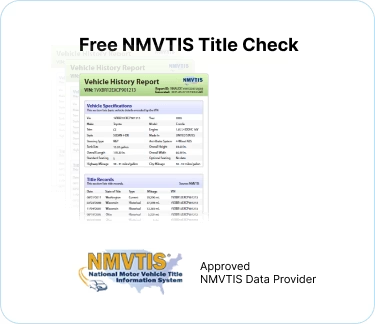
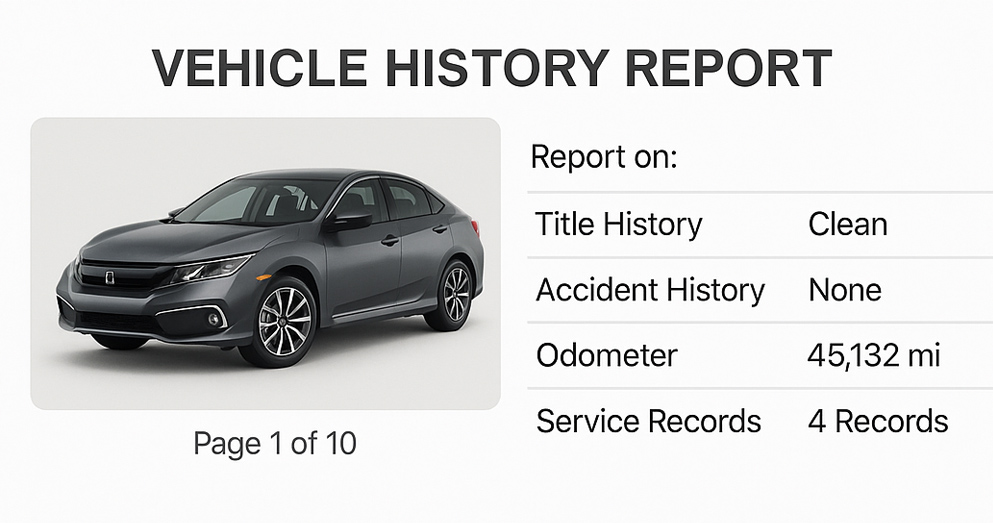
Vehicle History Report
Vehicle
Specifications
Specifications
Ownership
History
History
All History
Events
Events
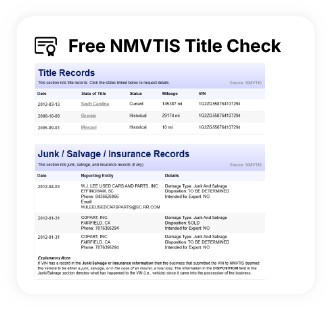
NMVTIS Title
History Check
History Check
Salvage/Rebuilt
Check
Check
Accident
Check
Check
Theft
Check
Check
Open Lien
Check
Check
Past Sale
Listings
Listings
Safety
Recalls
Recalls
Odometer
Check
Check
Market Price
Analysis
Analysis
What Problems Does the 1983 Porsche 928 Have?
The 1983 Porsche 928, like many complex vehicles of its era, can present a range of issues that owners should be aware of. One of the most commonly cited concerns revolves around the electrical system. Aging wiring harnesses, corrosion on connectors, and failing relays can lead to a cascade of problems, from non-functional gauges to intermittent ignition issues. The sophisticated climate control system, often referred to as the "hissing AC", is another frequent culprit for expensive repairs.
Transmission problems, particularly with the automatic transmission, can arise, including slipping gears or leaks. Manual transmissions are generally more robust but clutch wear is a consideration. Cooling system components, such as the radiator, water pump, and hoses, require regular inspection and replacement due to age.
Rust can be a significant issue, especially in the common areas like rocker panels, rear fender arches, and around the windshield and rear window seals. The aluminum body panels can also corrode if not properly maintained. Suspension components, including bushings and ball joints, will eventually need replacement due to wear and tear, affecting handling and ride quality.
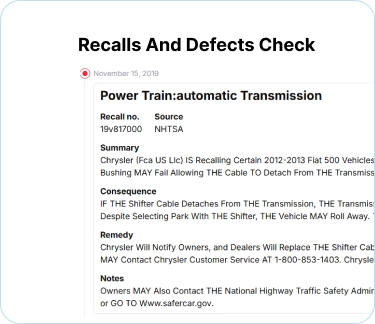
While specific major recalls for the 1983 model year are not widely documented as frequent, it's crucial for any potential buyer to have a thorough pre-purchase inspection by a Porsche specialist. Long-term reliability heavily depends on consistent, meticulous maintenance and prompt attention to minor issues before they escalate into major, costly repairs. Parts availability for certain unique components can also be a challenge, contributing to higher repair costs.
Transmission problems, particularly with the automatic transmission, can arise, including slipping gears or leaks. Manual transmissions are generally more robust but clutch wear is a consideration. Cooling system components, such as the radiator, water pump, and hoses, require regular inspection and replacement due to age.
Rust can be a significant issue, especially in the common areas like rocker panels, rear fender arches, and around the windshield and rear window seals. The aluminum body panels can also corrode if not properly maintained. Suspension components, including bushings and ball joints, will eventually need replacement due to wear and tear, affecting handling and ride quality.
While specific major recalls for the 1983 model year are not widely documented as frequent, it's crucial for any potential buyer to have a thorough pre-purchase inspection by a Porsche specialist. Long-term reliability heavily depends on consistent, meticulous maintenance and prompt attention to minor issues before they escalate into major, costly repairs. Parts availability for certain unique components can also be a challenge, contributing to higher repair costs.
How long will the 1983 Porsche 928 last?
Estimating average mileage for a 1983 Porsche 928 is challenging as it depends heavily on individual use and maintenance. However, well-maintained examples have been known to exceed 200,000 miles, showcasing the underlying robustness of Porsche engineering. The long-term durability is heavily influenced by addressing the known weaknesses proactively. Cars that have been garaged, driven regularly (but not abused), and received consistent preventative maintenance are far more likely to offer years of reliable service. Neglected examples, particularly those suffering from electrical issues or deferred maintenance on the cooling system, can deteriorate quickly and become expensive to restore to good working order.
What Technology & Safety Features are Included?
The 1983 Porsche 928 was at the forefront of automotive technology for its era, offering a luxurious and advanced cabin. Built-in tech included a sophisticated automatic climate control system, which, while prone to issues with age, was a remarkable feature for the time, allowing for precise temperature regulation. The entertainment system typically consisted of an AM/FM radio with a cassette player, often from premium brands like Blaupunkt, and offered optional amplifiers for enhanced sound quality.
Driver-assistance features were minimal by modern standards, but the 928 did incorporate elements that contributed to a better driving experience. The design prioritized excellent visibility, and the rear transaxle contributed to balanced handling. Some later models (though not necessarily standard for '83) began to incorporate elements of passive rear-wheel steering for improved stability.
Safety features included robust four-wheel disc brakes, providing significant stopping power. Seatbelts were standard, and the car's substantial construction offered good occupant protection in a collision. Pop-up headlights, while a styling element, also contributed to aerodynamics and protection when retracted.
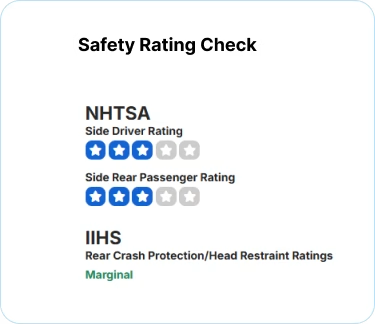
Optional features could further enhance the experience, such as a sunroof, cruise control, and more advanced audio systems. Official crash-test ratings from this era are scarce and not directly comparable to modern NHTSA or IIHS standards. However, the 928 was engineered with a strong chassis and safety cell, reflecting Porsche's commitment to occupant safety within the design constraints of the early 1980s. The focus was on active safety through superior handling and braking, complemented by passive safety measures inherent in its robust construction.
Driver-assistance features were minimal by modern standards, but the 928 did incorporate elements that contributed to a better driving experience. The design prioritized excellent visibility, and the rear transaxle contributed to balanced handling. Some later models (though not necessarily standard for '83) began to incorporate elements of passive rear-wheel steering for improved stability.
Safety features included robust four-wheel disc brakes, providing significant stopping power. Seatbelts were standard, and the car's substantial construction offered good occupant protection in a collision. Pop-up headlights, while a styling element, also contributed to aerodynamics and protection when retracted.
Optional features could further enhance the experience, such as a sunroof, cruise control, and more advanced audio systems. Official crash-test ratings from this era are scarce and not directly comparable to modern NHTSA or IIHS standards. However, the 928 was engineered with a strong chassis and safety cell, reflecting Porsche's commitment to occupant safety within the design constraints of the early 1980s. The focus was on active safety through superior handling and braking, complemented by passive safety measures inherent in its robust construction.
What Colors Options are Available?
1983 Porsche 928 Prices and Market Value
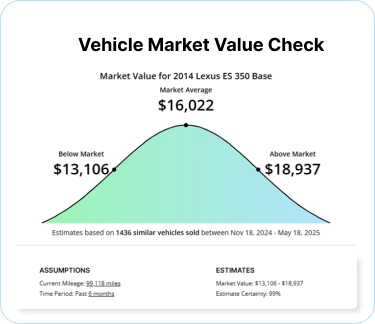
When new in 1983, the Porsche 928 had a starting price typically in the range of $40,000 to $60,000, depending on the specific trim (base 928 or S) and optional equipment. As with most luxury and performance cars, the 928 experienced significant depreciation in its early years. However, its status as a unique and iconic Porsche has led to a stabilization and even appreciation in the current used market.
Today, 1983 Porsche 928 models can range from around $15,000 to $40,000+, with pristine, low-mileage examples, especially the S variants, commanding higher prices. Factors affecting resale value include overall condition, originality, maintenance history, mileage, and the desirability of specific options or engine configurations. A well-documented service history is paramount for retaining value.
1983 Porsche 928 Cost of Ownership
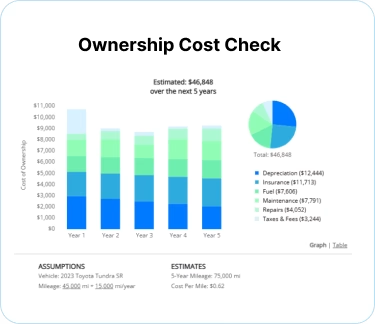
Owning a 1983 Porsche 928 is generally considered a costly endeavor, not an economical one. Insurance premiums can be higher due to its classic sports car status and potential repair costs. Fuel consumption, with its V8 engine, is substantial, typically in the 13-16 MPG range. Maintenance and repairs are where costs significantly escalate. Specialized Porsche mechanics are often required, and parts, especially for aging electrical systems or unique components, can be expensive. Regular preventative maintenance is crucial to avoid catastrophic failures, but even routine servicing can be pricier than for a common sedan.
1983 Porsche 928 Fuel Efficiency
Fuel Type
Gasoline
Fuel Capacity
-
City Mileage
-
Highway Mileage
-
1983 Porsche 928 Insurance
Insurance for a 1983 Porsche 928 is moderately priced, reflecting its status as a Coupe with strong safety ratings and
reasonable repair costs.
How Does the 1983 Porsche 928 Compare to Other Coupe?
The 1983 Porsche 928 occupied a unique niche, often rivaling cars like the Chevrolet Corvette, Jaguar XJ-S, and higher-end BMW 6 Series models of the era.
Performance: The 928's V8 engine offered strong acceleration and a balanced driving experience thanks to its transaxle design. The Corvette offered comparable or even superior straight-line performance, often at a lower price point, but with a more utilitarian interior. The Jaguar XJ-S provided a more luxurious and grand touring feel, but its performance and reliability were sometimes inconsistent. The BMW 6 Series offered a blend of performance and luxury, often with more refined handling characteristics but typically with inline-six engines that, while potent, lacked the V8's torque.
Features: The 928 was technologically advanced for its time, boasting features like automatic climate control and a comfortable 2+2 seating arrangement with a hatchback. Rivals like the BMW 6 Series also offered upscale interiors and advanced features. The Corvette, while improving, often lagged in interior refinement and high-tech amenities compared to the European offerings. The Jaguar focused heavily on luxury.
Reliability: This is where the 928 often faced challenges compared to some rivals. While its core mechanicals were robust, its complex electrical systems and unique engineering meant that maintenance and repairs could be more involved and expensive than for the more mass-produced Corvette or even some BMW models. The Jaguar XJ-S had its own well-documented reliability quirks.
Price: The 928 was generally positioned as a premium European GT, typically priced higher than a comparable Corvette. It often competed more directly with the higher trims of the BMW 6 Series and the XJ-S in terms of initial cost.
Alternatives: For those seeking raw performance and a more accessible entry price, the Chevrolet Corvette C3 (later C4) is a strong alternative. For a more luxurious grand tourer with potentially easier maintenance, a well-maintained BMW 6 Series (E24) could be considered. If absolute reliability and modern features are paramount and the budget allows, newer sports GTs would be a different category altogether. The 928 remains a distinct choice for its unique blend of performance, design, and Porsche heritage.
Performance: The 928's V8 engine offered strong acceleration and a balanced driving experience thanks to its transaxle design. The Corvette offered comparable or even superior straight-line performance, often at a lower price point, but with a more utilitarian interior. The Jaguar XJ-S provided a more luxurious and grand touring feel, but its performance and reliability were sometimes inconsistent. The BMW 6 Series offered a blend of performance and luxury, often with more refined handling characteristics but typically with inline-six engines that, while potent, lacked the V8's torque.
Features: The 928 was technologically advanced for its time, boasting features like automatic climate control and a comfortable 2+2 seating arrangement with a hatchback. Rivals like the BMW 6 Series also offered upscale interiors and advanced features. The Corvette, while improving, often lagged in interior refinement and high-tech amenities compared to the European offerings. The Jaguar focused heavily on luxury.
Reliability: This is where the 928 often faced challenges compared to some rivals. While its core mechanicals were robust, its complex electrical systems and unique engineering meant that maintenance and repairs could be more involved and expensive than for the more mass-produced Corvette or even some BMW models. The Jaguar XJ-S had its own well-documented reliability quirks.
Price: The 928 was generally positioned as a premium European GT, typically priced higher than a comparable Corvette. It often competed more directly with the higher trims of the BMW 6 Series and the XJ-S in terms of initial cost.
Alternatives: For those seeking raw performance and a more accessible entry price, the Chevrolet Corvette C3 (later C4) is a strong alternative. For a more luxurious grand tourer with potentially easier maintenance, a well-maintained BMW 6 Series (E24) could be considered. If absolute reliability and modern features are paramount and the budget allows, newer sports GTs would be a different category altogether. The 928 remains a distinct choice for its unique blend of performance, design, and Porsche heritage.
Final Verdict: Is the 1983 Porsche 928 a Good Coupe?
The 1983 Porsche 928 is ideal for the discerning enthusiast who appreciates unique design, potent V8 performance, and the heritage of the Porsche marque, but is willing to accept higher ownership costs. It's not a car for the budget-conscious or those seeking trouble-free, low-maintenance motoring.
It is worth buying for those who can afford it, especially if they prioritize a classic GT experience with a distinctive front-engine Porsche. A purchase should be contingent on a thorough pre-purchase inspection by a Porsche specialist, ideally focusing on the electrical system, cooling, and transmission. Used examples are the only option. Specific trims like the 928 S offer enhanced performance and are generally more desirable, commanding higher prices. Buying a well-maintained, documented example is crucial for long-term satisfaction and to mitigate unexpected repair bills.