by VIN, Year, Make, Model by License Plate

2017 Suzuki Hayabusa Overview, Reviews, Ratings & Specs

Rating: 0.00
Based on 0 Owner Reviews
Eugene S | January 12, 2026
The 2017 Suzuki Hayabusa, or GSX1300R, is a legendary hyperbike that debuted in 1999, forever changing the motorcycle landscape. Known for its iconic, aerodynamic, and polarizing design, it falls into the sportbike category. The 2017 model is part of the second generation, produced from 2008 to 2021. There are no distinct trims for the Hayabusa, with pricing for a used 2017 model typically ranging from $9,000 to $12,000. Its enduring popularity stems from its incredible straight-line speed, powerful engine, and unmistakable presence.
The Good

The 2017 Hayabusa boasts exhilarating performance and a robust, reliable engine. Its surprisingly comfortable riding position for a sportbike, combined with its distinctive, awe-inspiring design, appeals to both thrill-seekers and those who appreciate engineering prowess and long-term value.

The Bad

The 2017 Hayabusa's main drawbacks include its dated electronics and suspension compared to newer rivals. Its significant weight can be a factor in tight maneuvers, and its aggressive styling isn't universally loved. Fuel efficiency is also not a strong suit.

2017 Suzuki Hayabusa: Quick Overview

  • Engine: 1340cc liquid-cooled, DOHC, 16-valve, inline-four
  • Horsepower: Approximately 197 hp @ 6,750 rpm (rear wheel)
  • Torque: Approximately 155 Nm (114 lb-ft) @ 5,200 rpm (rear wheel)
  • Fuel Economy: Estimated around 30-35 mpg (city/highway combined), though this varies significantly with riding style.
  • 0-60 mph: Typically in the 2.5-3.0 second range, depending on conditions and rider.
  • Top Speed: Electronically limited to 186 mph (300 km/h) in most markets, though it's capable of much higher speeds.
  • Towing Capacity: Not applicable; the Hayabusa is a solo sportbike.
  • Transmission: 6-speed manual
  • Clutch: Slipper clutch
  • Frame: Twin-spar aluminum alloy
  • Suspension (Front): Inverted telescopic, coil spring, oil damped, adjustable preload, compression, and rebound
  • Suspension (Rear): Link type, coil spring, oil damped, adjustable preload, compression, and rebound
  • Brakes (Front): Dual hydraulic disc, Brembo calipers
  • Brakes (Rear): Single hydraulic disc
  • Tires (Front): 120/70ZR17 M/C (58W)
  • Tires (Rear): 190/50ZR17 M/C (73W)
  • Dimensions (L x W x H): 86.6 x 28.7 x 47.8 inches
  • Wheelbase: 58.3 inches
  • Seat Height: 31.5 inches
  • Weight: Approximately 584 lbs (wet)
  • Fuel Capacity: 4.7 gallons
  • Key Features (2017 Model): While there are no distinct trims, the 2017 model typically comes with standard features like fuel injection, a sophisticated engine management system, and aerodynamic bodywork. It features a 3-mode Suzuki Drive Mode Selector (SDMS) allowing riders to adjust engine output characteristics. It also features dual front disc brakes and a single rear disc brake, equipped with ABS as standard in many markets. The instrumentation includes analog tachometer and speedometer, with a multi-function LCD display for trip meters, gear position, fuel level, and SDMS settings.

2017 Suzuki Hayabusa Specifications

Vehicle Information
Year 2017
Make Suzuki
Model Hayabusa
Trim -
Style -
Type Motorcycle
Category Motorcycle
Manufacturing Details
Made In Japan
Manufacturing City TOYOKAWA
Dimensions
Doors -
Curb Weight -
Gross Vehicle Weight Rating -
Overall Height -
Overall Length -
Overall Width -
Wheelbase Length -
Standard Seating -
Engine & Performance
Engine 1340CC
Engine Size 1340L
Engine Cylinders 4
Transmission Manual
Transmission Type Manual
Transmission Speeds -
Drivetrain Rear-Wheel Drive
Additional Features
Anti-Brake System Standard
Steering Type -
Pricing
Manufacturer Suggested Retail Price (MSRP) -
Invoice Price -
Delivery Charges -

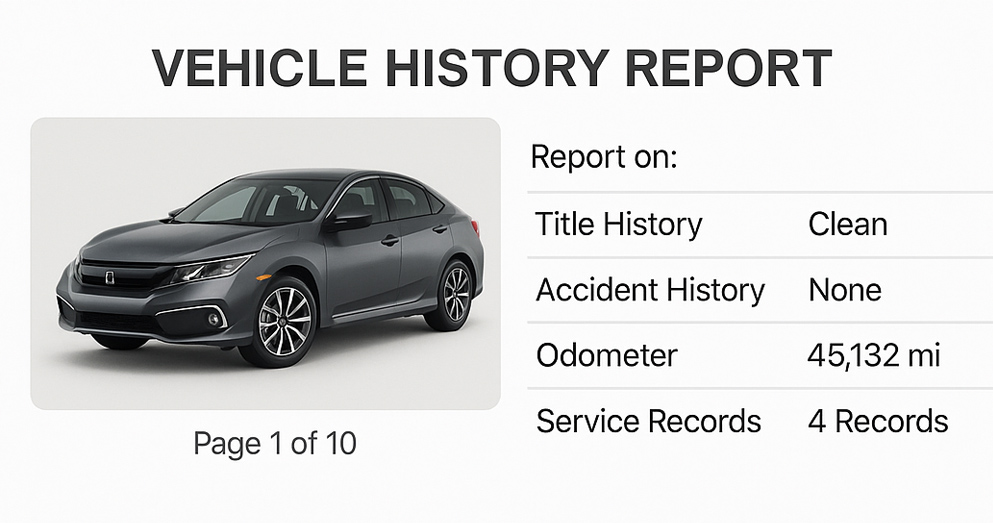
Vehicle History Report

Vehicle
Specifications
Ownership
History
All History
Events
NMVTIS Title
History Check
Salvage/Rebuilt
Check
Accident
Check
Theft
Check
Open Lien
Check
Past Sale
Listings
Safety
Recalls
Odometer
Check
Market Price
Analysis

What Problems Does the 2017 Suzuki Hayabusa Have?

The 2017 Suzuki Hayabusa, being part of the second-generation (2008-2021) platform, is generally regarded as exceptionally reliable, a hallmark of Suzuki engineering. Most frequently reported issues are minor and often related to regular wear and tear rather than inherent design flaws.

One area some owners have noted is the stock suspension, which, while competent, can feel a bit soft or undersprung for aggressive riding or heavier riders. This is more of a tuning preference than a problem, and aftermarket solutions are readily available.

Regarding electronics, the Hayabusa from this era has a relatively simple electronic suite compared to modern motorcycles. This simplicity contributes to its reliability, as there are fewer complex systems to fail. However, some riders might desire more advanced rider aids found on newer competitors.

Some owners have reported issues with the fuel pump, particularly on higher-mileage bikes, but this is not widespread. Clutch wear is also a possibility on any high-performance motorcycle, especially if subjected to frequent hard acceleration or aggressive riding. Regular maintenance, including proper clutch adjustment and fluid changes, is crucial.

In terms of recalls, specific to the 2017 model year, it's always advisable to check the National Highway Traffic Safety Administration (NHTSA) website or Suzuki's official recall database for any issued campaigns. However, the second-generation Hayabusa has not been plagued by major, recurring recalls.

Long-term reliability is a strong suit for the Hayabusa. Owners who adhere to the recommended maintenance schedule can expect these bikes to last for well over 100,000 miles. The engine is famously over-engineered, designed to handle significant power and stress. Weaknesses over time are generally related to aging components like seals, hoses, or electrical connectors, common to any vehicle of its age, rather than fundamental mechanical failures. The robust construction and the proven inline-four engine mean that with diligent care, a 2017 Hayabusa can remain a dependable performer for many years.

How long will the 2017 Suzuki Hayabusa last?

Based on owner data and the robust nature of the Hayabusa's engine and chassis, a 2017 Suzuki Hayabusa can realistically achieve an average of 100,000 to 150,000 miles or more with consistent and proper maintenance. Many owners report their Hayabusas exceeding 200,000 miles. The long-term durability is exceptional, largely due to its over-engineered 1340cc inline-four engine, which is built to withstand extreme performance demands.

Weaknesses that may emerge over time are typical for any high-performance vehicle. These can include eventual wear on the clutch, suspension components needing rebuilds or replacement, and potential aging of rubber hoses and seals. However, these are generally wear-and-tear items and not indicative of a fundamental flaw. The electrical system is relatively simple and has proven reliable. With regular oil changes, chain maintenance, and valve adjustments as per Suzuki's schedule, the 2017 Hayabusa is designed for a very long service life, making it a durable machine.

What Technology & Safety Features are Included?

The 2017 Suzuki Hayabusa, while a performance powerhouse, features a relatively modest suite of built-in technology and safety features when compared to contemporary motorcycles, reflecting its design philosophy focused on raw performance.

Technology: The instrument cluster is a blend of analog and digital. It includes a large analog tachometer and speedometer, complemented by an LCD display. This digital readout provides essential information such as gear position, dual trip meters, fuel level, coolant temperature, clock, and settings for the Suzuki Drive Mode Selector (SDMS). The SDMS is a key technological feature, allowing the rider to select from three different engine power maps, tailoring the throttle response and power delivery to suit conditions or personal preference. This system enhances control without resorting to complex electronic interventions.

Entertainment: There is no integrated entertainment system such as a radio or Bluetooth connectivity on the 2017 Hayabusa. This is typical for high-performance sportbikes where the focus is on the riding experience.

Driver-Assistance Features: The primary driver-assistance feature is the aforementioned Suzuki Drive Mode Selector (SDMS), which, as noted, alters engine characteristics. Anti-lock Braking System (ABS) is generally standard on the 2017 model in most markets, providing an essential layer of safety by preventing wheel lock-up under hard braking. There are no other advanced rider aids like traction control (which was introduced in later generations), wheelie control, or cornering ABS.

Safety Features: Beyond standard ABS, the Hayabusa relies on its potent dual front disc brakes and capable chassis for stopping power and stability. The aerodynamic fairing contributes to stability at high speeds, and the overall build quality is robust.

Optional Features: While not built-in, owners often opt for accessories such as upgraded exhaust systems, aftermarket suspension components, cosmetic enhancements, and touring accessories like luggage systems or tank bags for longer journeys.

Crash-Test Ratings: Motorcycles are not subjected to standardized crash-test ratings in the same way as cars. However, the Hayabusa's construction is designed for high-speed stability and rider protection through its aerodynamic fairings and solid frame.

What Colors Options are Available?

We’re working on this section!
In the meantime, feel free to explore the other sections for more content.

2017 Suzuki Hayabusa Prices and Market Value

When new, the 2017 Suzuki Hayabusa typically had an MSRP in the range of $14,699 to $15,000 USD. Today, the used market for a 2017 Hayabusa shows a significant depreciation from its original price, with average prices generally falling between $9,000 and $12,000. This range can fluctuate based on mileage, condition, any aftermarket modifications, and geographical location.

The Hayabusa has a reputation for holding its value relatively well compared to many other sportbikes, primarily due to its iconic status and continued demand for its performance. Factors that positively affect its resale value include low mileage, excellent maintenance history, original paint and parts, and desirable color schemes. Conversely, bikes with extensive modifications, high mileage, or signs of neglect will fetch lower prices. The iconic nature of the Hayabusa ensures it remains a sought-after machine even years after its production, contributing to its steady used market value.

2017 Suzuki Hayabusa Cost of Ownership

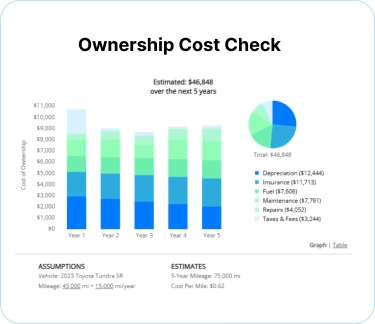
Owning a 2017 Suzuki Hayabusa is generally considered moderately costly, not economical, especially when considering performance aspects. Insurance premiums can be higher due to its high performance and potential for risky riding, often requiring a special motorcycle insurance policy. Fuel costs will be substantial, averaging around 30-35 mpg and requiring premium unleaded fuel. Maintenance costs are comparable to other high-performance sportbikes, with routine services like oil changes, tire replacements, and chain maintenance being standard. Repairs, especially for specialized components or engine work, can be expensive. Long-term ownership costs are influenced by riding style; aggressive use leads to faster wear on tires, brakes, and drivetrain components. While not cheap to own, its durability means major repair bills can be infrequent if maintained properly.

2017 Suzuki Hayabusa Fuel Efficiency

Fuel Type -
Fuel Capacity -
City Mileage -
Highway Mileage -

2017 Suzuki Hayabusa Warranty

Basic
Original warranty 0 months / No data
Estimated remaining Expired
Powertrain
Original warranty 0 months / No data
Estimated remaining Expired
Rust
Original warranty 0 months / No data
Estimated remaining Expired

2017 Suzuki Hayabusa Insurance

Insurance for a 2017 Suzuki Hayabusa is moderately priced, reflecting its status as a Motorcycle with strong safety ratings and
reasonable repair costs.

How Does the 2017 Suzuki Hayabusa Compare to Other Motorcycle?

The 2017 Suzuki Hayabusa occupies a unique niche, often considered in a class of its own due to its extreme performance. However, comparing it to other top-tier sportbikes and hyperbikes of its era reveals its strengths and weaknesses.

Performance: In terms of outright acceleration and top speed, the Hayabusa was king for a long time and the 2017 model still holds its own, with its massive 1340cc engine delivering brutal power. Rivals like the Kawasaki Ninja ZX-14R (which shares the hyperbike category) offer comparable, albeit slightly less extreme, acceleration. Other high-performance sportbikes like the Yamaha YZF-R1 or BMW S1000RR, while incredibly fast and nimble, focus more on track agility and a wider powerband rather than the Hayabusa's signature top-end rush.

Features: The 2017 Hayabusa is relatively spartan in terms of rider aids compared to some rivals. While it has ABS and the SDMS, it lacks the sophisticated electronic suites found on European bikes like the BMW S1000RR (which offers multiple riding modes, lean-sensitive ABS, and traction control). The Kawasaki ZX-14R offers a similar level of electronic intervention. The Yamaha R1, in its later iterations, brought advanced electronics to the forefront.

Reliability: Suzuki has a strong reputation for building reliable engines, and the Hayabusa is no exception. It is arguably more robust and less prone to complex electronic issues than some of its more technologically advanced European counterparts. The ZX-14R also benefits from Kawasaki's reliability track record. The Japanese sportbikes generally lead in this aspect.

Price: When new, the Hayabusa was competitively priced against other hyperbikes. On the used market in 2017, it offered exceptional performance for its price point. The ZX-14R would be in a similar price bracket used. Other premium sportbikes like the BMW S1000RR or Yamaha R1 might command higher prices used depending on their specific year and condition.

Alternatives:
  • Kawasaki Ninja ZX-14R: The most direct competitor, offering similar outright performance and a more refined, albeit less iconic, package. If you want similar speed with slightly more modern ergonomics, this is a great alternative.
  • BMW S1000RR: If track performance, advanced electronics, and sharper handling are priorities, the S1000RR is a superior choice, though it sacrifices some of the Hayabusa's unique brute force.
  • Yamaha YZF-R1: A more track-focused sportbike with excellent handling and a potent crossplane crank engine. It's less about top speed and more about cornering prowess.

  • Earlier Generation Hayabusa (e.g., 1999-2007): If budget is a major concern and you still want the Hayabusa experience, older generations offer incredible value, though with less power and older technology.

Ultimately, the 2017 Hayabusa remains a compelling choice for those who prioritize raw, unapologetic speed and an iconic motorcycle experience over cutting-edge electronics. For a more modern electronic suite and track-focused handling, alternatives like the S1000RR or R1 are worth considering.

Final Verdict: Is the 2017 Suzuki Hayabusa a Good Motorcycle?

The 2017 Suzuki Hayabusa is ideal for experienced riders who crave immense straight-line speed, appreciate an iconic motorcycle legacy, and don't prioritize the latest electronic rider aids. It's for those who understand and respect its power and are looking for a comfortable sportbike for longer journeys or exhilarating blasts.

It is absolutely worth buying, especially on the used market. Buying used is highly recommended, as finding a new 2017 model is nearly impossible, and the used price offers excellent value for the performance delivered. There are no specific trims to worry about, making any well-maintained 2017 model a solid choice.

For riders seeking a bike that offers unparalleled acceleration, a commanding presence, and legendary reliability, the 2017 Hayabusa is a fantastic investment. If cutting-edge electronics or razor-sharp track-day handling are paramount, other sportbikes might be a better fit. However, for pure, unadulterated speed and a unique riding experience, the Hayabusa remains a champion.

2017 Suzuki Hayabusa Owner Reviews

0.00
Consumer Rating, Based on 0 Consumer Reviews
Overall rating
Cancel
Thank You for Your Review!

We truly appreciate the time and effort you took to share your experience with us.

Uh oh!

Something went wrong, please try again later.

Author Image
Eugene S

Eugene is an automotive enthusiast with over 15 years of experience in the used car market. As a writer at VINCheck.info, he brings deep industry insight and a passion for cars, helping readers make smart, informed decisions. Eugene has written hundreds of used car reviews and is known for breaking down complex automotive topics into clear, actionable advice. Over the years, he has driven and worked on a wide range of vehicles—starting with tuning street cars in his early days and eventually focusing on performance upgrades and reliability improvements. Today, he specializes in evaluating used vehicles through the lens of real-world ownership and enthusiast needs. A longtime fan of Porsche, Eugene especially appreciates vehicles that blend durability with driving enjoyment.