by VIN, Year, Make, Model by License Plate

2014 Freightliner Cascadia 132 Overview, Reviews, Ratings & Specs

Rating: 0.00
Based on 0 Owner Reviews
Drew B | January 14, 2026
The 2014 Freightliner Cascadia 132 is a Class 8 semi-trailer truck, part of Freightliner's highly successful Cascadia lineup, which debuted in 2007 and has been a consistent best-seller. This model year is known for its aerodynamic design and driver-centric features. Key trims often revolve around engine and cabin configurations. While specific trim names can vary, common variants include day cabs and various sleeper configurations like the 48-inch and 72-inch raised roof. New pricing could range from $120,000 to $180,000+, depending on customization. Its popularity stems from a blend of fuel efficiency, driver comfort, and robust engineering, making it a favored choice for fleet owners and owner-operators alike.
The Good

The 2014 Cascadia 132 offers impressive fuel efficiency, a comfortable and quiet cabin for long hauls, and a reputation for solid reliability. Its aerodynamic design contributes to cost savings, while its robust performance ensures productivity. This truck is a smart investment, built to last and support drivers' well-being on the road.

The Bad

Potential owners should watch out for issues related to the diesel particulate filter (DPF) system, especially with emissions controls. Some drivers report occasional electrical gremlins and wear on interior components due to heavy use. Transmission shifting can sometimes be less smooth than competitors.

2014 Freightliner Cascadia 132: Quick Overview

  • Engine Options: The 2014 Freightliner Cascadia 132 primarily featured the Detroit DD13 and DD15 engines, with some models potentially offering the Cummins ISX15. These are heavy-duty diesel engines designed for long-haul trucking.
  • Horsepower: Horsepower ratings typically ranged from approximately 400 hp to over 500 hp, depending on the specific engine and configuration chosen. The DD15 could be found in higher horsepower variants.
  • Fuel Economy: Fuel economy is a strong suit for the Cascadia, a key selling point. While exact MPG figures vary significantly based on load, terrain, driving style, and engine, these trucks are optimized for efficiency, often achieving ranges in the 5.5-7.5 MPG territory in ideal conditions for long-haul operations. This is achieved through aerodynamic design and advanced engine technology.
  • 0-60 Times: 0-60 mph times are not a standard metric for Class 8 trucks, as their primary purpose is hauling heavy loads at consistent speeds rather than rapid acceleration. Performance is measured by tractive effort and maintaining highway speeds under load.
  • Towing Capacity: The towing capacity of the 2014 Freightliner Cascadia 132 is substantial, designed to handle large semi-trailers and heavy freight. Gross Combination Weight Ratings (GCWR) can exceed 80,000 lbs, with specific capabilities dictated by the chassis, axle configurations, and powertrain.
  • Trim-Level Features:
    • Day Cab: Designed for shorter routes or shuttle services, featuring a more compact cabin with basic amenities and no sleeping quarters.
    • Sleeper Cabs: Available in various lengths (e.g., 48-inch, 57-inch, 72-inch) and roof heights (raised roof for more standing room). These configurations include sleeping berths, storage compartments, and often enhanced interior comfort features for long-distance drivers.
    • Aerodynamic Enhancements: Standard on most models, including a sloped hood, integrated bumper, and chassis fairings to reduce drag.
    • Driver Comfort: Features such as adjustable steering columns, ergonomic seating, and a quiet cabin environment are prioritized.
    • Technology: Basic digital displays for diagnostics, available infotainment options depending on specific build orders.

2014 Freightliner Cascadia 132 Specifications

Vehicle Information
Year 2014
Make Freightliner
Model Cascadia 132
Trim -
Style -
Type Truck
Category Medium Truck
Manufacturing Details
Made In Mexico
Manufacturing City SALTILLO
Dimensions
Doors -
Curb Weight -
Gross Vehicle Weight Rating -
Overall Height -
Overall Length -
Overall Width -
Wheelbase Length -
Standard Seating -
Engine & Performance
Engine 12.8L I6
Engine Size 12.8L
Engine Cylinders 6
Transmission -
Transmission Type -
Transmission Speeds -
Drivetrain Rear-Wheel Drive
Additional Features
Anti-Brake System -
Steering Type -
Pricing
Manufacturer Suggested Retail Price (MSRP) -
Invoice Price -
Delivery Charges -

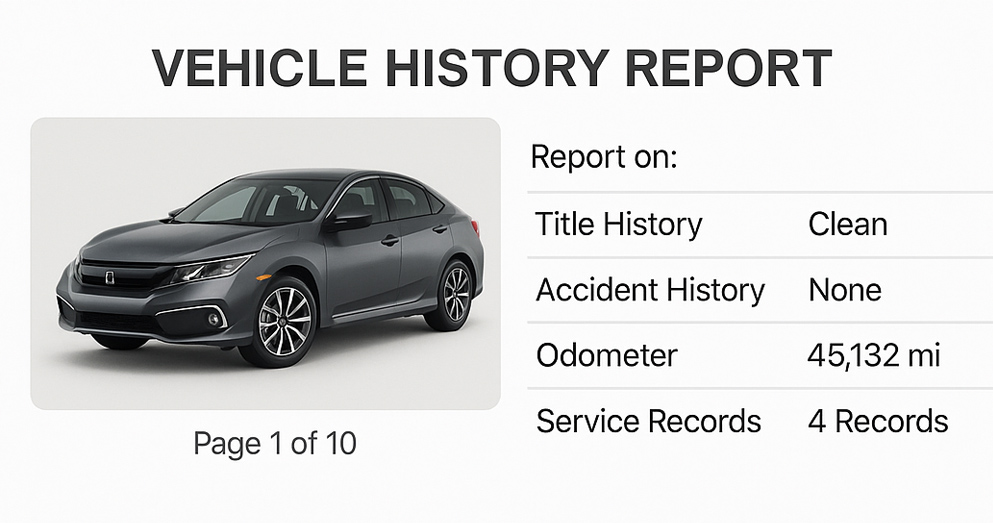
Vehicle History Report

Vehicle
Specifications
Ownership
History
All History
Events
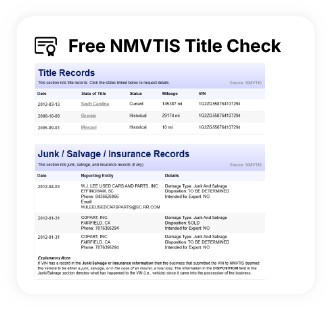
NMVTIS Title
History Check
Salvage/Rebuilt
Check
Accident
Check
Theft
Check
Open Lien
Check
Past Sale
Listings
Safety
Recalls
Odometer
Check
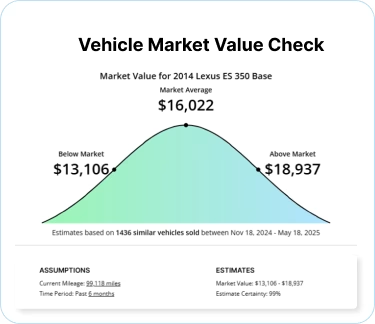
Market Price
Analysis

What Problems Does the 2014 Freightliner Cascadia 132 Have?

While the 2014 Freightliner Cascadia 132 is generally considered a reliable workhorse, like any complex heavy-duty vehicle, it can experience certain issues over time. One of the more commonly cited areas for attention, particularly with emissions-controlled vehicles of this era, is the Diesel Particulate Filter (DPF) system. Problems can include clogging, sensor failures, and issues with the regeneration process, leading to reduced performance and potential downtime. This is not unique to Freightliner but a general concern for diesel engines meeting stringent emissions standards.

Another area sometimes mentioned by owner-operators and fleet managers involves the electrical system. While not widespread, some drivers have reported intermittent electrical gremlins, such as dashboard warning lights, issues with the HVAC system, or problems with auxiliary components. These can sometimes be traced to faulty sensors, loose connections, or module failures.

The transmission, particularly automated manual transmissions (AMTs) or older automatic options, can sometimes be a source of complaint, with reports of less-than-smooth shifting or occasional electronic control module issues. Wear and tear on interior components like seat upholstery, armrests, and door panels are also frequently observed in trucks that have seen extensive daily use, which is typical for this vehicle class.

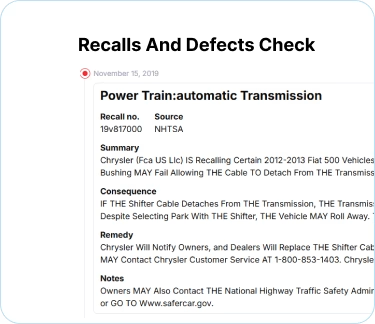
Specific to the 2014 model year, it's important to check for any open recalls. Freightliner, like all manufacturers, issues recalls for safety-related defects. A common type of recall for heavy-duty trucks can involve braking system components, steering linkages, or electrical harness issues. While specific major widespread issues for the 2014 model year aren't as prominent as some other years might face, diligence in checking for maintenance history and any recalls is crucial for long-term reliability. Regular and thorough maintenance, including adherence to DPF cleaning schedules and diagnostic checks, is paramount to mitigating many potential long-term concerns and ensuring the truck operates at peak efficiency.

How long will the 2014 Freightliner Cascadia 132 last?

The 2014 Freightliner Cascadia 132 is built for longevity, and it's not uncommon to see these trucks accumulate anywhere from 700,000 to over 1.2 million miles or more in their service life, especially when maintained diligently. With proper and consistent maintenance, including regular oil changes, filter replacements, and timely attention to emissions systems and other mechanical components, the long-term durability of the powertrain and chassis is generally excellent. Key weaknesses that can emerge over time with high mileage include wear on the DPF system, potential electrical component fatigue, and interior wear from constant use. However, the robust engineering of the Cascadia 132 means that major components like the engine and transmission, when cared for, can often be rebuilt or refurbished, extending their operational life significantly.

What Technology & Safety Features are Included?

The 2014 Freightliner Cascadia 132 prioritizes functionality and driver focus over extensive cutting-edge technology, as is typical for its class and model year. Standard tech features often include a digital instrument cluster for monitoring vital engine and vehicle data, including diagnostics and trip information. Basic infotainment systems might be present, often consisting of an AM/FM radio with auxiliary input, and potentially Bluetooth connectivity for hands-free calling, depending on the factory or aftermarket installation.

Driver-assistance features in 2014 models were more rudimentary compared to today's standards. Lane Departure Warning (LDW) systems were becoming more common as an option, using cameras to alert the driver if the vehicle drifts out of its lane. Advanced cruise control or collision mitigation systems were typically optional extras or reserved for higher-spec builds. Stability control systems were also an important safety feature, helping to prevent rollovers or loss of control.

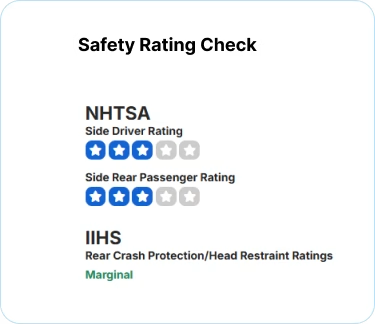
Safety features are robust, focusing on structural integrity and driver protection. The Cascadia is known for its strong cab construction designed to withstand impacts. Standard safety equipment includes hydraulic disc brakes, air brakes, and robust lighting systems for visibility. Seat belts are, of course, standard. For a commercial vehicle of this size and class, traditional crash-test ratings like those for passenger cars (e.g., NHTSA, IIHS) are not directly applicable. Instead, commercial vehicles are assessed based on federal motor vehicle safety standards (FMVSS) related to occupant protection, crashworthiness, and rollover resistance. Freightliner vehicles are designed to meet or exceed these stringent government requirements. Optional features could extend to advanced telematics for fleet management, GPS navigation integration, and enhanced interior comfort packages like premium seats and sleeper amenities for long-haul drivers. The focus remains on providing a safe, productive, and comfortable environment for the professional driver.

What Colors Options are Available?

We’re working on this section!
In the meantime, feel free to explore the other sections for more content.

2014 Freightliner Cascadia 132 Prices and Market Value

When new, the 2014 Freightliner Cascadia 132 likely commanded a price range from approximately $120,000 to over $180,000, depending heavily on engine choice, cabin configuration (day cab vs. sleeper), and optional features. Used market prices for a 2014 Cascadia 132 can vary significantly, typically falling between $35,000 and $70,000 for trucks with average mileage and good condition. Depreciation for heavy-duty trucks is generally less steep in the initial years compared to light-duty vehicles, given their specialized nature and long service life. However, mileage, maintenance history, overall condition, tire wear, and the specific market demand for certain configurations (e.g., a well-maintained 72-inch sleeper) are critical factors affecting resale value. Trucks with updated emissions systems or reliable powertrain components tend to hold their value better.

2014 Freightliner Cascadia 132 Cost of Ownership

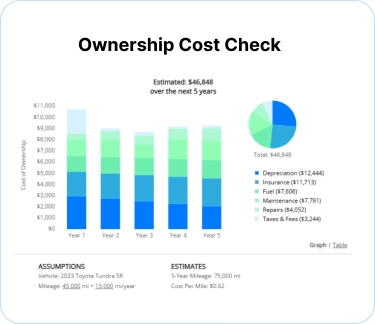
Ownership costs for a 2014 Freightliner Cascadia 132 are substantial due to its nature as a heavy-duty commercial vehicle. Insurance premiums will be higher than for light-duty vehicles, reflecting the asset's value and operational risks. Fuel is a significant ongoing expense, though the Cascadia's efficiency helps mitigate this. Maintenance, including routine servicing, DPF regeneration/cleaning, and potential repairs to complex systems, can be costly but is essential for longevity. Repair costs for major components like engines or transmissions can be significant. Overall, while the initial purchase price and ongoing operational expenses are high, the Cascadia is considered economical to own for its class due to its fuel efficiency, durability, and earning potential in the trucking industry.

2014 Freightliner Cascadia 132 Fuel Efficiency

Fuel Type Diesel
Fuel Capacity -
City Mileage -
Highway Mileage -

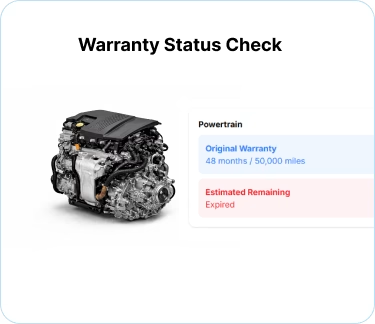
2014 Freightliner Cascadia 132 Warranty

Basic
Original warranty 0 months / No data
Estimated remaining Expired
Powertrain
Original warranty 0 months / No data
Estimated remaining Expired
Rust
Original warranty 0 months / No data
Estimated remaining Expired

2014 Freightliner Cascadia 132 Insurance

Insurance for a 2014 Freightliner Cascadia 132 is moderately priced, reflecting its status as a Truck with strong safety ratings and
reasonable repair costs.

How Does the 2014 Freightliner Cascadia 132 Compare to Other Truck?

The 2014 Freightliner Cascadia 132 competes fiercely in the Class 8 highway truck market against established players like the Peterbilt 579, Kenworth T680, and Volvo VNL series. In terms of performance, the Cascadia, particularly with Detroit DD15 engines, offers competitive power and torque for hauling heavy loads, comparable to its rivals. Its aerodynamic design is a key strength, often leading to class-leading fuel efficiency, which directly impacts profitability for owner-operators and fleets. This often places it ahead of some competitors in pure MPG metrics.

Features-wise, the 2014 Cascadia was well-equipped for its era. While cabin design and available technology might feel slightly less modern than newer models from any brand, it offered comfortable sleeper options and functional driver controls. Peterbilt and Kenworth often boast slightly more premium interior finishes and potentially more intuitive driver interfaces, appealing to drivers who value those aspects. Volvo is known for its driver comfort and safety innovations, sometimes offering a slightly smoother ride.

Reliability is where the Cascadia truly shines. Freightliner trucks, and the Cascadia line specifically, have a strong reputation for durability and robust engineering, making them a common sight in large fleets where uptime is critical. While all trucks can experience issues, Freightliner generally holds its own, and often excels, in long-term reliability metrics when compared to its direct competitors. Repairs and parts availability are also typically excellent due to Freightliner's extensive dealer network.

Price-wise, Freightliner trucks are often positioned as providing excellent value for money, balancing cost with performance and reliability. They can sometimes be slightly more competitively priced than comparable Peterbilt or Kenworth models, especially when considering fleet-level discounts. Volvo trucks can sometimes command a premium.

Similar Alternatives:
  • Peterbilt 579: Offers a more premium feel and often slightly more advanced styling, but can be pricier.
  • Kenworth T680: Similar to Peterbilt, known for comfort and driver appeal, often with a comparable price point.
  • Volvo VNL Series: Strong emphasis on driver comfort and safety features, sometimes at a higher cost.
Recommendation: For buyers prioritizing a strong balance of fuel efficiency, proven reliability, and competitive pricing, the 2014 Freightliner Cascadia 132 remains an excellent choice. If a slightly more luxurious interior or cutting-edge (for its time) driver amenities are paramount and budget allows, the Peterbilt 579 or Kenworth T680 are strong contenders. The Volvo VNL offers a compelling package for those who emphasize driver comfort above all else.

Final Verdict: Is the 2014 Freightliner Cascadia 132 a Good Truck?

The 2014 Freightliner Cascadia 132 is an ideal choice for owner-operators and fleet managers seeking a dependable, fuel-efficient, and cost-effective Class 8 truck for long-haul operations. Its strong reputation for reliability, coupled with competitive performance and reasonable operating costs for its class, makes it a sound investment. It is definitely worth buying, especially on the used market, provided it has been well-maintained. For buyers prioritizing maximum uptime and lower total cost of ownership, this model year, particularly those equipped with Detroit DD15 engines and in good mechanical condition, represents excellent value. Sleeper cab configurations are best for long-distance drivers, while day cabs suit regional or local hauling. Thorough pre-purchase inspection is crucial for any used heavy-duty truck purchase.

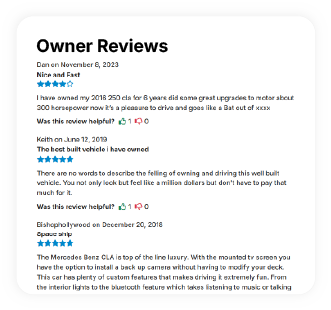
2014 Freightliner Cascadia 132 Owner Reviews

0.00
Consumer Rating, Based on 0 Consumer Reviews
Overall rating
Cancel
Thank You for Your Review!

We truly appreciate the time and effort you took to share your experience with us.

Uh oh!

Something went wrong, please try again later.

Author Image
Drew B

Drew is a seasoned automotive expert and contributor to VinCheck.info. With nearly 15 years of experience as a former Porsche technician, he brings a wealth of hands-on knowledge to his writing. Born in North Carolina, a region renowned for its deep-rooted NASCAR culture, Drew developed a passion for cars early in life, often building and working on vehicles from a young age. At VINCheck, Drew leverages his extensive technical background to provide in-depth analyses of various vehicles. His articles often focus on engine performance, reliability, and maintenance insights, offering readers practical information grounded in real-world experience. Some of his notable contributions include reviews on the Mazda CX-5's longevity and detailed examinations of engine options for models like the 2011 Toyota Camry and Tacoma