
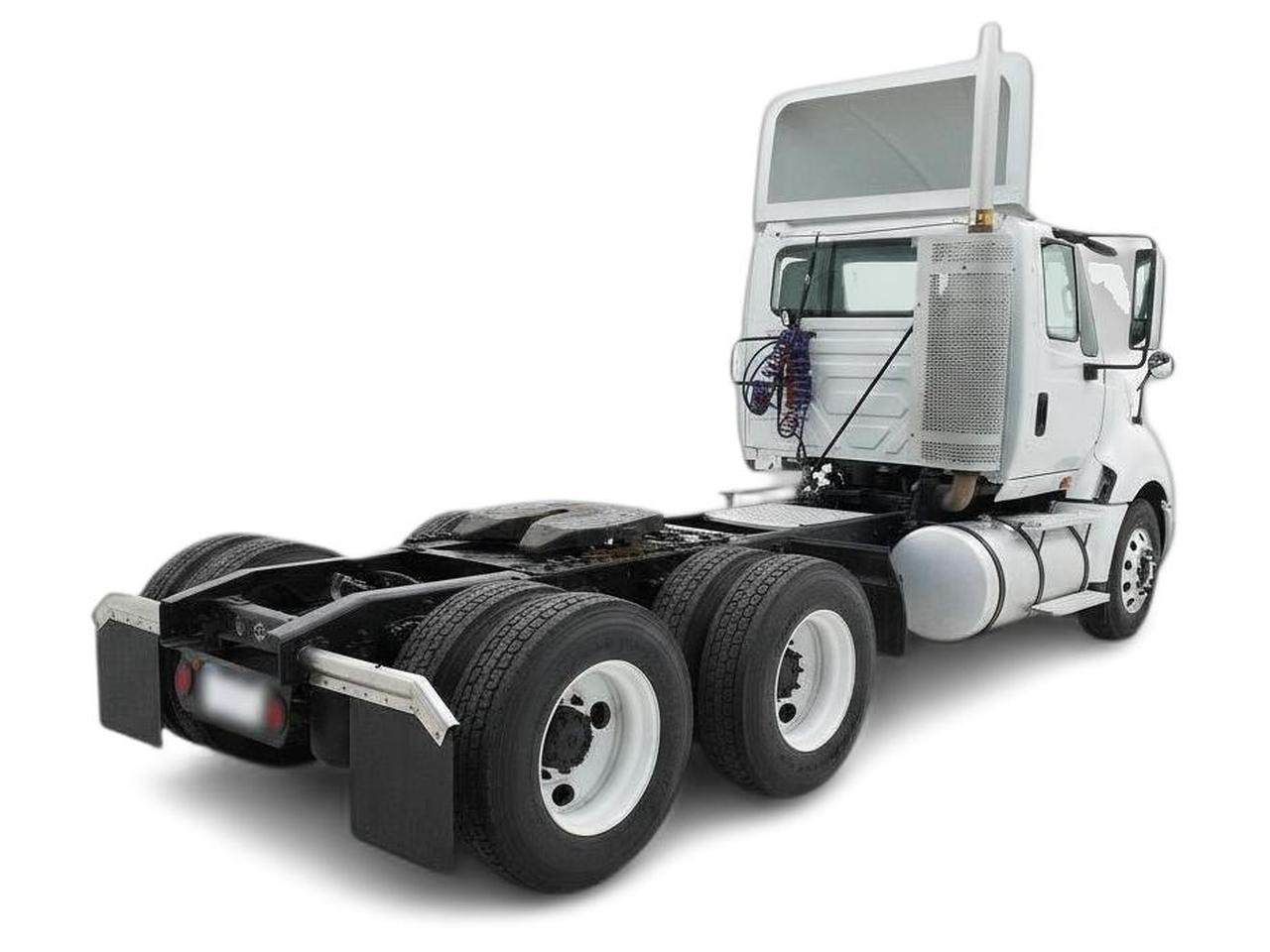
The Good
The 2011 ProStar Premium boasts a strong emphasis on driver comfort with its spacious, well-appointed cabin, appealing to the emotional desire for a more livable work environment. Practically, its aerodynamic design and efficient powertrain options offer significant fuel savings, while its robust construction promises long-term reliability and value.
The Bad
Potential buyers should be aware of possible electrical system gremlins and the complexity of its emissions control systems, which can lead to costly repairs. Some owners have also reported issues with the DEF (Diesel Exhaust Fluid) system, requiring vigilant maintenance and awareness.
2011 International Prostar Premium: Quick Overview
- Engine Options: The 2011 International ProStar Premium was typically equipped with powerful Navistar diesel engines. Common options included the International MaxxForce 11, MaxxForce 13, and the Cummins ISX series (depending on specific configurations and customer orders).
- MaxxForce 11: Ranging from approximately 350-400 horsepower and 1250-1450 lb-ft of torque.
- MaxxForce 13: Typically offered in the 400-475 horsepower range with torque figures around 1550-1850 lb-ft.
- Cummins ISX: Available in various states of tune, often starting around 400 horsepower and exceeding 1850 lb-ft of torque.
- Horsepower: As indicated above, horsepower varied significantly based on the engine choice, generally ranging from 350 hp to over 500 hp for specialized applications.
- Fuel Economy: Specific EPA ratings are not typically provided for heavy-duty trucks like the ProStar, as it depends heavily on load, terrain, driving style, and specific configuration. However, the ProStar's design focused on aerodynamics and efficient powertrains to optimize fuel economy for its class, with owners often reporting figures in the 5-7 MPG range on long-haul routes.
- 0-60 Times: 0-60 mph times are not a standard metric for heavy-duty commercial trucks due to their intended use and immense weight. Acceleration is measured in terms of ability to get up to speed under load, which is dependent on engine power and gearing.
- Towing Capacity: The towing capacity of the 2011 International ProStar Premium is substantial and varies greatly based on the chassis, axle configuration, and trailer type. It is designed for Class 8 applications, meaning it can handle Gross Combination Weights (GCW) of 80,000 pounds or more, often exceeding 100,000 pounds for specialized hauling.
- Trim-Level Features (Premium): The Premium trim signifies enhanced comfort and convenience features for the driver. These typically included:
- Upgraded interior materials (e.g., higher quality upholstery, enhanced sound insulation).
- More comfortable and adjustable driver and passenger seats, often with air suspension.
- Advanced climate control systems.
- Improved infotainment options, potentially including better sound systems and navigation.
- Ample storage compartments and sleeper cab configurations designed for extended trips.
- Optional features could include auxiliary heating/cooling units, refrigerators, and premium lighting.
2011 International Prostar Premium Specifications
Vehicle Information
| Year | 2011 |
| Make | International |
| Model | Prostar Premium |
| Trim | - |
| Style | - |
| Type | Truck |
| Category | Heavy Truck |
Manufacturing Details
| Made In | Mexico |
| Manufacturing City | - |
Dimensions
| Doors | - |
| Curb Weight | - |
| Gross Vehicle Weight Rating | 33001 pounds |
| Overall Height | - |
| Overall Length | - |
| Overall Width | - |
| Wheelbase Length | - |
| Standard Seating | - |
Engine & Performance
| Engine | 13L I6 |
| Engine Size | 13L |
| Engine Cylinders | 6 |
| Transmission | - |
| Transmission Type | - |
| Transmission Speeds | - |
| Drivetrain | 6x4 |
Additional Features
| Anti-Brake System | - |
| Steering Type | - |
Pricing
| Manufacturer Suggested Retail Price (MSRP) | - |
| Invoice Price | - |
| Delivery Charges | - |
Vehicle History Report
Specifications
History
Events
History Check
Check
Check
Check
Check
Listings
Recalls
Check
Analysis
What Problems Does the 2011 International Prostar Premium Have?
Electrical gremlins are also a recurring theme in owner forums and repair shops. Problems with the instrument cluster, various sensors, and wiring harnesses can lead to intermittent faults and diagnostic challenges. The complexity of the modern truck's electronics means that diagnosing and repairing these issues can be time-consuming and expensive.
While specific recalls for the 2011 model year may vary, it is crucial for potential buyers to check the National Highway Traffic Safety Administration (NHTSA) website for any outstanding recalls affecting specific VINs. Navistar has also faced scrutiny and lawsuits regarding the performance and reliability of its MaxxForce engines, particularly those manufactured within certain periods leading up to and including 2011. This has led to extended warranties on some components for affected vehicles, but it is essential to verify the warranty status.
Long-term reliability can be heavily dependent on the quality of maintenance performed. Trucks subjected to regular, proactive maintenance, using high-quality parts and fluids, tend to fare better. However, the inherent complexity of the emissions systems and the powerful engines mean that even well-maintained units can experience significant repairs over their lifespan. The 2011 model year falls within a period where emissions technologies were rapidly evolving, and some of these early iterations proved to be less robust than later designs.
How long will the 2011 International Prostar Premium last?
What Technology & Safety Features are Included?
Built-in Tech and Entertainment: Standard features often included a digital display for the instrument cluster, providing clear readouts of vehicle diagnostics and trip information. For entertainment, a basic AM/FM radio with CD player was common, with optional upgrades to include satellite radio readiness or more advanced audio systems with multiple speakers. Bluetooth connectivity for hands-free calling was becoming more prevalent as an option. Navigation systems were also available as an add-on for long-haul drivers. The focus was primarily on functionality and driver convenience rather than advanced infotainment.
Driver-Assistance Features: Advanced driver-assistance systems (ADAS) were not as widespread or standardized in 2011 as they are in modern vehicles. The ProStar Premium would have typically included standard safety features like powerful braking systems (ABS), stable traction control, and robust lighting. Optional features might have included lane departure warning systems on some higher-spec models, but features like adaptive cruise control or automatic emergency braking were largely absent or in their infancy for commercial trucks at this time. The primary focus was on providing the driver with visibility and control.
Safety Features: Safety was paramount, with a strong, reinforced cab structure designed to protect occupants in the event of a collision. Features like a comprehensive air brake system, power steering, and powerful headlights contributed to active safety, allowing the driver to better avoid potential hazards. Seatbelt reminders and robust door locks were standard. For passive safety, the cab itself was designed to withstand significant impacts.
Crash-Test Ratings: Specific crash-test ratings for heavy-duty commercial trucks like the 2011 International ProStar Premium are generally not available in the same format as passenger vehicles from organizations like NHTSA or IIHS. These vehicles are designed to meet stringent Federal Motor Vehicle Safety Standards (FMVSS) for commercial vehicles, which focus on occupant protection, braking performance, and structural integrity under heavy-duty operating conditions. Manufacturers conduct their own internal testing to ensure compliance and safety.
What Colors Options are Available?
2011 International Prostar Premium Prices and Market Value
Today, the used market prices for a 2011 International ProStar Premium can vary widely, generally falling between $30,000 and $70,000. This range is largely dictated by mileage, overall condition, maintenance history, and the presence of any significant mechanical issues or required repairs. Trucks with well-documented maintenance and lower mileage tend to command higher prices.
Depreciation on commercial trucks is substantial in the initial years but slows down considerably after the first few hundred thousand miles. Factors significantly affecting resale value include the health of the engine and transmission, the condition of the emissions system (especially DEF), tire wear, and the cleanliness and functionality of the interior and exterior. Trucks with a history of hard use or significant repairs may be priced considerably lower. For buyers, the current used market offers a considerably more accessible entry point into a capable commercial truck, but thorough pre-purchase inspections are crucial due to potential maintenance costs.
2011 International Prostar Premium Cost of Ownership
2011 International Prostar Premium Fuel Efficiency
2011 International Prostar Premium Warranty
Basic
Powertrain
Rust
2011 International Prostar Premium Insurance
reasonable repair costs.
How Does the 2011 International Prostar Premium Compare to Other Truck?
Performance: In terms of performance, the ProStar Premium offered competitive engine options (Navistar MaxxForce and Cummins ISX) that could match or exceed the power and torque outputs of its peers. The focus on aerodynamics in its design contributed to respectable fuel efficiency for its class, though specific performance metrics often depended on the chosen powertrain configuration. Rivals like Freightliner and Volvo also had strong powertrain offerings and advanced aerodynamic designs.
Features: The ProStar Premium's 'Premium' trim level aimed to provide enhanced driver comfort and amenities, often rivaling the interior features found in Peterbilt and Kenworth models of the same era. This included better seating, improved cabin insulation, and more options for storage and living space in sleeper configurations. However, advancements in driver-assistance technology and infotainment systems were evolving rapidly across all manufacturers, and some newer models from competitors might have offered more cutting-edge tech.
Reliability: This is where the ProStar faced some challenges compared to its rivals. While Peterbilt, Kenworth, Freightliner, and Volvo generally have strong reputations for long-term reliability and robust build quality, the Navistar MaxxForce engines, particularly those in the 2011 model year, were known to have specific issues, notably with cylinder heads and emissions systems. This could lead to higher maintenance and repair costs over the long term compared to trucks equipped with Cummins or PACCAR engines, which were often favored for their perceived durability.
Price: When new, the ProStar was competitively priced, often offering a good value proposition for fleets and owner-operators seeking a feature-rich truck at a potentially lower price point than some premium competitors. On the used market, the ProStar's price point can be attractive, but this is often offset by the potential for higher maintenance and repair costs due to reliability concerns.
Recommendations:
* Similar Alternatives: For buyers seeking a similar blend of comfort and performance with potentially better reliability, a 2011 Freightliner Cascadia or a 2011 Volvo VNL would be strong contenders. These models are known for their robust engineering and generally fewer widespread engine-specific issues compared to some MaxxForce engines.
* Potentially Better Alternatives: If budget allows and utmost reliability is the priority, a 2011 Peterbilt 579 or Kenworth T660 (predecessor to the T680) might be considered. These brands often command higher resale values due to their reputation for durability and driver appeal, though their initial purchase price and used market prices may also be higher. It's crucial to thoroughly research the specific engine and transmission in any used truck, regardless of brand.
Final Verdict: Is the 2011 International Prostar Premium a Good Truck?
This truck is best considered on the used market, as buying new would face significant competition from more modern, reliable offerings. If purchasing used, prioritize models with detailed maintenance records, ideally those that have had known issues proactively addressed or that are equipped with a Cummins ISX engine rather than the MaxxForce variants. The Premium trim offers excellent driver comfort for long-haul operations, making it appealing for drivers who spend extensive time on the road, provided they can manage potential repair costs with a contingency fund.

Jovan
Jovan specializes in interpreting vehicle records and making sense of VIN data. With over 10 years of experience in the automotive data industry, his work ensures that every report is clear, accurate, and useful for car buyers.