
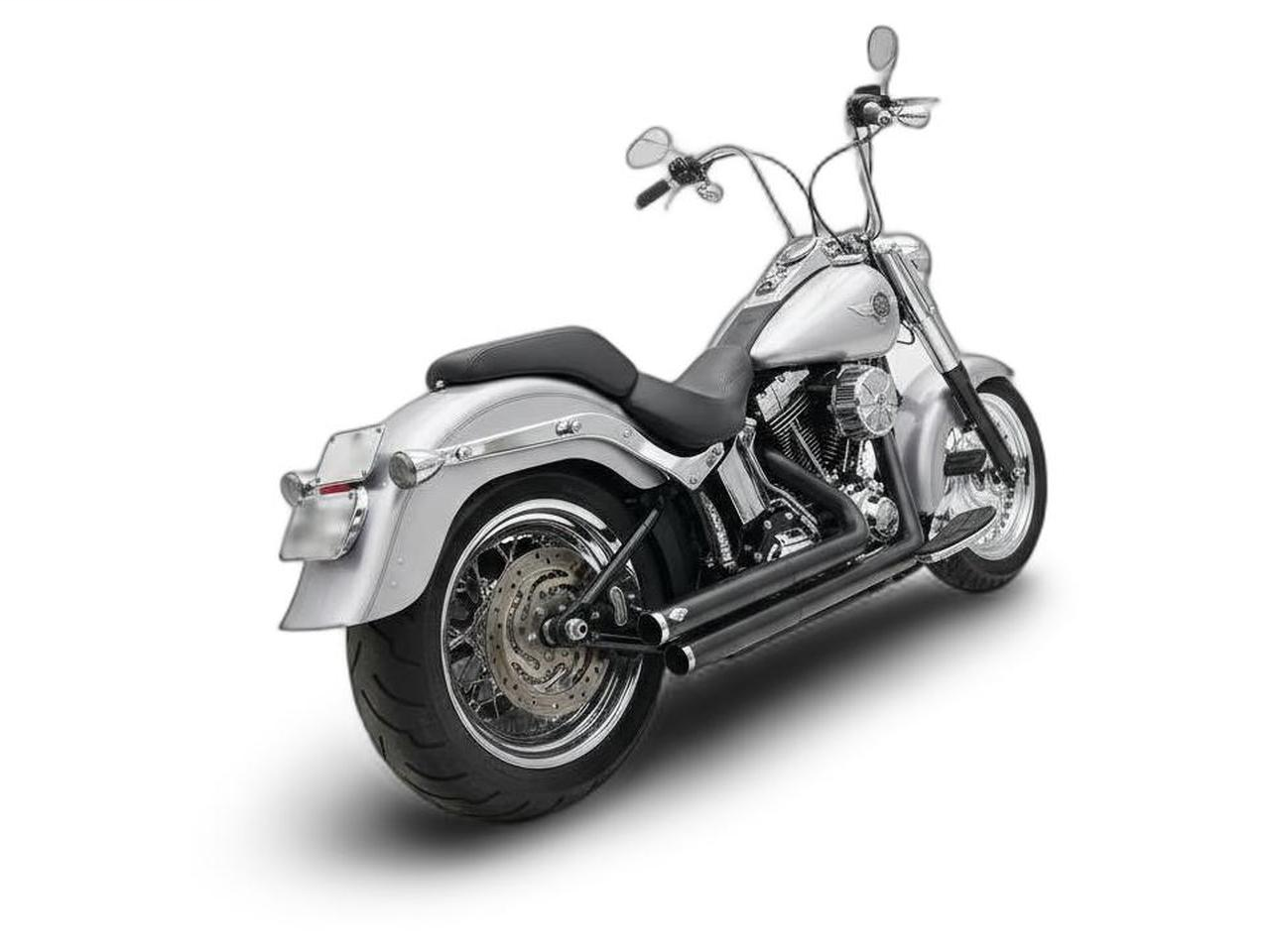
The Good
The 2013 Fat Boy offers a powerful V-twin engine for exhilarating rides, renowned Harley-Davidson reliability, and a comfortable riding posture. Its timeless, striking design appeals to emotion, while its robust build and manageable handling cater to practical desires.
The Bad
Owners should be aware of potential issues like front fork leaks and occasional electrical gremlins. Braking performance, while adequate, isn't as sharp as modern sportbikes. The sheer weight can be a factor in low-speed maneuvers.
2013 Harley-Davidson Fat Boy: Quick Overview
- Engine Options: The 2013 Harley-Davidson Fat Boy came standard with the Twin Cam 103B V-twin engine.
- Displacement: 103 cubic inches (1,690 cc).
- Bore x Stroke: 3.875 inches x 4.38 inches (98.4 mm x 111.3 mm).
- Compression Ratio: 9.6:1.
- Horsepower: While Harley-Davidson doesn't typically publish exact horsepower figures, the Twin Cam 103 is generally estimated to produce around 70-75 horsepower at the crankshaft. Torque is a more emphasized figure for this engine.
- Torque: Approximately 96 ft-lbs at 3,000 RPM.
- Fuel Economy: EPA estimates for the 2013 Fat Boy are typically around 35-40 MPG (city/highway combined), though actual mileage can vary significantly based on riding style and conditions.
- 0-60 Times: Cruisers like the Fat Boy are not optimized for rapid acceleration. Expect 0-60 mph times in the 5-6 second range, depending on rider and conditions.
- Towing Capacity: Not applicable. The Fat Boy is not designed or equipped for towing.
- Transmission: 6-speed Cruise Drive manual transmission.
- Clutch: Hydraulically actuated, 9-plate wet clutch.
- Final Drive: Belt drive.
- Frame: Steel, with a rectangular section, forged steel, and cast aluminum construction.
- Suspension (Front): 41.3 mm telescopic front forks with polished stainless steel covers.
- Suspension (Rear): Hidden, horizontal-øgë多 schock absorbers, air-adjustable.
- Brakes: 4-piston calipers, hydraulic front and rear. Front brake disc: 11.8 inches. Rear brake disc: 11.8 inches. ABS was often an optional feature.
- Wheels: Solid cast aluminum wheels (often referred to as "cathedral" or "turbine" style) with a distinct look.
- Tires: Front: D402F MH90-21 54H. Rear: D401 150/80B16 71H.
- Length: 93.6 inches (2,377 mm).
- Seat Height: 26.3 inches (668 mm).
- Ground Clearance: 4.9 inches (125 mm).
- Rake: 32 degrees.
- Trail: 5.6 inches (142 mm).
- Wheelbase: 64.5 inches (1,638 mm).
- Fuel Capacity: 5 gallons (18.9 liters).
- Dry Weight: Approximately 681 lbs (309 kg).
- Key Trim Features: The Fat Boy typically comes well-equipped with its signature styling cues. Standard features include the robust Twin Cam 103 engine, a comfortable two-up seat, wide handlebars, extensive chrome accents, and the distinctive solid wheels. Options often included ABS, security systems, and various custom paint schemes.
2013 Harley-Davidson Fat Boy Specifications
Vehicle Information
| Year | 2013 |
| Make | Harley-Davidson |
| Model | Fat Boy |
| Trim | - |
| Style | - |
| Type | Motorcycle |
| Category | Motorcycle |
Manufacturing Details
| Made In | United States |
| Manufacturing City | YORK |
Dimensions
| Doors | - |
| Curb Weight | - |
| Gross Vehicle Weight Rating | - |
| Overall Height | - |
| Overall Length | - |
| Overall Width | - |
| Wheelbase Length | - |
| Standard Seating | - |
Engine & Performance
| Engine | 1690CC |
| Engine Size | 1690L |
| Engine Cylinders | 2 |
| Transmission | Manual |
| Transmission Type | Manual |
| Transmission Speeds | - |
| Drivetrain | - |
Additional Features
| Anti-Brake System | - |
| Steering Type | - |
Pricing
| Manufacturer Suggested Retail Price (MSRP) | - |
| Invoice Price | - |
| Delivery Charges | - |
Vehicle History Report
Specifications
History
Events
History Check
Check
Check
Check
Check
Listings
Recalls
Check
Analysis
What Problems Does the 2013 Harley-Davidson Fat Boy Have?
Another area that can sometimes cause headaches is the electrical system. While Harley-Davidson's are generally known for their robustness, specific components can fail. This might include issues with the battery tender connection, wiring harness chafing, or problems with sensors. These can manifest as intermittent electrical faults or warning lights.
Some owners have also reported concerns about the ABS system if equipped. While beneficial, complex electronic systems can sometimes develop glitches, and issues with ABS sensors or the module itself have been noted.
Regarding recalls for the 2013 model year specifically, Harley-Davidson has issued recalls for various models over the years. For the 2013 model year, a notable recall involved certain clutch master cylinders. This recall addressed a potential issue where the clutch master cylinder could leak brake fluid, leading to a loss of clutch function. Owners of affected motorcycles were advised to have their clutch master cylinder inspected and potentially replaced. It is crucial for potential buyers to check the VIN against any active recalls with Harley-Davidson.
Long-term reliability for the Twin Cam 103 engine is generally considered good, as it's a proven powerplant. However, like any engine, proper and consistent maintenance is paramount. Neglecting oil changes, filter replacements, and other scheduled services can accelerate wear.
The inherent design of the Fat Boy, with its substantial weight and cruiser ergonomics, means that components like the tires and brakes will wear as expected. However, major drivetrain or engine failures are less common if the motorcycle has been well-maintained and ridden within its design parameters. Overall, the 2013 Fat Boy is a solid machine, but vigilance regarding routine maintenance and addressing minor issues promptly will contribute significantly to its long-term reliability.
How long will the 2013 Harley-Davidson Fat Boy last?
What Technology & Safety Features are Included?
Entertainment features are virtually non-existent in the standard setup. There is no integrated audio system, Bluetooth connectivity, or navigation. Riders who desire these features typically opt for aftermarket accessories, such as handlebar-mounted audio units or dedicated GPS devices. This lack of integrated tech is part of its appeal for those seeking a purist riding experience.
Driver-assistance features are also absent on the 2013 Fat Boy. You won't find features like traction control, cruise control (though it was sometimes an optional add-on), or rider modes. The focus is entirely on the rider's direct input and control of the motorcycle.
In terms of safety features, the primary safety feature is the motorcycle's robust braking system, which typically comprises dual-piston calipers acting on large discs at both the front and rear. Anti-lock Braking System (ABS) was an available optional feature on many 2013 Harley-Davidson models, including the Fat Boy. While not standard on all units, ABS significantly enhances braking control, especially in adverse conditions or during emergency stops. Other safety aspects include the motorcycle's stable chassis and predictable handling characteristics.
Due to the nature of motorcycles, official crash-test ratings similar to those for cars are not applicable. The safety of the rider is primarily dependent on their riding skills, adherence to traffic laws, and the use of personal protective equipment (PPE) such as helmets, protective jackets, pants, gloves, and boots. The motorcycle's design emphasizes stability and rider control, which contribute indirectly to safety by making it more predictable to operate.
What Colors Options are Available?
2013 Harley-Davidson Fat Boy Prices and Market Value
Harley-Davidson motorcycles, especially iconic models like the Fat Boy, tend to depreciate at a slower rate than many other vehicle types, particularly once they reach a certain age. Their resale value is strongly influenced by factors such as mileage, overall condition, maintenance history, originality (lack of excessive or poorly done modifications), and the presence of popular optional features like ABS. The distinctive styling of the Fat Boy also helps it maintain its appeal over time, contributing to its solid resale value.
2013 Harley-Davidson Fat Boy Cost of Ownership
2013 Harley-Davidson Fat Boy Fuel Efficiency
2013 Harley-Davidson Fat Boy Warranty
Basic
Powertrain
Rust
2013 Harley-Davidson Fat Boy Insurance
reasonable repair costs.
How Does the 2013 Harley-Davidson Fat Boy Compare to Other Motorcycle?
Performance: Against competitors like the Indian Chief Classic (if considering a similar retro-style alternative) or the Honda Gold Wing (though a different sub-category), the Fat Boy's Twin Cam 103 engine provides strong low-end torque ideal for cruising. Its performance isn't about outright speed but about a thrumming, enjoyable ride. Rivals like the Yamaha V-Star 1300 or Kawasaki Vulcan 1700 might offer slightly more refined power delivery or better fuel economy, but often with less iconic styling.
Features: The Fat Boy is intentionally spartan in its tech offerings, focusing on the riding experience. Rivals like the Honda Gold Wing (again, different class) or even some top-tier Japanese cruisers might offer integrated audio, ABS standard, cruise control, and more advanced instrumentation. However, for the Fat Boy's target audience, its minimalist approach is a feature, not a bug. ABS was often optional, which could be a disadvantage compared to competitors where it was standard.
Reliability: Harley-Davidson's reliability has improved significantly over the years, and the Twin Cam 103 is a generally robust engine. However, specific electrical gremlins or minor seal leaks can occur, as discussed. Japanese brands like Honda and Yamaha often boast slightly higher perceived long-term reliability and fewer common issues across their model ranges. Indian Motorcycles, being a revived brand, had some early production kinks, though they have improved significantly.
Price: The Fat Boy typically commands a premium price point, reflecting its iconic status and brand prestige. Competitors from Yamaha, Kawasaki, or Suzuki might offer similar displacement and features for a lower initial cost.
Alternatives:
- Indian Chief Classic (around the same model year): Offers a very similar retro aesthetic and powerful V-twin, often with more standard features like ABS and a more refined suspension. Can be pricier.
- Honda Gold Wing F6B (if a bagger style is acceptable): For a more touring-oriented experience with superior comfort, features, and reliability, though a very different riding dynamic.
- Yamaha V-Star 1300/Star Raider: Offer strong performance and reliability in the cruiser segment, often at a more accessible price point, but with less iconic styling.
- Kawasaki Vulcan 1700 Voyager/Vaquero: Competitors in the larger cruiser/bagger space offering good power and features, often at a competitive price.
Final Verdict: Is the 2013 Harley-Davidson Fat Boy a Good Motorcycle?
Buying this Fat Boy is most advisable as a used vehicle. Look for models with lower mileage, evidence of regular maintenance, and ideally, with ABS if that safety feature is important. Avoid those with extensive, poorly executed modifications. It's a solid choice for cruising enthusiasts who value timeless design and a soulful riding experience over cutting-edge features or aggressive performance.

Eugene S
Eugene is an automotive enthusiast with over 15 years of experience in the used car market. As a writer at VINCheck.info, he brings deep industry insight and a passion for cars, helping readers make smart, informed decisions. Eugene has written hundreds of used car reviews and is known for breaking down complex automotive topics into clear, actionable advice. Over the years, he has driven and worked on a wide range of vehicles—starting with tuning street cars in his early days and eventually focusing on performance upgrades and reliability improvements. Today, he specializes in evaluating used vehicles through the lens of real-world ownership and enthusiast needs. A longtime fan of Porsche, Eugene especially appreciates vehicles that blend durability with driving enjoyment.