
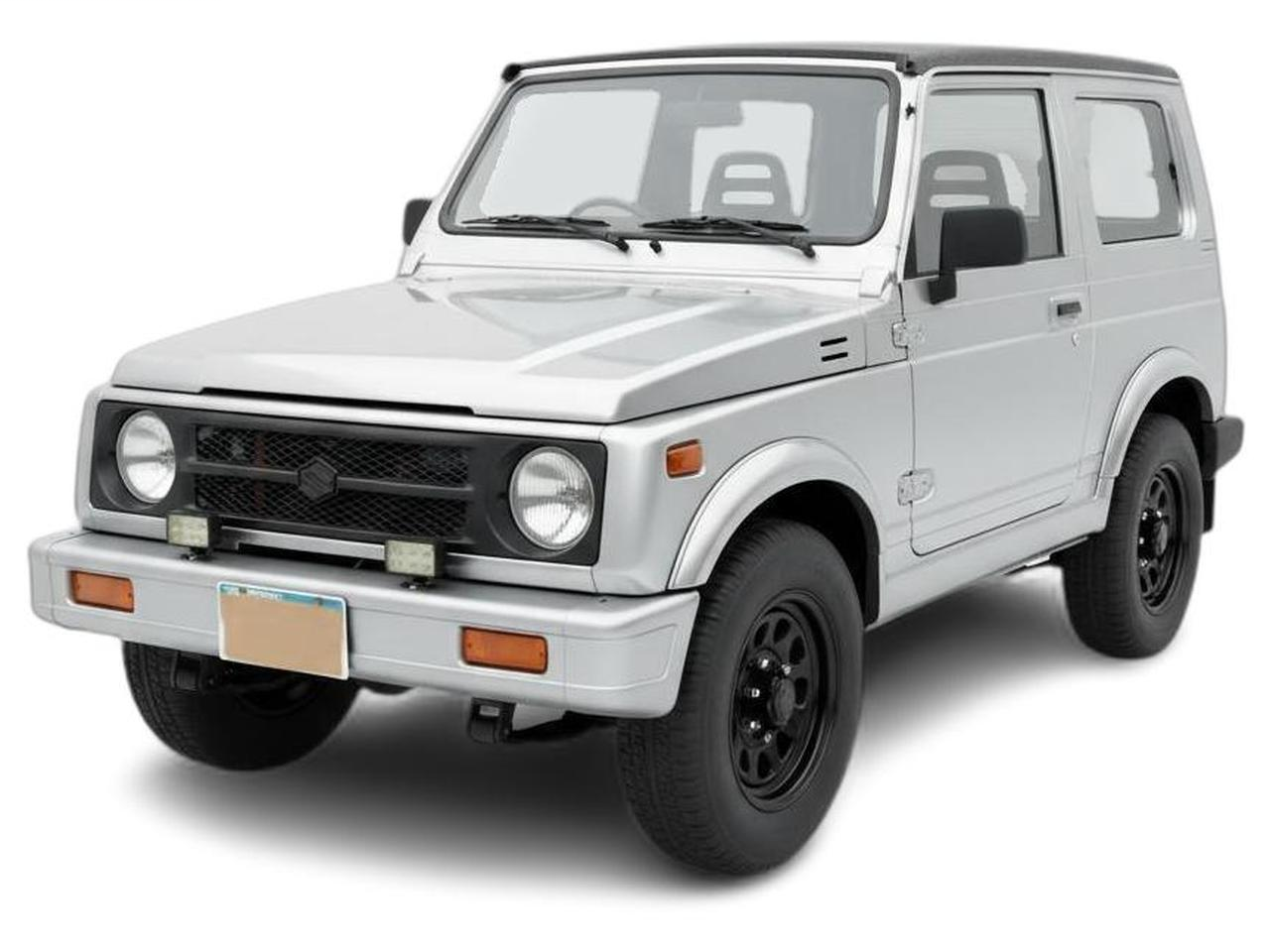
The Good
The 1992 Suzuki Samurai excels in its exceptional off-road prowess and surprising agility, appealing to adventurous spirits. Its simple, robust design translates to impressive reliability for practical buyers, while its compact size ensures excellent maneuverability and fuel efficiency, making it an economical and charming choice.
The Bad
Potential buyers should be aware of the 1992 Suzuki Samurai's susceptibility to rust, particularly in the frame and body panels. Engine power is modest, and on-road handling can be a concern due to its lightweight and tall stance. Suspension components and clutch wear are also common areas to inspect.
1992 Suzuki Samurai: Quick Overview
- Engine Options: The 1992 Suzuki Samurai primarily featured a 1.3-liter SOHC 4-cylinder gasoline engine. This was the most common and essentially the sole engine option for this model year in most markets.
- Horsepower: The 1.3-liter engine typically produced around 66 horsepower at 6,000 RPM and about 74 lb-ft of torque at 3,500 RPM. These figures are modest, reflecting its intended purpose as a lightweight off-roader rather than a performance vehicle.
- Fuel Economy: Fuel economy was a strong point for the Samurai. Owners could expect to achieve estimates in the range of 20-25 MPG in city driving and up to 28-30 MPG on the highway, depending on driving conditions and modifications.
- 0-60 Times: Acceleration was not a strong suit for the Samurai. A 0-60 MPH time was generally in the range of 15-18 seconds, highlighting its utilitarian nature.
- Towing Capacity: Due to its small size and limited power, the 1992 Suzuki Samurai had a very low towing capacity, typically rated around 500-1000 pounds, suitable for small trailers or utility loads.
- Trim-Level Features:
- Base Model: Featured a no-frills approach with standard equipment often including manual windows, manual locks, basic vinyl seats, and a simple AM/FM radio.
- JA/JX Trims: These trims often added a few creature comforts, such as optional power steering, slightly more comfortable cloth seats, a more advanced sound system, and sometimes a tilt steering wheel. Air conditioning was often an optional upgrade. The JX could also include alloy wheels.
1992 Suzuki Samurai Specifications
Vehicle Information
| Year | 1992 |
| Make | Suzuki |
| Model | Samurai |
| Trim | - |
| Style | - |
| Type | Sport Utility Vehicle |
| Category | Standard Sport Utility Vehicle |
Manufacturing Details
| Made In | Japan |
| Manufacturing City | IWATA |
Dimensions
| Doors | 2-Door |
| Curb Weight | 2000 pounds |
| Gross Vehicle Weight Rating | 2870 pounds |
| Overall Height | 64.60 inches |
| Overall Length | 135.00 inches |
| Overall Width | 60.60 inches |
| Wheelbase Length | 79.90 inches |
| Standard Seating | 2 |
Engine & Performance
| Engine | 1.3L I4 |
| Engine Size | 1.3L |
| Engine Cylinders | 4 |
| Transmission | 5-Speed Manual |
| Transmission Type | Manual |
| Transmission Speeds | 5-Speed |
| Drivetrain | Rear-Wheel Drive |
Additional Features
| Anti-Brake System | Non-ABS |
| Steering Type | Recirculating |
Pricing
| Manufacturer Suggested Retail Price (MSRP) | $6,399 |
| Invoice Price | - |
| Delivery Charges | - |
Vehicle History Report
Specifications
History
Events
History Check
Check
Check
Check
Check
Listings
Recalls
Check
Analysis
What Problems Does the 1992 Suzuki Samurai Have?
The engine, while generally considered reliable, can experience issues such as oil leaks from valve cover gaskets or rear main seals. The cooling system, including the radiator and water pump, can also be a source of concern, especially with age and lack of maintenance. The clutch is another wear item that often needs replacement.
In terms of the drivetrain, the transfer case and differentials can develop leaks or wear over time. The suspension, particularly the leaf springs and bushings, can weaken and sag, affecting ride quality and handling. Brake components, including rotors and calipers, are also subject to wear and tear.
While specific recalls for the 1992 model year are not as numerous as for some other vehicles, it's always advisable to check for any outstanding safety recalls with Suzuki or the relevant automotive safety authorities.
Long-term reliability is heavily dependent on maintenance history and the vehicle's operating environment. Samurais that have been well-maintained and kept out of corrosive climates tend to fare much better. Those used extensively off-road or in harsh conditions are more likely to exhibit premature wear and tear on various components. The simplicity of the Samurai's design is a double-edged sword; it means fewer complex systems to fail, but also that basic wear-and-tear items require regular attention.
How long will the 1992 Suzuki Samurai last?
What Technology & Safety Features are Included?
Driver-assistance features were virtually non-existent. Power steering was an optional feature on some trims and significantly improved the driving experience, especially at lower speeds. There were no electronic aids like ABS (Anti-lock Braking System), traction control, or stability control.
Safety features were also very rudimentary. The 1992 Samurai was equipped with basic three-point seatbelts for the front occupants and lap belts for the rear. Some models might have had an interior rearview mirror and side mirrors. The body-on-frame construction offered a degree of robustness, but its lightweight and tall stance contributed to rollover concerns in some scenarios, which led to controversies in earlier model years.
Crash-test ratings for vehicles of this era, especially small, niche vehicles like the Samurai, are often limited or may not be directly comparable to modern standards. The National Highway Traffic Safety Administration (NHTSA) did conduct tests on earlier Samurai models, and some reported concerns regarding rollover resistance. Specific ratings for the 1992 model year are not widely publicized or may not exist in a format directly comparable to current testing protocols. The focus for the Samurai was always on its off-road capability and simplicity, with modern safety and technological amenities taking a backseat.
What Colors Options are Available?
1992 Suzuki Samurai Prices and Market Value
Current used market prices for a 1992 Suzuki Samurai can range from around $3,000 for models needing significant work to $10,000+ for pristine, highly sought-after examples, particularly those with minimal rust and desirable modifications. Factors affecting resale value include the condition of the frame and body (rust is a major detractor), mileage, originality, availability of documentation, and whether it has been modified for off-road use. Collectibility and its iconic status also contribute to its sustained resale value.
1992 Suzuki Samurai Cost of Ownership
1992 Suzuki Samurai Fuel Efficiency
1992 Suzuki Samurai Safety Rating
NHTSA
IIHS
1992 Suzuki Samurai Warranty
Basic
Powertrain
Rust
1992 Suzuki Samurai Insurance
reasonable repair costs.
How Does the 1992 Suzuki Samurai Compare to Other Sport Utility Vehicle?
Performance: In terms of on-road performance, the Samurai lagged behind most contemporaries. Rivals like the Jeep Wrangler (YJ), though more expensive, offered more power and better handling. The Samurai's 1.3-liter engine was underpowered for highway cruising. Off-road, however, the Samurai punched above its weight due to its light weight and compact dimensions, often outperforming larger, heavier vehicles in tight trails and obstacles.
Features: Compared to other vehicles in its price bracket and era, the Samurai was spartan. Even basic features like power steering and air conditioning were often optional or unavailable. Rivals like the early Ford Explorer or Jeep Cherokee offered far more comfort and modern amenities. The Samurai's appeal was its simplicity, not its luxury.
Reliability: The Samurai's mechanical simplicity contributed to a basic level of reliability, making it easy to maintain for those with basic mechanical skills. However, its susceptibility to rust is a significant long-term reliability concern not typically seen to the same degree in more robustly built rivals like the Jeep Wrangler. Engine and drivetrain components, when maintained, are generally robust.
Price: The Samurai's key advantage was its affordability. It was significantly cheaper than a new Jeep Wrangler or a comparable Japanese SUV of the time.
Alternatives:
* Jeep Wrangler (YJ): A more capable and powerful off-roader, but significantly more expensive and complex.
* Used Toyota Land Cruiser or 4Runner: Offer greater reliability, comfort, and capability, but at a higher purchase price and running cost.
* Geo Tracker/Suzuki Sidekick (later models): Similar in size and concept but generally offered more power and a slightly more refined experience, though often less focused on pure off-road ruggedness.
For those prioritizing budget off-roading and a unique driving experience, the Samurai remains a compelling choice. For daily driving, comfort, and highway performance, more conventional compact SUVs would be better alternatives.
Final Verdict: Is the 1992 Suzuki Samurai a Good Sport Utility Vehicle?
It is crucial to buy a used Samurai, as new ones are no longer produced. Focus on finding a model with minimal rust, especially on the frame and body. Lower mileage and a well-documented maintenance history are highly desirable. While all trims offer basic functionality, the JA or JX trims might provide a slightly more comfortable experience with features like power steering. It's not recommended for daily commuting or long-distance highway travel due to its modest power and handling characteristics. With the right expectations and a thorough inspection, a well-chosen Samurai can provide years of affordable fun.

Drew B
Drew is a seasoned automotive expert and contributor to VinCheck.info. With nearly 15 years of experience as a former Porsche technician, he brings a wealth of hands-on knowledge to his writing. Born in North Carolina, a region renowned for its deep-rooted NASCAR culture, Drew developed a passion for cars early in life, often building and working on vehicles from a young age. At VINCheck, Drew leverages his extensive technical background to provide in-depth analyses of various vehicles. His articles often focus on engine performance, reliability, and maintenance insights, offering readers practical information grounded in real-world experience. Some of his notable contributions include reviews on the Mazda CX-5's longevity and detailed examinations of engine options for models like the 2011 Toyota Camry and Tacoma