
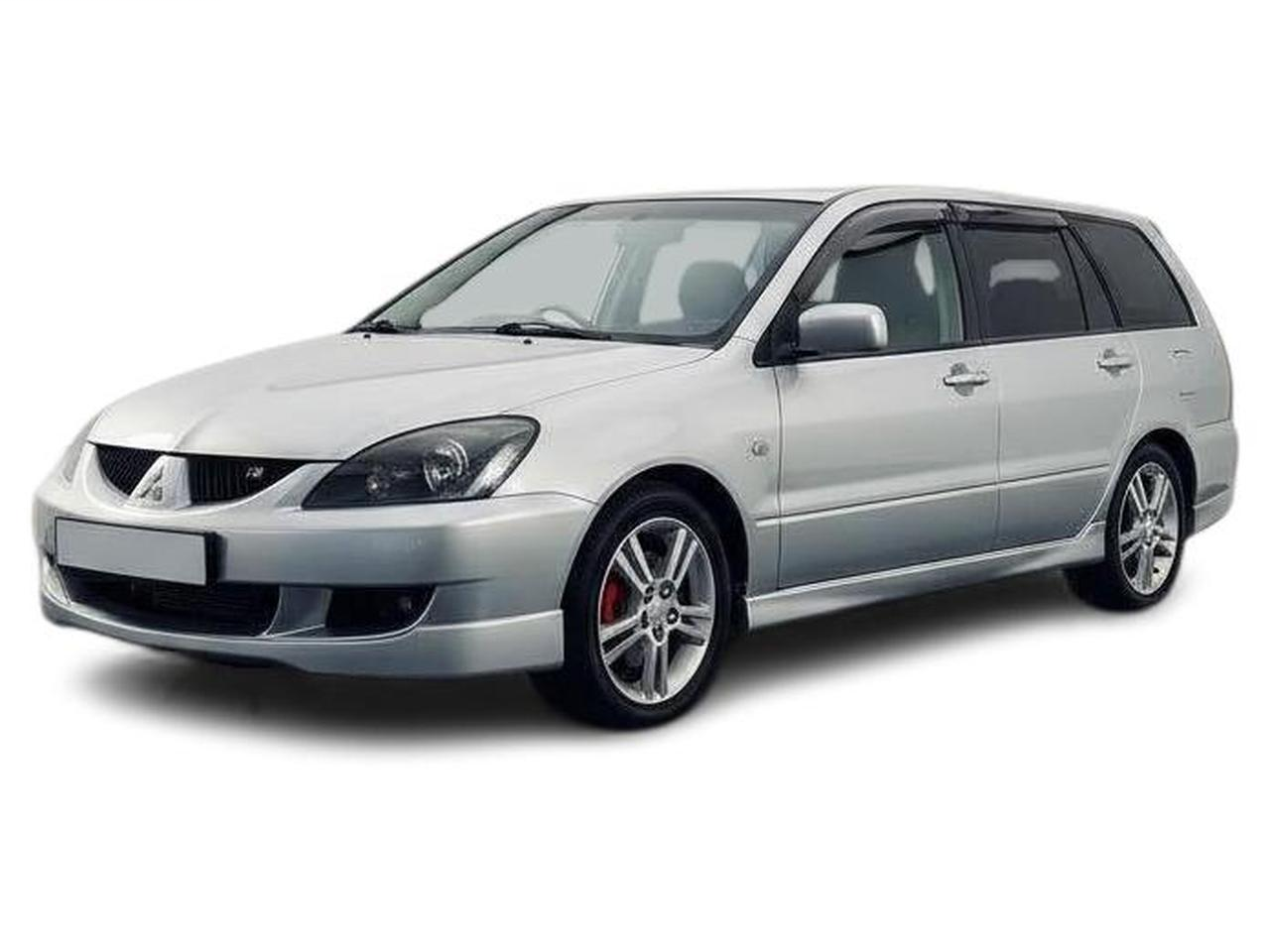
The Good
The 2004 Lancer Sportback offers an engaging driving experience with its responsive handling and peppy engine options. Its distinctive styling appeals to those seeking a less conventional look, while the practical hatchback design provides excellent cargo versatility for everyday needs and weekend adventures. For the budget-conscious, it represents a strong value proposition.
The Bad
Potential buyers of the 2004 Mitsubishi Lancer Sportback should be aware of possible issues with the automatic transmission, particularly in earlier models. Some owners have reported premature clutch wear and occasional electrical gremlins. Rust can also be a concern in certain climates, especially around the wheel wells and rocker panels.
2004 Mitsubishi Lancer Sportback: Quick Overview
- Engine Options: The 2004 Lancer Sportback was primarily offered with two engine choices:
- A 2.0-liter inline-4 cylinder engine.
- A more powerful 2.4-liter inline-4 cylinder engine, typically found in the higher trims or performance-oriented variants.
- Horsepower:
- The 2.0-liter engine generally produced around 120-135 horsepower.
- The 2.4-liter engine offered a more robust output, typically in the range of 160-170 horsepower.
- Fuel Economy:
- Fuel economy varied depending on the engine and transmission, but generally ranged from approximately 22-25 MPG in the city and 28-32 MPG on the highway.
- 0-60 Times:
- With the 2.0-liter engine, 0-60 MPH times were typically in the 9-10 second range.
- The more powerful 2.4-liter engine could achieve 0-60 MPH in approximately 7.5-8.5 seconds.
- Towing Capacity:
- The 2004 Mitsubishi Lancer Sportback was not designed for significant towing. Towing capacity was minimal, if at all recommended, generally not exceeding 500-1000 lbs for light trailers or utility purposes.
- Trim-Level Features:
- ES (Entry-Level): Typically included standard features like power windows and locks, air conditioning, a basic audio system, and 15-inch steel wheels.
- OZ Rally Edition: This popular trim often featured sportier suspension, unique exterior styling cues (like a rear spoiler and special badging), 16-inch alloy wheels, and interior accents. It aimed for a more performance-oriented aesthetic and feel.
- Optional features across trims could include things like a sunroof, upgraded audio systems, and alloy wheels. Higher trims might also offer more comfort and convenience features.
2004 Mitsubishi Lancer Sportback Specifications
Vehicle Information
| Year | 2004 |
| Make | Mitsubishi |
| Model | Lancer Sportback |
| Trim | - |
| Style | - |
| Type | Wagon |
| Category | Compact Car |
Manufacturing Details
| Made In | Japan |
| Manufacturing City | - |
Dimensions
| Doors | - |
| Curb Weight | - |
| Gross Vehicle Weight Rating | - |
| Overall Height | - |
| Overall Length | - |
| Overall Width | - |
| Wheelbase Length | - |
| Standard Seating | - |
Engine & Performance
| Engine | 2.4 L 4-Cyl. |
| Engine Size | 2.4L |
| Engine Cylinders | 4 |
| Transmission | - |
| Transmission Type | - |
| Transmission Speeds | - |
| Drivetrain | Front-Wheel Drive |
Additional Features
| Anti-Brake System | - |
| Steering Type | - |
Pricing
| Manufacturer Suggested Retail Price (MSRP) | - |
| Invoice Price | - |
| Delivery Charges | - |
Vehicle History Report
Specifications
History
Events
History Check
Check
Check
Check
Check
Listings
Recalls
Check
Analysis
What Problems Does the 2004 Mitsubishi Lancer Sportback Have?
Another area of concern is the clutch on manual transmission models. Some drivers have reported a shorter-than-expected lifespan for the clutch, especially under spirited driving conditions or if the vehicle has been used for frequent stop-and-go driving. This can lead to costly repairs if not addressed promptly.
Electrical issues are also occasionally mentioned, though often minor. These can include problems with power windows, door locks, or the infotainment system. While not widespread across all vehicles, it's something to check during a pre-purchase inspection.
Rust and corrosion can be a significant long-term concern, especially for Lancer Sportbacks that have been driven in areas with harsh winters or exposed to road salt. Common areas to inspect include the wheel wells, rocker panels, and the undercarriage. Addressing rust early can prevent more extensive and expensive bodywork later.
Regarding specific recalls for the 2004 model year, it is always recommended to check the National Highway Traffic Safety Administration (NHTSA) database for any issued recalls. While there weren't widespread major recalls specifically for the 2004 Lancer Sportback that impacted its core mechanicals significantly, individual units might have had campaigns for minor issues. For example, some earlier models in the generation might have seen minor adjustments or checks related to airbag systems or other safety components. However, the primary focus for long-term reliability should be on the transmission, clutch wear, and rust prevention.
How long will the 2004 Mitsubishi Lancer Sportback last?
What Technology & Safety Features are Included?
Driver-assistance features were very limited by today's standards. Anti-lock Braking System (ABS) was often standard or available on most trims, providing enhanced stopping power. Traction control was less common and usually an optional feature. Cruise control was also an option on many models.
Safety was a key consideration, and the 2004 Lancer Sportback came equipped with front airbags as standard. Side airbags and curtain airbags were less common and typically only available as optional equipment on higher-end trims or as part of a specific package. Child seat anchor points (LATCH system) were also present to facilitate the installation of child safety seats.
Crash-test ratings for the 2004 Mitsubishi Lancer were generally good for its class. The Insurance Institute for Highway Safety (IIHS) awarded the Lancer models (including the Sportback variant) with "Good" ratings in frontal offset crash tests, indicating a strong performance in protecting occupants during a collision. Side-impact test results might have varied slightly depending on the presence of side airbags, but overall, the Lancer was considered a relatively safe vehicle for its segment. However, it is important to note that advanced driver-assistance systems and comprehensive airbag coverage as seen in modern vehicles were not prevalent in this model year.
What Colors Options are Available?
2004 Mitsubishi Lancer Sportback Prices and Market Value
2004 Mitsubishi Lancer Sportback Cost of Ownership
2004 Mitsubishi Lancer Sportback Fuel Efficiency
2004 Mitsubishi Lancer Sportback Safety Rating
NHTSA
2004 Mitsubishi Lancer Sportback Insurance
reasonable repair costs.
How Does the 2004 Mitsubishi Lancer Sportback Compare to Other Wagon?
Regarding features, the Lancer Sportback offered a decent array for its price point, with some sporty styling cues that appealed to a younger demographic. The hatchback versatility was a key differentiator from sedan-only rivals like the Corolla. The Mazda3 hatchback was a direct competitor, often offering a similar blend of sportiness and practicality. The Ford Focus also provided good value and a versatile hatchback option.
Reliability is where the Lancer Sportback faced its toughest competition. While generally solid, it didn't consistently match the legendary long-term dependability of the Toyota Corolla and Honda Civic, which are known for their robust powertrains and minimal issues. Frequent reports of transmission problems in the Lancer can be a concern for long-term ownership compared to the near-bulletproof nature of its Japanese rivals.
In terms of price, the Lancer Sportback was often competitively priced, offering good value for the features and performance it provided, especially compared to some European rivals. However, its resale value tends to depreciate faster than that of the Civic or Corolla.
Recommendations:
- Similar Alternatives: The Mazda3 Sport (hatchback) is a very strong alternative, offering a similar sporty driving feel, practicality, and often better reliability. The Ford Focus ZX5 (hatchback) is another good option, known for its value and practicality.
- More Reliable Alternatives: If long-term reliability is the absolute top priority, the Toyota Corolla (sedan, though a hatchback wasn't as common in the US at this time) and Honda Civic (available as a hatchback in some markets/generations) are benchmarks, though perhaps less exciting to drive than the Lancer Sportback.
- If you like the Lancer Sportback's style: Ensure any prospective 2004 Lancer Sportback has a thoroughly inspected transmission and a clean bill of health regarding rust.
Final Verdict: Is the 2004 Mitsubishi Lancer Sportback a Good Wagon?
It is worth buying under specific conditions: prioritize models with impeccable maintenance records, especially for the automatic transmission. The OZ Rally trim is particularly appealing for its styling and slightly enhanced performance. Inspect thoroughly for rust and any signs of transmission trouble. If you find a well-cared-for example, it offers a blend of fun and utility at an attractive price point. However, if ultimate reliability is your sole concern, alternatives like a Toyota Corolla or Honda Civic might be a safer bet.

Simon A
Simon is a contributor to VinCheck, where he provides articles and reviews on various automotive topics. His work focuses on delivering accurate and up-to-date information about used cars, helping readers make informed decisions.