The 1987 AMC Wagoneer, part of the Jeep Grand Wagoneer line produced from 1984 to 1991 (though the AMC name was phased out earlier), is a classic full-size luxury SUV. Renowned for its distinctive faux-wood paneling, plush interior, and formidable off-road capability, it offered a blend of utility and comfort. Key trims included the base Grand Wagoneer and later the Pioneer. Its popularity stems from its iconic styling and the capability it offered buyers seeking a more refined yet rugged vehicle.
The Good
The 1987 Wagoneer boasts a commanding presence and comfortable ride, appealing to those who value classic American luxury and robust capability. Its spacious interior and towing prowess satisfy practical needs, while its iconic design and the feeling of rugged refinement evoke strong emotional connections for enthusiasts.
The Bad
Owners of the 1987 Wagoneer should be aware of potential issues with its aging drivetrain, particularly transmission problems. Electrical gremlins are also common, and the fuel economy is notably poor. Rust, especially in the body and frame, can be a significant concern.

1987 AMC Wagoneer: Quick Overview
- Engine Options: The primary engine for the 1987 AMC Wagoneer was the AMC 360 V8 (5.0-liter).
- Horsepower: This V8 engine typically produced around 140-144 horsepower.
- Fuel Economy: Expect very low fuel economy figures. EPA estimates for this era often hovered around 10-12 MPG in the city and 14-16 MPG on the highway, though real-world results are often worse.
- 0-60 Times: Acceleration was not a strong suit. 0-60 mph times were generally in the 12-15 second range, depending on conditions and specific vehicle tune.
- Towing Capacity: The Wagoneer was designed with towing in mind. With the proper towing package, its capacity was typically around 5,000 to 6,500 lbs.
- Trim-Level Features: The 1987 model year would primarily be the Grand Wagoneer. Key features often included:
- Quadra-Trac 4WD system
- Leather and wood-grain interior accents
- Power windows, locks, and mirrors
- Air conditioning
- AM/FM stereo with cassette player
- Roof rack
- Fog lights
- Optional: power sunroof, upgraded sound system
1987 AMC Wagoneer Specifications
Vehicle Information
| Year | 1987 |
| Make | AMC |
| Model | Wagoneer |
| Trim | - |
| Style | - |
| Type | Sport Utility Vehicle |
| Category | Minivan |
Manufacturing Details
| Made In | United States |
| Manufacturing City | TOLEDO |
Dimensions
| Doors | 4-Door |
| Curb Weight | - |
| Gross Vehicle Weight Rating | - |
| Overall Height | - |
| Overall Length | - |
| Overall Width | - |
| Wheelbase Length | - |
| Standard Seating | - |
Engine & Performance
| Engine | 4L I6 |
| Engine Size | 4L |
| Engine Cylinders | 6 |
| Transmission | 4-Speed Automatic |
| Transmission Type | Automatic |
| Transmission Speeds | 4-Speed |
| Drivetrain | Four-Wheel Drive |
Additional Features
| Anti-Brake System | - |
| Steering Type | - |
Pricing
| Manufacturer Suggested Retail Price (MSRP) | - |
| Invoice Price | - |
| Delivery Charges | - |
Vehicle History Report
Vehicle
Specifications
Specifications
Ownership
History
History
All History
Events
Events
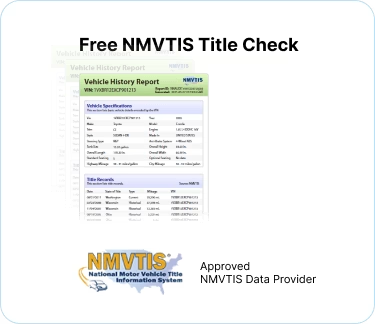
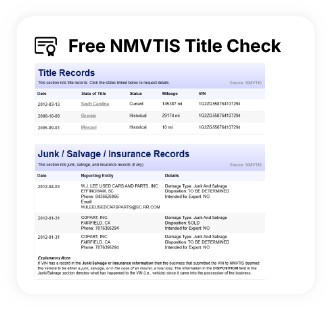
NMVTIS Title
History Check
History Check
Salvage/Rebuilt
Check
Check
Accident
Check
Check
Theft
Check
Check
Open Lien
Check
Check
Past Sale
Listings
Listings
Safety
Recalls
Recalls
Odometer
Check
Check
Market Price
Analysis
Analysis
What Problems Does the 1987 AMC Wagoneer Have?
The 1987 AMC Wagoneer, being a vehicle from this era, is prone to several common issues that affect its long-term reliability. One of the most frequently reported problems centers around the aging drivetrain components. The AMC 360 V8 engine, while generally robust, can suffer from oil leaks, valve stem seal wear, and carburetor issues. The automatic transmissions, often the Chrysler 727 TorqueFlite, can develop slippage, harsh shifting, or outright failure if not maintained.
Electrical gremlins are another persistent concern. This includes issues with the dashboard gauges (especially the speedometer and fuel gauge), power window motors, door locks, and the radio. The wiring harnesses can degrade over time, leading to intermittent problems that can be challenging to diagnose.
Rust is a significant enemy of these vehicles. The body panels, especially around the wheel wells, rocker panels, and tailgate, are susceptible to significant corrosion. The frame itself can also rust, compromising structural integrity and making repairs extensive and costly.
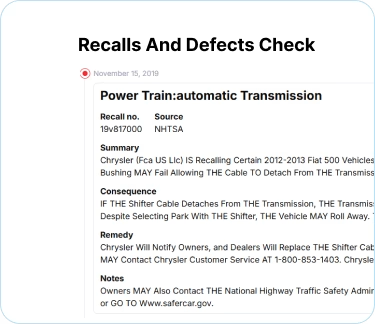
While specific recalls for the 1987 model year might be scarce and often related to safety campaigns for the broader Jeep line of that period, it is crucial for potential buyers to research any open recalls. Long-term reliability is highly dependent on the previous owner's maintenance habits. Vehicles that have been regularly serviced, especially with fluid changes and attention to rust prevention, will fare much better. Conversely, neglected examples can quickly become money pits due to the cost of addressing multiple simultaneous issues.
Electrical gremlins are another persistent concern. This includes issues with the dashboard gauges (especially the speedometer and fuel gauge), power window motors, door locks, and the radio. The wiring harnesses can degrade over time, leading to intermittent problems that can be challenging to diagnose.
Rust is a significant enemy of these vehicles. The body panels, especially around the wheel wells, rocker panels, and tailgate, are susceptible to significant corrosion. The frame itself can also rust, compromising structural integrity and making repairs extensive and costly.
While specific recalls for the 1987 model year might be scarce and often related to safety campaigns for the broader Jeep line of that period, it is crucial for potential buyers to research any open recalls. Long-term reliability is highly dependent on the previous owner's maintenance habits. Vehicles that have been regularly serviced, especially with fluid changes and attention to rust prevention, will fare much better. Conversely, neglected examples can quickly become money pits due to the cost of addressing multiple simultaneous issues.
How long will the 1987 AMC Wagoneer last?
Estimating average mileage for a 1987 AMC Wagoneer is tricky, but well-maintained examples can certainly surpass 200,000 miles. However, many have logged closer to 150,000 to 180,000 miles, often with significant component replacements along the way.
Long-term durability is a mixed bag. The core V8 engine and robust chassis offer good fundamental strength. The weaknesses lie in the aging electrical systems, rust susceptibility, and the wear and tear on transmission and suspension components. Over time, these systems become the primary focus for owners aiming for longevity. Consistent, diligent maintenance, including regular fluid changes, rustproofing, and addressing minor issues promptly, is paramount to extending its service life beyond the average. Without it, significant repairs can shorten its usable lifespan considerably.
What Technology & Safety Features are Included?
The 1987 AMC Wagoneer, while a luxury vehicle for its time, had relatively basic technology and safety features by modern standards. The built-in tech focused on convenience rather than advanced systems. Standard entertainment typically included an AM/FM stereo with a cassette player. Higher trim levels or optional packages might have offered an upgraded sound system with more speakers.
Driver-assistance features were virtually non-existent. There were no advanced cruise control systems, lane-keeping assist, or parking sensors. The primary form of driver assistance was the vehicle's four-wheel-drive system (Quadra-Trac), which aided in traction in various conditions.
Safety features were more rudimentary. Standard safety equipment would have included three-point seatbelts in the front (lap belts in the rear, depending on configuration), front disc brakes with rear drum brakes, and potentially an optional anti-lock braking system (ABS) for the rear wheels, though this was not standard across all models. The sheer size and weight of the Wagoneer provided a degree of passive safety.
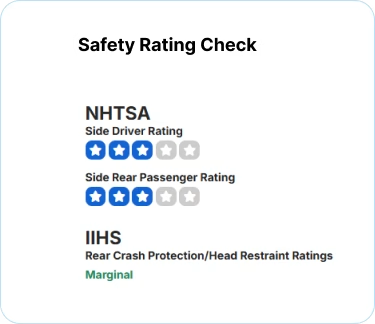
Crash-test ratings for vehicles from this era are not directly comparable to modern NHTSA or IIHS tests. However, the Wagoneer's construction was typical of large, body-on-frame SUVs of the 1980s, designed to be robust. Optional features that enhanced comfort and convenience included a power sunroof, power-adjustable front seats, and automatic climate control. Overall, the tech and safety were geared towards a comfortable and capable driving experience for the era, not the advanced electronic suites found today.
Driver-assistance features were virtually non-existent. There were no advanced cruise control systems, lane-keeping assist, or parking sensors. The primary form of driver assistance was the vehicle's four-wheel-drive system (Quadra-Trac), which aided in traction in various conditions.
Safety features were more rudimentary. Standard safety equipment would have included three-point seatbelts in the front (lap belts in the rear, depending on configuration), front disc brakes with rear drum brakes, and potentially an optional anti-lock braking system (ABS) for the rear wheels, though this was not standard across all models. The sheer size and weight of the Wagoneer provided a degree of passive safety.
Crash-test ratings for vehicles from this era are not directly comparable to modern NHTSA or IIHS tests. However, the Wagoneer's construction was typical of large, body-on-frame SUVs of the 1980s, designed to be robust. Optional features that enhanced comfort and convenience included a power sunroof, power-adjustable front seats, and automatic climate control. Overall, the tech and safety were geared towards a comfortable and capable driving experience for the era, not the advanced electronic suites found today.
What Colors Options are Available?
1987 AMC Wagoneer Prices and Market Value
When new, the 1987 AMC Grand Wagoneer commanded a significant price tag, often in the range of $30,000 to $35,000, making it a premium offering. Due to its age and the common issues associated with vehicles from this era, depreciation was substantial in its early years.
Today, the used market for the 1987 Wagoneer varies greatly based on condition. Well-maintained, low-mileage examples with desirable features and minimal rust can fetch anywhere from $10,000 to $25,000 or even more for pristine, show-quality vehicles. More common examples in fair to good condition might range from $4,000 to $8,000. Factors significantly affecting resale value include the presence of original woodgrain trim, the condition of the interior, mechanical soundness, and the extent of rust damage. Enthusiast demand for classic SUVs has kept values surprisingly strong for well-preserved examples.
1987 AMC Wagoneer Cost of Ownership
Owning a 1987 AMC Wagoneer is generally not considered economical. Fuel costs will be high due to the V8 engine and poor MPG. Insurance rates can vary, but classic car policies might be affordable if the vehicle is in good condition and driven sparingly.
Maintenance and repair costs are likely to be significant. Parts can be harder to find and more expensive than for common modern vehicles. Many repairs will require specialized knowledge of older automotive systems. Routine maintenance, like oil changes and tune-ups, is manageable, but unexpected repairs to the transmission, electrical system, or bodywork can be very costly. Overall, expect this to be a costly vehicle to own long-term, primarily due to fuel consumption and potential repair bills.
1987 AMC Wagoneer Fuel Efficiency
Fuel Type
Gasoline
Fuel Capacity
-
City Mileage
-
Highway Mileage
-
1987 AMC Wagoneer Warranty
Basic
Original warranty
0 months / No data
Estimated remaining
Expired
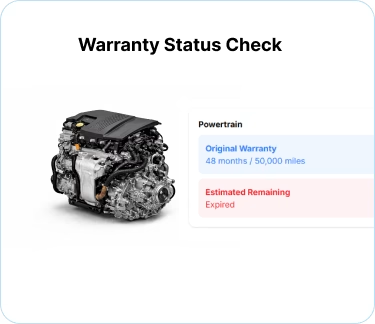
Powertrain
Original warranty
0 months / No data
Estimated remaining
Expired
Rust
Original warranty
0 months / No data
Estimated remaining
Expired
1987 AMC Wagoneer Insurance
Insurance for a 1987 AMC Wagoneer is moderately priced, reflecting its status as a Sport Utility Vehicle with strong safety ratings and
reasonable repair costs.
How Does the 1987 AMC Wagoneer Compare to Other Sport Utility Vehicle?
In 1987, the AMC Wagoneer (Grand Wagoneer trim) competed in the luxury SUV segment, facing rivals like the Chevrolet Suburban, Ford Bronco, and possibly the Range Rover in some markets.
Performance: The Wagoneer's V8 offered decent torque for towing and off-roading but was outpaced by more performance-oriented SUVs if they existed then. Its handling was truck-like and not its strong suit compared to some competitors. Competitors like the Suburban offered larger engine options.
Features: The Wagoneer excelled in its luxury appointments for the era, with woodgrain trim and plush interiors setting it apart. Competitors offered varying levels of luxury, with the Range Rover often being the benchmark for true off-road luxury. The Suburban offered more utilitarian features and seating capacity.
Reliability: This is where the Wagoneer often struggled compared to some rivals. While robust, its electrical systems and susceptibility to rust were notable weaknesses. The Ford Bronco and Chevrolet Suburban, being from larger manufacturers, might have had a slight edge in parts availability and overall long-term mechanical reliability if well-maintained, though they also had their own common issues. Range Rovers from this period are known for their own complex electrical and hydraulic systems, making them equally challenging.
Price: The Grand Wagoneer was positioned as a premium vehicle, often priced higher than many domestic competitors like the Suburban or Bronco.
Alternatives: For similar luxury and off-road capability, a well-maintained **Range Rover Classic** would be a comparable, albeit more expensive and potentially more complex, alternative. For sheer utility and space with comparable robustness, a **Chevrolet Suburban** or **Ford F-250 Super Duty** with an aftermarket camper shell could offer more towing and cargo capacity, though less inherent luxury. If luxury is paramount and off-road capability less so, a **Lincoln Town Car** (though a sedan) offered a plush ride. If a buyer is drawn to the Wagoneer's aesthetic but wants potentially better reliability and modern features, modern luxury SUVs like a **Lexus LX** or **Toyota Land Cruiser** are vastly superior, but are in a different price bracket and era.
Performance: The Wagoneer's V8 offered decent torque for towing and off-roading but was outpaced by more performance-oriented SUVs if they existed then. Its handling was truck-like and not its strong suit compared to some competitors. Competitors like the Suburban offered larger engine options.
Features: The Wagoneer excelled in its luxury appointments for the era, with woodgrain trim and plush interiors setting it apart. Competitors offered varying levels of luxury, with the Range Rover often being the benchmark for true off-road luxury. The Suburban offered more utilitarian features and seating capacity.
Reliability: This is where the Wagoneer often struggled compared to some rivals. While robust, its electrical systems and susceptibility to rust were notable weaknesses. The Ford Bronco and Chevrolet Suburban, being from larger manufacturers, might have had a slight edge in parts availability and overall long-term mechanical reliability if well-maintained, though they also had their own common issues. Range Rovers from this period are known for their own complex electrical and hydraulic systems, making them equally challenging.
Price: The Grand Wagoneer was positioned as a premium vehicle, often priced higher than many domestic competitors like the Suburban or Bronco.
Alternatives: For similar luxury and off-road capability, a well-maintained **Range Rover Classic** would be a comparable, albeit more expensive and potentially more complex, alternative. For sheer utility and space with comparable robustness, a **Chevrolet Suburban** or **Ford F-250 Super Duty** with an aftermarket camper shell could offer more towing and cargo capacity, though less inherent luxury. If luxury is paramount and off-road capability less so, a **Lincoln Town Car** (though a sedan) offered a plush ride. If a buyer is drawn to the Wagoneer's aesthetic but wants potentially better reliability and modern features, modern luxury SUVs like a **Lexus LX** or **Toyota Land Cruiser** are vastly superior, but are in a different price bracket and era.
Final Verdict: Is the 1987 AMC Wagoneer a Good Sport Utility Vehicle?
The 1987 AMC Wagoneer is ideal for automotive enthusiasts who appreciate classic American luxury, iconic styling, and robust off-road capability. It's a vehicle for those who value character and a unique driving experience over modern conveniences and fuel efficiency.
Whether it's worth buying depends heavily on condition and owner expectations. A well-maintained, rust-free example can be a rewarding ownership experience for someone willing to invest time and money in its upkeep. It is absolutely a used vehicle purchase; new ones are not available. Focus on the Grand Wagoneer trim for the full luxury experience.
This vehicle is not for the budget-conscious or those seeking reliable daily transportation without a dedicated mechanic. It's best suited for collectors, weekend adventurers, or those undertaking a restoration project. Buy with extreme caution, prioritize mechanical and structural soundness over cosmetics, and be prepared for the associated costs of ownership.
Whether it's worth buying depends heavily on condition and owner expectations. A well-maintained, rust-free example can be a rewarding ownership experience for someone willing to invest time and money in its upkeep. It is absolutely a used vehicle purchase; new ones are not available. Focus on the Grand Wagoneer trim for the full luxury experience.
This vehicle is not for the budget-conscious or those seeking reliable daily transportation without a dedicated mechanic. It's best suited for collectors, weekend adventurers, or those undertaking a restoration project. Buy with extreme caution, prioritize mechanical and structural soundness over cosmetics, and be prepared for the associated costs of ownership.