
The Good
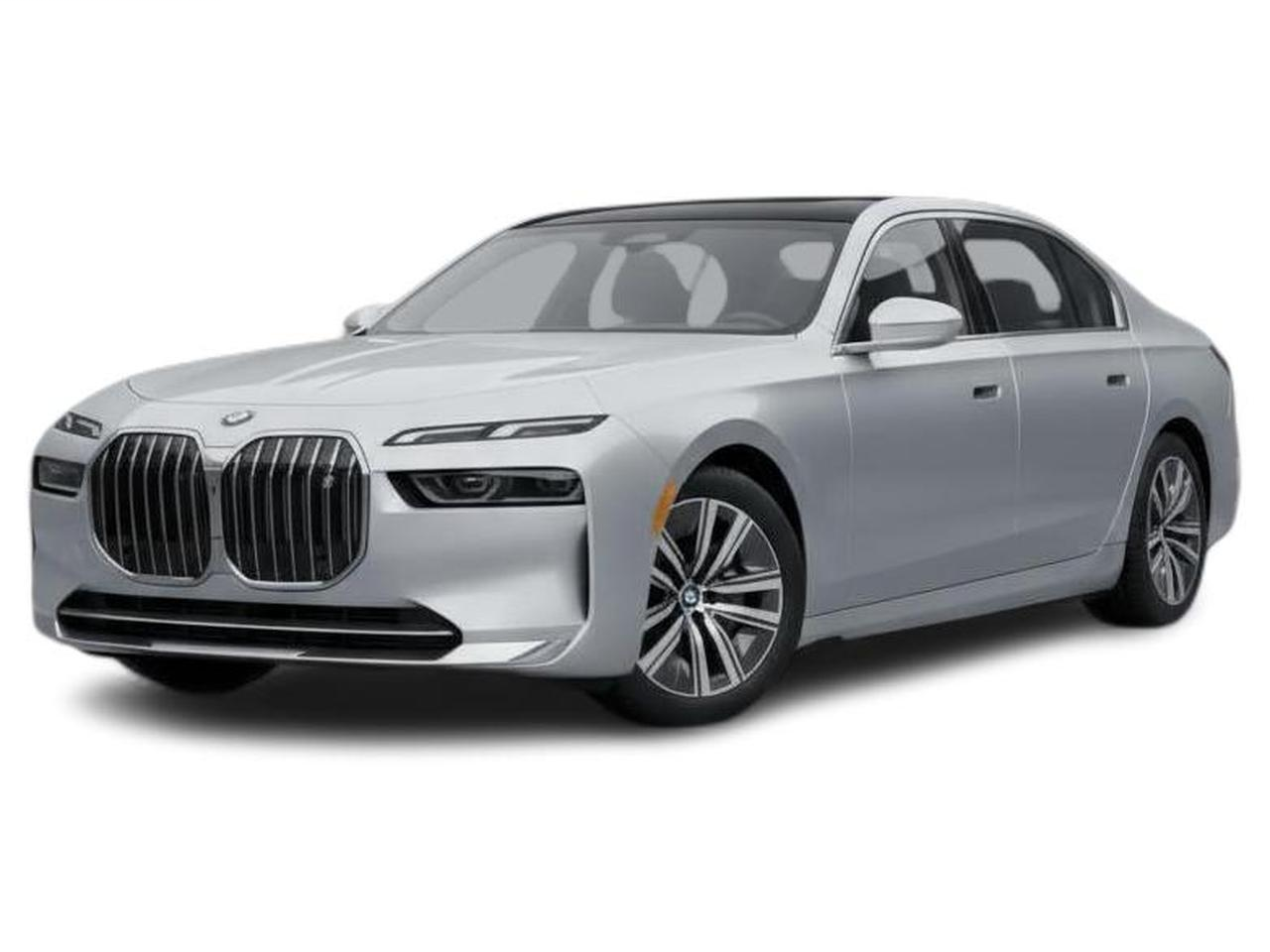
The 2026 BMW i7 offers exhilarating electric acceleration, a supremely quiet and comfortable ride, and a lavish, technologically advanced cabin. Its striking design commands attention, while impressive range appeals to practicality. This combination of performance, luxury, and innovation provides an emotionally satisfying and rationally sound ownership experience.
The Bad
Potential drawbacks for the 2026 BMW i7 include its exceptionally high price point, making it inaccessible for many. Some might find the sheer amount of technology overwhelming, and the large exterior dimensions can be challenging for urban maneuvering and parking. Charging times, though improving, still require planning for longer journeys.
2026 BMW I7: Quick Overview
- Engine Options & Performance: The 2026 BMW i7 is exclusively electric. It features dual electric motors, providing all-wheel drive.
- i7 xDrive60: Estimated 536 horsepower and 549 lb-ft of torque.
- i7 M70: Estimated 650+ horsepower and 740+ lb-ft of torque (with M Sport Boost).
- Fuel Economy (MPGe): Estimated to be around 85-90 MPGe combined, varying slightly by trim and configuration. Exact EPA ratings will be finalized closer to launch.
- 0-60 MPH Times:
- i7 xDrive60: Approximately 4.5 seconds.
- i7 M70: Expected to be under 3.7 seconds.
- Towing Capacity: The BMW i7 is not designed or equipped for towing.
- Battery & Range: Likely equipped with a large battery pack (around 101.7 kWh usable). Estimated range typically falls between 290-318 miles on a full charge, depending on trim and driving conditions.
- Trim-Level Features (General Expectations):
- Standard Features: Panoramic Sky Lounge LED roof, heated and ventilated front seats with massage function, BMW Curved Display with iDrive 8.5, high-quality interior materials (e.g., Merino leather, fine wood), four-zone automatic climate control, adaptive air suspension, advanced driver-assistance systems (e.g., adaptive cruise control, lane keeping assist), 19-inch wheels.
- i7 xDrive60: Focuses on ultimate luxury and smooth electric propulsion.
- i7 M70: Adds M-specific performance enhancements, sportier suspension tuning, larger wheels (20-21 inches), M aerodynamic body styling, M Sport brakes, and exclusive interior M accents. Higher-end audio systems and enhanced comfort features often become standard or more readily available. Optional features may include a rear-seat entertainment system with a 31-inch theater screen and upgraded premium sound systems.
2026 BMW I7 Specifications
Vehicle Information
| Year | 2026 |
| Make | BMW |
| Model | I7 |
| Trim | - |
| Style | - |
| Type | Hatchback |
| Category | Minicompact Car |
Manufacturing Details
| Made In | Germany |
| Manufacturing City | DINGOLFING |
Dimensions
| Doors | 4-Door |
| Curb Weight | - |
| Gross Vehicle Weight Rating | - |
| Overall Height | - |
| Overall Length | 212.20 inches |
| Overall Width | - |
| Wheelbase Length | 126.60 inches |
| Standard Seating | 5 |
Engine & Performance
| Engine | Electric |
| Engine Size | - |
| Engine Cylinders | - |
| Transmission | 1-Speed Automatic |
| Transmission Type | Automatic |
| Transmission Speeds | 1-Speed |
| Drivetrain | All-Wheel Drive |
Additional Features
| Anti-Brake System | 4-Wheel ABS |
| Steering Type | Rack & Pinion |
Pricing
| Manufacturer Suggested Retail Price (MSRP) | $168,500 |
| Invoice Price | - |
| Delivery Charges | $1,175 |
Vehicle History Report
Specifications
History
Events
History Check
Check
Check
Check
Check
Listings
Recalls
Check
Analysis
What Problems Does the 2026 BMW I7 Have?
Another area that can be a concern for any electric vehicle is battery health over many years. While BMW typically offers robust battery warranties (often 8 years or 100,000 miles), the long-term degradation of the large battery pack remains a factor in overall ownership. Early reports have not indicated widespread battery issues, but it's a point of ongoing observation for all EVs. Specific recalls for the initial i7 models have been relatively minor, often pertaining to software updates for safety systems or minor component checks, which is fairly typical for the first few years of a new generation. There haven't been widespread, systemic mechanical failures reported that would suggest a significant long-term reliability crisis. However, the complexity of the vehicle means that out-of-warranty repairs, particularly on the advanced electronics and powertrain, could be costly. Owners should prioritize sticking to the recommended maintenance schedule diligently to mitigate potential issues and ensure optimal performance throughout the vehicle's lifespan.
How long will the 2026 BMW I7 last?
Long-term durability is expected to be good, especially concerning the structural integrity and core components. However, the advanced electronics and complex software systems, while offering a premium experience, are also potential areas for wear and tear or obsolescence over extended periods. Battery degradation is a key factor for EVs; while typically warrantied for 8 years, maintaining consistent charging habits and avoiding extreme conditions can extend its effective lifespan. Out-of-warranty repairs on high-voltage systems and sophisticated interior tech could be significant, making proactive maintenance crucial for maximizing longevity beyond the typical warranty period.
What Technology & Safety Features are Included?
For entertainment, especially for rear passengers, BMW offers an optional 31-inch Theater Screen that descends from the roof, providing an immersive cinematic experience with streaming capabilities. High-quality audio systems are standard, with premium Bowers & Wilkins systems available as an upgrade.
Driver-assistance features are comprehensive, often including standard equipment like adaptive cruise control with stop-and-go functionality, lane keeping assist, blind-spot monitoring, and automatic emergency braking. Optional packages can add more advanced capabilities such as highway assist for hands-free driving on certain roads, parking assistant plus with remote parking capabilities, and a surround-view camera system.
Safety is paramount, with a robust chassis construction and a suite of airbags. While official crash-test ratings for the 2026 model are yet to be released by organizations like the NHTSA and IIHS, previous BMW 7 Series and i7 models have historically performed exceptionally well, earning top marks. It's anticipated that the 2026 i7 will continue this trend, benefiting from advanced structural engineering and sophisticated electronic safety systems.
What Colors Options are Available?
2026 BMW I7 Prices and Market Value
Factors affecting resale value include battery health, software updates received, overall condition, mileage, and trim level. Higher trims and those with desirable optional packages tend to hold their value better. Maintaining meticulous service records and keeping the vehicle in pristine condition will be crucial for maximizing its resale value. The increasing adoption of EVs and potential government incentives could also influence the used market dynamics over time.
2026 BMW I7 Cost of Ownership
2026 BMW I7 Fuel Efficiency
2026 BMW I7 Safety Rating
NHTSA
2026 BMW I7 Warranty
Basic
Powertrain
Rust
2026 BMW I7 Insurance
reasonable repair costs.
How Does the 2026 BMW I7 Compare to Other Hatchback?
Performance: The i7 offers strong, smooth acceleration, particularly in the M70 variant, rivaling the EQS but often falling slightly behind the more dynamically focused Taycan in outright sporty driving. Its comfort-oriented suspension provides a superior ride quality compared to the Taycan, and generally matches or exceeds the EQS in serene isolation.
Features: BMW excels in interior luxury and technological integration. The i7's optional Theater Screen is a unique selling point unmatched by rivals. The EQS boasts its Hyperscreen for a futuristic dashboard, while the Taycan focuses on driver-centric technology.
Reliability: Reliability is a mixed bag for all these high-tech EVs. The i7 and EQS, being newer entrants, are still building long-term track records. The Taycan, a more mature product, has generally shown good reliability for a performance EV, though repairs can be costly. Early i7 models have had some software quirks, similar to the EQS, which BMW is actively addressing.
Price: The i7 is positioned similarly to the EQS, with both offering a wide range of trims and options that significantly inflate prices. The Taycan, especially in higher trims, can also reach comparable or higher price points but generally starts at a slightly more accessible base level for certain configurations.
Alternatives:
- Mercedes-Benz EQS Sedan: A strong competitor offering a similarly opulent interior and advanced technology, with a focus on futuristic design and comfort.
- Porsche Taycan: For buyers prioritizing driving dynamics and a more engaging, sporty experience over outright luxury.
- Tesla Model S: While less luxurious inside, the Model S offers impressive range, performance, and access to Tesla's Supercharger network, often at a lower price point.
The i7 is an excellent choice for those who prioritize a supremely comfortable, technologically advanced, and visually striking electric luxury sedan, especially if the rear-seat experience is important. If maximum driving engagement is key, the Taycan is a better fit. The EQS offers a compelling alternative with its own distinct brand of luxury and tech.
Final Verdict: Is the 2026 BMW I7 a Good Hatchback?
Whether it's worth buying depends on individual priorities and budget. For those seeking unparalleled interior comfort and a cutting-edge tech experience, the i7 is a compelling choice. Buying new ensures the latest features and full warranty coverage, but it comes with significant depreciation. The i7 xDrive60 offers a balanced blend of luxury and performance for most buyers. The i7 M70 is for the enthusiast who desires more power without compromising luxury. Purchasing a lightly used i7 (1-3 years old) could offer substantial savings, but careful inspection of battery health and electronics is recommended. It's a purchase driven by desire for the finest electric luxury, not necessarily by strict cost-effectiveness.

Cathleen V
Cathleen is an exceptional freelance writer covering hot topics in the automotive world from a gearhead's perspective. Her articles delve into various aspects of automotive technology and history, offering readers detailed insights into engine performance, reliability, and maintenance. Through her engaging and informative writing, Cathleen provides valuable information to automotive enthusiasts and consumers alike, helping them make informed decisions about vehicle maintenance and purchases.