
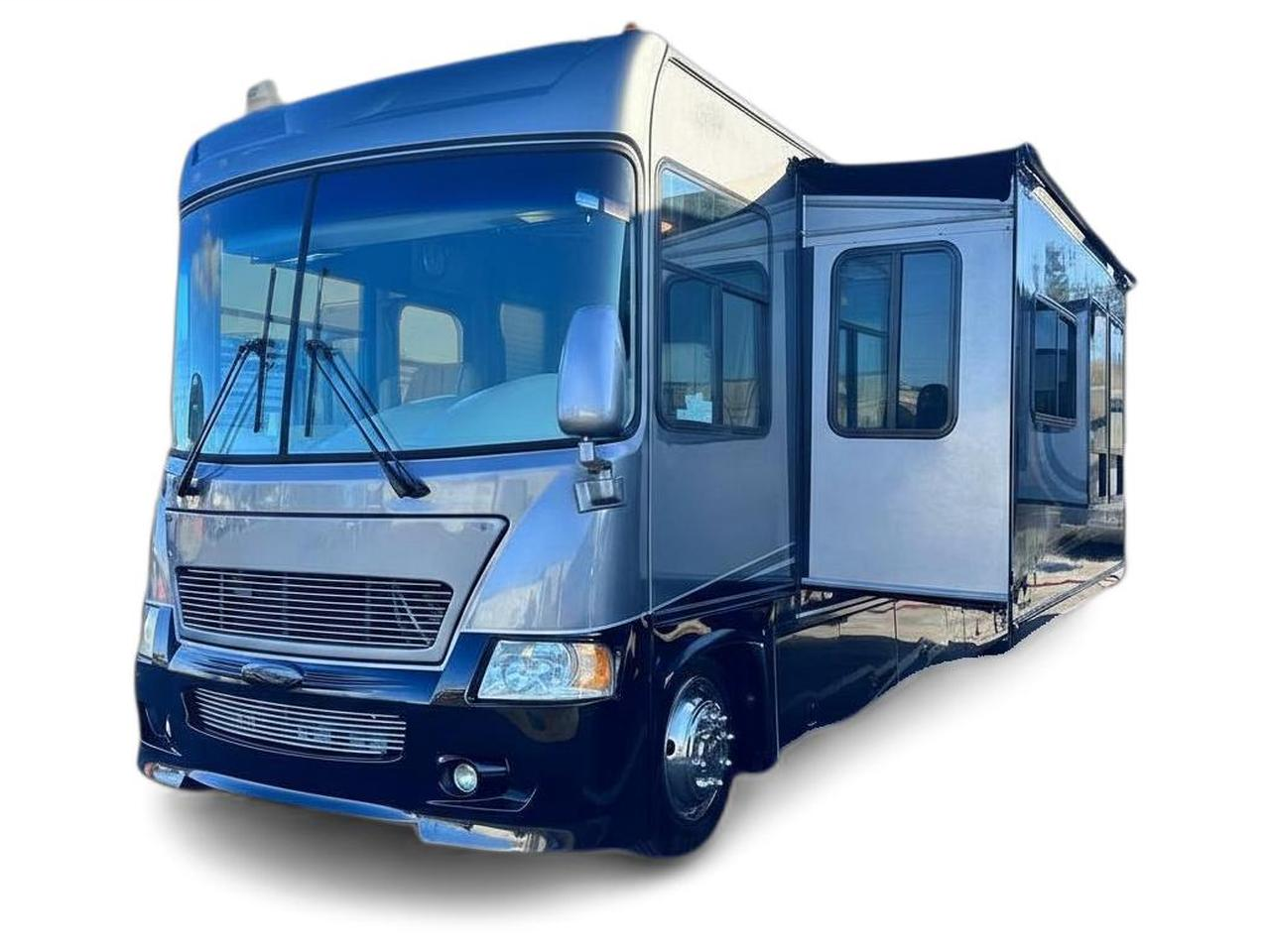
The Good
The 2006 Workhorse W24 offers exceptional durability and towing prowess, appealing to practical buyers seeking a dependable workhorse. Its robust chassis provides a sense of security and stability, while the powerful engine options ensure confident performance on the road, fulfilling the emotional desire for capability and control.
The Bad
Potential buyers of the 2006 Workhorse W24 should be aware of possible issues with the transmission, brake system wear, and occasional electrical gremlins. Regular and thorough pre-purchase inspections are crucial to identify any existing or impending problems.
2006 Workhorse W24: Quick Overview
- Engine Options: The 2006 Workhorse W24 chassis was typically offered with a choice of robust gasoline engines. The most common was the Chevrolet/Workhorse 8.1L V8 (Vortec 496ci). Diesel options were less common for this specific chassis in the W24 designation, but configurations could vary based on the final upfitter.
- Horsepower: The 8.1L V8 engine typically produced around 320-330 horsepower. Specific outputs could vary slightly depending on the year and exact configuration.
- Fuel Economy: Fuel economy for a vehicle of this size and weight, especially when configured as an RV, is not a strong suit. Owners typically report figures in the range of 8-12 miles per gallon (MPG), heavily dependent on driving conditions, load, and the specific powertrain.
- 0-60 Times: Official 0-60 mph times are rarely published for chassis models like the W24, as they are intended for commercial or recreational use rather than spirited driving. When equipped as a motorhome, acceleration would be considerably slower, likely in the 15-25 second range, depending on the coach's weight.
- Towing Capacity (if applicable): The W24 chassis is built for substantial loads. While specific towing capacities vary greatly based on the final vehicle configuration (e.g., motorhome chassis ratings vs. a stripped chassis for a box truck), the chassis itself is designed to handle significant gross vehicle weight ratings (GVWR) and can support substantial towing when properly equipped. For RV applications, it was designed to tow substantial trailers or other vehicles.
- Trim-Level Features: As a chassis, the W24 doesn't have traditional trim levels like passenger vehicles. However, features were determined by the upfitter. Common chassis features included:
- Heavy-duty suspension systems for stability and load-carrying capacity.
- Robust braking systems designed for larger vehicles.
- Air brake systems were often an option or standard on heavier configurations.
- Power steering and tilt steering columns.
- Basic instrumentation focused on critical vehicle operations.
- Optional features could include integrated generator prep, specific electrical systems for RV use, and enhanced cooling systems.
2006 Workhorse W24 Specifications
Vehicle Information
| Year | 2006 |
| Make | Workhorse |
| Model | W24 |
| Trim | - |
| Style | - |
| Type | Recreational Vehicle |
| Category | Heavy Truck |
Manufacturing Details
| Made In | United States |
| Manufacturing City | UNION CITY |
Dimensions
| Doors | - |
| Curb Weight | - |
| Gross Vehicle Weight Rating | 26000 pounds |
| Overall Height | - |
| Overall Length | - |
| Overall Width | - |
| Wheelbase Length | - |
| Standard Seating | - |
Engine & Performance
| Engine | 8.1L V8 |
| Engine Size | 8.1L |
| Engine Cylinders | 8 |
| Transmission | - |
| Transmission Type | - |
| Transmission Speeds | - |
| Drivetrain | Rear-Wheel Drive |
Additional Features
| Anti-Brake System | - |
| Steering Type | - |
Pricing
| Manufacturer Suggested Retail Price (MSRP) | - |
| Invoice Price | - |
| Delivery Charges | - |
Vehicle History Report
Specifications
History
Events
History Check
Check
Check
Check
Check
Listings
Recalls
Check
Analysis
What Problems Does the 2006 Workhorse W24 Have?
Electrical gremlins are not uncommon in older vehicles, and the W24 can be susceptible. This could manifest as intermittent issues with dashboard lights, sensors, or accessory functions. Cooling system maintenance is also vital; overheating can lead to significant engine damage, so ensuring the radiator, water pump, and hoses are in good condition is essential.
Regarding recalls, it is imperative for potential buyers to check the National Highway Traffic Safety Administration (NHTSA) database for any safety recalls that may have been issued for the specific VIN of the vehicle they are considering. While general issues are discussed, specific recalls often address particular component failures that could pose a safety risk. Long-term reliability is generally considered good for the W24 chassis if properly maintained. The underlying build is solid, but like any heavy-duty vehicle, its longevity is directly tied to the quality and consistency of its maintenance and repair history. Neglected maintenance on critical systems like the powertrain and brakes will significantly shorten its service life and increase the likelihood of costly repairs.
How long will the 2006 Workhorse W24 last?
Weaknesses that can emerge over time, particularly with high mileage or less-than-ideal maintenance, include potential transmission wear, suspension component fatigue, and corrosion on the chassis frame, especially in areas exposed to road salt. The 8.1L V8 engine itself is robust, but ancillary systems and components will eventually require attention. Proactive maintenance and addressing minor issues before they escalate are crucial for maximizing the lifespan of a 2006 Workhorse W24.
What Technology & Safety Features are Included?
Entertainment systems were almost entirely dependent on the final upfitter. In RV configurations, these could range from basic AM/FM radios with CD players to more sophisticated multi-speaker audio systems, often integrated into the living space rather than the cab. Some higher-end RVs might have included rudimentary entertainment consoles with VCRs or early DVD players. Modern connectivity features like Bluetooth, USB ports, or touchscreens were generally not standard equipment on the chassis itself and would have been added by the RV manufacturer or aftermarket.
Driver-assistance features were very limited for this era and vehicle type. Advanced features like adaptive cruise control, lane departure warnings, or blind-spot monitoring were not available. Standard safety features would include seatbelts for the driver and any passengers in the cab. Given its heavy-duty nature, the robust construction of the chassis itself contributes to safety, providing a strong frame in the event of a collision. Antilock Braking System (ABS) was often a standard or optional feature, crucial for maintaining steering control during hard braking.
Crash-test ratings are not typically available for chassis models like the Workhorse W24 in the same way they are for consumer vehicles. The safety of the overall vehicle (e.g., the motorhome) would be evaluated based on the integrated design by the RV manufacturer, considering factors like structural integrity of the coach body and occupant protection within the living space. Optional features for the chassis itself might have included things like auxiliary transmission coolers for heavy towing or specific electrical packages tailored for RV appliances and systems.
What Colors Options are Available?
2006 Workhorse W24 Prices and Market Value
On the current used market, the value of a 2006 Workhorse W24 is heavily influenced by its condition and what it has been built into. A stripped chassis is rare to find and would be valued for its components. A complete motorhome built on this chassis will typically fall into the lower end of the pre-owned RV market. Expect prices for well-maintained RVs on a W24 chassis to range from $15,000 to $40,000, with higher prices for exceptional condition or premium RV conversions.
Depreciation on these vehicles is significant. The initial drop in value is steep, especially for RVs. Factors affecting resale value include the overall condition of the chassis and the RV body, mileage, maintenance history, the presence of any major mechanical issues, and the desirability of the specific RV model. Older, well-maintained units can hold value better than neglected ones.
2006 Workhorse W24 Cost of Ownership
2006 Workhorse W24 Fuel Efficiency
2006 Workhorse W24 Recalls & Defects
Steering
Engine and Engine Cooling
2006 Workhorse W24 Warranty
Basic
Powertrain
Rust
2006 Workhorse W24 Insurance
reasonable repair costs.
How Does the 2006 Workhorse W24 Compare to Other Recreational Vehicle?
Performance: The W24, often equipped with the 8.1L V8, generally offered strong towing and hauling capabilities, rivaling or exceeding many Ford E-series chassis of the same era in raw power. GM's offerings were also competitive.
Features: Features were highly dependent on the upfitter. In terms of standard chassis features like suspension and braking, the W24 was robust. Compared to Ford, it was often seen as a more heavy-duty offering. However, Ford's E-series often had a broader range of engine options and a more established dealer network for parts and service.
Reliability: Workhorse chassis had a reputation for being durable, though some specific transmission issues have been noted over time. Ford chassis are generally known for their widespread parts availability and good reliability, with fewer specific widespread common failures compared to some Workhorse models.
Price: New chassis prices were competitive, but the overall cost of the completed vehicle (RV or commercial body) was the primary driver. Used prices for W24-based vehicles can be attractive due to depreciation.
Alternatives:
- Similar Alternatives: Other heavy-duty chassis from Ford (like the F-Series stripped chassis used for some RVs) or Freightliner (for larger RVs) could be considered. For commercial applications, chassis from International or Hino might be comparable.
- Potentially Better Alternatives: If seeking ultimate reliability and ease of service, a well-maintained Ford E-Series chassis (particularly the E-450 or E-550) is often recommended due to its extensive dealer network and proven track record. For those prioritizing a more modern feel or specific capabilities, newer chassis models or different vehicle classes might be more suitable, though they would come at a significantly higher price point. For simpler, lighter-duty commercial uses, some may opt for cutaway vans from Mercedes-Benz (Sprinter) or Ram ProMaster, though these are in a different weight and capability class.
Final Verdict: Is the 2006 Workhorse W24 a Good Recreational Vehicle?
It is best purchased used, as new chassis are no longer produced. When considering a used vehicle built on this chassis, thorough pre-purchase inspections are non-negotiable. Focus on models with comprehensive maintenance records. While it offers strong core capabilities, buyers should be prepared for higher fuel consumption and potentially more involved maintenance compared to lighter-duty alternatives. It is a practical choice for those who value a solid build over cutting-edge technology or extreme fuel efficiency.

Drew B
Drew is a seasoned automotive expert and contributor to VinCheck.info. With nearly 15 years of experience as a former Porsche technician, he brings a wealth of hands-on knowledge to his writing. Born in North Carolina, a region renowned for its deep-rooted NASCAR culture, Drew developed a passion for cars early in life, often building and working on vehicles from a young age. At VINCheck, Drew leverages his extensive technical background to provide in-depth analyses of various vehicles. His articles often focus on engine performance, reliability, and maintenance insights, offering readers practical information grounded in real-world experience. Some of his notable contributions include reviews on the Mazda CX-5's longevity and detailed examinations of engine options for models like the 2011 Toyota Camry and Tacoma