
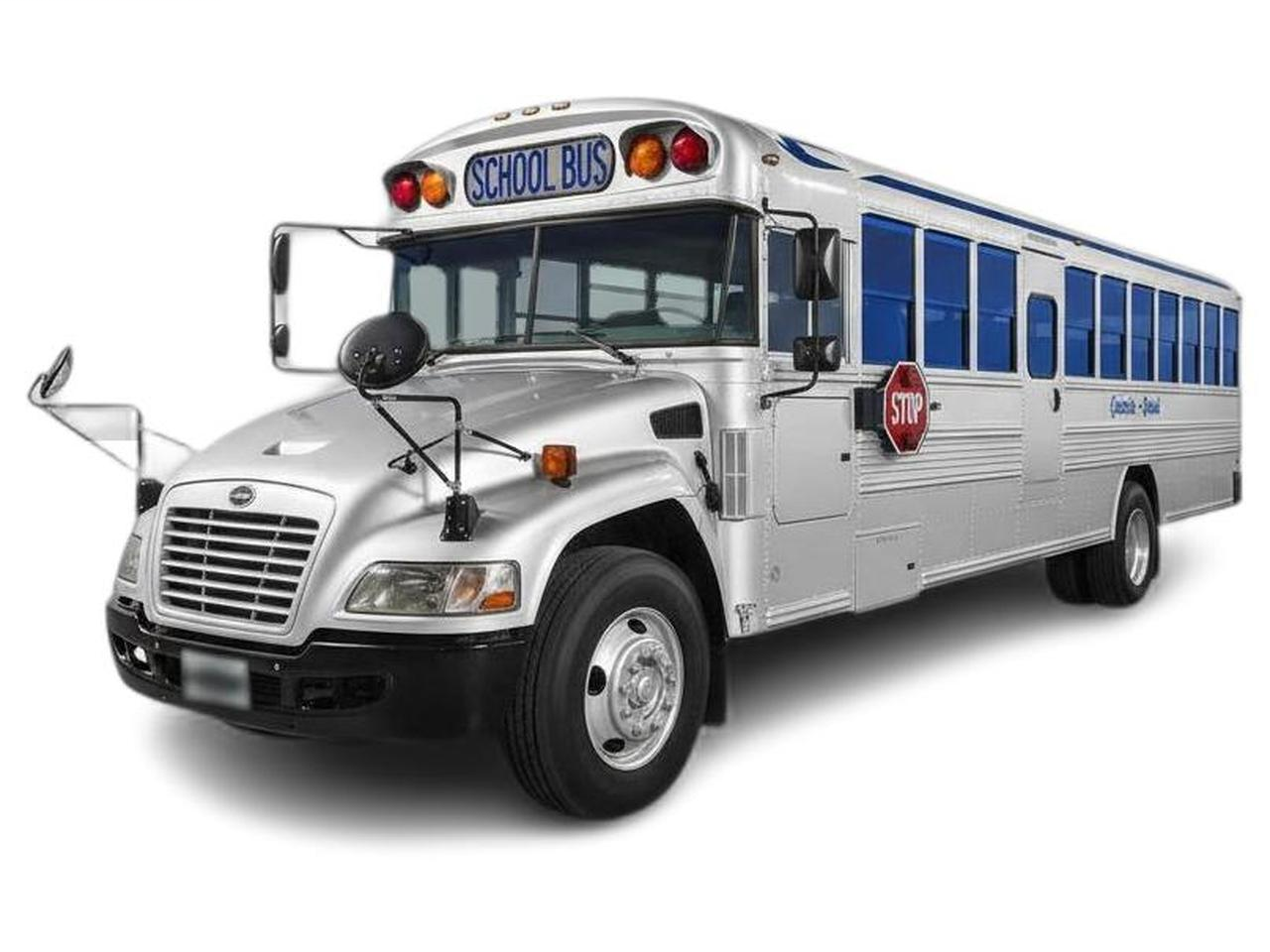
The Good
The 2013 Blue Bird BB Conventional offers exceptional reliability and durability, providing peace of mind for school districts and parents alike. Its straightforward design ensures ease of maintenance, while its spacious interior prioritizes passenger comfort and safety. This bus represents excellent value, a testament to its long service life and dependable performance.
The Bad
Potential weaknesses for the 2013 Blue Bird BB Conventional often revolve around the aging of components common in buses of this vintage. Look out for wear and tear on the drivetrain, suspension, and interior fittings. Electrical system issues and rust, particularly in areas exposed to harsh weather, can also be points to scrutinize during inspection.
2013 Blue Bird BB Conventional: Quick Overview
- Engine Options: The 2013 Blue Bird BB Conventional typically offered a selection of robust diesel engines designed for heavy-duty service. Common choices included Cummins ISB and International VT365 or MaxxForce 7 engines. These engines are known for their torque and longevity, suitable for the demanding stop-and-go operation of school bus routes.
- Horsepower: Horsepower ratings varied depending on the specific engine installed, but generally ranged from approximately 170 hp to 230 hp. These figures are sufficient to power a fully loaded school bus with necessary acceleration for safe operation in traffic and on varied terrain.
- Fuel Economy: Fuel economy for a vehicle of this size and purpose is not typically measured by traditional MPG figures. However, these diesel engines are engineered for efficiency under load, with estimates often falling in the range of 6-10 miles per gallon depending on load, route, and driving conditions.
- 0-60 Times: Official 0-60 mph acceleration times are not a standard metric for school buses, as performance is prioritized for safe, steady acceleration rather than speed. Acceleration is adequate for its intended purpose, allowing it to merge with traffic and climb grades when fully loaded.
- Towing Capacity: School buses like the 2013 Blue Bird BB Conventional are not designed for towing and do not have a specified towing capacity.
- Trim-Level Features: The BB Conventional is primarily defined by its functional specifications rather than traditional trim levels. Key features would include seating capacity (ranging from 66 to 77 passengers in standard configurations), emergency exits (roof hatches, side emergency doors), robust heating systems, driver-focused controls, and safety features like flashing lights and stop signs. Optional features might include wheelchair lifts, air conditioning (though less common in older models), and specialized interior configurations for different age groups or needs. The focus is on durability, safety, and functionality for student transportation.
2013 Blue Bird BB Conventional Specifications
Vehicle Information
| Year | 2013 |
| Make | Blue Bird |
| Model | BB Conventional |
| Trim | - |
| Style | - |
| Type | Pickup Truck |
| Category | Bus |
Manufacturing Details
| Made In | United States |
| Manufacturing City | FORT VALLEY |
Dimensions
| Doors | - |
| Curb Weight | - |
| Gross Vehicle Weight Rating | 33000 pounds |
| Overall Height | - |
| Overall Length | - |
| Overall Width | - |
| Wheelbase Length | - |
| Standard Seating | - |
Engine & Performance
| Engine | 8.1L V8 |
| Engine Size | 8.1L |
| Engine Cylinders | 8 |
| Transmission | - |
| Transmission Type | - |
| Transmission Speeds | - |
| Drivetrain | - |
Additional Features
| Anti-Brake System | - |
| Steering Type | - |
Pricing
| Manufacturer Suggested Retail Price (MSRP) | - |
| Invoice Price | - |
| Delivery Charges | - |
Vehicle History Report
Specifications
History
Events
History Check
Check
Check
Check
Check
Listings
Recalls
Check
Analysis
What Problems Does the 2013 Blue Bird BB Conventional Have?
Rust and corrosion are significant concerns, especially for buses operating in climates with heavy road salt use. This can affect the undercarriage, wheel wells, and body panels, potentially compromising structural integrity over time. Suspension components, such as leaf springs and shock absorbers, can also show signs of wear and require replacement due to the constant stress of carrying heavy loads.
Electrical gremlins can also surface, including issues with lighting systems, wiring harnesses, and control modules. These can be exacerbated by vibration and exposure to the elements.
Recalls for this model year and general Blue Bird Conventional buses can vary. It is crucial for potential buyers to check for any outstanding recalls with the manufacturer or through NHTSA (National Highway Traffic Safety Administration) databases. Recalls often pertain to safety-critical components like braking systems, seat belt assemblies, or emergency exit mechanisms.
Long-term reliability heavily depends on the maintenance history. A well-maintained 2013 Blue Bird BB Conventional, with regular fluid changes, filter replacements, and component inspections, can continue to serve reliably. However, neglected maintenance will accelerate wear and increase the likelihood of costly repairs, particularly concerning the diesel particulate filter (DPF) system and related emissions controls, which can be expensive to repair or replace if not properly managed.
How long will the 2013 Blue Bird BB Conventional last?
What Technology & Safety Features are Included?
Built-in Tech: The core technology revolves around the driver's operational interface. This includes a functional dashboard displaying essential vehicle information like speed, engine status, fuel level, and warning lights. It typically features a robust radio system, often with AM/FM capabilities and basic speaker setup, suitable for driver use. Climate control is usually limited to a powerful heater, with air conditioning being an optional, though sometimes found, feature.
Entertainment: In-bus entertainment is generally limited to what passengers bring themselves. There are no integrated entertainment systems like screens or advanced audio setups as standard. The focus is on the journey and safety, not on-board media consumption.
Driver-Assistance Features: Driver-assistance systems are minimal. Features like backup cameras were not standard and would have been optional additions. Parking sensors are also uncommon. The driver relies on large mirrors and their own judgment for maneuvering. Some models might have had basic cruise control, but advanced adaptive cruise control or lane-keeping assist are absent.
Safety Features: Safety is paramount. Standard features include a reinforced chassis and body structure designed to protect occupants in a collision. It incorporates multiple emergency exits (roof hatches, rear and side emergency doors), a robust braking system, seat belts for the driver and potentially for some passenger seats depending on regulations and configuration, and the iconic flashing red lights and extendable stop sign to ensure safe passenger boarding and alighting.
Optional Features: Optional safety and convenience features could include wheelchair lifts and securement systems for passengers with disabilities, an upgraded HVAC system for air conditioning, and sometimes interior cameras for monitoring.
Crash-Test Ratings: Specific crash-test ratings for individual model years like the 2013 Blue Bird BB Conventional are not typically published by organizations like NHTSA in the same way they are for passenger cars. However, Blue Bird buses are designed and manufactured to meet or exceed stringent federal safety standards (FMVSS) for school buses, which are rigorously enforced and focus on structural integrity, occupant protection, and emergency egress.
What Colors Options are Available?
2013 Blue Bird BB Conventional Prices and Market Value
Depreciation for school buses is steep in the early years but stabilizes significantly afterward. They are work vehicles, and their value depreciates based on usage, wear and tear, and mechanical condition rather than cosmetic appeal. Factors like a clean title, complete maintenance logs, and low hours/mileage for its age will boost resale value. Conversely, extensive rust, major mechanical issues, or a history of neglect will severely diminish it. While not a typical consumer vehicle, these buses retain value for organizations needing reliable transportation.
2013 Blue Bird BB Conventional Cost of Ownership
2013 Blue Bird BB Conventional Fuel Efficiency
2013 Blue Bird BB Conventional Warranty
Basic
Powertrain
Rust
2013 Blue Bird BB Conventional Insurance
reasonable repair costs.
How Does the 2013 Blue Bird BB Conventional Compare to Other Pickup Truck?
Performance: In terms of performance, these conventional buses from different manufacturers were generally comparable, all equipped with robust diesel engines designed for hauling capacity rather than speed. Horsepower and torque figures were within similar ranges, and acceleration was adequate for school bus operations. Fuel economy was also largely similar across the board.
Features: Feature sets were also quite standard for the era. While Blue Bird offered a functional and safe interior, competitors like Thomas Built Buses might have offered slightly more refined driver ergonomics or advanced optional features on higher-end configurations. IC Bus, with its Freightliner heritage, was also known for robust build quality. The core safety features—reinforced chassis, emergency exits, and safety restraints—were paramount and present in all.
Reliability: All these brands have built reputations for reliability. Blue Bird is often lauded for its durability and simplicity, making maintenance straightforward. Thomas and IC Bus also have strong track records. Long-term reliability heavily hinges on the specific engine and transmission chosen, as well as the maintenance regimen. Common issues like DPF problems or wear on suspension components could be found across brands.
Price: When new, pricing was competitive and dictated by specifications. In the used market, a 2013 Blue Bird BB Conventional often represents excellent value. It could be priced comparably to a similarly aged Thomas or IC Bus, sometimes slightly lower depending on specific condition and mileage.
Alternatives: For similar functionality and reliability in the used market, a 2013 Thomas Built Saf-T-Liner MVP or an IC Bus CE Series would be comparable. If looking for potentially more modern features or different configurations (like a Type C transit-style bus), those would represent different classes. However, for a traditional, durable, and cost-effective conventional school bus, the 2013 Blue Bird BB Conventional remains a solid choice, often offering a slightly more accessible entry price on the used market compared to some rivals, without significant compromise in its core mission of safe student transport.
Final Verdict: Is the 2013 Blue Bird BB Conventional a Good Pickup Truck?
It is less suited for individuals seeking modern amenities or fuel efficiency for personal use. Its strengths lie in its utilitarian design, which prioritizes safety and operational simplicity. When considering purchase, thoroughly inspect the engine, transmission, frame for rust, and electrical systems. Opting for models with fewer miles and a comprehensive maintenance record will yield the best long-term ownership experience. It represents a sound investment for those prioritizing reliability and budget-consciousness in heavy-duty transportation.

Eugene S
Eugene is an automotive enthusiast with over 15 years of experience in the used car market. As a writer at VINCheck.info, he brings deep industry insight and a passion for cars, helping readers make smart, informed decisions. Eugene has written hundreds of used car reviews and is known for breaking down complex automotive topics into clear, actionable advice. Over the years, he has driven and worked on a wide range of vehicles—starting with tuning street cars in his early days and eventually focusing on performance upgrades and reliability improvements. Today, he specializes in evaluating used vehicles through the lens of real-world ownership and enthusiast needs. A longtime fan of Porsche, Eugene especially appreciates vehicles that blend durability with driving enjoyment.