by VIN, Year, Make, Model by License Plate

2004 Harley-Davidson FLSTFI Overview, Reviews, Ratings & Specs

Rating: 0.00
Based on 0 Owner Reviews
Drew B | March 5, 2026
The 2004 Harley-Davidson FLSTFI, part of the iconic Softail family, embodies classic American cruiser styling. The FLSTFI model designation typically refers to the fuel-injected version of the Softail Fat Boy. This model year falls within the extensive production run of the FLSTFI, which saw significant popularity for its blend of retro aesthetics and modern (for the time) technology. Original pricing varied by dealer and options, but generally positioned it as a premium offering. Its enduring appeal lies in its timeless design and the quintessential Harley-Davidson riding experience.
The Good

The FLSTFI offers a strong V-twin performance, renowned Harley-Davidson reliability, and a comfortable, relaxed riding posture. Its iconic, eye-catching design appeals to emotion, while the fuel injection enhances practicality and value for discerning riders.
The Bad

Potential buyers should be aware of some common issues, including primary chain tensioner wear, oil leaks from the engine or transmission, and potential carburetor (if not fuel-injected, though FLSTFI is) or fuel delivery system problems. Brake performance can also be a concern for some.

2004 Harley-Davidson FLSTFI: Quick Overview

  • Engine: The 2004 Harley-Davidson FLSTFI is equipped with Harley-Davidson's iconic 1450cc (88 cubic inch) V-twin engine. This is an air-cooled, overhead valve engine with a 45-degree V-twin configuration. It featured electronic fuel injection (EFI) as indicated by the "FI" in its model designation, a significant upgrade for smoother throttle response and improved emissions over carbureted models.
  • Horsepower: Official horsepower figures for this era of Harley-Davidson engines were often conservatively rated. For the 1450cc Twin Cam 88 engine, peak horsepower was typically around 60-65 horsepower, delivered at approximately 5000-5500 RPM.
  • Torque: Torque is a strong suit for this engine, with figures generally in the range of 75-80 lb-ft, providing ample low-end grunt for cruising and acceleration.
  • Fuel Economy: Fuel economy for the 2004 FLSTFI, being a large displacement cruiser with fuel injection, typically ranged from 35 to 45 miles per gallon (MPG) depending on riding conditions, speed, and rider input.
  • 0-60 Times: While not designed for drag racing, the 0-60 MPH acceleration for the FLSTFI is generally in the range of 5 to 6 seconds. This is more than adequate for merging onto highways and brisk acceleration in real-world riding scenarios.
  • Towing Capacity: The 2004 Harley-Davidson FLSTFI is not designed or equipped for towing and does not have a specified towing capacity. It is a solo rider or passenger cruiser.
  • Trim-Level Features (FLSTFI Specific):
    • Fuel Injection: Electronic Sequential Port Fuel Injection (ESPFI) for improved performance and efficiency.
    • Fat Bob Tank: Distinctive peanut-shaped fuel tank.
    • White-Walled Tires: A hallmark of the Fat Boy styling.
    • Chrome Accents: Extensive use of chrome on engine components, exhaust, handlebars, and wheels.
    • Wide Front Forks: Contributing to the imposing stance and Fat Boy look.
    • Comfortable Seating: Typically featured a rider seat designed for long-distance comfort, often with optional passenger seats.
    • Disc Brakes: Front and rear disc brakes for adequate stopping power.
    • Shaft Drive: (Correction: Softails use a belt drive system, not shaft drive. This is a common point of confusion.) The FLSTFI utilizes a reliable belt drive system for final drive.

2004 Harley-Davidson FLSTFI Specifications

Vehicle Information
Year 2004
Make Harley-Davidson
Model FLSTFI
Trim -
Style -
Type Motorcycle
Category Motorcycle
Manufacturing Details
Made In United States
Manufacturing City YORK
Dimensions
Doors -
Curb Weight -
Gross Vehicle Weight Rating -
Overall Height -
Overall Length -
Overall Width -
Wheelbase Length -
Standard Seating -
Engine & Performance
Engine 1450CC
Engine Size 1450L
Engine Cylinders 2
Transmission -
Transmission Type -
Transmission Speeds -
Drivetrain -
Additional Features
Anti-Brake System -
Steering Type -
Pricing
Manufacturer Suggested Retail Price (MSRP) -
Invoice Price -
Delivery Charges -

Vehicle History Report

Vehicle
Specifications
Ownership
History
All History
Events
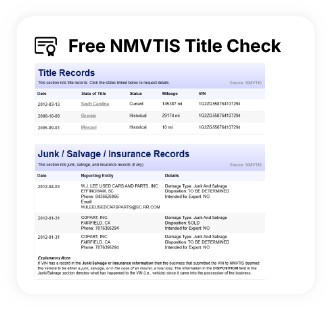
NMVTIS Title
History Check
Salvage/Rebuilt
Check
Accident
Check
Theft
Check
Open Lien
Check
Past Sale
Listings
Safety
Recalls
Odometer
Check
Market Price
Analysis

What Problems Does the 2004 Harley-Davidson FLSTFI Have?

The 2004 Harley-Davidson FLSTFI, while generally considered a robust machine, has a few commonly reported issues and areas to watch out for. One of the most frequently mentioned concerns with Harley-Davidson models of this era, including the Twin Cam 88 engine found in the FLSTFI, is the **primary chain tensioner**. Over time, the automatic hydraulic tensioner can wear out, leading to a rattling or clicking noise from the primary drive. If left unaddressed, this can lead to premature wear on the chain and sprockets, potentially causing more significant damage. Many owners opt to upgrade to a more durable aftermarket manual tensioner or a revised hydraulic version.

Another area of concern can be **oil leaks**. These can manifest from various seals and gaskets, including the rocker box gaskets, oil filter housing, and transmission output shaft seal. While minor weeping might be acceptable to some owners, significant leaks require attention to prevent oil loss and potential damage. Regular inspection and maintenance are key to identifying and addressing these leaks early.

The **cam chain tensioner shoes** are also a point of discussion. The original plastic shoes can wear down, especially on higher-mileage bikes, and shed material into the oil. Later model Twin Cams saw updates to this system, but for a 2004 model, it's worth checking the condition of these components. Many enthusiasts recommend an inspection and potential upgrade to the Screamin' Eagle cam chain tensioner upgrade kit.

While not a widespread recall issue for the 2004 model year, owners should also be aware of potential **electrical gremlins**. These can range from intermittent warning lights to issues with the charging system or fuel injection sensors. Proper wiring maintenance and checking connections can help mitigate these problems. Regular battery maintenance is also crucial.

Recalls for Harley-Davidson models are generally infrequent and often addressed by dealerships. However, it is always advisable for owners to check the NHTSA website or contact a Harley-Davidson dealer with the vehicle's VIN to determine if any outstanding recalls apply. Long-term reliability is generally good with consistent maintenance, but the aforementioned wear items in the powertrain are the most common areas requiring attention on a 2004 FLSTFI.

How long will the 2004 Harley-Davidson FLSTFI last?

The 2004 Harley-Davidson FLSTFI, with its robust Twin Cam 88 engine and solid construction, is capable of accumulating significant mileage when properly maintained. Owner data suggests that well-cared-for FLSTFIs frequently surpass 100,000 miles and can even reach 150,000 to 200,000 miles or more. The long-term durability is a hallmark of Harley-Davidson motorcycles, but it hinges heavily on a consistent maintenance schedule. Weaknesses over time tend to manifest in the powertrain, specifically the primary chain tensioner and cam chain tensioner shoes, as discussed previously. Regular oil changes, checking fluid levels, and addressing any emerging noises promptly are crucial for longevity. The chassis and suspension components are generally durable, but suspension bushings and wheel bearings may require eventual replacement. Overall, with diligent ownership, the FLSTFI offers excellent long-term service.

What Technology & Safety Features are Included?

The 2004 Harley-Davidson FLSTFI, in true cruiser fashion, prioritizes a minimalist and classic riding experience over advanced technology. Built-in tech features are intentionally sparse, focusing on core functionality and rider engagement. The primary technological features include:

Instrumentation: A classic analog speedometer is centrally located on the fuel tank console, complemented by a smaller tachometer and various indicator lights for turn signals, oil pressure, high beam, and neutral.

Fuel System: The FLSTFI variant boasts Electronic Sequential Port Fuel Injection (ESPFI). This system provides crucial benefits such as smoother throttle response, improved fuel efficiency compared to carbureted models, easier cold starts, and better emissions control. It is the most significant technological advancement present.

Lighting: Standard halogen headlamp and taillight provide illumination. Chrome nacelles and housings contribute to the classic aesthetic.

Entertainment: There is no built-in entertainment system such as a radio or audio speakers. The focus is on the sound of the engine and exhaust.

Driver-Assistance Features: As a motorcycle from 2004, there are no driver-assistance features such as ABS, traction control, or cruise control integrated as standard. These were not common or expected on cruisers of this era.

Safety Features: Safety features are primarily mechanical. These include:
  • Disc Brakes: Front and rear disc brakes offer the primary stopping power. While effective, they are not performance-oriented and can be improved with aftermarket upgrades.
  • Mirrors: Standard mirrors provide rearward visibility.

Optional Features: Owners could customize their FLSTFI with a wide range of optional accessories from Harley-Davidson and aftermarket manufacturers. These could include:
  • Passenger backrests and seats for enhanced two-up comfort.
  • Windshields for better wind protection on longer rides.
  • Custom exhaust systems for a different sound profile and potential performance gains.
  • Aftermarket audio systems (though rare and typically aftermarket additions rather than factory options).

Crash-Test Ratings: Motorcycles are not subjected to standardized crash-test ratings in the same way as automobiles by organizations like the NHTSA or IIHS. Therefore, there are no crash-test ratings available for the 2004 Harley-Davidson FLSTFI.

What Colors Options are Available?

We’re working on this section!
In the meantime, feel free to explore the other sections for more content.

2004 Harley-Davidson FLSTFI Prices and Market Value

When new, the 2004 Harley-Davidson FLSTFI typically carried a Manufacturer's Suggested Retail Price (MSRP) in the range of $18,000 to $20,000, depending on optional accessories and dealer pricing. Harley-Davidson motorcycles, especially popular models like the Softail Fat Boy, tend to hold their value relatively well compared to many other vehicle types. Current used market prices for a 2004 FLSTFI can vary significantly based on mileage, condition, originality, and any aftermarket modifications. A well-maintained example with average mileage (around 30,000-50,000 miles) might fetch anywhere from $7,000 to $12,000. Factors significantly affecting resale value include:

  • Condition: Pristine, original paint, chrome, and mechanically sound bikes command higher prices.
  • Mileage: Lower mileage generally leads to higher value.
  • Modifications: Tasteful, high-quality upgrades can increase value, while poor modifications or excessive personalization can decrease it.
  • Originality: Keeping the bike as close to its original factory specification as possible is often preferred by collectors.
  • Maintenance Records: Proof of regular maintenance enhances buyer confidence and resale value.

Depreciation is relatively gentle for well-maintained Harley-Davidson Softails, meaning they retain a good portion of their initial value over the years, especially once they reach a certain age and become desirable classics.

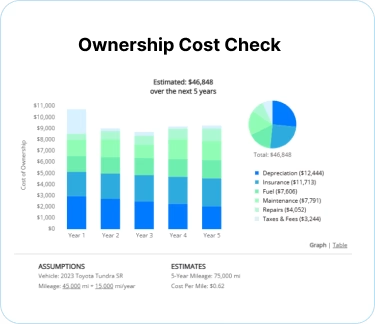
2004 Harley-Davidson FLSTFI Cost of Ownership

Owning a 2004 Harley-Davidson FLSTFI is generally considered moderately to somewhat costly, rather than economical. Insurance premiums can vary widely based on rider experience, location, and coverage levels, but expect to pay more than for a smaller displacement motorcycle. Fuel costs are reasonable for its class, averaging around 35-45 MPG. Maintenance is crucial; routine oil changes, filter replacements, and drivetrain checks are necessary. Repair costs for Harley-Davidsons, especially parts and specialized labor, can be higher than for Japanese brands. Long-term ownership costs are influenced by potential repairs to the Twin Cam engine components (like the cam tensioner) and the desirability of genuine Harley-Davidson parts. Overall, it is a lifestyle purchase that requires a commitment to its upkeep.

2004 Harley-Davidson FLSTFI Fuel Efficiency

Fuel Type Gasoline
Fuel Capacity -
City Mileage -
Highway Mileage -

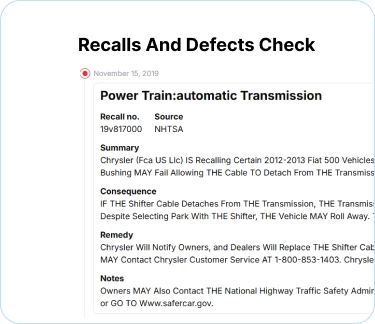
2004 Harley-Davidson FLSTFI Recalls & Defects

Equipment:other:labels
Recall date 2005-04-14
Recall no. 05v151000
Source NHTSA
Summary Certain Softail Motorcycles Fail TO Comply With THE Requirements OF Part 567, 'certification.' THE Vin/Certification Label Contains Incorrect Tire Size and Inflation Pressures FOR THE Front Wheel. THE Label States THE Tire Size IS Mt90b21 and THE Inflation Pressure AS 30 Psi, Whereas THE Correct Tire Size IS Mt90b16, and THE Correct Inflation Pressure IS 36 Psi.
Consequence THE Certification Label IS Incorrect Giving Improper Information.
Remedy Harley- Davidson Will Mail Instructions Along With Corrected Federal Certification Label. IF AN Owner SO Desires, A Dealer CAN Install THE Label FOR Them. THE Recall Began ON June 6, 2005. Owners MAY Contact Harley-Davidson AT 1-414-343-4056.
Notes Customers MAY Also Contact THE National Highway Traffic Safety Administration's Vehicle Safety Hotline AT 1-888-327-4236 (Tty 1-800-424-9153), or GO TO Http://Www.safercar.gov.

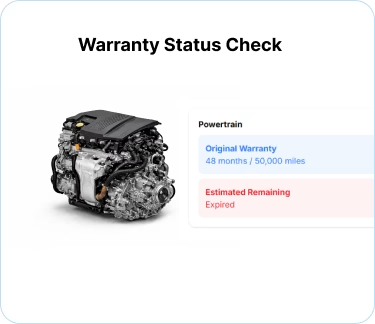
2004 Harley-Davidson FLSTFI Warranty

Basic
Original warranty 0 months / No data
Estimated remaining Expired
Powertrain
Original warranty 0 months / No data
Estimated remaining Expired
Rust
Original warranty 0 months / No data
Estimated remaining Expired

2004 Harley-Davidson FLSTFI Insurance

Insurance for a 2004 Harley-Davidson FLSTFI is moderately priced, reflecting its status as a Motorcycle with strong safety ratings and
reasonable repair costs.

How Does the 2004 Harley-Davidson FLSTFI Compare to Other Motorcycle?

The 2004 Harley-Davidson FLSTFI competes in the large-displacement cruiser segment, a space dominated by American and Japanese manufacturers. Its primary rivals during this era included models like the Honda Shadow Spirit 1100, Yamaha V-Star 1100 Custom, and potentially some of the Indian Motorcycle offerings if considering heritage.

Performance: Against its rivals, the FLSTFI's 1450cc Twin Cam 88 engine offers a characterful V-twin rumble and strong low-end torque, ideal for cruising. Japanese competitors often offer more refined engines with higher horsepower figures and smoother acceleration, but perhaps less of the iconic V-twin 'thump'. The FLSTFI's handling is ponderous by modern standards but stable on the highway.

Features: The FLSTFI is minimalist, focusing on its iconic styling. Its fuel injection is a plus. Rivals might offer slightly more in terms of basic amenities like slightly more comprehensive instrument clusters or, in some cases, optional ABS (though rare in this class at the time). However, the Harley's appeal is its unadorned, classic aesthetic.

Reliability: Harley-Davidson's reliability in the early 2000s was improving but still had known quirks like the primary chain tensioner issues. Japanese cruisers from Honda and Yamaha generally boast superior reliability and lower maintenance needs out of the box, with fewer common model-specific wear issues. They are often seen as more bulletproof in the long run.

Price: When new, the FLSTFI was positioned at a premium price point, often significantly higher than comparable Japanese cruisers. In the used market, this premium often persists, with Harley-Davidsons retaining higher resale values due to brand cachet and desirability.

Alternatives:
  • Similar: If the classic American cruiser look is paramount, the FLSTFI is hard to beat. However, for those seeking a similar aesthetic with potentially greater reliability and a more refined ride, models like the **Yamaha V-Star 1100 Custom** or **Honda Shadow Spirit 1100** are excellent alternatives. They offer robust V-twin engines, comfortable ergonomics, and often come with fewer inherent wear-item concerns.
  • Better Performance/Features (but different style): If outright performance and modern features are more important than the classic cruiser look, one might consider models from other categories, though they are not direct competitors. For instance, some might look at sport-touring bikes for a blend of comfort and performance, but they sacrifice the laid-back cruiser style.

Ultimately, the FLSTFI's appeal lies in its unmistakable Harley-Davidson identity and styling. Buyers prioritizing brand heritage and the iconic riding experience will find it compelling, while those who value absolute mechanical perfection and lower long-term running costs might lean towards Japanese alternatives.

Final Verdict: Is the 2004 Harley-Davidson FLSTFI a Good Motorcycle?

The 2004 Harley-Davidson FLSTFI is ideal for riders who prioritize classic American cruiser styling, the iconic Harley-Davidson brand experience, and a relaxed riding posture for cruising. It's best suited for those who appreciate the rumble of a V-twin and aren't seeking cutting-edge technology or blistering performance.

It is certainly worth buying for the right person, particularly on the used market. New examples are, of course, unavailable. When buying used, thoroughly inspect for common issues like primary chain tensioner wear and potential oil leaks. A well-maintained FLSTFI with documented service history represents good value for its enduring style and the Harley-Davidson ownership experience. It's a purchase driven as much by emotion and brand loyalty as by practicality. For riders seeking a quintessential cruiser that turns heads and delivers a timeless ride, the FLSTFI remains a compelling choice, provided they understand its maintenance needs.

2004 Harley-Davidson FLSTFI Owner Reviews

0.00
Consumer Rating, Based on 0 Consumer Reviews
Overall rating
Cancel
Thank You for Your Review!

We truly appreciate the time and effort you took to share your experience with us.

Uh oh!

Something went wrong, please try again later.

Author Image
Drew B

Drew is a seasoned automotive expert and contributor to VinCheck.info. With nearly 15 years of experience as a former Porsche technician, he brings a wealth of hands-on knowledge to his writing. Born in North Carolina, a region renowned for its deep-rooted NASCAR culture, Drew developed a passion for cars early in life, often building and working on vehicles from a young age. At VINCheck, Drew leverages his extensive technical background to provide in-depth analyses of various vehicles. His articles often focus on engine performance, reliability, and maintenance insights, offering readers practical information grounded in real-world experience. Some of his notable contributions include reviews on the Mazda CX-5's longevity and detailed examinations of engine options for models like the 2011 Toyota Camry and Tacoma