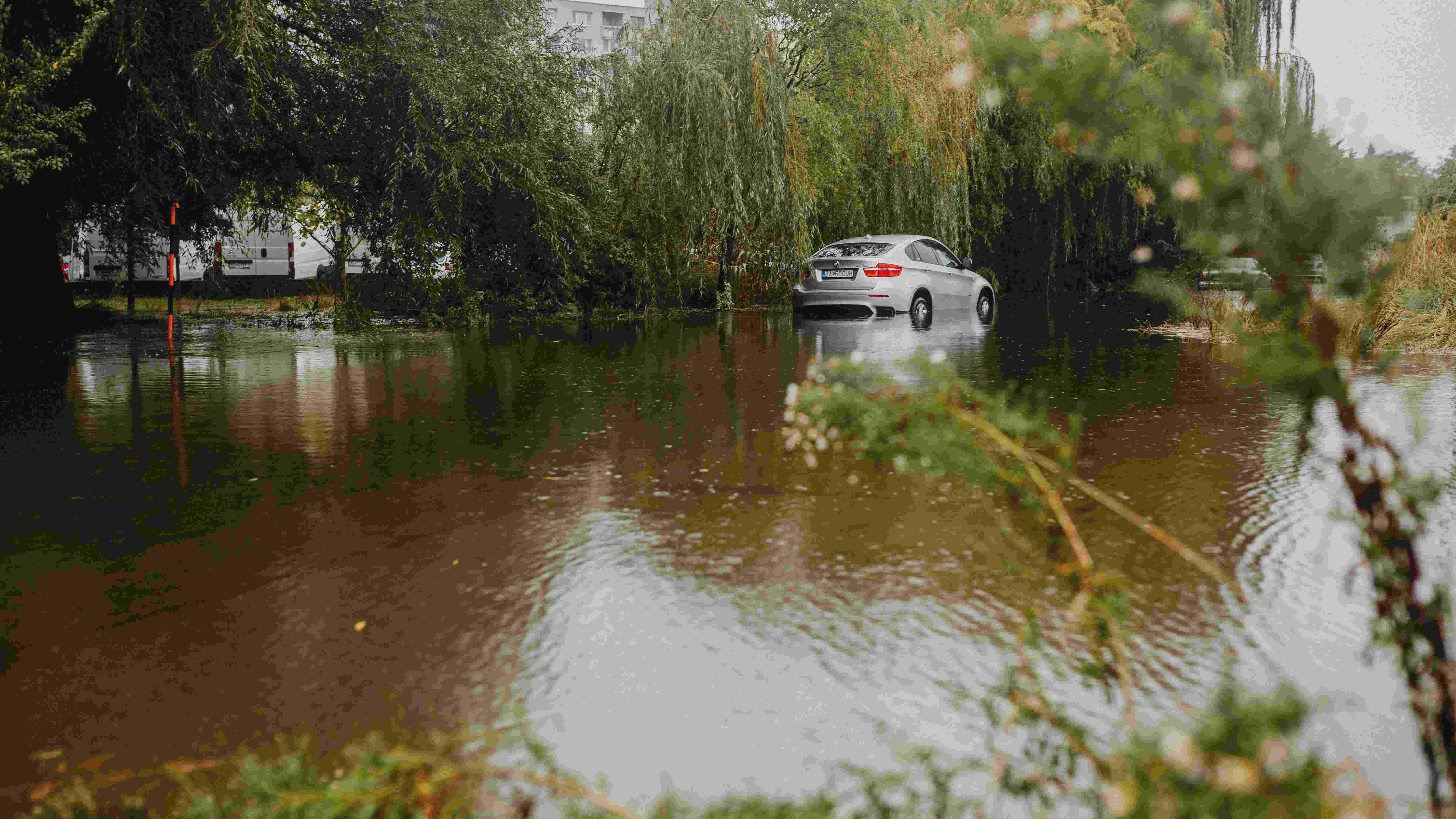
A flood-damaged car can look clean, drive normally, and still hide expensive problems that show up weeks or months later. That is what makes flood exposure so risky in the used car market.
Water can damage wiring, safety systems, sensors, interior materials, and mechanical components in ways that are not always obvious during a quick test drive. A seller may clean the vehicle thoroughly, replace carpet, or use air fresheners to hide the signs. By the time the real problems appear, the buyer is often left with the repair bill.
That is why a flood damage car check should be part of your buying process before you agree to any used car deal.
This guide explains what flood damage means, how to spot the warning signs, how VIN-based checks help, and what steps to take before you buy.
Why Flood Damage Is a Serious Used Car Risk
Flood damage is more than wet carpet or a musty smell. Once water reaches the electrical system, interior materials, sensors, or powertrain components, the damage can spread far beyond what you can see.
Common problems caused by flood-damaged cars
Electrical failures
Water exposure can corrode connectors, sensors, modules, and wiring. That may lead to random warning lights, power accessory failures, lighting issues, or hard-to-diagnose electrical problems.
Mold and mildew
Moisture trapped in seats, insulation, carpeting, and ventilation systems can lead to persistent odors, mold growth, and possible health concerns.
Engine and transmission damage
If water enters critical components, it can shorten the life of the engine, transmission, and related systems. Even if the vehicle runs now, long-term reliability may already be compromised.
Safety system problems
Flood exposure may affect airbags, braking sensors, seat belt systems, driver-assistance features, and other safety-related electronics.
What Counts as Flood Damage?
A vehicle is generally considered flood-damaged when water intrusion affects important mechanical, electrical, or interior areas of the car.
This can happen during hurricanes, severe storms, flash floods, or standing-water events. In some cases, insurers may declare the vehicle a total loss or issue a flood or salvage-related title brand. In other cases, the history may be harder to spot, especially if the vehicle is cleaned up and moved between states.
That is one reason flood-damaged vehicles are often linked to title problems and resale fraud. If you are unfamiliar with how that works, title washing in America helps explain how problem vehicles can be retitled to hide their past.
Signs of Flood Damage in a Used Car
A careful inspection can reveal clues that the vehicle was exposed to water.
1. Musty odors or strong masking scents
A heavy perfume smell, air freshener overload, or chemical cleaning scent may be covering mildew or moisture damage.
What to check
- damp or moldy smells when the air conditioning turns on
- strong deodorizer scents that seem excessive
- seats or carpet that feel unusually damp or recently cleaned
2. Water stains, discoloration, or rust
Floodwater often leaves visible traces behind.
What to check
- staining under floor mats and carpets
- rust around seat rails or metal brackets
- corrosion in the trunk, spare tire area, or door sills
- unusual water lines or discoloration in the interior
3. Mud, silt, or debris in hidden areas
Flood residue often settles in places that are hard to clean completely.
What to check
- inside the glove box or center console
- under the dashboard
- beneath trunk lining panels
- around engine bay corners and crevices
- in tight seams around interior trim
4. Foggy or water-marked lights
Headlights and taillights can trap moisture after flood exposure.
What to check
- condensation inside light housings
- cloudy lenses with interior residue
- water lines or mineral marks inside assemblies
5. Electrical glitches or accessory failures
Flood damage often shows up through inconsistent electronics.
What to test
- power windows and locks
- infotainment and radio controls
- dashboard warning lights
- climate controls
- seat adjustments
- exterior and interior lighting
6. Corrosion under the hood
Flood exposure may leave rust and corrosion in engine bay components.
What to check
- oxidized battery terminals or brackets
- unusual rust on bolts and exposed metal
- corrosion around wiring connectors
- signs of water residue where it should not be
How a Flood Damage Car Check Helps You Avoid Costly Mistakes
A visual inspection is useful, but it is not enough by itself.
A proper flood damage car check uses the VIN to look for warning signs in the vehicle’s background. Depending on the available records, a VIN-based report may reveal:
- flood-branded titles
- salvage history
- total loss insurance records
- auction records tied to water damage
- suspicious title transfers between states
- mileage or history patterns that do not match the seller’s story
That is why buyers should combine physical inspection with a vehicle history report. A report can help surface issues that a seller did not mention or that a quick walkaround would miss.
Where Flood-Damaged Cars Commonly Come From
Many flood-damaged vehicles originate in regions hit by hurricanes, storm surges, and severe flooding. After major weather events, some damaged vehicles are written off properly. Others are cleaned up, moved, retitled, and resold in different markets.
This is one reason flood-damaged vehicles may appear far from the area where the damage originally happened. A used car in a dry inland market can still carry hidden flood history from a coastal state or disaster zone.
How to Check a Car for Flood Damage Before You Buy
Follow a step-by-step process before making any decision.
Step 1: Get the full VIN
Ask for the 17-character VIN and verify that it matches the dashboard, door jamb, title, and registration.
Step 2: Run a VIN-based history check
Use a trusted VIN lookup source to check for flood brands, salvage history, total loss records, and related title concerns.
A good starting point is VinCheck.info’s free VIN decoder, especially when you want to confirm the vehicle identity before reviewing broader history details.
Step 3: Inspect the car in person
Use a flashlight and inspect the interior, trunk, engine bay, and hidden areas carefully. Look for odors, staining, corrosion, and signs of water intrusion.
Step 4: Test all electronics
Do not assume working headlights and a smooth engine mean the vehicle is safe. Check switches, screens, lights, locks, climate controls, and warning lights individually.
Step 5: Get an independent mechanic inspection
If the car is still under consideration, have a trusted mechanic inspect it before purchase. This is especially important if the VIN history, seller explanation, or physical condition raises any concern.
Are Flood-Damaged Cars Ever Worth Buying?
Sometimes a flood-damaged car may be repaired and resold, but it usually carries much more risk than a comparable clean-title vehicle.
Why flood-damaged vehicles are often poor choices
- hidden problems may appear later
- resale value is usually lower
- insurance may be more difficult or expensive
- warranties often do not cover prior flood-related damage
- electrical problems can be difficult to diagnose and fix completely
For most everyday buyers, the safer move is to avoid flood-damaged vehicles unless the full history, repair quality, pricing, and risk level are clearly understood.
What If You Already Bought a Flood-Damaged Car?
If you already bought the vehicle and later discovered flood history, act quickly.
Steps to consider
- gather the ad, sales paperwork, VIN report, and inspection findings
- contact the seller and document all communication
- check your state rules on disclosure and title branding
- report suspicious fraud or title issues to the appropriate state agency
- speak with a lawyer if you believe the vehicle history was intentionally hidden
The best protection, however, is still prevention. Running the VIN and inspecting the car before purchase is much easier than trying to unwind a bad deal later.
Frequently Asked Questions
Can a VIN check show flood damage?
A VIN check may reveal flood-branded titles, salvage records, total loss history, or related warning signs, depending on the available data sources.
Do flood-damaged cars always have a flood title?
No. Some flood-damaged vehicles may not carry an obvious flood brand, especially if records are incomplete or the vehicle was moved and retitled.
What is the biggest warning sign of flood damage?
There is no single sign that proves flood exposure, but musty odors, water stains, corrosion, electrical issues, and suspicious title history are major warning signs when they appear together.
Should I buy a flood-damaged car if it seems cheap?
In most cases, you should be very cautious. A low price can be tempting, but hidden flood-related repairs can quickly erase any savings.
Final Thoughts
A flood damage car check is one of the smartest steps you can take before buying a used vehicle.
Flood-damaged cars can hide serious problems behind clean paint, polished interiors, and low asking prices. By checking the VIN, reviewing the vehicle history, inspecting the car carefully, and asking hard questions, you give yourself a better chance of avoiding a costly mistake.
Before buying any used car, make flood damage part of your checklist, not an afterthought.
Author
Nathan Whitmore
Nathan Whitmore is an automotive research writer focused on vehicle history reports, VIN analysis, title verification, and used-car background checks. He writes practical, consumer-friendly content that helps buyers understand how ownership records, accident history, branded titles, and lien data can affect a vehicle’s value and legal standing. His work is designed to make complex vehicle records easier to interpret before a sale is finalized.