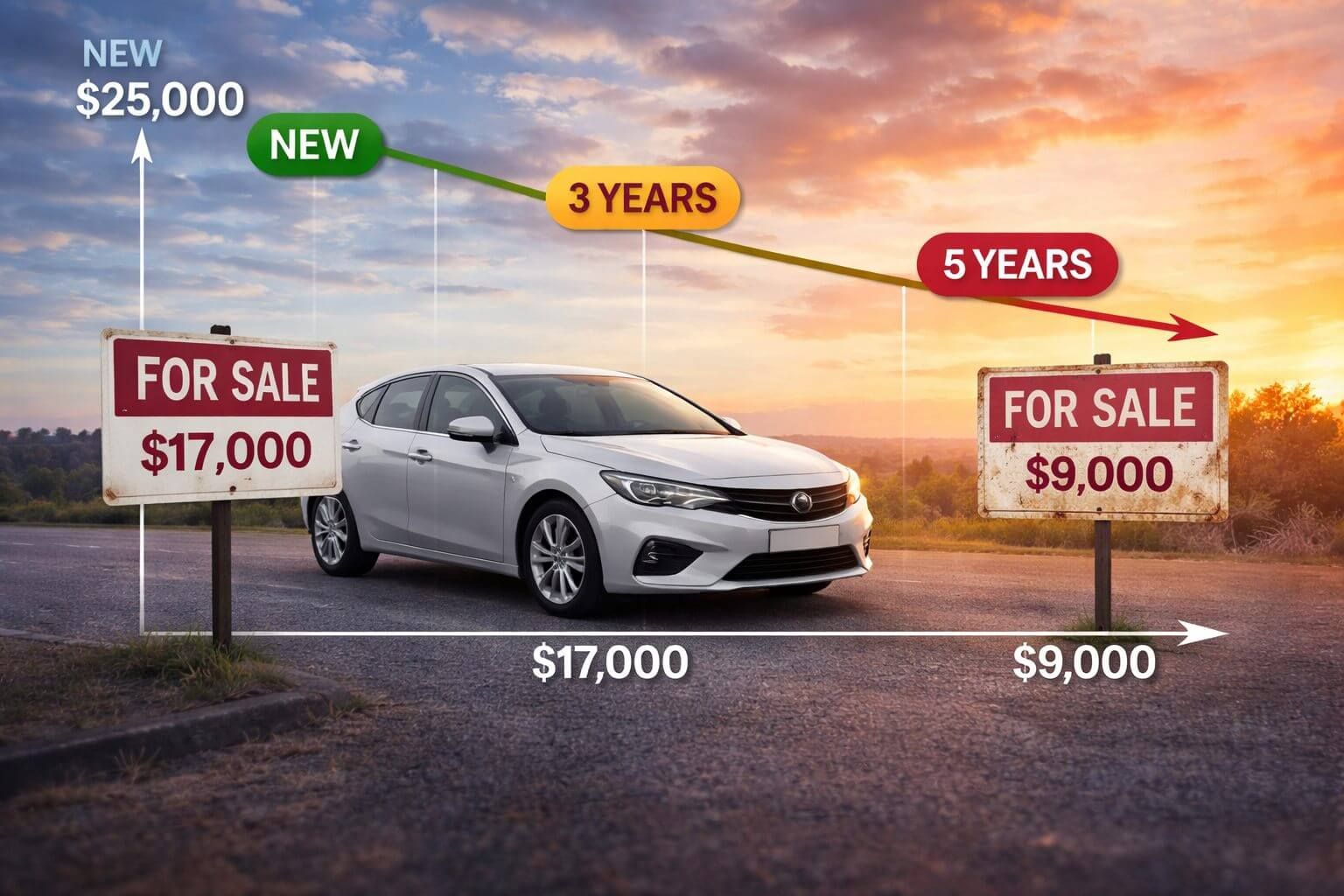
Car depreciation is one of the biggest forces behind what a vehicle is worth today, what it may be worth next year, and how much money you lose or keep when it is time to sell or trade in. Many drivers only think about depreciation after they see a disappointing offer from a dealer or buyer. By then, the value loss has already happened.
That is why understanding how depreciation affects car value matters whether you are buying, selling, trading in, insuring, or financing a vehicle.
A car usually loses value over time because of age, mileage, wear, market demand, title history, accident records, and changing buyer preferences. Some vehicles depreciate quickly, while others hold their value much better. The difference can amount to thousands of dollars over just a few years.
Before you judge what a vehicle is worth, start with a car value by VIN lookup and a VIN check. Those two steps help you look at both market value and the history that may be pushing that value up or down.
What Is Car Depreciation?
Car depreciation is the decline in a vehicle’s value over time.
A brand-new vehicle usually loses value the moment it becomes a used vehicle. After that, the value continues to decline as the car gets older, racks up more miles, experiences wear and tear, and competes against newer models with updated features.
Why depreciation happens
A car is a depreciating asset because:
- it ages every year
- newer models enter the market
- mileage increases with use
- wear affects both condition and buyer confidence
- repairs and accident history can lower appeal
- market demand changes over time
Depreciation is normal, but the rate is not the same for every vehicle.
How Depreciation Affects Car Value
Depreciation directly affects what a car is worth in the real world.
Why depreciation matters to owners and buyers
It changes resale value
The more a vehicle depreciates, the less money the owner usually recovers at resale or trade-in.
It affects trade-in leverage
A vehicle with stronger value retention gives the owner better negotiating power when replacing it.
It changes insurance and financing decisions
Depreciation affects actual cash value, total-loss payouts, and whether a financed car may end up upside down.
It helps buyers judge whether a used car is overpriced
A buyer who understands depreciation can compare the asking price with the car’s age, mileage, condition, and history more intelligently.
What Causes a Car to Lose Value Faster?
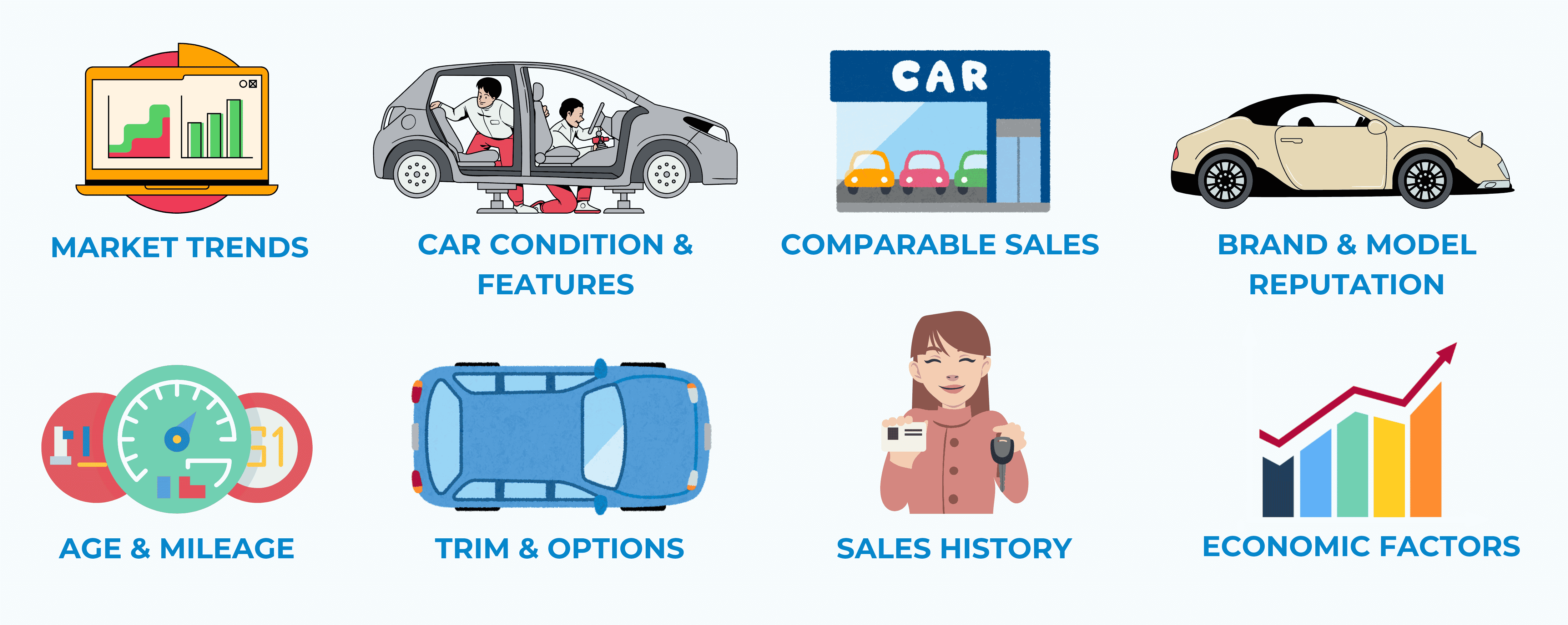
Several factors influence how fast a car depreciates.
1. Age of the vehicle
Age is one of the biggest drivers of value loss.
Why age matters so much
Most vehicles lose the largest percentage of their value during the first few years. After that, the depreciation curve often becomes less steep, though value still continues to fall.
A three-year-old vehicle has already gone through the sharpest early drop. That is one reason many buyers target late-model used cars instead of buying brand new.
2. Mileage
Mileage affects value because it reflects wear, usage, and the remaining service life buyers expect from the vehicle.
Why mileage matters
Higher mileage usually means:
- more mechanical wear
- more interior wear
- lower resale appeal
- more caution from buyers and dealers
If mileage history looks inconsistent, value can drop even more. In the middle of the evaluation process, a mileage VIN check can help support a more accurate picture of the car’s use history.
3. Vehicle condition
Condition affects how quickly depreciation shows up in the market.
Areas buyers notice immediately
- paint and body condition
- tire and brake condition
- dashboard warning lights
- upholstery wear
- odors, stains, or cosmetic damage
- engine and transmission performance
A well-maintained vehicle usually holds value better than one with visible neglect or unresolved mechanical problems.
4. Brand and model reputation
Some vehicles retain value better because they are known for reliability, lower ownership costs, and stronger demand in the used-car market.
Vehicles that often hold value better
- reliable mainstream sedans and SUVs
- strong-selling pickup trucks
- models with a good long-term reputation
- vehicles with lower repair and ownership costs
In contrast, vehicles with weak reliability records, limited demand, or expensive ownership costs often depreciate faster.
5. Accident and title history
History matters because buyers care about risk.
Why history changes value
A car with:
- accident history
- salvage or rebuilt title status
- flood exposure
- theft recovery history
- multiple ownership changes
will often lose value faster than a similar car with a cleaner record.
That is why a broader vehicle history review matters when comparing what a car should really be worth in today’s market.
6. Market demand
Depreciation is also shaped by what buyers currently want.
What market demand can change
- fuel-efficient cars may hold value better when gas prices rise
- pickups and SUVs may stay stronger when demand is high
- unpopular colors or unusual trims may be harder to sell
- outdated technology can weaken resale demand
- changing EV and hybrid trends may reshape value expectations
A car does not lose value in isolation. It loses value in relation to what buyers are willing to pay for alternatives.
7. Features, trim, and equipment
Not all versions of the same model depreciate at the same rate.
Features that may support better value retention
- advanced safety technology
- desirable trim levels
- leather or upgraded interior materials
- strong infotainment packages
- towing or off-road packages when relevant
- factory options that are in demand on the used market
That does not mean every premium feature increases long-term value equally, but it does mean trim and equipment should never be ignored when pricing a car.
Why Understanding Depreciation Matters Before You Buy
A buyer who understands depreciation can shop more strategically.
How this helps buyers
You can avoid overpaying
If the price does not match the car’s age, mileage, history, and market position, that is a warning sign.
You can choose a car with stronger resale value
Some vehicles lose value much faster than others, which matters if you plan to sell or trade in within a few years.
You can compare new versus used more intelligently
Depreciation often explains why a lightly used vehicle may offer better value than a brand-new one.
Why Understanding Depreciation Matters Before You Sell or Trade In
Sellers benefit too.
How this helps sellers
You can set a more realistic asking price
A price that matches the market attracts better buyers and reduces wasted negotiation.
You can decide whether repairs are worth making
If the vehicle has already lost substantial value, not every repair adds enough resale benefit to justify the expense.
You can choose a better time to sell
A seller who understands depreciation may avoid waiting so long that value drops even more than expected.
How to Estimate a Car’s Real Market Value
Depreciation is the foundation, but real valuation should go further than a simple age-based formula.
What to consider when estimating value
- age of the vehicle
- current mileage
- condition
- accident and title history
- ownership history
- trim and factory features
- regional demand
- comparable local listings
- warranty status if any remains
A simple calculator can be helpful, but a VIN-based value approach is usually more useful because it adds model-specific and history-specific context.
How VinCheck.info Helps You Understand Depreciation Better
Depreciation makes more sense when you connect the market number to the vehicle’s real background.
Useful factors to review together
- title history
- ownership changes
- current market value
- mileage and usage patterns
- vehicle specs and trim details
- warranty coverage status
- recall or defect-related concerns
- theft or lien-related issues
Looking at these details together gives a more realistic picture of what the vehicle is worth now and why.
Common Mistakes People Make When Thinking About Depreciation
Many people misunderstand depreciation because they focus on only one factor.
Common mistakes
- assuming age is the only thing that matters
- ignoring title or accident history
- relying only on asking prices from random listings
- assuming low mileage always means high value
- overlooking trim and feature differences
- forgetting that market demand changes over time
The strongest value estimate comes from combining pricing data with condition, history, and real buyer demand.
Frequently Asked Questions
What is the biggest factor in car depreciation?
Age and mileage are major drivers, but title history, condition, accident history, and market demand can also change value significantly.
Do all cars depreciate at the same rate?
No. Some cars hold value much better than others depending on brand reputation, reliability, condition, and buyer demand.
Does accident history affect depreciation?
Yes. A vehicle with accident history often loses value faster because buyers see it as a higher-risk purchase.
Why should I check market value by VIN instead of guessing?
A VIN-based value check helps connect the car’s actual configuration and background with the current market, which usually produces a more realistic estimate than guesswork alone.
Final Thoughts
Understanding how depreciation affects car value helps you make smarter decisions before buying, selling, trading in, or insuring a vehicle.
A car’s value is not determined by age alone. Mileage, condition, trim, market demand, accident history, title status, and ownership background all play a role in how quickly it loses value and what buyers are willing to pay.
The most confident buyers and sellers do not rely on assumptions. They check the market, verify the history, and use the right tools before making a decision. In a market where value can change quickly, that extra step can save you real money.
Author
Julian Cross
Julian Cross is an automotive data writer who specializes in salvage title issues, odometer fraud, theft checks, accident records, and recall screening. His content helps used-car shoppers spot high-risk vehicles before purchase by turning raw vehicle data into practical insights. He focuses on the warning signs that matter most when evaluating private-party and dealership listings.