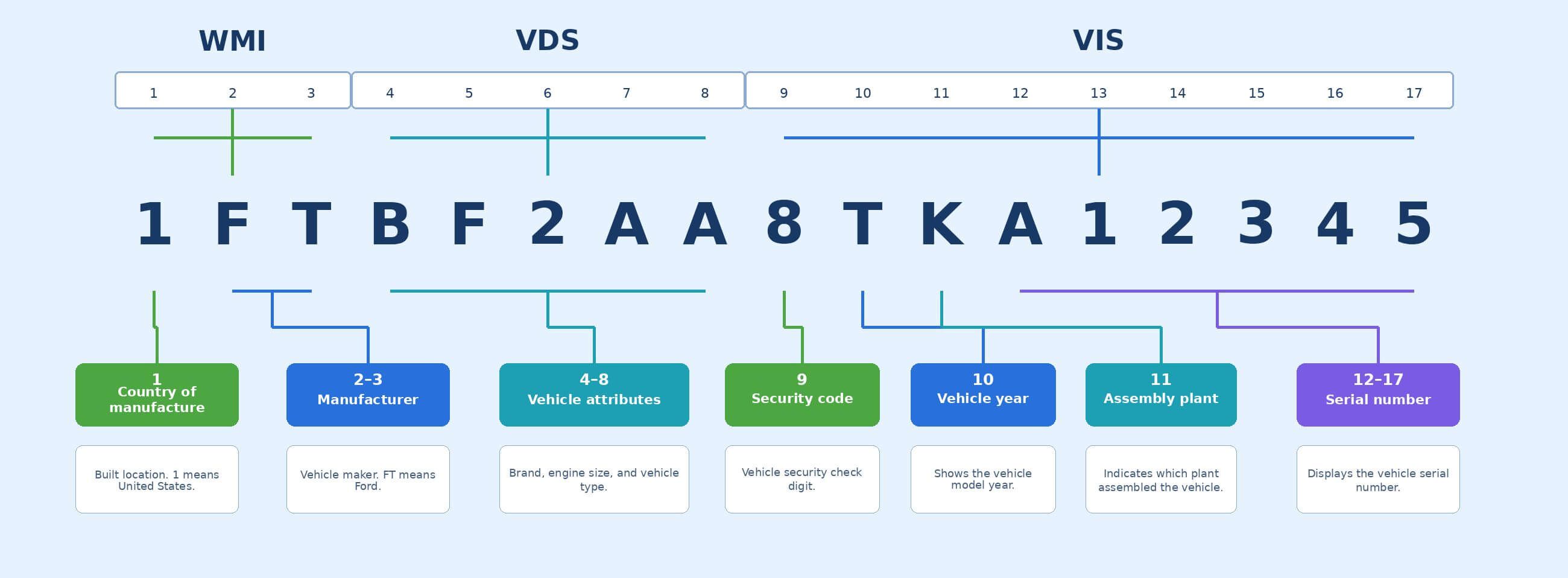
A used car can look clean, drive smoothly, and have a fair asking price, but its service history can tell you whether it was actually cared for over time. Oil changes, brake work, tire replacements, transmission service, recall repairs, and major maintenance records all help show how the vehicle was treated before it reached your driveway.
That is why checking a used car service history should be part of your buying process. A vehicle history report may show some service records, but it may not show everything. Some repair shops report maintenance data, while others do not. Some owners keep receipts, while others lose them. Some repairs are done at home and never appear in any database.
Missing service records do not always mean the car was neglected. However, they do create uncertainty. Before you buy, you need to understand what the records show, what they do not show, and how to verify the seller’s claims with documents, mileage patterns, title checks, and a physical inspection.
Quick Answer
To check a used car’s service history, review the vehicle history report, ask the seller for maintenance receipts, compare mileage records, check for major service intervals, review title and ownership clues, and inspect the vehicle’s current condition. Missing records are not always a deal breaker, but they should make you ask more questions, inspect more carefully, and consider whether the price reflects the added uncertainty.
What Is a Used Car Service History?
A used car service history is the record of maintenance and repairs performed on a vehicle over time. It may include routine services, major repairs, inspections, warranty work, and parts replacements.
Common service history items include:
- Oil and filter changes
- Tire rotations and replacements
- Brake pad and rotor service
- Battery replacement
- Transmission fluid service
- Coolant flushes
- Timing belt or timing chain work
- Spark plug replacement
- Suspension repairs
- Air conditioning repairs
- Recall repairs
- Warranty repairs
- Inspection results
- Major engine or transmission repairs
A strong service history gives buyers more confidence because it shows that the vehicle was maintained instead of ignored. A weak or missing service history does not automatically mean the car is bad, but it means the buyer has less proof.
Why Service History Matters Before Buying
Service history matters because used cars are not judged only by age and mileage. Two cars with the same year, make, model, and mileage can have very different long-term reliability depending on how they were maintained.
For example, a 90,000-mile vehicle with regular oil changes, documented brake work, and completed maintenance intervals may be a better buy than a 60,000-mile vehicle with no records, mismatched tires, overdue fluids, and warning lights.
Service records can help you understand:
- Whether maintenance was done on time
- Whether the mileage history makes sense
- Whether major repairs were already completed
- Whether the vehicle may need expensive service soon
- Whether the seller’s claims are supported
- Whether the asking price is fair
- Whether the car was likely neglected or cared for
Good records reduce uncertainty. Missing records increase it.
Where to Find Service History
There is no single perfect source for a vehicle’s full maintenance history. You may need to combine several sources to get a clearer picture.
Vehicle History Report
A vehicle history report may include service entries, mileage readings, inspection records, dealer service visits, title events, accident records, and sale history when available. Some reports may show oil changes, tire service, brake work, inspections, or dealer maintenance.
If you are trying to understand what may appear in a report, start with a free vehicle history report alternative and compare the available details with the seller’s documents.
However, remember that a report may not include every service visit. Some repair shops do not share service data. Some independent mechanics keep paper records only. Some owners do their own maintenance.
Seller’s Receipts
Ask the seller for receipts, invoices, or service records. These can be more detailed than a report because they may show exactly what was done, where it was done, and when.
Useful records include:
- Oil change receipts
- Tire purchase receipts
- Brake repair invoices
- Transmission service records
- Timing belt replacement records
- Battery replacement receipts
- Dealer repair orders
- Recall completion paperwork
- Warranty repair documents
- Inspection reports
A seller with organized records is usually easier to trust than one who only says, “It was maintained regularly.”
Dealer or Repair Shop Records
If the seller serviced the car at the same dealership or shop, they may be able to request a copy of the service history. Some dealers can provide records tied to the VIN or owner account, though privacy and access rules may limit what they can share.
Ask the seller whether they can request records from the shop. If the seller refuses or says it is unnecessary, that does not prove anything by itself, but it may increase uncertainty.
Owner’s Manual or Maintenance Log
Some owners keep maintenance notes in the owner’s manual or a separate logbook. This is helpful, but handwritten notes are stronger when supported by receipts.
If the manual includes maintenance stamps or dealer entries, compare the dates and mileage with the vehicle history report and odometer.
What Service Records Should You Look For?
Not every service item matters equally. A missing car wash receipt does not matter. A missing timing belt record on a vehicle that requires one can matter a lot.
Focus on records that affect reliability, safety, and value.
Oil Changes
Oil change records are basic but important. Long gaps between oil changes can increase engine wear, especially on turbocharged, high-mileage, or performance vehicles.
Look for consistent oil changes based on time, mileage, and manufacturer recommendations. If there are no oil change records, inspect the oil condition and ask the seller where service was performed.
Brake Service
Brake records help show whether the car was maintained for safety. Check for pad replacement, rotor work, brake fluid service, and any ABS-related repairs.
During the test drive, listen for grinding, squeaking, vibration, or pulling when braking.
Tire Records
Tire records can reveal maintenance habits and alignment issues. A vehicle with uneven tire wear may have suspension problems, poor alignment, or previous accident damage.
Ask when the tires were replaced and whether rotations were performed regularly.
Transmission Service
Transmission repairs can be expensive. For vehicles that require transmission fluid service, ask whether it was done at the correct interval.
If the seller has no records and the vehicle has high mileage, pay close attention during the test drive. Harsh shifting, slipping, delayed engagement, or fluid leaks are red flags.
Timing Belt or Major Scheduled Maintenance
Some engines require timing belt replacement at specific mileage or age intervals. If the timing belt fails, the engine may suffer serious damage.
If the vehicle is near or past a major maintenance interval, ask for proof that the work was completed. If there is no proof, factor the possible cost into your offer.
Recall Repairs
Recall repairs are safety-related and should be verified separately from normal maintenance. A seller may not know whether every recall was completed.
Before buying, check recall status using a VIN recall check and ask for dealer paperwork if the seller claims the repair was already done.
What Missing Service Records Really Mean
Missing service records do not always mean the car was neglected. They mean you do not have proof.
There are several harmless reasons records may be missing:
- The owner lost receipts
- Maintenance was done by a small independent shop
- Work was performed by the owner
- The shop did not report service data
- Records were tied to a previous owner
- The vehicle changed states or dealerships
- The seller never requested copies
However, missing records can also hide real problems:
- Skipped oil changes
- Overdue major maintenance
- Poor repair history
- Accident-related repairs
- Flood-related electrical work
- Repeated mechanical issues
- Odometer inconsistencies
- Neglect by a prior owner
The key is not to panic. The key is to verify through other signals.
How Mileage Helps Verify Service History
Mileage records can help you understand whether the service story makes sense. A vehicle with regular service entries should show mileage increasing logically over time.
Use a mileage VIN check to compare available mileage records with the odometer, title, inspection records, and service receipts.
Watch for:
- Mileage that moves backward
- Long gaps with no mileage updates
- Sudden mileage jumps
- Service records that show conflicting mileage
- Very low mileage with heavy interior wear
- Listing mileage that differs from report mileage
Mileage problems may be caused by data-entry mistakes, but they should always be explained before purchase.
How Title History Connects to Service History
Service records tell you how the car was maintained. Title records tell you whether the vehicle had major ownership or condition events that may affect risk.
A car with missing service records and a clean title may simply need a closer inspection. A car with missing service records plus a salvage, rebuilt, flood, junk, lemon, or odometer brand is much riskier.
Use a title check by VIN if the report, seller documents, or vehicle condition raise title concerns.
Title issues can also help explain missing records. For example, a vehicle that passed through auction, insurance loss, or multiple states may have gaps in service history because ownership changed several times.
Questions to Ask the Seller
After reviewing the available service history, ask direct questions.
Use these:
- Do you have maintenance receipts?
- Where was the car usually serviced?
- Was maintenance done at a dealer or independent shop?
- Were oil changes done on schedule?
- Has the transmission ever been serviced?
- Has the timing belt or major scheduled maintenance been completed?
- Have the brakes, tires, or battery been replaced recently?
- Are there any repairs needed now?
- Were any recalls completed?
- Can I have the car inspected by a mechanic?
A good seller should be able to answer basic maintenance questions. If the seller avoids simple questions, refuses inspection, or says records are unnecessary, be cautious.
How to Inspect a Car With Missing Records
If service records are missing but you are still interested, inspect the vehicle carefully.
Look for:
- Dirty or low engine oil
- Coolant leaks
- Transmission fluid leaks
- Brake noise
- Uneven tire wear
- Dashboard warning lights
- Rough idle
- Burning smells
- Worn belts or hoses
- Battery corrosion
- Rust or water damage
- Poor repair work
- Excessive wear for the mileage
A pre-purchase inspection is especially important when service records are incomplete. A mechanic can spot problems that are not obvious during a quick test drive.
How Missing Records Should Affect Price
Missing records should affect your offer because they increase uncertainty. The seller may still be honest, and the car may still be in good condition, but you are taking on more risk.
The price should reflect:
- Missing maintenance proof
- Upcoming service needs
- Mileage consistency
- Vehicle age
- Current condition
- Title status
- Accident history
- Repair quality
- Market value
For example, if a car is due for major maintenance and the seller cannot prove it was done, you may ask for a lower price or budget for the service after purchase.
A vehicle with missing records should not usually be priced the same as a similar vehicle with complete service documentation.
Used Car Service History Checklist
| What to Check | Why It Matters |
|---|---|
| Oil change records | Shows basic maintenance habits |
| Brake service | Affects safety and repair costs |
| Tire records | Can reveal alignment or suspension issues |
| Transmission service | Helps prevent expensive drivetrain surprises |
| Timing belt or major maintenance | Important for vehicles with scheduled replacement intervals |
| Recall repairs | Confirms safety-related fixes |
| Mileage records | Helps detect odometer inconsistencies |
| Title history | Reveals serious ownership or damage events |
| Seller receipts | Supports maintenance claims |
| Inspection results | Confirms current condition |
When Missing Records Are a Deal Breaker
Missing records alone are not always a deal breaker. However, they become more serious when combined with other warning signs.
Consider walking away if:
- The seller refuses inspection
- The car has warning lights
- Mileage records do not make sense
- The title has serious brands
- The seller cannot explain ownership history
- The car shows signs of flood damage
- The engine or transmission behaves poorly
- Major maintenance is overdue
- The price does not reflect the uncertainty
- The seller pressures you to buy quickly
A good deal should still make sense after verification.
Bottom Line
Checking a used car’s service history helps you understand how the vehicle was maintained before you buy. Complete records can increase confidence. Missing records do not automatically mean the car is bad, but they do mean you need to verify more carefully.
Review the vehicle history report, ask for receipts, compare mileage records, check title history, inspect the vehicle, and consider a mechanic’s opinion. If the records are complete and the car checks out, you can move forward with more confidence. If the records are missing and other red flags appear, it may be safer to keep shopping.
A used car’s past maintenance can shape its future reliability. Do not ignore the service history just because the car looks clean today.
FAQs
How do I check a used car’s service history?
Check the vehicle history report, ask the seller for receipts, contact the servicing dealer or shop when possible, review the owner’s manual, compare mileage records, and inspect the vehicle’s current condition.
Is missing service history a red flag?
Missing service history is not always a red flag, but it creates uncertainty. It becomes more serious if the car also has mileage gaps, title brands, warning lights, poor condition, or overdue major maintenance.
Can a vehicle history report show maintenance records?
Sometimes. A vehicle history report may show service entries when shops, dealers, or other sources report them. However, not every repair shop reports service data, and owner-performed maintenance may not appear.
Should I buy a used car with no service records?
You can consider it if the vehicle passes inspection, the mileage makes sense, the title is clean, and the price reflects the uncertainty. However, a pre-purchase inspection is strongly recommended.
What service records matter most when buying a used car?
Oil changes, transmission service, brake work, tire replacements, timing belt replacement, major scheduled maintenance, recall repairs, and inspection records are among the most important.
Author
Graham Sutton
Graham Sutton is an automotive information writer covering VIN lookup tools, title status research, vehicle condition history, and resale-value risk factors. He creates detailed guides that help readers compare listings more effectively, identify hidden problems, and use vehicle history data to make safer buying decisions. His work is especially useful for shoppers who want a clearer picture of a vehicle before negotiating price.