
2002 BMW M Coupe Overview, Reviews, Ratings & Specs
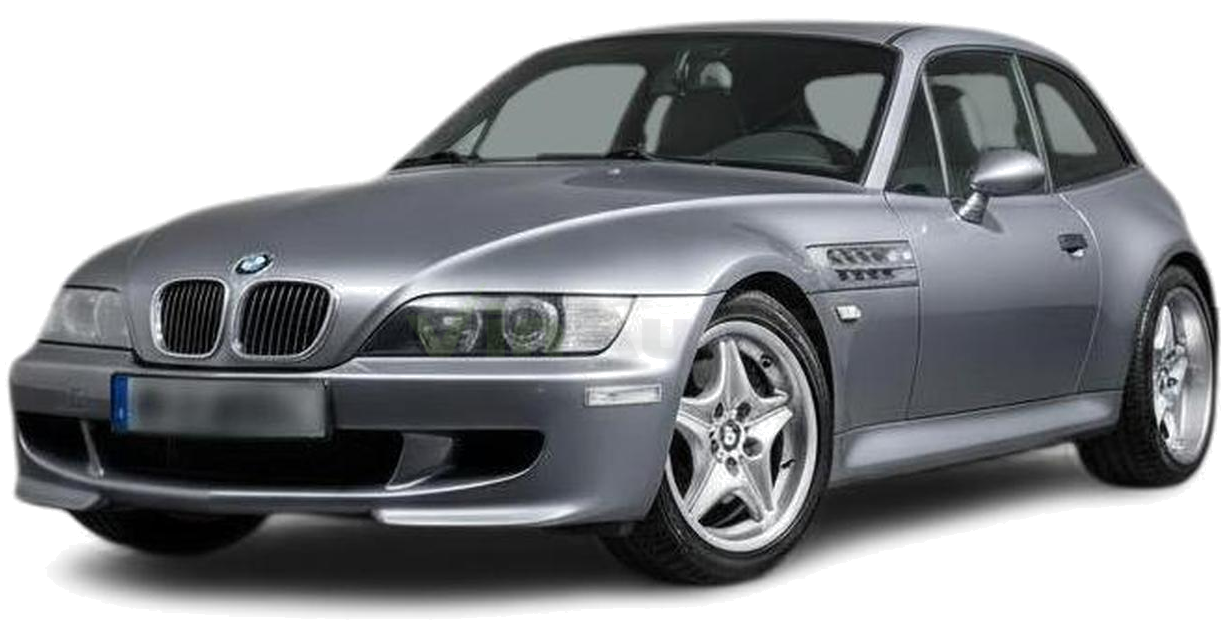
The Good
The 2002 M Coupe excels in exhilarating performance with its potent inline-six engine and precise handling. Its bold, quirky design is a major emotional draw. Practically, it offers surprising cargo space for a sports car and a robust BMW build, appealing to drivers seeking both thrilling drives and functional utility.
The Bad
Potential buyers should watch for subframe mounting issues, VANOS system problems on earlier models, and the possibility of clutch wear. Rust can also be a concern in certain areas. The interior plastics can show their age, and some electronic components might require attention.
2002 BMW M Coupe: Quick Overview
- Engine Options: The 2002 BMW M Coupe was exclusively offered with a 3.2-liter S52B32 inline-six engine.
- Horsepower: This engine produced 325 horsepower at 7,400 RPM.
- Torque: It generated 258 lb-ft of torque at 3,250 RPM.
- Fuel Economy: EPA estimates for the 2002 M Coupe were around 17 MPG city and 23 MPG highway. These figures can vary significantly with driving style.
- 0-60 MPH Times: Acceleration from 0 to 60 mph was typically in the mid-to-high 4-second range, demonstrating its potent performance.
- Towing Capacity: The M Coupe was not designed for towing, and therefore, it has no official towing capacity.
- Transmission: A 5-speed manual transmission was the sole gearbox option.
- Drivetrain: It featured BMW's signature rear-wheel drive system.
- Suspension: M-tuned suspension provided sharp handling and excellent road feel, contributing to its renowned driving dynamics.
- Brakes: Upgraded M brakes offered strong stopping power.
- Limited Slip Differential: Standard on the M Coupe, enhancing traction and performance during spirited driving.
- Wheels: Typically equipped with 17-inch M alloy wheels.
- Interior Features: Standard M Coupe features included sport seats, leather upholstery, a premium sound system, air conditioning, power windows, and mirrors.
- Exterior Features: Distinctive hatchback body style, M aerodynamic mirrors, quad exhaust tips, and unique M badging.
- Optional Features: Options could include heated seats, a limited-slip differential (though often standard), premium audio upgrades, and various interior trim choices.
2002 BMW M Coupe Specifications
Vehicle Information
| Year | 2002 |
| Make | BMW |
| Model | M Coupe |
| Trim | - |
| Style | - |
| Type | Hatchback |
| Category | Sports Car |
Manufacturing Details
| Made In | United States |
| Manufacturing City | GREER |
Dimensions
| Doors | 2-Door |
| Curb Weight | 3131 pounds |
| Gross Vehicle Weight Rating | - |
| Overall Height | 50.70 inches |
| Overall Length | 158.50 inches |
| Overall Width | 68.50 inches |
| Wheelbase Length | 96.80 inches |
| Standard Seating | 2 |
Engine & Performance
| Engine | 3.2L I6 |
| Engine Size | 3.2L |
| Engine Cylinders | 6 |
| Transmission | 5-Speed Manual |
| Transmission Type | Manual |
| Transmission Speeds | 5-Speed |
| Drivetrain | Rear-Wheel Drive |
Additional Features
| Anti-Brake System | 4-Wheel ABS |
| Steering Type | Rack & Pinion |
Pricing
| Manufacturer Suggested Retail Price (MSRP) | $44,990 |
| Invoice Price | $41,100 |
| Delivery Charges | $645 |
Vehicle History Report
Specifications
History
Events
History Check
Check
Check
Check
Check
Listings
Recalls
Check
Analysis
What Problems Does the 2002 BMW M Coupe Have?
Another area to consider is the VANOS (Variable Valve Timing) system. While more prevalent on earlier M cars, VANOS issues can still manifest, leading to a loss of power, rough idling, and decreased fuel efficiency. Rebuilding or replacing VANOS components can be a substantial expense.
The clutch is another wear item that, given the M Coupe's performance-oriented nature, may require replacement sooner than on a less performance-driven vehicle. Inspecting for clutch slippage or a heavy pedal is advisable.
Cooling system components, such as the radiator, water pump, and hoses, are also subject to aging and potential failure, particularly on a car of this age. Overheating can lead to more severe engine damage, so a thorough check of the cooling system is important.
Rust is a concern for any older vehicle, and the M Coupe is no exception, especially in areas prone to salt exposure, like around the wheel arches, rocker panels, and the trunk lid.
Interior plastics can become brittle and worn over time, and the leather upholstery may show signs of age. While not mechanical failures, these can impact the overall appeal and comfort of the car.
There are no widespread, model-year-specific recalls for major mechanical failures that are unique to the 2002 M Coupe. However, it's always recommended to check for any outstanding recalls with BMW using the vehicle's VIN. Overall, long-term reliability is good if the car has been meticulously maintained, but potential buyers should budget for potential repairs and upkeep, especially concerning the subframe and VANOS system.
How long will the 2002 BMW M Coupe last?
What Technology & Safety Features are Included?
Tech and Entertainment: Standard entertainment typically included an AM/FM stereo with a CD player. BMW's iDrive system was not present in the M Coupe. Higher-end audio options, such as a premium sound system with more speakers, might have been available. While modern connectivity features like Bluetooth or USB ports are absent, the focus was on the driving experience rather than extensive gadgetry. Air conditioning was standard, and power windows and mirrors were also included.
Driver-Assistance Features: Advanced driver-assistance systems as we know them today were not available. The M Coupe relied on the driver's skill and the car's mechanical prowess. Features like traction control (ASC+) were available and helped manage power delivery to the rear wheels, especially in slippery conditions.
Safety Features: Standard safety equipment included dual front airbags and anti-lock brakes (ABS). The car's structure was designed with occupant safety in mind, though specific crash-test ratings for the M Coupe are not readily available in the same format as modern vehicles. However, BMW's overall reputation for building safe vehicles of this era suggests a reasonably protective cabin. Optional safety features were limited, with the primary focus being on active safety through its performance capabilities and standard ABS.
The 2002 M Coupe's tech suite is best described as functional and driver-centric, eschewing the complex infotainment systems of today for a more analog and engaging feel. Its safety features, while basic by today's standards, were competitive for its time and supported by BMW's engineering.
What Colors Options are Available?
2002 BMW M Coupe Prices and Market Value
2002 BMW M Coupe Cost of Ownership
2002 BMW M Coupe Fuel Efficiency
2002 BMW M Coupe Safety Rating
NHTSA
IIHS
2002 BMW M Coupe Warranty
Basic
Powertrain
Rust
2002 BMW M Coupe Insurance
reasonable repair costs.
How Does the 2002 BMW M Coupe Compare to Other Hatchback?
Performance: In terms of raw acceleration and handling, the M Coupe was a formidable competitor. Its 325 horsepower inline-six and sophisticated M-tuned suspension provided exhilarating performance that could rival or surpass many sports cars. Rivals like the Porsche Boxster S or certain Nissan 350Z models offered comparable, albeit often more refined, performance.
Features: The M Coupe's interior was functional and driver-focused, but lacked the luxury or advanced technology found in some competitors. While it offered power amenities, it didn't boast advanced infotainment or driver aids that were emerging in other segments. A Mercedes-Benz SLK AMG might offer more luxury and tech, but at a higher price point.
Reliability: BMW M cars generally have a reputation for robust mechanicals, but they require dedicated maintenance. The M Coupe shares some common BMW issues (VANOS, subframe) that require attention. In comparison, a Toyota Supra Turbo from the same era might be considered more reliable in terms of fewer complex mechanical issues, though it also has its own set of age-related concerns.
Price: The M Coupe was priced in the premium sports car segment. Today, its used prices reflect its enthusiast status and relative rarity.
Alternatives:
- Similar: Porsche Boxster S (similar price range, arguably more refined handling, but convertible), Nissan 350Z (more affordable, good performance, but less exotic).
- Better (depending on priorities): If outright performance and track capability are paramount, a Porsche 911 (older generation) offers a more established performance pedigree, though at a higher cost. For a more refined and modern driving experience with better tech, a later model BMW Z4 M Coupe or a Chevrolet Corvette (C5/C6) could be considered, though they diverge from the M Coupe's specific character. The M Coupe remains a unique proposition for those who appreciate its distinctive character.
Final Verdict: Is the 2002 BMW M Coupe a Good Hatchback?

Simon A
Simon is a contributor to VinCheck, where he provides articles and reviews on various automotive topics. His work focuses on delivering accurate and up-to-date information about used cars, helping readers make informed decisions.