
2005 Chevrolet Epica Overview, Reviews, Ratings & Specs
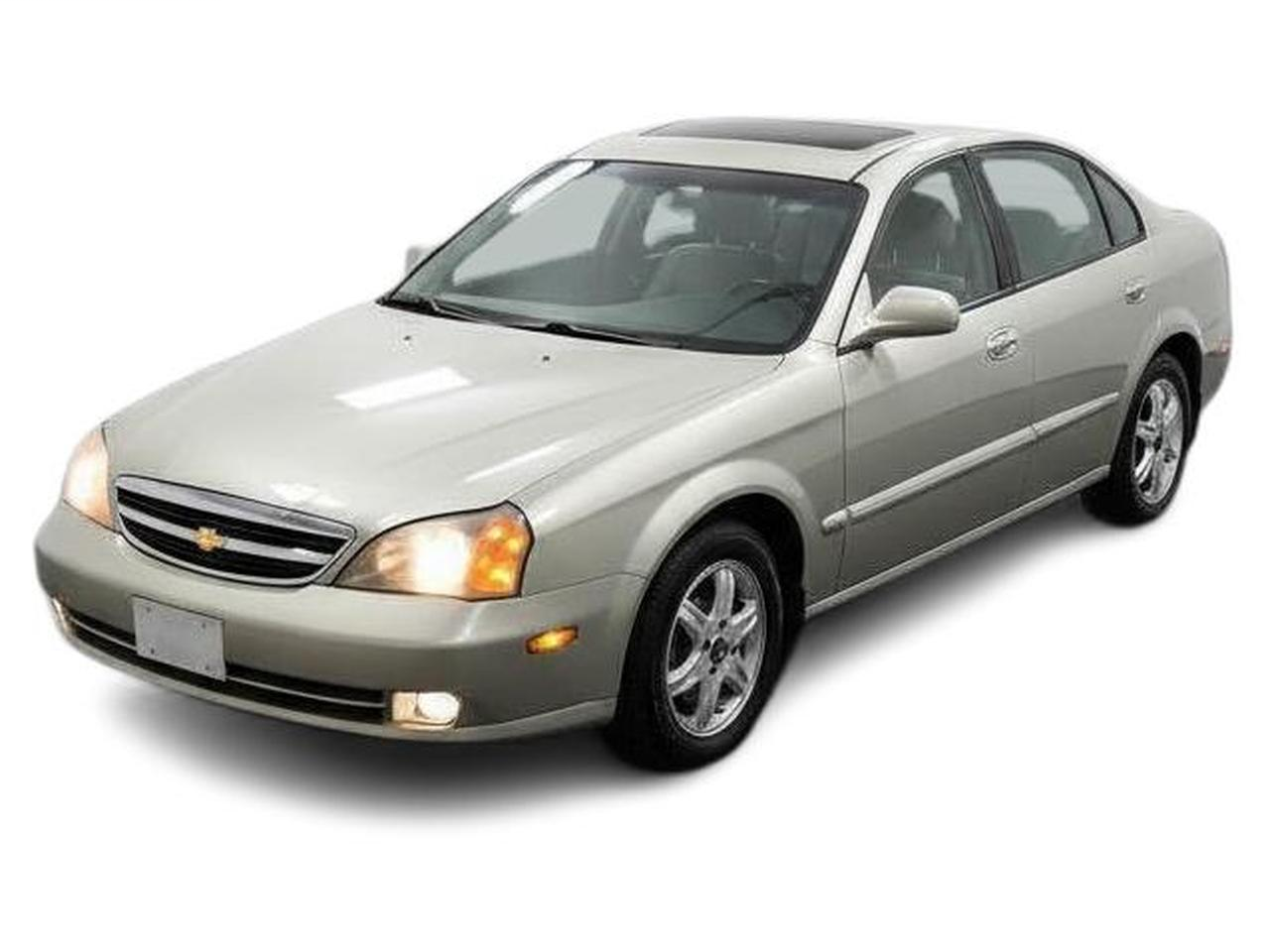
The Good
The 2005 Epica offers a comfortable ride and a surprisingly spacious cabin, appealing to practicality. Its distinctive styling provides an emotional draw, while the robust inline-six engine delivers smooth power. It presents a compelling value proposition for those seeking a well-equipped, comfortable sedan without a premium price tag.
The Bad
Potential buyers of the 2005 Chevrolet Epica should be aware of some common issues. These include concerns with the transmission, particularly the automatic transmission's longevity and smoothness. Electrical gremlins, such as faulty sensors or power window malfunctions, are also reported. Premature brake wear can be another area to monitor.
2005 Chevrolet Epica: Quick Overview
- Engine Options: The 2005 Chevrolet Epica was exclusively offered with a 2.5-liter inline-six engine.
- Horsepower: This engine produced approximately 155 horsepower.
- Torque: Peak torque was around 152 lb-ft.
- Transmission: It came standard with a 4-speed automatic transmission.
- Fuel Economy: Estimated EPA fuel economy ratings were around 19 MPG in the city and 27 MPG on the highway.
- 0-60 Times: Acceleration to 60 MPH was typically in the range of 9.5 to 10.5 seconds, depending on conditions.
- Towing Capacity: The Epica was not designed for towing; therefore, no official towing capacity is listed.
- Trim Levels & Features:
LS Trim:- Standard features included air conditioning, power windows and locks, a tilt steering wheel, cruise control, and a basic CD player audio system.
- Cloth seating was standard.
- 15-inch steel wheels with wheel covers.
- Added features over the LS trim, which could include alloy wheels (16-inch), an upgraded audio system with a CD changer, fog lights, and potentially leatherette or leather-trimmed seating surfaces.
- Automatic climate control might have been an option.
- Power-adjustable driver's seat.
- Sunroof as an optional extra.
2005 Chevrolet Epica Specifications
Vehicle Information
| Year | 2005 |
| Make | Chevrolet |
| Model | Epica |
| Trim | - |
| Style | LT Sedan FWD 4AT 2.2L I4 |
| Type | Sedan |
| Category | passenger |
Manufacturing Details
| Made In | United States |
| Manufacturing City | LANSING - NORTH PLANT |
Dimensions
| Doors | 4-Door |
| Curb Weight | 3200 pounds |
| Gross Vehicle Weight Rating | - |
| Overall Height | 57.5 inches |
| Overall Length | 182.5 inches |
| Overall Width | 70.5 inches |
| Wheelbase Length | 108.3 inches |
| Standard Seating | 5 |
Engine & Performance
| Engine | 2.2L I4 |
| Engine Size | 2.2L |
| Engine Cylinders | 4 |
| Transmission | 4-Speed Automatic |
| Transmission Type | Automatic |
| Transmission Speeds | 4-Speed |
| Drivetrain | Front-Wheel Drive |
Additional Features
| Anti-Brake System | 4-Wheel ABS |
| Steering Type | Rack & Pinion |
Pricing
| Manufacturer Suggested Retail Price (MSRP) | $22,995 |
| Invoice Price | $21,500 |
| Delivery Charges | $750 |
Vehicle History Report
Specifications
History
Events
History Check
Check
Check
Check
Check
Listings
Recalls
Check
Analysis
What Problems Does the 2005 Chevrolet Epica Have?
Another area prone to issues is the engine, specifically related to the ignition system. Spark plug issues, coil pack failures, and associated misfires are not uncommon, leading to a loss of power and illuminated check engine lights. While not as critical as transmission problems, these can still be a recurring expense.
Electrical system problems also surface in owner forums and repair logs. These can manifest in various ways, including faulty power window regulators that fail, malfunctioning door locks, and issues with the instrument cluster or dashboard lights. Sometimes, these electrical gremlins can be intermittent and difficult to diagnose.
Brake system complaints are also noted, with some owners experiencing premature wear of brake pads and rotors, even under normal driving conditions. This could be attributed to the vehicle's weight or potentially the braking system components themselves.
Regarding recalls, for the 2005 model year, there were a few safety-related recalls. These typically involved issues such as potential problems with the airbag system (specifically, the inflator module) and sometimes related to the fuel system or emissions controls. It is crucial for any buyer to verify that all applicable recalls have been addressed by a qualified mechanic.
While the inline-six engine is generally considered smoother than a comparable V6, the overall long-term reliability of the 2005 Epica is often considered average to below average compared to some of its Japanese competitors of the same era. The transmission and electrical systems appear to be the weakest links that can significantly impact ownership experience over time. Model year variations are not drastically different, but as the car ages, these common issues tend to become more prevalent.
How long will the 2005 Chevrolet Epica last?
What Technology & Safety Features are Included?
Entertainment options, especially in the higher LT trim, could be upgraded to include a multi-disc CD changer, offering a more robust audio experience. While Bluetooth connectivity and touchscreens were non-existent, the focus was on practical utility.
In terms of driver-assistance features, the 2005 Epica was relatively basic. Anti-lock Braking System (ABS) was standard on most models, providing crucial assistance during emergency braking situations. Traction control was often available as an option, particularly on LT trims, aiding in slippery conditions.
Safety was a key consideration, and the Epica came equipped with standard front airbags and front-seat side-impact airbags. Rear seat occupants were also provided with adequate safety restraints. For its time, the Epica aimed to provide a secure environment for its occupants.
Regarding crash-test ratings, the 2005 Chevrolet Epica received respectable scores from the Insurance Institute for Highway Safety (IIHS) and the National Highway Traffic Safety Administration (NHTSA) for its model year. For instance, it often achieved good ratings in frontal offset crash tests, indicating solid structural integrity. Side-impact test results were also generally positive. However, it's important to note that these ratings are based on tests conducted under older, less stringent protocols compared to today's standards. The availability of optional features like a sunroof or upgraded audio systems varied by trim and package selection during the initial sale.
What Colors Options are Available?
2005 Chevrolet Epica Prices and Market Value
2005 Chevrolet Epica Cost of Ownership
2005 Chevrolet Epica Fuel Efficiency
2005 Chevrolet Epica Insurance
reasonable repair costs.
How Does the 2005 Chevrolet Epica Compare to Other Sedan?
Performance: The Epica's inline-six engine offered a smoother power delivery than many inline-four competitors and some V6s. However, it generally lagged behind the more potent engines offered in rivals like the Altima or Accord in terms of acceleration. Its handling was competent but not particularly sporty.
Features: At its price point, the Epica offered a good level of standard equipment, often matching or exceeding rivals in terms of power amenities and basic comfort features. However, it generally lacked the more advanced technology or refined interior materials found in some Japanese competitors, especially as they aged.
Reliability: This is where the Epica typically faltered. While the Camry and Accord built reputations for bulletproof reliability, the Epica faced more frequent issues with its transmission and electrical systems. This significantly impacted its long-term dependability score compared to its class leaders.
Price: The Epica was often priced competitively, aiming to offer more features for the money compared to its Japanese rivals, particularly when new. In the used market, it remains significantly cheaper than comparable Camry or Accord models, reflecting its depreciation and reliability concerns.
Recommendations:
For buyers prioritizing bulletproof reliability and excellent resale value, the Toyota Camry and Honda Accord are superior alternatives, even if they might cost more upfront. Their long-term ownership experience is generally much smoother and less prone to costly surprises.
The Nissan Altima is a strong contender offering a sportier driving experience and powerful engine options, though its reliability can be more variable than the Camry or Accord. The Ford Fusion, introduced around the same time, offered a good blend of comfort and features and generally had better reliability ratings than the Epica.
If the Epica's low used price is the primary draw, it might be considered a viable option for those with a limited budget who are mechanically inclined or have access to affordable repairs, but it is generally advisable to look towards the more reliable Japanese sedans for greater peace of mind.
Final Verdict: Is the 2005 Chevrolet Epica a Good Sedan?
If considering a purchase, it should be strictly as a used vehicle, and only after a thorough pre-purchase inspection by a trusted mechanic, with particular attention paid to the transmission. The LS trim offers essential features at a lower price, while the LT might add some niceties. Ultimately, its worthiness hinges entirely on its condition and price; a well-maintained, low-mileage example at a bargain price might be a justifiable purchase for someone prioritizing absolute affordability, but buyers should be prepared for potential repair costs down the line.

Drew B
Drew is a seasoned automotive expert and contributor to VinCheck.info. With nearly 15 years of experience as a former Porsche technician, he brings a wealth of hands-on knowledge to his writing. Born in North Carolina, a region renowned for its deep-rooted NASCAR culture, Drew developed a passion for cars early in life, often building and working on vehicles from a young age. At VINCheck, Drew leverages his extensive technical background to provide in-depth analyses of various vehicles. His articles often focus on engine performance, reliability, and maintenance insights, offering readers practical information grounded in real-world experience. Some of his notable contributions include reviews on the Mazda CX-5's longevity and detailed examinations of engine options for models like the 2011 Toyota Camry and Tacoma