
2007 GMC Sierra 1500 Classic Overview, Reviews, Ratings & Specs
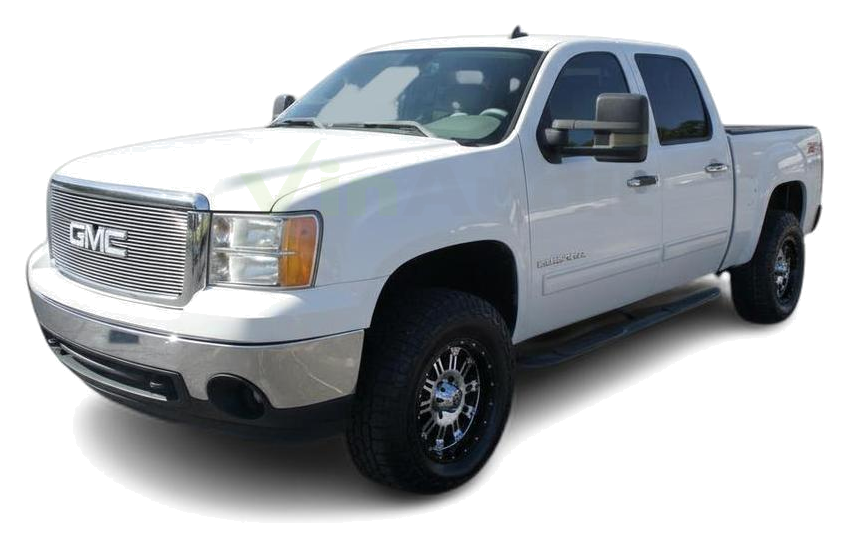
The Good
Its key advantages lie in proven reliability and a "built like a tank" feel. Robust V8 engines offer strong performance and towing capacity, appealing to practical buyers needing a workhorse. Emotionally, it's a classic American truck with simple, durable design. Good comfort for a truck of its era and excellent used market value make it a smart, economical choice.
The Bad
Known weaknesses include significant rust on the frame, rocker panels, and cab corners. Watch out for failing instrument clusters, common 4L60E transmission issues, and fuel pump failures. ABS module malfunctions, brake line corrosion, and power window motor problems are also frequently reported, demanding careful pre-purchase inspection.
2007 GMC Sierra 1500 Classic: Quick Overview
- Engine Options:
- 4.3L Vortec V6 (base)
- 4.8L Vortec V8
- 5.3L Vortec V8 (with or without Active Fuel Management - AFM)
- 6.0L Vortec V8 (available on 1500HD/heavy-duty configurations, less common for standard 1500) - Horsepower:
- 4.3L V6: Approx. 195 hp
- 4.8L V8: Approx. 285 hp
- 5.3L V8: Approx. 295 hp - Fuel Economy (EPA Estimated, Varies by drivetrain/configuration):
- 4.3L V6 2WD: ~15 City / 20 Highway MPG
- 5.3L V8 2WD: ~14 City / 18 Highway MPG
- 5.3L V8 4WD: ~13 City / 17 Highway MPG
(Note: These are estimates, real-world mileage can vary significantly.) - 0-60 Times:
- Typically ranges from 7.5 to 9.0 seconds, depending on engine, cab style, and drivetrain. A 5.3L V8 2WD model could achieve around 8 seconds. - Towing Capacity (Varies widely by engine, axle ratio, and configuration):
- Ranges from approximately 5,000 lbs (4.3L V6) up to 10,000 lbs (5.3L V8 or 6.0L with heavy-duty trailering package and proper gearing). - Trim-Level Features:
- Work Truck (WT): Basic, vinyl seats, manual windows/locks, AM/FM radio, steel wheels. Designed for utility.
- SL: Modest upgrade over WT, often adding power windows/locks, cloth seats.
- SLE: More comfort-oriented with features like upgraded cloth upholstery, keyless entry, CD player, chrome exterior accents, power mirrors, optional OnStar, and more.
- SLT: Top-tier luxury. Leather seating surfaces, dual-zone automatic climate control, Bose premium audio, steering wheel controls, heated front seats, larger alloy wheels, and extensive power accessories were common. Optional features across trims included Z71 Off-Road package, heavy-duty trailering package, G80 locking rear differential, and various bed liners/accessories.
2007 GMC Sierra 1500 Classic Specifications
Vehicle Information
| Year | 2007 |
| Make | GMC |
| Model | Sierra 1500 Classic |
| Trim | - |
| Style | 4-Door 4-Foot Bed |
| Type | Pickup Truck |
| Category | Standard Pickup Truck |
Manufacturing Details
| Made In | Canada |
| Manufacturing City | OSHAWA TRUCK |
Dimensions
| Doors | 4-Door |
| Curb Weight | 4987 pounds |
| Gross Vehicle Weight Rating | 6900 pounds |
| Overall Height | 72.60 inches |
| Overall Length | 230.20 inches |
| Overall Width | 78.50 inches |
| Wheelbase Length | 143.50 inches |
| Standard Seating | 5 |
Engine & Performance
| Engine | 4.8L V8 |
| Engine Size | 4.8L |
| Engine Cylinders | 8 |
| Transmission | 4-Speed Automatic |
| Transmission Type | Automatic |
| Transmission Speeds | 4-Speed |
| Drivetrain | Rear-Wheel Drive |
Additional Features
| Anti-Brake System | 4-Wheel ABS |
| Steering Type | Rack & Pinion |
Pricing
| Manufacturer Suggested Retail Price (MSRP) | $32,690 |
| Invoice Price | $29,911 |
| Delivery Charges | $900 |
Vehicle History Report
Specifications
History
Events
History Check
Check
Check
Check
Check
Listings
Recalls
Check
Analysis
What Problems Does the 2007 GMC Sierra 1500 Classic Have?
A notorious mechanical issue is the instrument cluster failure, where gauges (speedometer, tachometer, fuel, oil pressure) become erratic, stick, or stop working entirely. The stepper motors inside the cluster are the usual culprits.
Transmission problems, specifically with the 4L60E automatic transmission, are also common. These can manifest as delayed shifts, hard shifts, slipping, or complete failure, often requiring a rebuild or replacement around 150,000-200,000 miles, particularly if subjected to heavy towing or neglect.
Fuel pump failures are another significant concern, frequently leading to a no-start condition. The fuel level sending unit integrated with the pump can also fail, giving inaccurate fuel readings. The ABS control module is prone to failure, causing the ABS and brake warning lights to illuminate and disabling the anti-lock braking system. Additionally, steel brake lines are susceptible to corrosion and can burst, leading to a sudden loss of braking power.
Power window motors and regulators often fail, causing windows to operate slowly or become inoperable. For 5.3L V8 engines equipped with Active Fuel Management (AFM), premature lifter wear and excessive oil consumption can occur, potentially leading to expensive engine repairs if not addressed. Steering components like the pitman arm and idler arm are also common wear items, contributing to loose steering feel over time. While specific recalls for the '07 Classic are fewer than for the new body style, owners should check NHTSA for any applicable recalls related to the broader GMT800 platform, as some might apply to carryover components.
How long will the 2007 GMC Sierra 1500 Classic last?
What Technology & Safety Features are Included?
For entertainment, standard offerings included an AM/FM stereo, often with a single-disc CD player. Higher trims or optional packages could include a 6-disc CD changer, an upgraded Bose premium sound system, and a basic auxiliary audio input (sometimes requiring an adapter). Rear-seat DVD entertainment systems were an option on Crew Cab models. Modern amenities like USB ports, Bluetooth audio streaming, or large touchscreens were not available.
Driver-assistance features were minimal by today's standards. Cruise control was widely available, standard on higher trims and optional on others. Some higher-end models might have been equipped with optional rear parking assist sensors, though this was less common on the 1500 Classic.
Safety features included standard dual front airbags and 4-wheel anti-lock brakes (ABS). Side-impact airbags were an option, though not universally standard across all cab configurations. Daytime Running Lights (DRL) were a standard feature. OnStar also offered automatic crash notification services.
Crash-Test Ratings:
- NHTSA (National Highway Traffic Safety Administration): The 2007 Sierra 1500 (GMT800 platform) generally received decent but not stellar ratings for its era. Frontal crash tests typically yielded 4 out of 5 stars for both driver and passenger. Side-impact ratings varied, often 3 or 4 stars for driver and rear passenger depending on cab configuration (e.g., Extended Cab vs. Crew Cab). Rollover resistance typically rated 3 stars for 2WD models and 4 stars for 4WD.
- IIHS (Insurance Institute for Highway Safety): The IIHS did not conduct full frontal offset or side impact tests on the GMT800 generation pickups directly comparable to modern testing. They rated the vehicle's Head Restraints & Seats as "Marginal" for whiplash protection.
What Colors Options are Available?
2007 GMC Sierra 1500 Classic Prices and Market Value
2007 GMC Sierra 1500 Classic Cost of Ownership
2007 GMC Sierra 1500 Classic Fuel Efficiency
2007 GMC Sierra 1500 Classic Safety Rating
NHTSA
IIHS
2007 GMC Sierra 1500 Classic Warranty
Basic
Powertrain
Rust
2007 GMC Sierra 1500 Classic Insurance
reasonable repair costs.
How Does the 2007 GMC Sierra 1500 Classic Compare to Other Pickup Truck?
In performance, the Sierra Classic's Vortec V8s (5.3L, 6.0L) provided strong towing and hauling capabilities, comparable to the F-150's 5.4L Triton V8 and the Ram's Hemi. The older Tundra's V8 was less potent but very smooth. The Titan's 5.6L V8 was also a strong performer.
Features were relatively basic across the board for this era. The Sierra Classic offered comfort in its SLE/SLT trims, but its interior was less refined than the new GMT900 Sierra. The F-150 had a comfortable, well-designed interior. Ram was practical, while the older Tundra was spartan. The Titan had some clever storage solutions. None had modern connectivity or driver-assistance.
Reliability is where distinctions emerge. The Sierra Classic's Vortec engines are highly durable, but it's plagued by common 4L60E transmission issues, instrument cluster failures, fuel pump problems, and significant rust concerns. The Ford F-150's 5.4L V8 had cam phaser and spark plug issues, while the 4.6L was more robust. Ram 1500s were known for occasional suspension and electrical glitches. The Toyota Tundra (especially the older generation) is often considered the benchmark for long-term reliability with fewer systemic issues, though rust could still be a factor. The Titan had early transmission concerns but a strong engine.
Used Price for all these models is quite competitive, primarily driven by condition and mileage. The Sierra Classic, F-150, and Ram 1500 generally offer excellent utility per dollar. The Tundra often commands a slight premium due to its reliability reputation.
Alternatives:
- Better (for long-term peace of mind/less common issues): A clean, older generation Toyota Tundra (pre-2007) is a strong contender for sheer reliability, though it might lack power compared to domestics. The 2007+ Tundra is a substantial upgrade if budget allows.
- Similar (good value workhorse): A Ford F-150 (especially with the 4.6L V8 to avoid 5.4L cam phaser woes) or a Hemi-powered Ram 1500 offer comparable utility and used pricing, each with their own set of typical aging concerns.
Final Verdict: Is the 2007 GMC Sierra 1500 Classic a Good Pickup Truck?
It is absolutely worth buying as a used vehicle, given its strong reputation for longevity. However, rigorous pre-purchase inspection is paramount. Buyers should specifically look for rust on the frame and body, assess transmission health, check for functioning instrument cluster gauges, and verify fuel pump operation. Opting for models with a 5.3L V8 offers a good balance of power and economy. A documented maintenance history adds significant value. It's best for those who don't mind addressing common age-related issues or are mechanically inclined, as it offers substantial utility for its used market price.

Drew B
Drew is a seasoned automotive expert and contributor to VinCheck.info. With nearly 15 years of experience as a former Porsche technician, he brings a wealth of hands-on knowledge to his writing. Born in North Carolina, a region renowned for its deep-rooted NASCAR culture, Drew developed a passion for cars early in life, often building and working on vehicles from a young age. At VINCheck, Drew leverages his extensive technical background to provide in-depth analyses of various vehicles. His articles often focus on engine performance, reliability, and maintenance insights, offering readers practical information grounded in real-world experience. Some of his notable contributions include reviews on the Mazda CX-5's longevity and detailed examinations of engine options for models like the 2011 Toyota Camry and Tacoma