
2007 International 4100 Overview, Reviews, Ratings & Specs
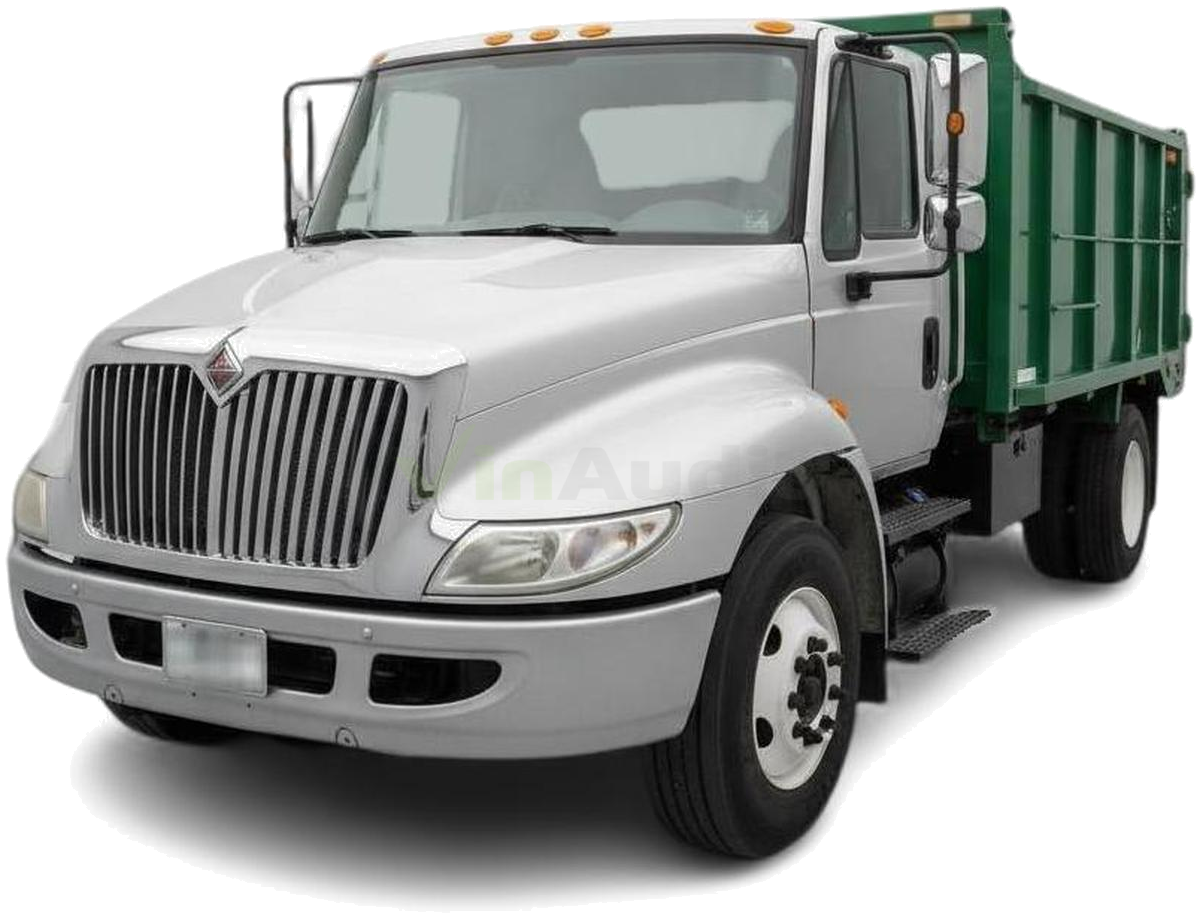
The Good
The 2007 International 4100 offers strong performance with ample torque for heavy loads, a functional design, and a reputation for durability. Practically, it provides a versatile platform and solid resale value in the vocational market. Emotionally, it "s a trusted, dependable partner for businesses, offering peace of mind through its robust construction and ability to get tough jobs done reliably.
The Bad
A significant weakness for the 2007 International 4100 is its early emissions control systems, specifically the Diesel Particulate Filter (DPF) and Exhaust Gas Recirculation (EGR) systems, which can be prone to issues and costly repairs. Other concerns include potential for rust on the chassis and general electrical gremlins common in older commercial vehicles.
2007 International 4100: Quick Overview
Key specifications for the 2007 International 4100:
- Engine Options: The primary engine offerings included the International DT466 and the MaxxForce DT inline 6-cylinder diesel engines. These were known for their robust design and suitability for medium-duty applications.
- Horsepower: Depending on the specific engine tune and application, horsepower figures generally ranged from approximately 210 to 300 horsepower. Torque output was substantial, typically between 520 lb-ft and 800 lb-ft, crucial for hauling heavy loads.
- Fuel Economy: Fuel economy for a commercial truck like the 4100 is highly variable, depending on factors such as load, route, driving style, and specific upfit. Owners typically reported figures in the range of 6 to 10 miles per gallon (MPG).
- 0-60 Times: Performance metrics like 0-60 mph acceleration times are not applicable or relevant for a medium-duty commercial truck designed for vocational work rather than speed. Its performance is measured by its ability to reliably move heavy loads.
- Towing Capacity: The International 4100 was offered with various Gross Vehicle Weight Rating (GVWR) configurations, typically ranging from Class 6 (25,999 lbs) to Class 7 (33,000 lbs). When properly equipped with a suitable trailer hitch, its Gross Combined Weight Rating (GCWR), which includes both the truck and trailer, could exceed 40,000 lbs, allowing for substantial towing or hauling capacity depending on the specific chassis and upfit.
- "Trim-level" Features: Unlike passenger vehicles, the 4100 "trims" are more about chassis configurations and optional equipment.
- Cab Configurations: Available as a standard day cab, or optional extended cabs for more interior space.
- Transmissions: Options included manual transmissions (e.g., Eaton Fuller 6-speed, 7-speed) and various automatic transmissions, most notably the highly regarded Allison 2500, 3000, or 3500 Series, which were popular for their durability and ease of operation in vocational settings.
- Brake Systems: Hydraulic brakes were standard on lighter GVWR models, while air brakes were standard on heavier configurations, often with ABS.
- Suspension: Leaf spring suspensions were standard, with optional air-ride rear suspensions available for improved ride comfort and cargo protection.
- Comfort & Convenience: Standard features were basic, typically including AM/FM radio, manual windows, and vinyl seating. Optional amenities included air conditioning, cruise control, power windows and locks, and air-ride driver's seats for enhanced comfort during long hours.
- Vocational Options: Power Take-Off (PTO) readiness, various frame rail options, fuel tank sizes, and exhaust configurations were critical options depending on the intended upfit.
2007 International 4100 Specifications
Vehicle Information
| Year | 2007 |
| Make | International |
| Model | 4100 |
| Trim | - |
| Style | - |
| Type | Truck |
| Category | Heavy Truck |
Manufacturing Details
| Made In | Mexico |
| Manufacturing City | - |
Dimensions
| Doors | - |
| Curb Weight | - |
| Gross Vehicle Weight Rating | 19500 pounds |
| Overall Height | - |
| Overall Length | - |
| Overall Width | - |
| Wheelbase Length | - |
| Standard Seating | - |
Engine & Performance
| Engine | 6L V8 |
| Engine Size | 6L |
| Engine Cylinders | 8 |
| Transmission | - |
| Transmission Type | - |
| Transmission Speeds | - |
| Drivetrain | Rear-Wheel Drive |
Additional Features
| Anti-Brake System | - |
| Steering Type | - |
Pricing
| Manufacturer Suggested Retail Price (MSRP) | - |
| Invoice Price | - |
| Delivery Charges | - |
Vehicle History Report
Specifications
History
Events
History Check
Check
Check
Check
Check
Listings
Recalls
Check
Analysis
What Problems Does the 2007 International 4100 Have?
The 2007 International 4100, being a medium-duty commercial truck, has specific reliability considerations, particularly due to its model year. The most frequently reported problems and long-term reliability concerns for this era often revolve around the introduction of new emissions regulations.
Emissions System Issues (2007 Model Year Specific): The 2007 model year was a transitional period for diesel engines, with new EPA regulations requiring significant changes to reduce emissions. This led to the widespread adoption of Diesel Particulate Filters (DPF) and more complex Exhaust Gas Recirculation (EGR) systems. For the International 4100, equipped with either the DT466 or MaxxForce DT engines, these early generation emissions systems were a common source of frustration. Owners frequently reported:
- DPF Regeneration Problems: Frequent or failed DPF regenerations, leading to clogged filters, reduced engine power, and costly DPF cleaning or replacement.
- EGR Valve Failures: The EGR valve and cooler components were prone to clogging with soot, leading to stuck valves, coolant leaks, and engine performance issues.
- Sensor Failures: Various sensors associated with the emissions system (e.g., NOX sensors, differential pressure sensors) could fail, causing "check engine" lights and derating of the engine.
- Injector Issues: While not exclusive to 2007, some MaxxForce DT engines from this period have faced criticisms regarding injector longevity and fuel system reliability.
General Reliability Concerns: Beyond emissions, other common issues for a commercial vehicle of this age and type include:
- Electrical Gremlins: Wiring harness wear, corrosion in connections, and component failures can lead to intermittent electrical problems with lights, gauges, or accessory functions.
- Rust and Corrosion: Especially in regions exposed to road salt, chassis components, cab corners, battery boxes, and fuel tanks can experience significant rust over time.
- Air Brake System (if equipped): Older air brake systems can develop leaks, require frequent adjustment, or suffer from compressor issues, leading to costly repairs.
- Suspension Components: Heavy use leads to wear on leaf springs, shackles, bushings, and shock absorbers, impacting ride quality and handling.
- HVAC System: Air conditioning system failures (compressors, leaks) are common with age.
Recalls: International had several recalls affecting the DuraStar series around 2007, which could apply to the 4100 model. These generally addressed specific safety or compliance issues rather than widespread mechanical failures. Examples included:
- Recalls related to steering shaft components, potentially affecting steering control.
- Issues with wiring harnesses that could short circuit, possibly affecting brake lights or other electrical functions.
- Specific campaigns for fuel system components or brake system calibrations.
Prospective buyers should always check the VIN for any outstanding recalls and ensure they have been addressed. The long-term reliability of a 2007 4100 significantly hinges on the maintenance history, especially regarding its emissions equipment. Units that have received diligent care and had emissions components proactively maintained or replaced will generally fare better.
How long will the 2007 International 4100 last?
What Technology & Safety Features are Included?
The 2007 International 4100, as a commercial medium-duty truck, prioritized functionality and durability over advanced technological features typically found in passenger vehicles of the same era. Its built-in technology, entertainment, and driver-assistance systems were basic by today 's standards, reflecting its role as a work tool.
- Built-in Tech: The "tech" consisted primarily of a conventional analog gauge cluster displaying essential information like speedometer, tachometer, oil pressure, coolant temperature, and fuel level. A basic digital display might provide odometer readings and trip information. Diagnostic capabilities were rudimentary, typically involving engine fault codes accessible via a specific scan tool. Integration with advanced fleet management or telematics systems was usually an aftermarket addition rather than a factory-installed feature.
- Entertainment: Standard entertainment was limited to an AM/FM radio, often with a CD player. Sound quality was generally utilitarian, delivered through basic speakers. Bluetooth connectivity, USB ports, or auxiliary inputs were rarely, if ever, factory options and would require aftermarket upgrades.
- Driver-Assistance Features: Modern driver-assistance systems (ADAS) like adaptive cruise control, lane-keeping assist, or automatic emergency braking were nonexistent in the 2007 International 4100. The primary driver-assistance feature was the Anti-lock Braking System (ABS), which was standard on most configurations, especially those with air brakes, improving stopping control. Traction control might have been an optional feature on some models, enhancing stability in slippery conditions.
- Safety Features: Basic safety features included standard three-point seatbelts for occupants. Airbags were not universally standard on commercial trucks of this class and era; some configurations might have offered a driver-side airbag as an option, but often they were not present. The truck 's inherent safety came from its robust, heavy-duty chassis and substantial construction designed to withstand the rigors of commercial work. Depending on the GVWR, hydraulic or powerful air brakes provided stopping power.
- Optional Features: Beyond the base configuration, optional features focused on improving utility, driver comfort, or operational efficiency. These included air conditioning, cruise control, power windows and door locks (less common than in passenger cars), heated mirrors, air-ride driver 's seats for enhanced comfort, and various PTO (Power Take-Off) configurations to power auxiliary equipment.
- Crash-Test Ratings: It is important to note that commercial trucks like the International 4100 are not subjected to the same standardized crash-test ratings (e.g., NHTSA or IIHS ratings) as passenger vehicles. Therefore, specific crash-test scores or safety ratings are not available for this vehicle. Its safety performance is judged more by its structural integrity in real-world commercial incidents and compliance with relevant commercial vehicle safety standards.
What Colors Options are Available?
2007 International 4100 Prices and Market Value
2007 International 4100 Cost of Ownership
2007 International 4100 Fuel Efficiency
2007 International 4100 Recalls & Defects
Vehicle Speed Control
2007 International 4100 Warranty
Basic
Powertrain
Rust
2007 International 4100 Insurance
reasonable repair costs.
How Does the 2007 International 4100 Compare to Other Truck?
The 2007 International 4100 competes in the fiercely contested medium-duty truck segment, with key rivals including the Freightliner M2 106, Ford F-650/F-750 (often with Caterpillar or Cummins engines), Kenworth T170/T270/T370, and Peterbilt 330/335. Each offered a customizable chassis for various vocational roles.
- Performance: In terms of engine performance, the International 4100 with its DT466 or MaxxForce DT engines was generally competitive, offering strong torque suitable for its GVWR class. Rivals equipped with Cummins ISB/ISC engines (common in Freightliner M2 and Ford F-650/F-750) or Caterpillar C7 (Ford F-650/F-750) offered similar power outputs, making direct "performance" comparisons less about speed and more about sustained pulling power and durability.
- Features: Across the board, these trucks provided similar basic work-oriented features: day cabs, optional extended cabs, manual or automatic transmissions (Allison being a popular choice for all), air conditioning, and basic entertainment systems. Advanced driver-assistance features were largely absent from all rivals in 2007. The International 's cab offered good visibility and functional ergonomics typical for the class.
- Reliability: This is where the 2007 model year for International can be a point of distinction, often for the worse. While the core International DT466 engine itself has a strong reputation, the early-generation emissions systems (DPF/EGR) introduced in 2007, particularly with the MaxxForce engines that followed, proved less reliable and more prone to issues compared to the Cummins or Caterpillar engines in rival trucks. Freightliner M2 models with Cummins engines often held a perceived edge in emissions system reliability during this transitional period.
- Price: New, all these medium-duty trucks were priced competitively, largely depending on specific configurations and upfits. On the used market today, the International 4100 's price can be slightly lower than a comparable Freightliner M2 or Ford F-650 with a proven Cummins engine, primarily due to the lingering concerns about the 2007-era emissions systems.
Recommendations:
- Similar Alternatives: The Freightliner M2 106 is a very strong and direct competitor. Many M2s from this era were equipped with Cummins engines, which often had a more refined and reliable emissions system than International 's early MaxxForce DT implementations.
- Potentially Better Alternatives (for reliability focus): For peace of mind regarding the 2007 emissions systems, a Ford F-650/F-750 with a Cummins ISB/ISC engine from the same year might offer better long-term reliability. Another consideration would be a slightly older (pre-2007) International 4100 with the DT466 engine before the complex emissions systems were mandated, though these are increasingly harder to find in good condition. Ultimately, for a 2007 model, any alternative with a Cummins engine would likely be a safer bet for emissions system longevity.
Final Verdict: Is the 2007 International 4100 a Good Truck?

Simon A
Simon is a contributor to VinCheck, where he provides articles and reviews on various automotive topics. His work focuses on delivering accurate and up-to-date information about used cars, helping readers make informed decisions.