
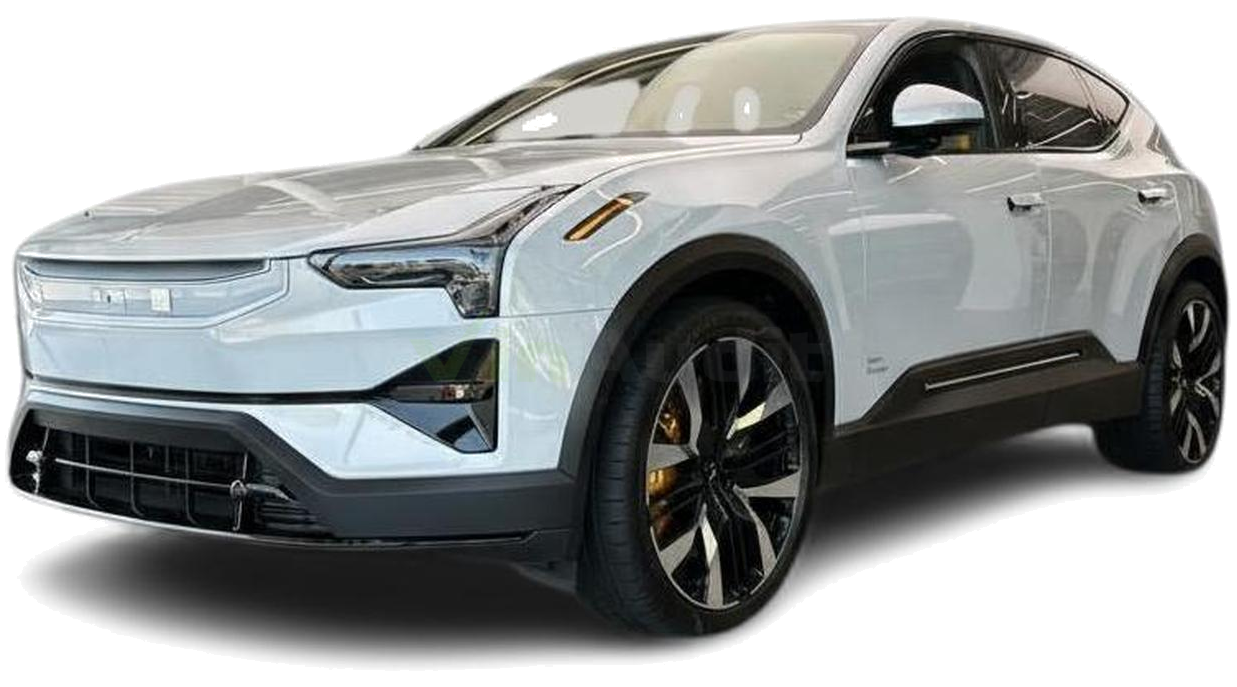
2025 Polestar 3 Overview, Reviews, Ratings & Specs
The Good
The 2025 Polestar 3 boasts exhilarating performance from its dual motors, a sophisticated and comfortable interior, and a sleek, modern design. Its electric efficiency offers lower running costs, appealing to practical buyers, while its dynamic driving experience and cutting-edge tech excite enthusiasts.
The Bad
Potential weaknesses for the 2025 Polestar 3 may include its premium price point, which places it among more established luxury brands. Early adopters might also face a learning curve with new software interfaces, and long-term reliability data for this specific model is still developing.
2025 Polestar 3: Quick Overview
- Engine Options: The 2025 Polestar 3 is equipped with a dual-motor all-wheel-drive electric powertrain.
- Horsepower: The standard Long Range model produces 489 horsepower. With the optional Performance Pack, this increases to 517 horsepower.
- Torque: Standard models offer 627 lb-ft of torque, while the Performance Pack boosts this to 671 lb-ft.
- Battery: It features a large 111 kWh battery pack.
- Estimated Range: Polestar estimates a range of up to 300 miles on a full charge, though this can vary based on driving conditions and specifications.
- 0-60 Times: The standard model achieves 0-60 mph in approximately 5.0 seconds. With the Performance Pack, this drops to around 4.7 seconds.
- Towing Capacity: The Polestar 3 is rated to tow up to 3,500 pounds.
- Key Trim-Level Features:
- Long Range: Standard features include adaptive air suspension, LED lighting, a panoramic glass roof, a minimalist interior with sustainable materials, a 14.5-inch central touchscreen with Google built-in, and a comprehensive suite of advanced driver-assistance systems.
- Performance Pack (Optional Add-on): This upgrade enhances performance with increased horsepower and torque, and also includes upgraded Brembo brakes, Pirelli P Zero performance tires, and Polestar's signature Swedish gold accents on the seatbelts and valve caps.
- Other Notable Features: Advanced driver-assistance systems, over-the-air software updates, and a strong focus on aerodynamic efficiency are also key aspects across trims.
2025 Polestar 3 Specifications
Vehicle Information
| Year | 2025 |
| Make | Polestar |
| Model | 3 |
| Trim | - |
| Style | - |
| Type | Sport Utility Vehicle |
| Category | Standard Sport Utility Vehicle |
Manufacturing Details
| Made In | Sweden |
| Manufacturing City | CHENGDU |
Dimensions
| Doors | 4-Door |
| Curb Weight | - |
| Gross Vehicle Weight Rating | 7000 pounds |
| Overall Height | - |
| Overall Length | - |
| Overall Width | - |
| Wheelbase Length | - |
| Standard Seating | 5 |
Engine & Performance
| Engine | ELECTRIC |
| Engine Size | - |
| Engine Cylinders | - |
| Transmission | 1-Speed Automatic |
| Transmission Type | Automatic |
| Transmission Speeds | 1-Speed |
| Drivetrain | All-Wheel Drive |
Additional Features
| Anti-Brake System | Standard |
| Steering Type | - |
Pricing
| Manufacturer Suggested Retail Price (MSRP) | $73,400 |
| Invoice Price | - |
| Delivery Charges | - |
Vehicle History Report
Specifications
History
Events
History Check
Check
Check
Check
Check
Listings
Recalls
Check
Analysis
What Problems Does the 2025 Polestar 3 Have?
Software Glitches: New infotainment systems and complex electronic architectures can sometimes present initial software bugs or connectivity issues. Over-the-air updates are designed to address these, but early adopters may experience minor inconveniences.
Battery Performance and Degradation: While battery technology is advancing rapidly, long-term battery health and degradation rates are always a concern for EV owners. Manufacturers typically offer extensive battery warranties to mitigate this risk.
Charging Infrastructure Compatibility: While the Polestar 3 is expected to support standard charging protocols, ensuring seamless compatibility with various charging stations can sometimes be a factor.
Build Quality and Fitment: As a relatively new manufacturer, particularly with a high-volume SUV, consistent build quality across all vehicles is a benchmark to watch. However, Polestar has generally received positive reviews for its premium feel and materials.
It is crucial to note that at this early stage, there are no widespread recalls or known systemic issues reported for the 2025 Polestar 3. Prospective buyers should stay informed through official Polestar communications, automotive reviews, and owner forums as more data becomes available.
How long will the 2025 Polestar 3 last?
What Technology & Safety Features are Included?
Built-in Tech and Entertainment: Central to the interior is a large 14.5-inch infotainment touchscreen that runs on Android Automotive OS with Google built-in. This provides seamless integration with Google Maps, Google Assistant, and the Google Play Store, allowing for voice commands and app downloads. It supports Apple CarPlay and Android Auto as well. The system is designed for over-the-air (OTA) updates, ensuring the software remains current. A high-fidelity audio system, often from Harman Kardon, is available, providing an immersive listening experience. Wireless charging pads and multiple USB-C ports are standard.
Driver-Assistance Features: The Polestar 3 comes standard with a comprehensive suite of advanced driver-assistance systems (ADAS). These include adaptive cruise control, lane keeping assist, blind-spot monitoring with steering assist, forward collision warning with automatic emergency braking, and a 360-degree camera system. Optional packages, such as the Pilot Pack, can further enhance these capabilities with more advanced systems like LiDAR for enhanced autonomous driving potential, although full autonomous driving is not yet available.
Safety Features: Polestar places a high emphasis on safety. The structure of the Polestar 3 is designed for maximum crash protection, utilizing high-strength steel and advanced materials. Standard safety equipment includes multiple airbags, electronic stability control, and a robust tire pressure monitoring system. While specific crash-test ratings from organizations like NHTSA and IIHS for the 2025 Polestar 3 are not yet published, Polestar vehicles generally perform very well in safety assessments, aiming for top ratings in their respective classes. The integrated ADAS also contributes significantly to active safety by helping to prevent accidents.
What Colors Options are Available?
2025 Polestar 3 Prices and Market Value
2025 Polestar 3 Cost of Ownership
2025 Polestar 3 Fuel Efficiency
2025 Polestar 3 Safety Rating
NHTSA
2025 Polestar 3 Warranty
Basic
Powertrain
Rust
2025 Polestar 3 Insurance
reasonable repair costs.
How Does the 2025 Polestar 3 Compare to Other Sport Utility Vehicle?
Performance: The Polestar 3's dual-motor setup offers strong horsepower and torque, rivaling many competitors. The Performance Pack further enhances its sporty credentials. Tesla's Model X often leads in raw acceleration, while the Porsche Taycan Cross Turismo is engineered for superior driving dynamics. Mercedes and Audi offer refined, powerful performance that prioritizes luxury and comfort.
Features: Polestar excels with its minimalist Scandinavian design and Google-powered infotainment. Tesla's minimalist approach and robust Supercharger network are major draws. Mercedes and BMW offer a wealth of luxury features, advanced driver aids, and opulent interiors. The Polestar 3's standard suite of driver-assistance tech is competitive.
Reliability: Reliability is a significant consideration. Tesla has a long track record with EVs, though build quality can be inconsistent. Mercedes and Audi, with their extensive experience in luxury automotive manufacturing, generally offer higher perceived reliability. As a new model, the 2025 Polestar 3's long-term reliability is yet to be fully established, but early signs suggest a focus on quality.
Price: The Polestar 3 is positioned in the premium pricing bracket, starting in the mid-$80,000s, which places it against well-established luxury EVs. The Tesla Model X often starts at a higher price point, while the Mercedes EQE SUV and Audi e-tron can be comparably priced depending on configuration. The BMW iX also sits in this premium tier.
Recommendations:
- Similar Alternatives: For those prioritizing sleek design and a strong tech focus, the BMW iX offers a similarly futuristic interior and impressive EV technology. The Mercedes-Benz EQE SUV provides a more traditional luxury experience with strong performance and comfort.
- Potentially Better Alternatives (depending on priorities): If absolute acceleration and a vast charging network are paramount, the Tesla Model X remains a benchmark, though often at a higher cost and with different interior aesthetics. For the ultimate driving engagement and a sportier, wagon-like crossover, the Porsche Taycan Cross Turismo is exceptional but significantly more expensive.
Final Verdict: Is the 2025 Polestar 3 a Good Sport Utility Vehicle?
Whether it's worth buying depends on individual priorities. As a new model, buying new ensures the latest technology and full warranty coverage, which is recommended given its premium nature and relatively untested long-term reliability. The Performance Pack adds significant driving excitement but also increases the cost. For those seeking a more accessible entry into Polestar's EV offerings and who can compromise on SUV practicality, the Polestar 2 sedan or its wagon variant (if available) might be more budget-friendly alternatives.

Eugene S
Eugene is an automotive enthusiast with over 15 years of experience in the used car market. As a writer at VINCheck.info, he brings deep industry insight and a passion for cars, helping readers make smart, informed decisions. Eugene has written hundreds of used car reviews and is known for breaking down complex automotive topics into clear, actionable advice. Over the years, he has driven and worked on a wide range of vehicles—starting with tuning street cars in his early days and eventually focusing on performance upgrades and reliability improvements. Today, he specializes in evaluating used vehicles through the lens of real-world ownership and enthusiast needs. A longtime fan of Porsche, Eugene especially appreciates vehicles that blend durability with driving enjoyment.