The 1989 Chevrolet Corsica, a front-wheel-drive compact car, was produced by Chevrolet from 1987 to 1996. Available as a sleek two-door coupe and a practical four-door sedan, it aimed to offer a stylish and affordable option. Key trims included the base model, the sporty GT, and the more upscale LT. Its popularity stemmed from its European-inspired styling for its era and a relatively attractive price point for a new Chevrolet.
The Good
The 1989 Corsica offered decent fuel efficiency and a comfortable ride for its class. Its distinctive, somewhat sporty design appealed to those seeking a stylish compact, while its affordable price and generally straightforward mechanics offered practical value.

The Bad
Owners often reported issues with the electrical system, particularly with components like the alternator and power windows. Corrosion, especially in colder climates, and potential transmission problems were also noted as areas to watch out for.


1989 Chevrolet Corsica: Quick Overview
- Engine Options: The 1989 Chevrolet Corsica was primarily offered with two engine choices:
- A 2.0-liter naturally aspirated inline-four engine.
- A more potent 2.8-liter V6 engine (often referred to as the 2.8L MPFI V6).
- Horsepower:
- The 2.0L four-cylinder engine typically produced around 90-100 horsepower.
- The 2.8L V6 engine offered a more robust output, generally in the range of 130-140 horsepower.
- Fuel Economy: Specific EPA estimates for the 1989 model year can vary slightly based on engine and transmission, but generally, the Corsica offered competitive fuel economy for its time. Expect figures in the range of:
- Around 20-25 MPG in city driving.
- Around 28-32 MPG on the highway.
- 0-60 Times: 0-60 mph times were not a primary selling point for the Corsica, especially with the base engine.
- With the 2.0L engine, expect times in the 11-13 second range.
- The V6 models offered a more sprightly performance, with 0-60 times closer to 9-11 seconds.
- Towing Capacity: The Chevrolet Corsica was not designed for towing and did not have a specified towing capacity.
- Trim-Level Features: Key trims and their typical features included:
- Base Model: Featured essential amenities like manual windows, manual locks, basic cloth upholstery, and an AM/FM radio.
- GT: Typically included sportier exterior accents, firmer suspension tuning, upgraded interior trim, and often came with power windows and locks as standard or optional.
- LT: Positioned as the more upscale option, it often included features like power windows, power locks, cruise control, air conditioning, upgraded audio systems, and more premium interior materials.
1989 Chevrolet Corsica Specifications
Vehicle Information
| Year | 1989 |
| Make | Chevrolet |
| Model | Corsica |
| Trim | - |
| Style | - |
| Type | Hatchback |
| Category | Compact Car |
Manufacturing Details
| Made In | United States |
| Manufacturing City | WILMINGTON |
Dimensions
| Doors | 4-Door |
| Curb Weight | - |
| Gross Vehicle Weight Rating | - |
| Overall Height | - |
| Overall Length | - |
| Overall Width | - |
| Wheelbase Length | - |
| Standard Seating | - |
Engine & Performance
| Engine | 2.8 L V-6 |
| Engine Size | 2.8L |
| Engine Cylinders | 6 |
| Transmission | - |
| Transmission Type | - |
| Transmission Speeds | - |
| Drivetrain | Front-Wheel Drive |
Additional Features
| Anti-Brake System | - |
| Steering Type | - |
Pricing
| Manufacturer Suggested Retail Price (MSRP) | - |
| Invoice Price | - |
| Delivery Charges | - |
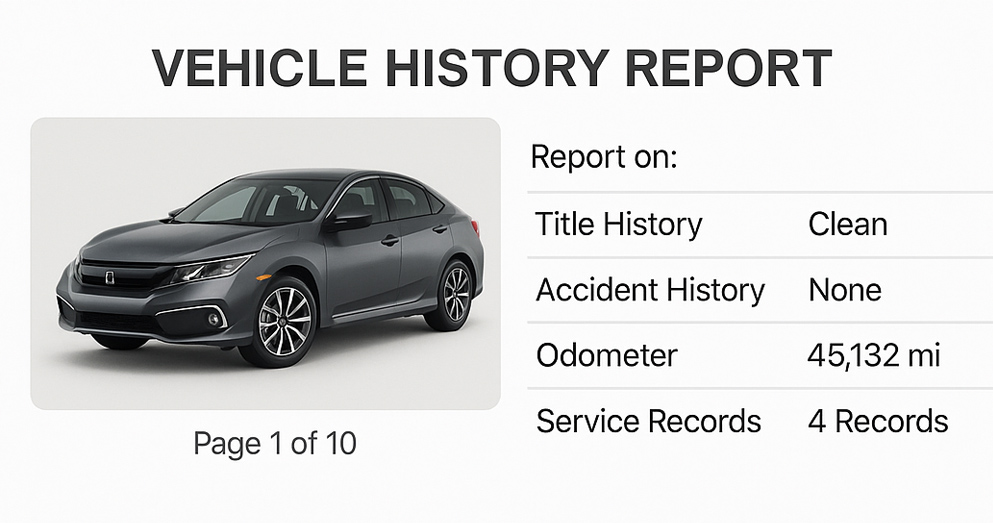
Vehicle History Report
Vehicle
Specifications
Specifications
Ownership
History
History
All History
Events
Events
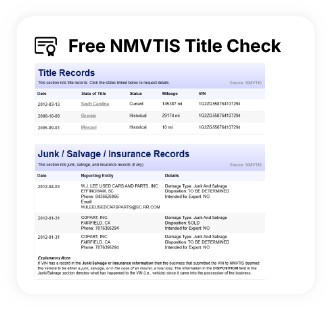
NMVTIS Title
History Check
History Check
Salvage/Rebuilt
Check
Check
Accident
Check
Check
Theft
Check
Check
Open Lien
Check
Check
Past Sale
Listings
Listings
Safety
Recalls
Recalls
Odometer
Check
Check
Market Price
Analysis
Analysis
What Problems Does the 1989 Chevrolet Corsica Have?
The 1989 Chevrolet Corsica, like many vehicles of its era, faced its share of common issues that impacted long-term reliability. One of the most frequently reported problems revolved around the vehicle's electrical system. Owners often experienced issues with the alternator, which could fail prematurely, leading to battery drain and starting problems. The power windows and locks were also prone to malfunction, with motors burning out or regulators failing.
Another significant concern for Corsica owners was body rust. In areas where road salt was used heavily during winter months, corrosion could set in quickly, particularly on the rocker panels, wheel wells, and around the doors. This not only affected the vehicle's aesthetics but could also compromise structural integrity over time.
The automatic transmission was another component that sometimes proved troublesome. While not universally problematic, some owners reported premature wear or failure of the transmission, leading to slipping gears or complete breakdown. This was particularly true for vehicles that were not regularly maintained with proper fluid changes.
While specific recalls for the 1989 model year were not extensive, it's always advisable for owners to check with the NHTSA (National Highway Traffic Safety Administration) for any outstanding safety recalls that may have been issued or extended. Generally, the early production years of any model can sometimes have more teething issues than later iterations. The 1989 Corsica was in its second year of production, meaning some initial kinks were likely worked out, but the general concerns about electricals and rust persisted throughout its lifespan. Long-term reliability was often heavily dependent on meticulous maintenance and how the vehicle was cared for, especially in harsh climates.
Another significant concern for Corsica owners was body rust. In areas where road salt was used heavily during winter months, corrosion could set in quickly, particularly on the rocker panels, wheel wells, and around the doors. This not only affected the vehicle's aesthetics but could also compromise structural integrity over time.
The automatic transmission was another component that sometimes proved troublesome. While not universally problematic, some owners reported premature wear or failure of the transmission, leading to slipping gears or complete breakdown. This was particularly true for vehicles that were not regularly maintained with proper fluid changes.
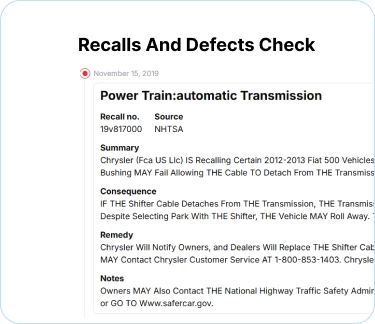
While specific recalls for the 1989 model year were not extensive, it's always advisable for owners to check with the NHTSA (National Highway Traffic Safety Administration) for any outstanding safety recalls that may have been issued or extended. Generally, the early production years of any model can sometimes have more teething issues than later iterations. The 1989 Corsica was in its second year of production, meaning some initial kinks were likely worked out, but the general concerns about electricals and rust persisted throughout its lifespan. Long-term reliability was often heavily dependent on meticulous maintenance and how the vehicle was cared for, especially in harsh climates.
How long will the 1989 Chevrolet Corsica last?
Estimating average mileage for a 1989 Chevrolet Corsica requires considering its age and typical usage patterns. Many owners who maintained their Corsicas diligently could achieve well over 150,000 miles, with some even reaching 200,000 miles or more. However, this often necessitated proactive replacement of wear-and-tear items and attention to its known weaknesses. The long-term durability was significantly impacted by rust prevention and regular maintenance of the engine and transmission. Those that were driven in corrosive environments without proper undercoating or those with neglected maintenance schedules often saw their service life cut short, sometimes failing to reach the 100,000-mile mark due to major component failures, particularly in the electrical system or powertrain.
What Technology & Safety Features are Included?
The 1989 Chevrolet Corsica, as a product of its time, offered a modest array of technology and safety features. Built-in tech was primarily focused on essential functions. Entertainment typically consisted of a standard AM/FM radio, with optional upgrades including cassette players and, for higher trims, more sophisticated stereo systems with multiple speakers. Air conditioning was often an optional extra, especially on lower trims, but became more standard on the LT models. Power windows and door locks were also commonly found on higher trims or as part of option packages, providing a touch of convenience.
Driver-assistance features were virtually non-existent by modern standards. Cruise control was available as an option on many models, offering a degree of comfort for highway driving. However, features like anti-lock braking systems (ABS) were not standard and might have been available as an option on some higher-trim variants or later model years, but were not widespread on the 1989 model.
Safety features for the 1989 Corsica included standard seatbelts, front and rear crumple zones, and side-guard door beams. Airbags were not standard equipment in 1989; they were still a relatively new technology and not widely adopted across all vehicle segments. The Corsica would have featured a manual seatbelt system, and potentially manual lap and shoulder belts for rear passengers.
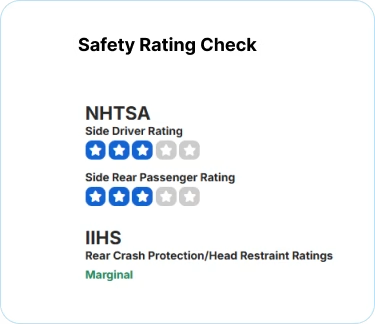
Crash-test ratings for vehicles from this era are often less detailed and comprehensive than current NHTSA or IIHS tests. While specific crash test data for the 1989 Corsica may not be readily available or as robust as contemporary reviews, the general safety performance would have aligned with the standards of its time. It's important to note that the safety expectations and technologies have evolved significantly since 1989, meaning the Corsica's safety profile would be considerably lower than modern vehicles.
Driver-assistance features were virtually non-existent by modern standards. Cruise control was available as an option on many models, offering a degree of comfort for highway driving. However, features like anti-lock braking systems (ABS) were not standard and might have been available as an option on some higher-trim variants or later model years, but were not widespread on the 1989 model.
Safety features for the 1989 Corsica included standard seatbelts, front and rear crumple zones, and side-guard door beams. Airbags were not standard equipment in 1989; they were still a relatively new technology and not widely adopted across all vehicle segments. The Corsica would have featured a manual seatbelt system, and potentially manual lap and shoulder belts for rear passengers.
Crash-test ratings for vehicles from this era are often less detailed and comprehensive than current NHTSA or IIHS tests. While specific crash test data for the 1989 Corsica may not be readily available or as robust as contemporary reviews, the general safety performance would have aligned with the standards of its time. It's important to note that the safety expectations and technologies have evolved significantly since 1989, meaning the Corsica's safety profile would be considerably lower than modern vehicles.
What Colors Options are Available?
1989 Chevrolet Corsica Prices and Market Value
When new, the 1989 Chevrolet Corsica had a starting price that was quite competitive for a compact car, typically ranging from around $10,000 to $14,000 depending on the trim level and options. As a vehicle from the late 80s, it experienced significant depreciation over the years, as is common for most mainstream vehicles.
Currently, the used market value for a 1989 Corsica is generally low, often falling into the sub-$3,000 range, and frequently much less for vehicles with higher mileage or cosmetic issues. Well-maintained examples, particularly rarer trims or those in exceptional condition, might fetch slightly more. Factors affecting resale value include overall condition, mileage, maintenance history, the presence of rust, and the functionality of key components like the engine and transmission. Due to its age and typical reliability concerns, the Corsica is primarily sought after by those looking for a very budget-friendly transportation option or for parts.
1989 Chevrolet Corsica Cost of Ownership
The 1989 Chevrolet Corsica is generally an economical vehicle to own. Insurance premiums are typically low due to its age, low market value, and classification as a standard compact car. Fuel costs are moderate, with the four-cylinder engine offering decent MPG. Maintenance costs can be surprisingly affordable, as many common parts are readily available and relatively inexpensive. However, repair costs can fluctuate; while routine maintenance is cheap, addressing major electrical issues or transmission problems can become more significant expenses, especially if specialized labor is required. Overall, for a well-maintained example, the Corsica is a cost-effective choice for basic transportation.
1989 Chevrolet Corsica Fuel Efficiency
Fuel Type
Gasoline
Fuel Capacity
-
City Mileage
-
Highway Mileage
-
1989 Chevrolet Corsica Insurance
Insurance for a 1989 Chevrolet Corsica is moderately priced, reflecting its status as a Hatchback with strong safety ratings and
reasonable repair costs.
How Does the 1989 Chevrolet Corsica Compare to Other Hatchback?
In 1989, the Chevrolet Corsica competed in a crowded compact car segment against rivals like the Honda Civic, Toyota Corolla, Ford Escort, and Pontiac Sunbird.
Performance: Compared to the Japanese rivals like the Civic and Corolla, the Corsica's base 2.0-liter engine was generally less refined and offered more sluggish acceleration. The optional V6 provided a more competitive power output, but still often lagged behind the sportier variants of competitors. Ford Escort offered a similar range of performance, while the Pontiac Sunbird, being a sibling platform, shared many powertrain characteristics.
Features: In terms of features, the Corsica aimed for a more European styling influence. Higher trims offered amenities like power windows and locks, which were becoming more common. However, Japanese competitors like the Corolla often provided a more robust and well-integrated feature set even in base models, and were known for better build quality of interior components.
Reliability: This is where the Corsica often fell short compared to its main Japanese rivals. Honda and Toyota built a strong reputation for exceptional reliability, with fewer reported electrical gremlins and powertrain issues than the Corsica. While the Ford Escort and Pontiac Sunbird had their own sets of common problems, the Corsica's electrical system and susceptibility to rust were notable drawbacks.
Price: The Corsica's primary advantage was its price. It was often positioned as a more affordable alternative to comparable Japanese sedans and coupes, making it an attractive option for budget-conscious buyers.
Alternatives:
Similar Alternatives: The Pontiac Sunbird is a very similar alternative, sharing the same platform and many mechanical components. The Ford Escort also offered comparable pricing and a similar range of trims, though its styling was more conventional.
Better Alternatives (if budget allows): For buyers prioritizing long-term reliability and refinement, the Honda Civic or Toyota Corolla would be significantly better choices, even if they commanded a slightly higher price or had fewer creature comforts in their base trims. These cars are renowned for their durability and lower cost of ownership over the long haul.
Performance: Compared to the Japanese rivals like the Civic and Corolla, the Corsica's base 2.0-liter engine was generally less refined and offered more sluggish acceleration. The optional V6 provided a more competitive power output, but still often lagged behind the sportier variants of competitors. Ford Escort offered a similar range of performance, while the Pontiac Sunbird, being a sibling platform, shared many powertrain characteristics.
Features: In terms of features, the Corsica aimed for a more European styling influence. Higher trims offered amenities like power windows and locks, which were becoming more common. However, Japanese competitors like the Corolla often provided a more robust and well-integrated feature set even in base models, and were known for better build quality of interior components.
Reliability: This is where the Corsica often fell short compared to its main Japanese rivals. Honda and Toyota built a strong reputation for exceptional reliability, with fewer reported electrical gremlins and powertrain issues than the Corsica. While the Ford Escort and Pontiac Sunbird had their own sets of common problems, the Corsica's electrical system and susceptibility to rust were notable drawbacks.
Price: The Corsica's primary advantage was its price. It was often positioned as a more affordable alternative to comparable Japanese sedans and coupes, making it an attractive option for budget-conscious buyers.
Alternatives:
Similar Alternatives: The Pontiac Sunbird is a very similar alternative, sharing the same platform and many mechanical components. The Ford Escort also offered comparable pricing and a similar range of trims, though its styling was more conventional.
Better Alternatives (if budget allows): For buyers prioritizing long-term reliability and refinement, the Honda Civic or Toyota Corolla would be significantly better choices, even if they commanded a slightly higher price or had fewer creature comforts in their base trims. These cars are renowned for their durability and lower cost of ownership over the long haul.
Final Verdict: Is the 1989 Chevrolet Corsica a Good Hatchback?
The 1989 Chevrolet Corsica is best suited for a very budget-conscious buyer looking for basic transportation that offers a slightly more stylish exterior than some of its contemporaries, especially in coupe form. It could be a reasonable purchase if acquired at a very low price point, particularly from a private seller, and if the buyer is mechanically inclined or has access to affordable repairs, especially for common electrical or rust issues.
It is generally not recommended for someone seeking long-term, trouble-free reliability, especially when compared to its Japanese counterparts. If considering a purchase, prioritize well-maintained examples with documented service history and minimal rust. Opting for a model with the V6 engine might offer a slightly more engaging driving experience, but the four-cylinder is more economical. Buying new was a different proposition; today, it's almost exclusively a used vehicle purchase, and its value lies in its affordability rather than its inherent quality or features.