
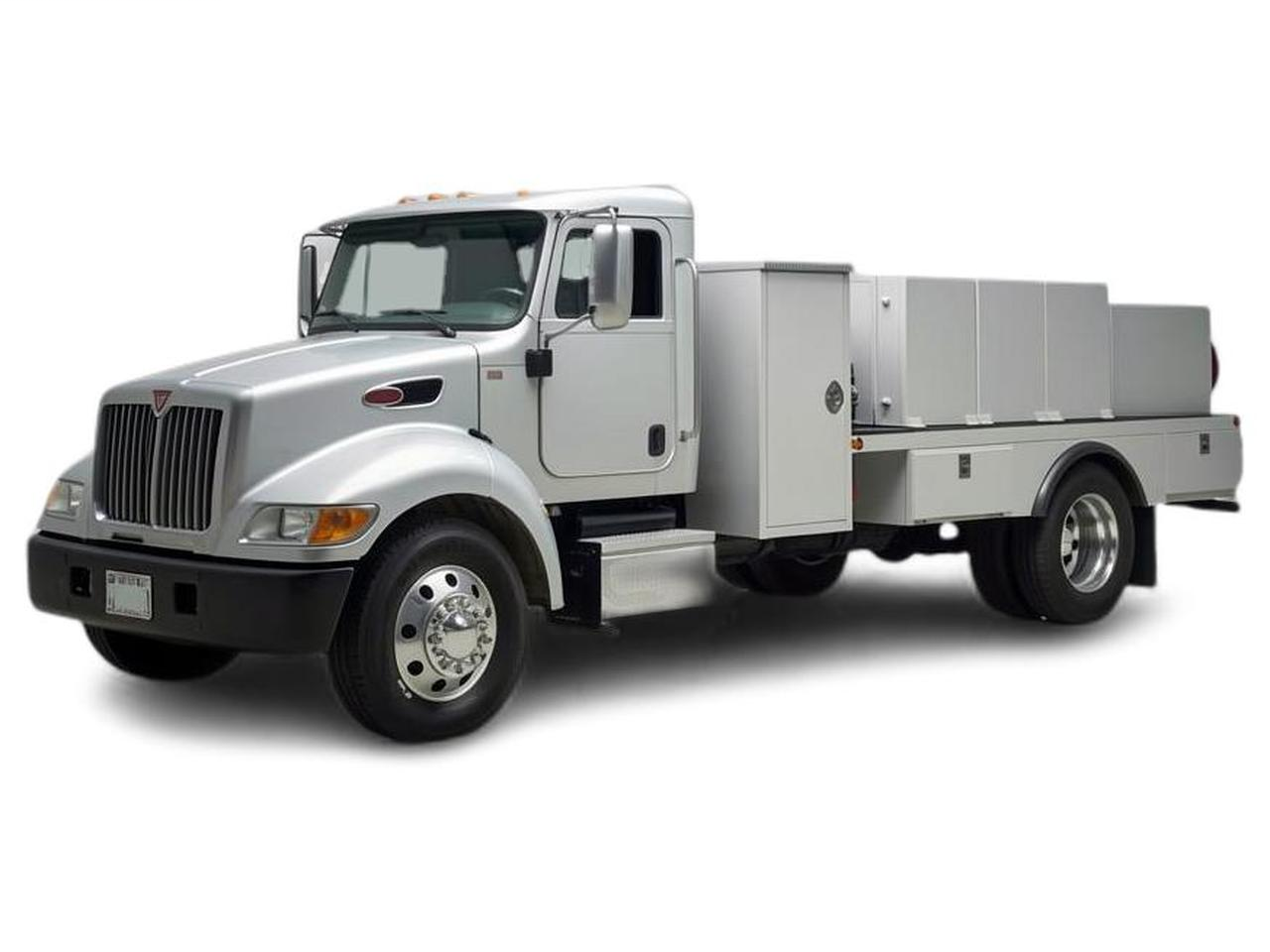
The Good
The 2009 Peterbilt 335 excels in rugged performance and proven reliability, offering a smooth ride and comfortable cab that appeals to long-haul drivers. Its iconic design evokes pride of ownership, while its solid engineering ensures long-term value and dependable service for practical business needs.
The Bad
Potential weaknesses for the 2009 Peterbilt 335 include the possibility of aging electrical components, particularly with higher mileage units. Some owners have reported issues with emissions systems, and routine maintenance is crucial to prevent more significant problems over time. Older models may also lack some modern safety features.
2009 Peterbilt 335: Quick Overview
- Engine Options: The 2009 Peterbilt 335 was typically offered with a range of PACCAR PX-6 and Cummins ISB engines. These were robust diesel powerplants designed for vocational applications.
- Horsepower: Horsepower ratings varied depending on the specific engine and configuration, but generally ranged from approximately 200 hp to 330 hp. This provided ample power for various hauling and vocational tasks.
- Fuel Economy: Fuel economy figures for heavy-duty trucks like the Peterbilt 335 are highly variable and depend heavily on load, terrain, driving style, and the specific engine and transmission combination. Realistic expectations for a diesel truck of this class are typically in the range of 8-12 miles per gallon.
- 0-60 Times: 0-60 mph acceleration times are not a primary metric for vocational trucks and are not typically published or tracked. Performance is focused on torque and pulling power rather than rapid acceleration.
- Towing Capacity: Towing capacity is highly dependent on the truck's specific configuration, chassis, suspension, and GCVWR (Gross Combined Vehicle Weight Rating). The 335 is designed for medium-duty applications, and its towing capabilities would be substantial, suitable for various trailers and equipment in vocational settings. Specific ratings would require consulting the truck's build sheet.
- Trim-Level Features: While not traditionally structured with 'trims' like passenger cars, the 335 offered various configurations and options tailored to specific vocational needs. These could include different wheelbase lengths, axle ratios, suspension types, PTO (Power Take-Off) options for auxiliary equipment, and specialized body applications (e.g., dump bodies, service bodies, flatbeds). Interior features focused on functionality and durability, with options for air conditioning, power windows, and upgraded seating.
2009 Peterbilt 335 Specifications
Vehicle Information
| Year | 2009 |
| Make | Peterbilt |
| Model | 335 |
| Trim | - |
| Style | - |
| Type | Truck |
| Category | Medium Truck |
Manufacturing Details
| Made In | Canada |
| Manufacturing City | MONTREAL |
Dimensions
| Doors | - |
| Curb Weight | - |
| Gross Vehicle Weight Rating | 330001 pounds |
| Overall Height | - |
| Overall Length | - |
| Overall Width | - |
| Wheelbase Length | - |
| Standard Seating | - |
Engine & Performance
| Engine | 8.3L I6 |
| Engine Size | 8.3L |
| Engine Cylinders | 6 |
| Transmission | - |
| Transmission Type | - |
| Transmission Speeds | - |
| Drivetrain | Rear-Wheel Drive |
Additional Features
| Anti-Brake System | - |
| Steering Type | - |
Pricing
| Manufacturer Suggested Retail Price (MSRP) | - |
| Invoice Price | - |
| Delivery Charges | - |
Vehicle History Report
Specifications
History
Events
History Check
Check
Check
Check
Check
Listings
Recalls
Check
Analysis
What Problems Does the 2009 Peterbilt 335 Have?
Electrical gremlins are also a possibility in vehicles of this age. Owners have reported intermittent issues with wiring harnesses, sensors, and control modules. These can manifest in various ways, from dashboard warning lights to problems with auxiliary systems. Regular inspection and maintenance of the electrical system are recommended.
While specific widespread model-year recalls for the 2009 Peterbilt 335 are not extensively documented in common consumer databases, it's always prudent for any owner to check for any outstanding recalls with the manufacturer or relevant regulatory bodies.
Long-term reliability is generally considered strong for Peterbilt trucks due to their heavy-duty construction and the quality of their drivetrains. However, consistent and proactive maintenance is paramount. Neglecting fluid changes, filter replacements, and routine inspections can accelerate wear and lead to more costly repairs. For example, proper cooling system maintenance is vital to prevent engine overheating, and timely brake servicing is essential for safety.
Some owners have also noted that components like suspension bushings and wear items will eventually require attention given the demanding nature of vocational work. The overall long-term reliability hinges significantly on how the truck was used and the diligence of its maintenance schedule. A well-maintained 2009 Peterbilt 335 can still offer many years of dependable service.
How long will the 2009 Peterbilt 335 last?
Long-term durability is a significant strength, with many owners reporting that critical components like the engine and transmission hold up exceptionally well with regular maintenance. Weaknesses that tend to emerge over time are often related to wear and tear on auxiliary systems, such as hydraulics for dump beds, electrical components, and suspension wear. Regular servicing, including timely fluid changes, filter replacements, and inspections of wear items, is crucial for maximizing the lifespan and preventing premature failures. Owners who adhere to a strict maintenance schedule will find the 335 to be a very durable vehicle.
What Technology & Safety Features are Included?
Driver-assistance features were minimal to non-existent in the 2009 model year. Systems like advanced cruise control, lane departure warning, or automatic emergency braking were not standard and unlikely to be available as options on this type of vocational truck. The emphasis was on the driver's direct control and situational awareness.
Safety features were primarily focused on passive safety and the structural integrity of the cab. Standard safety equipment would have included seatbelts, robust door latches, and exterior mirrors designed for optimal visibility. Depending on the specific configuration and optional packages, some trucks might have been equipped with features like anti-lock braking systems (ABS), which were becoming more common in heavy-duty vehicles by this time.
It is important to note that official crash-test ratings, such as those from the NHTSA (National Highway Traffic Safety Administration) or IIHS (Insurance Institute for Highway Safety), are not typically conducted or published for heavy-duty vocational trucks like the Peterbilt 335. Their design and purpose are fundamentally different from passenger cars and light trucks, and they are built to withstand significant forces in operational environments. The inherent strength of their construction is the primary safety attribute. Any optional features would have been geared towards operational efficiency and specific vocational needs rather than advanced driver assistance.
What Colors Options are Available?
2009 Peterbilt 335 Prices and Market Value
Currently, used market prices for a 2009 Peterbilt 335 can range from approximately $25,000 to $60,000 or more. This wide spectrum is driven by factors such as mileage, overall condition, maintenance history, the presence of specific vocational equipment (e.g., dump body, crane), and engine type.
Depreciation on heavy-duty trucks like the 335 is generally less steep than on passenger cars, especially for well-maintained models that have been used for their intended purpose. Resale value is heavily influenced by the truck's mechanical condition, body integrity, and remaining service life of key components. Trucks with lower mileage and a documented history of regular maintenance will command higher prices. The demand for reliable vocational trucks also plays a significant role in their retained value.
2009 Peterbilt 335 Cost of Ownership
2009 Peterbilt 335 Fuel Efficiency
2009 Peterbilt 335 Recalls & Defects
Electronic Stability Control (Esc)
Service Brakes, Air:antilock:abs Warning Light
Parking Brake:conventional:air
Engine and Engine Cooling:engine:diesel
2009 Peterbilt 335 Warranty
Basic
Powertrain
Rust
2009 Peterbilt 335 Insurance
reasonable repair costs.
How Does the 2009 Peterbilt 335 Compare to Other Truck?
In terms of performance, the Peterbilt 335 typically offers strong diesel engine options providing ample torque for demanding tasks, often comparable to its direct competitors. Peterbilt's reputation for excellent chassis engineering often gives it an edge in ride quality and handling for its class.
Regarding features, the 335, as a 2009 model, would be on par with rivals of the same vintage. None of these trucks would boast the advanced technology found in modern vehicles. Interior comfort and driver ergonomics were priorities for all these brands, with focus on practicality and durability.
Reliability is where Peterbilt trucks, including the 335, historically excel. They are built with heavy-duty components designed for longevity and demanding vocational use. While all trucks can experience issues, Peterbilts generally have a reputation for fewer major mechanical failures over the long term compared to some competitors, provided they are well-maintained.
In terms of price, the 335 would have been positioned as a premium offering when new, often commanding a higher price than comparable International or Freightliner models due to the Peterbilt brand prestige and build quality. Used prices are also competitive, reflecting its strong resale value.
Alternatives:
- Similar: Kenworth T170/T270: Often considered a close sibling to Peterbilt, Kenworth trucks offer comparable build quality, reliability, and vocational capabilities. The T170/T270 would be a very direct competitor.
- Similar: Freightliner M2 106: A strong contender known for its versatility and modern cab design for its era. It offers a wide range of configurations and engine options.
- Similar: International 4300 Series: A very popular choice in the medium-duty segment, often offering good value and a broad dealer network.
Ultimately, the choice often comes down to brand preference, local dealer support, specific vocational configurations available, and the best available deal on a well-maintained unit. The Peterbilt 335 stands out for its iconic styling and robust, enduring build quality.
Final Verdict: Is the 2009 Peterbilt 335 a Good Truck?
It is absolutely worth buying if purchased used and in good condition with a documented maintenance history. Given its age, buying new is not an option. The key is to prioritize well-maintained examples. Look for trucks with lower mileage for their age, evidence of regular servicing, and minimal signs of abuse or neglect. Specific configurations (e.g., dump truck, flatbed) should be chosen based on the buyer's exact needs. While initial costs and ongoing ownership expenses are significant, its long-term durability and strong resale value make it a sound investment for those who need its capabilities and are prepared for the associated costs of operation and maintenance.

Cathleen V
Cathleen is an exceptional freelance writer covering hot topics in the automotive world from a gearhead's perspective. Her articles delve into various aspects of automotive technology and history, offering readers detailed insights into engine performance, reliability, and maintenance. Through her engaging and informative writing, Cathleen provides valuable information to automotive enthusiasts and consumers alike, helping them make informed decisions about vehicle maintenance and purchases.