The 2005 Triumph Bonneville is a modern classic motorcycle, building on a legendary nameplate that dates back to the 1950s. This iteration, part of the modern Bonneville family launched in 2001, features a timeless British retro styling with a relaxed upright riding position. Key trims include the standard Bonneville and the sportier Bonneville T100. Original pricing ranged from around $8,000 to $9,000. Its popularity stems from its iconic looks, accessible performance, and a blend of nostalgic appeal with modern engineering, making it a favorite for both experienced riders and newcomers.
The Good
The 2005 Triumph Bonneville excels with its classic, head-turning design and accessible, predictable performance. It offers a comfortable, upright riding posture ideal for leisurely rides and daily commuting. Its timeless appeal resonates emotionally, while its relatively straightforward mechanics and decent fuel economy appeal to practical riders seeking value.
The Bad
Owners of the 2005 Triumph Bonneville should be aware of potential electrical gremlins, particularly concerning the regulator/rectifier unit and wiring harness issues. Some riders find the stock suspension to be a bit basic, and brake performance, while adequate, isn't particularly cutting-edge. Clutch pull can also be on the heavier side for some.
2005 Triumph Bonneville: Quick Overview
- Engine Options: The 2005 Triumph Bonneville is powered by a 790cc air-cooled, DOHC, parallel-twin engine.
- Horsepower: It typically produces around 62 horsepower at 7,400 RPM.
- Torque: Peak torque is approximately 60 lb-ft at 5,800 RPM.
- Fuel Economy: Estimated fuel economy is around 45-50 MPG, depending on riding style and conditions.
- 0-60 Times: Acceleration to 60 mph is generally in the 4.5 to 5.5-second range, offering spirited but not aggressive performance.
- Towing Capacity: As a motorcycle, the Triumph Bonneville does not have a towing capacity.
- Transmission: A 5-speed constant mesh gearbox is standard.
- Frame: Tubular steel, multi-piece, single section cradle frame.
- Front Suspension: 41mm forks with adjustable preload (on T100), offering smooth damping.
- Rear Suspension: Adjustable preload twin shock absorbers, providing a comfortable ride.
- Front Brakes: Single 310mm disc with a two-piston caliper.
- Rear Brakes: Single 255mm disc with a two-piston caliper.
- Wheels: Spoked wheels are standard, typically 18-inch front and 17-inch rear.
- Tires: Tubed tires are common on this model.
- Weight: Dry weight is around 450 lbs (205 kg).
- Seat Height: Approximately 30.1 inches (765 mm), contributing to its accessibility.
- Fuel Tank Capacity: 4.1 gallons (15.5 liters).
- Key Trim Features (Bonneville vs. T100): The Bonneville T100 typically features slightly higher specifications, often including blacked-out engine components, different tank badges, a stepped seat, and sometimes a taller windscreen or different exhaust note, aiming for a more vintage aesthetic reminiscent of the original Bonneville T100. The standard Bonneville offers a cleaner, more minimalist retro look. Both share the same core engine and chassis architecture.
2005 Triumph Bonneville Specifications
Vehicle Information
| Year | 2005 |
| Make | Triumph |
| Model | Bonneville |
| Trim | - |
| Style | - |
| Type | Motorcycle |
| Category | Motorcycle |
Manufacturing Details
| Made In | United Kingdom |
| Manufacturing City | HINCKLEY |
Dimensions
| Doors | - |
| Curb Weight | - |
| Gross Vehicle Weight Rating | - |
| Overall Height | - |
| Overall Length | - |
| Overall Width | - |
| Wheelbase Length | - |
| Standard Seating | - |
Engine & Performance
| Engine | 800CC |
| Engine Size | 800L |
| Engine Cylinders | 2 |
| Transmission | - |
| Transmission Type | - |
| Transmission Speeds | - |
| Drivetrain | - |
Additional Features
| Anti-Brake System | - |
| Steering Type | - |
Pricing
| Manufacturer Suggested Retail Price (MSRP) | - |
| Invoice Price | - |
| Delivery Charges | - |
Vehicle History Report
Vehicle
Specifications
Specifications
Ownership
History
History
All History
Events
Events
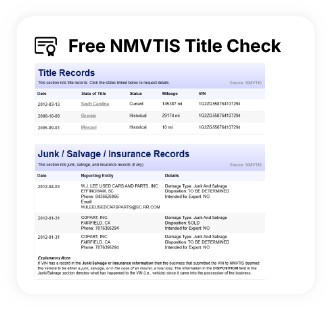
NMVTIS Title
History Check
History Check
Salvage/Rebuilt
Check
Check
Accident
Check
Check
Theft
Check
Check
Open Lien
Check
Check
Past Sale
Listings
Listings
Safety
Recalls
Recalls
Odometer
Check
Check
Market Price
Analysis
Analysis
What Problems Does the 2005 Triumph Bonneville Have?
The 2005 Triumph Bonneville, while generally considered a reliable motorcycle, does have a few common areas that owners report issues with. One of the most frequently cited problems is with the electrical system, specifically the regulator/rectifier unit. These components can fail prematurely, leading to charging issues, battery drain, and even engine stalling. It's a known weak point across many Hinckley-era Triumphs of this vintage, and some owners opt for aftermarket upgrades to improve longevity. Another concern can be the wiring harness, which in some cases has been reported to chafe or corrode, leading to intermittent electrical faults. It's wise to inspect the wiring loom, especially around the steering head and engine cases, for any signs of damage or wear.
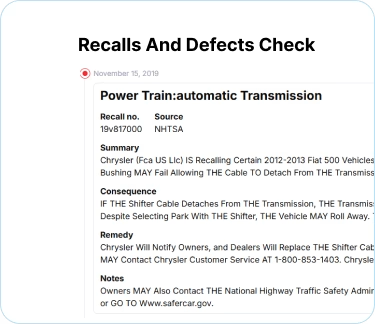
While not a widespread issue, some riders have experienced clutch drag or a heavy clutch pull, which could be indicative of clutch slave cylinder issues or simply require adjustment and fresh fluid. The stock suspension, while adequate for cruising, can feel a bit basic and may require attention for riders seeking more spirited performance or carrying a passenger, with upgrades being a common modification. Brake performance is generally considered adequate for the bike's performance but not exceptionally powerful by modern standards. Triumph did issue some recalls for these models, primarily concerning potential issues with the brake light switch or minor emissions-related components. However, there are no major widespread recalls that plague the entire model year. Long-term reliability is generally good if regular maintenance is performed, with the engine being a robust unit. However, the aforementioned electrical components are the primary areas to monitor and potentially address proactively to ensure consistent operation and prevent more significant issues down the line. Model year specific issues are not as prevalent for the 2005 model as some earlier iterations of the modern Bonneville, but the electrical gremlins are a consistent theme.
How long will the 2005 Triumph Bonneville last?
With diligent maintenance, a 2005 Triumph Bonneville can easily achieve well over 50,000 miles, with many owners reporting their bikes surpassing 80,000 to 100,000 miles. The parallel-twin engine is inherently robust and built for longevity. Regular oil changes, valve adjustments, chain lubrication, and timely replacement of wear items like brake pads and tires are crucial. The primary long-term weakness to watch for remains the electrical components, particularly the regulator/rectifier. Addressing these proactively can prevent major headaches. Over time, cosmetic elements like chrome and paint may show signs of age, but the mechanical heart of the Bonneville is known for its enduring durability, making it a lasting classic if cared for.
What Technology & Safety Features are Included?
The 2005 Triumph Bonneville is intentionally designed with a focus on its classic aesthetic, meaning it largely eschews the advanced technology found in more modern motorcycles. It offers a rather minimalist approach to built-in tech. There is no integrated entertainment system; riders typically rely on aftermarket solutions like Bluetooth communicators or dedicated GPS units if desired.
In terms of driver-assistance features, the 2005 Bonneville is virtually non-existent. There are no electronic rider aids such as traction control, ABS (Anti-lock Braking System), or multiple riding modes, which are commonplace on contemporary bikes. The focus is on a raw, analog riding experience.
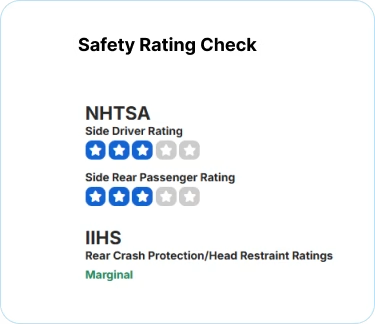
Safety features are also quite basic. The primary safety equipment consists of the dual disc brakes (front and rear), which provide adequate stopping power for the bike's performance envelope. Lighting is standard halogen units for the headlight, taillight, and turn signals. There are no advanced safety systems like linked braking or dynamic cornering lights. Given the era and the bike's design philosophy, dedicated crash-test ratings in the same vein as automotive tests are not typically available for this specific motorcycle model. Safety is largely dependent on the rider's skill and awareness. Optional features from Triumph or the aftermarket might include different exhaust systems for enhanced sound, luggage racks, or comfort seats, but these do not typically enhance the core safety or technological features of the motorcycle itself. The appeal of the 2005 Bonneville lies in its simplicity and classic riding feel, rather than a suite of electronic aids or advanced features.

In terms of driver-assistance features, the 2005 Bonneville is virtually non-existent. There are no electronic rider aids such as traction control, ABS (Anti-lock Braking System), or multiple riding modes, which are commonplace on contemporary bikes. The focus is on a raw, analog riding experience.
Safety features are also quite basic. The primary safety equipment consists of the dual disc brakes (front and rear), which provide adequate stopping power for the bike's performance envelope. Lighting is standard halogen units for the headlight, taillight, and turn signals. There are no advanced safety systems like linked braking or dynamic cornering lights. Given the era and the bike's design philosophy, dedicated crash-test ratings in the same vein as automotive tests are not typically available for this specific motorcycle model. Safety is largely dependent on the rider's skill and awareness. Optional features from Triumph or the aftermarket might include different exhaust systems for enhanced sound, luggage racks, or comfort seats, but these do not typically enhance the core safety or technological features of the motorcycle itself. The appeal of the 2005 Bonneville lies in its simplicity and classic riding feel, rather than a suite of electronic aids or advanced features.

What Colors Options are Available?
2005 Triumph Bonneville Prices and Market Value
When new, the 2005 Triumph Bonneville typically retailed between approximately $8,000 and $9,000 USD, depending on the specific trim level (standard Bonneville or Bonneville T100) and any dealer-added options. The used market for a 2005 Bonneville currently sees prices ranging from around $3,500 to $6,500, heavily influenced by mileage, overall condition, maintenance history, and any modifications. These models have experienced a significant depreciation from their original MSRP, which is typical for most motorcycles. Factors affecting resale value include the condition of the iconic paintwork and chrome, originality of parts, presence of service records, and whether the common electrical issues (like the regulator/rectifier) have been addressed. A well-maintained, unmolested example with lower mileage will command a higher price.

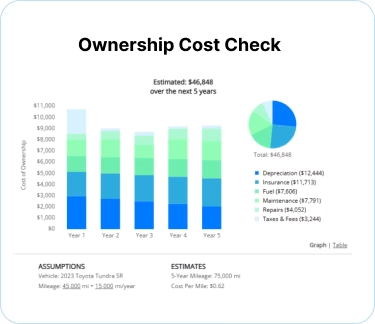
2005 Triumph Bonneville Cost of Ownership
The 2005 Triumph Bonneville is generally considered economical to own. Insurance costs are typically moderate, especially for riders with good records, as it's not usually a target for high premiums like sportbikes. Fuel economy is decent, averaging 45-50 MPG, making it relatively cheap to run. Routine maintenance, such as oil changes and chain adjustments, is straightforward and affordable if done yourself or at a reputable independent shop. Major repairs, while not common with proper care, can be moderately expensive due to parts sourcing. Overall, its ownership costs are reasonable, appealing to budget-conscious riders seeking classic style without excessive running expenses.
2005 Triumph Bonneville Fuel Efficiency
Fuel Type
-
Fuel Capacity
-
City Mileage
-
Highway Mileage
-
2005 Triumph Bonneville Warranty
Basic
Original warranty
0 months / No data
Estimated remaining
Expired
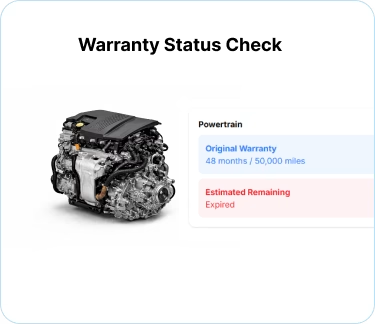
Powertrain
Original warranty
0 months / No data
Estimated remaining
Expired
Rust
Original warranty
0 months / No data
Estimated remaining
Expired
2005 Triumph Bonneville Insurance
Insurance for a 2005 Triumph Bonneville is moderately priced, reflecting its status as a Motorcycle with strong safety ratings and
reasonable repair costs.
How Does the 2005 Triumph Bonneville Compare to Other Motorcycle?
The 2005 Triumph Bonneville occupies a niche of retro-styled, mid-weight motorcycles. Its primary rivals at the time and in the used market include bikes like the Moto Guzzi V7 (though earlier models might be harder to find and less refined), the Harley-Davidson Sportster 883, and potentially Japanese offerings like the Yamaha V-Star 650 or Kawasaki Vulcan 800.
Performance: The Bonneville's 790cc parallel-twin offers a charming, torquey delivery suitable for cruising and moderate acceleration. It's generally more refined and smoother than the V-twin American cruisers like the Sportster or Vulcan. The V-Star 650 offers a similar relaxed pace but with less character. The Moto Guzzi V7, with its transverse V-twin, offers a unique torque delivery and character, often considered more engaging.
Features: In terms of features, the 2005 Bonneville is very basic, focusing on its classic design. Rivals like the Sportster might offer more customization options and a stronger aftermarket. Japanese cruisers often have more standard features like shaft drive for lower maintenance. The Bonneville's strength is its British retro charm, which competitors struggle to replicate authentically.
Reliability: Triumph's reliability in this era has improved significantly, but the Bonneville is known for potential electrical gremlins (regulator/rectifier). The Sportster has a reputation for robustness but can be prone to oil leaks and requires more frequent maintenance. Japanese bikes like the Yamaha V-Star are generally very reliable with minimal fuss. Moto Guzzi can be a bit more temperamental and require specialized knowledge.
Price: The 2005 Bonneville sits in the middle of the price spectrum in the used market. Sportsters and V-Stars can often be found for less, while well-maintained Moto Guzzis might command similar or higher prices due to their unique appeal.
Alternatives:
Performance: The Bonneville's 790cc parallel-twin offers a charming, torquey delivery suitable for cruising and moderate acceleration. It's generally more refined and smoother than the V-twin American cruisers like the Sportster or Vulcan. The V-Star 650 offers a similar relaxed pace but with less character. The Moto Guzzi V7, with its transverse V-twin, offers a unique torque delivery and character, often considered more engaging.
Features: In terms of features, the 2005 Bonneville is very basic, focusing on its classic design. Rivals like the Sportster might offer more customization options and a stronger aftermarket. Japanese cruisers often have more standard features like shaft drive for lower maintenance. The Bonneville's strength is its British retro charm, which competitors struggle to replicate authentically.
Reliability: Triumph's reliability in this era has improved significantly, but the Bonneville is known for potential electrical gremlins (regulator/rectifier). The Sportster has a reputation for robustness but can be prone to oil leaks and requires more frequent maintenance. Japanese bikes like the Yamaha V-Star are generally very reliable with minimal fuss. Moto Guzzi can be a bit more temperamental and require specialized knowledge.
Price: The 2005 Bonneville sits in the middle of the price spectrum in the used market. Sportsters and V-Stars can often be found for less, while well-maintained Moto Guzzis might command similar or higher prices due to their unique appeal.
Alternatives:
- Similar: For a very similar aesthetic and riding experience, consider a Triumph Bonneville T100 from the same year, which offers slightly more vintage styling cues. A Ducati GT1000 (though pricier and rarer) offers a sportier take on retro styling.
- Alternative Character: If character and a unique engine are preferred, a Moto Guzzi V7 Classic (if found) or a Harley-Davidson Sportster (for American V-twin character) are strong contenders. For sheer simplicity and bulletproof reliability in the retro cruiser segment, a Yamaha V-Star 650 is an excellent, though less characterful, choice.
Final Verdict: Is the 2005 Triumph Bonneville a Good Motorcycle?
The 2005 Triumph Bonneville is ideally suited for riders who appreciate classic styling, a relaxed riding posture, and accessible performance. It's perfect for cruising around town, leisurely weekend rides, and those who value aesthetics and heritage over outright speed or cutting-edge technology. It's a fantastic option for both new riders looking for an unintimidating yet stylish motorcycle and experienced riders seeking a charming, second bike for relaxed enjoyment.
This motorcycle is absolutely worth buying, particularly on the used market. Given their age, buying a 2005 Bonneville is a decision based on the used market. Look for well-maintained examples with documented service history. Specific trims like the T100 might appeal to those seeking a more authentic vintage look. Be prepared to potentially address the known electrical weaknesses (regulator/rectifier) proactively for maximum reliability. It offers a great blend of nostalgic appeal, comfortable ride, and manageable running costs, making it a compelling choice for the discerning classic motorcycle enthusiast.